Understanding Air Bubbles in Your Ozempic Pen: What You Need to Know for Safe and Effective Use
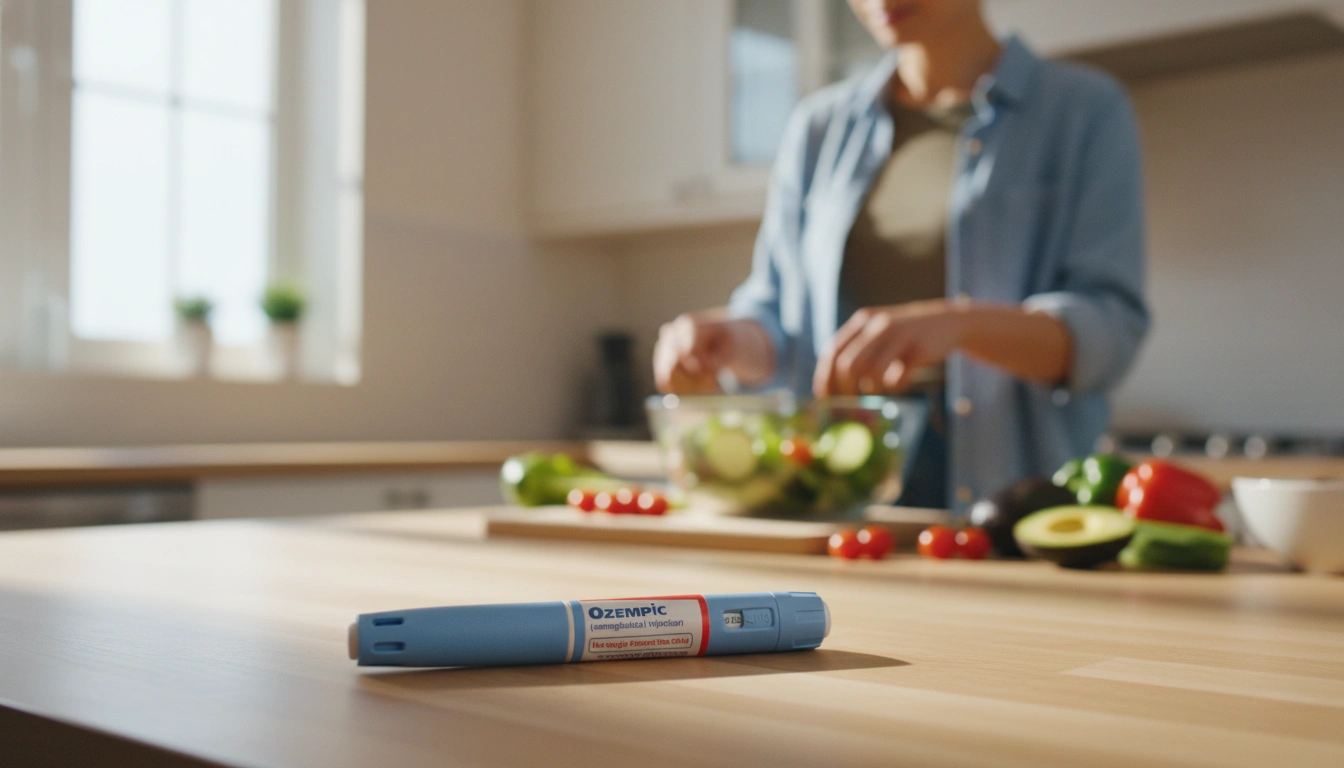
A common sight that can spark immediate concern for individuals using injectable medications like Ozempic, Wegovy, Mounjaro, or Zepbound is the appearance of small air bubbles within their pen. For many, the initial reaction might be anxiety, wondering if these tiny pockets of air are dangerous, if they will affect their dose, or even if they indicate a faulty device. This perfectly natural apprehension underscores the importance of clear, accurate information when embarking on a journey with injectable therapies designed for weight management and metabolic health.
At TrimRx, our journey began with a shared vision to help individuals embrace healthier lifestyles by merging cutting-edge telehealth innovations with effective weight loss solutions. We understand that precision and confidence in your treatment are paramount, and that includes demystifying every aspect of your medication use. This comprehensive guide is designed to ease your worries by exploring the science behind air bubbles in your Ozempic pen – and other similar GLP-1 and GIP/GLP-1 receptor agonist pens – their formation, and crucially, what you should do, or not do, when you encounter them.
Our platform is a user-friendly and supportive space where individuals receive personalized, medically supervised care, all designed to make sustainable weight loss attainable and tailored to the individual. We believe that sustainable weight loss should be achieved through science, empathy, and a transparent approach. In this post, we will delve into the mechanics of these pens, distinguish between normal occurrences and situations that warrant attention, and provide practical, evidence-based guidance to ensure your injections are always safe and effective. By the end, you will feel more confident in managing your medication, knowing that our commitment to your well-being extends to every detail of your treatment journey.
Introduction
Imagine preparing for your weekly injection, ready to take a positive step toward your health goals, only to pause, seeing a tiny air bubble trapped in your medication pen. This moment of hesitation is incredibly common for those using subcutaneous injectable medications, whether it’s for managing type 2 diabetes or supporting weight loss. The visual of air mixed with medicine can be unsettling, prompting questions about safety, dosage accuracy, and the overall integrity of the pen. With the rise of highly effective GLP-1 receptor agonists and dual GIP/GLP-1 receptor agonists like Ozempic, Wegovy, Mounjaro, and Zepbound, more and more individuals are navigating these novel therapies, and understanding every aspect of their use is crucial for optimal outcomes.
In this detailed exploration, we aim to provide clarity and confidence regarding what if there is an air bubble in Ozempic pen or similar devices. We’ll strip away the mystery surrounding these occurrences, explaining why air bubbles appear, whether they pose any danger, and the correct steps to ensure your medication is administered safely and effectively. Our purpose is to equip you with the knowledge needed to approach your injections with assurance, distinguishing between a benign presence and an actual concern.
This article will systematically guide you through the common reasons for air bubble formation, clarify the negligible risks associated with subcutaneous air injection, and detail the best practices for pen handling, storage, and injection technique as recommended by manufacturers and healthcare professionals. We’ll also highlight when it’s appropriate to seek guidance from your healthcare provider, ensuring you’re always supported. At TrimRx, we stand by you with compassionate care that respects every individual’s unique journey, combining advanced medical science with modern technology. This guide reflects our commitment to transparent service, focusing on your safety and understanding every step of the way.
Understanding Air Bubbles in Injectable Medication Pens
The presence of air bubbles in an injectable pen can be a perplexing observation, yet it is a surprisingly common one across various medications delivered via subcutaneous injection. From Ozempic to Wegovy, Mounjaro, and Zepbound, these advanced prefilled pens are engineered for precision, but air can still find its way into the medication cartridge. Understanding why these bubbles appear can significantly reduce any initial anxiety.
The Genesis of Air Bubbles: Why They Form
Air bubbles are not typically a sign of a defective pen, but rather a normal consequence of various physical processes:
- Manufacturing and Packaging: During the complex manufacturing and filling process, tiny amounts of air can become inadvertently trapped within the medication solution or in the cartridge itself. Despite stringent quality controls, it’s challenging to achieve a completely air-free environment, especially with viscous liquids.
- Temperature Fluctuations: Many injectable medications, including most GLP-1 agonists, require refrigeration prior to their first use. When a pen is removed from the cold environment of a refrigerator and allowed to warm up to room temperature, the liquid medication expands slightly, and any dissolved gases within the solution can become less soluble, forming visible bubbles. Conversely, moving a pen from warmer to colder conditions can also induce bubble formation.
- Mechanical Handling: The simple actions of handling the pen—picking it up, attaching the needle, or gently tapping it—can introduce small amounts of air. This is particularly true if the pen is shaken vigorously, which is generally advised against for most injectable medications as it can create foam.
- Changes in Atmospheric Pressure: For those who travel, especially by air, changes in cabin pressure can influence the behavior of liquids and gases within the pen. Lower atmospheric pressure at high altitudes can cause any trapped air or dissolved gases to expand, making bubbles more prominent.
- Pen Design and Overfill: Modern pens are often designed with a slight overfill, meaning they contain more medication than the sum of all prescribed doses. This overfill ensures that even with slight variations or the presence of air, you will always receive your full, intended dose. This extra volume can sometimes contribute to the appearance of “empty space” or bubbles.
It’s important to differentiate between small, often numerous, tiny bubbles and a single, large air pocket. While the former is almost always benign, the latter warrants a closer look, primarily concerning dose accuracy rather than direct safety risks.
Distinguishing Between Types of Bubbles
Most of the air bubbles you might observe are minuscule—often described as appearing like tiny specks or a fine foam within the liquid. These small bubbles typically cluster at the top of the medication chamber, nearest to the plunger or mechanism that pushes the medication out. Given the precise engineering of these pens, their presence usually does not impede the accurate delivery of your prescribed dose.
However, a truly large air bubble, one that appears to displace a significant volume of the medication, is a different consideration. While still generally not a direct health risk (as we will explain), a substantial air pocket could theoretically lead to a slightly reduced dose being administered, potentially impacting the medication’s intended effect. Therefore, understanding the distinction is key to informed action.
Are Air Bubbles in Your Ozempic Pen Dangerous? Disarming Common Fears
The concern about injecting air into the body is deeply rooted in medical understanding, particularly regarding intravenous (IV) injections. However, it’s crucial to distinguish between different types of injections and the specific risks associated with each. When we talk about GLP-1 receptor agonists like Ozempic, we are discussing medications administered via subcutaneous injection.
Subcutaneous vs. Intravenous Injection: A Critical Distinction
- Intravenous (IV) Injections: When medication is injected directly into a vein, air bubbles can indeed be dangerous. If a large amount of air enters the circulatory system, it can travel to the heart or lungs, potentially causing an air embolism, which is a serious medical emergency. This is why healthcare professionals are meticulous about removing all air from syringes before IV administration.
- Subcutaneous Injections: Ozempic and similar medications are injected into the fatty tissue just beneath the skin. This tissue layer is vastly different from a vein. When a small air bubble enters the subcutaneous tissue, it is simply absorbed harmlessly by the surrounding bodily tissues. It does not enter the bloodstream in a way that poses a systemic risk. The air dissolves into the tissue and is eventually expelled by the body’s natural processes. Therefore, for small air bubbles in a subcutaneous injection, there is virtually no health risk.
This fundamental difference should provide significant reassurance. Rest assured, the device manufacturers and regulatory bodies like the FDA rigorously test these pens to ensure their safety, considering the normal presence of small air bubbles. Our commitment at TrimRx is to safe, effective weight loss and individualized care, and we partner with FDA-registered and inspected pharmacies for the shipping of weight loss medications, further ensuring peace of mind.
The Real Concern: Dose Accuracy, Not Direct Harm
While injecting small air bubbles subcutaneously is safe, the primary concern, particularly with larger bubbles, revolves around dose accuracy. If a substantial air pocket is present within the mechanism that delivers the medication, it could potentially displace a small amount of liquid, leading to a slightly incomplete dose.
For medications designed to manage conditions like type 2 diabetes or support significant weight loss, receiving a consistent and accurate dose is vital for efficacy. An inconsistent dose could potentially lead to:
- Suboptimal Blood Sugar Control: For individuals managing type 2 diabetes, even small deviations could impact blood glucose levels.
- Reduced Efficacy for Weight Loss: If the full therapeutic dose is not consistently delivered, the desired metabolic effects for weight management may be diminished.
However, it’s important to reiterate that these pens are designed with sophisticated mechanisms to minimize such issues. The delivery systems are calibrated to account for the typical presence of small air bubbles and still deliver the intended amount of active ingredient. If you consistently observe very large bubbles or feel uncertain about your dose delivery, that’s when it’s prudent to seek professional advice. Our comprehensive service includes doctor consultations and unlimited support, ensuring you always have a trusted resource.
When to Be Concerned: Signs Beyond Simple Air Bubbles
While small air bubbles are generally benign, there are specific circumstances where you should not use your pen and instead contact your healthcare provider or pharmacist:
- Damaged Pen: If the pen itself appears cracked, broken, or otherwise compromised, do not use it.
- Cloudy or Discolored Medication: The medication within the pen should typically be clear and colorless. If you notice it is cloudy, discolored, or contains visible particles, this could indicate contamination or degradation.
- Inability to Inject: If you follow the instructions and the pen does not seem to inject the medication properly, or if you cannot prime it correctly (for pens requiring a flow check), seek assistance.
- Persistent Large Bubbles: If you consistently observe a very large air bubble that appears to take up a significant portion of the liquid in the pen, and you are concerned about dose accuracy, it’s wise to get professional advice.
Remember, your safety and the effectiveness of your treatment are our highest priorities. If you ever have doubts about the integrity of your medication or device, always reach out to a healthcare professional. We offer compassionate care, and our support extends to ensuring you feel confident and secure in your treatment.
Navigating Air Bubbles: What to Do and What Not to Do
Understanding the nature of air bubbles is one thing; knowing the appropriate action to take is another. For optimal safety and efficacy with your Ozempic pen or other GLP-1/GIP/GLP-1 receptor agonist injectors, specific guidelines should be followed.
Should You Attempt to Remove Air Bubbles?
For most prefilled pens, including Ozempic, Wegovy, Mounjaro, and Zepbound, the general recommendation is: do not attempt to manually remove small air bubbles. There are several compelling reasons for this advice:
- Risk of Medication Wastage: Trying to “flick” or “tap out” bubbles can often lead to medication being expelled from the needle tip, resulting in a wasted dose or a portion of your valuable medication.
- Potential for Pen Damage: Unnecessary manipulation or aggressive tapping could inadvertently damage the delicate internal mechanisms of the pen, potentially compromising its ability to deliver an accurate dose in the future.
- Unnecessary Action for Subcutaneous Injections: As discussed, small air bubbles injected subcutaneously are harmless. Therefore, expending effort to remove them is often needless and can introduce other risks.
- Designed for Accuracy: These pens are engineered to deliver the correct dose even with the typical presence of small air bubbles. Their design accounts for this common phenomenon.
Instead of trying to remove bubbles, the focus should be on proper preparation and injection technique as outlined by the manufacturer.
Priming Your Pen: A One-Time Flow Check for New Pens
While general bubble removal is not recommended, some multi-dose pens, like Ozempic, require a one-time flow check (often called “priming”) before the very first use of each new pen. This process serves a crucial purpose:
- Ensuring Medication Flow: The primary goal of a flow check is to confirm that the medication can flow freely through the needle. It helps to clear any potential blockages in the new needle or pen mechanism.
- Removing Trapped Air (Secondary Benefit): As a secondary benefit, the flow check might expel some trapped air along with a small drop of medication, confirming the system is ready.
Key Steps for Ozempic Pen Flow Check (Refer to your specific Instructions for Use for exact details):
- Attach a New Needle: Always use a new needle for each injection.
- Select the Flow Check Symbol: Turn the dose selector to the specific flow check symbol (often depicted as a dot or a line, not your therapeutic dose).
- Hold Upward and Tap Gently: Hold the pen with the needle pointing upward and gently tap the cartridge a few times with your finger. This helps any air bubbles rise to the top.
- Press the Dose Button: Press and hold the dose button completely until the dose counter returns to “0” and you see a drop of medication at the needle tip.
- Confirm Flow: If a drop appears, your pen is ready for use. If no drop appears after repeating the process once more, or if you suspect a problem, contact your healthcare provider or pharmacist.
Important Note: This flow check is only performed before the first use of each new pen. You do not need to repeat this process before every subsequent injection from the same pen. Attempting to do so can lead to medication waste.
What to Do If You Believe You Injected an Air Bubble
If you have completed an injection and later notice or suspect that a small air bubble was injected, please do not worry. As reiterated, small air bubbles injected subcutaneously are harmless and will be absorbed by your body’s tissues without adverse effects. There is no need for immediate medical intervention for this occurrence.
However, if you had a very large air bubble and you are concerned that your dose might have been incomplete, or if you experience any unexpected changes in your blood sugar levels (if applicable for type 2 diabetes management) or the intended effects of the medication for weight loss, it is always best to monitor your symptoms and contact your healthcare provider for guidance. They can help assess the situation and provide reassurance. Remember, our comprehensive service includes unlimited support, meaning you’re never alone in your weight loss journey.
Ensuring Accurate Dosing and Safe Use: Best Practices
Beyond understanding air bubbles, consistent adherence to best practices for medication storage, handling, and injection technique is fundamental for maximizing the safety and effectiveness of your weight loss treatment. These guidelines ensure you receive the full benefits of medications like Compounded Semaglutide, Oral Semaglutide, Ozempic®, Compounded Tirzepatide, Oral Tirzepatide, Mounjaro®, Zepbound®, or Wegovy®.
Proper Storage: The Foundation of Medication Integrity
How you store your medication pen significantly impacts its stability and can even influence bubble formation:
- Refrigeration Before First Use: Unopened pens should always be stored in the refrigerator at temperatures between 36°F and 46°F (2°C to 8°C). This preserves the medication’s potency and prevents degradation.
- Room Temperature After First Use: Once a pen has been opened or used for the first time, its storage requirements change. Many pens can then be stored at room temperature (typically below 86°F/30°C) for a specific duration (e.g., 56 days for Ozempic). Always consult the specific Instructions for Use (IFU) for your medication, as requirements vary. Storing the pen at the correct temperature helps prevent chemical changes that could affect efficacy and minimize the formation of new air bubbles due to temperature shifts.
- Avoid Extreme Temperatures: Never expose your pen to freezing temperatures or excessive heat, as these can damage the medication and the pen’s mechanism.
- Protect from Light: Store pens away from direct sunlight.
Gentle Handling: Minimizing Introduction of Air
- Avoid Shaking: Aggressively shaking the pen can introduce more air bubbles and potentially damage the medication’s molecular structure. Handle your pen gently.
- Allow to Warm (Optional): Some individuals find that allowing a refrigerated pen to warm to room temperature for 15-30 minutes before injection makes the injection more comfortable. This can also help dissolved gases stabilize, potentially reducing new bubble formation.
Needle Attachment and Disposal: Critical Steps
- Use a New Needle for Each Injection: This is paramount for hygiene, safety, and ensuring proper medication flow. Reusing needles can blunt them, increase the risk of infection, and potentially bend or break the needle. Never share needles or pens.
- Attach Straight and Firmly: Screw the new needle onto the pen straight and firmly to ensure a secure seal. This prevents air from entering or medication from leaking.
- Dispose Safely: After each injection, immediately remove the used needle and dispose of it in an FDA-cleared sharps disposal container. Never store your pen with the needle attached, as this can lead to air entering the cartridge, medication leakage, or accidental needle sticks.
Optimal Injection Technique: Delivering Your Dose Effectively
- Select Appropriate Site: Choose an injection site as directed by your healthcare provider (typically the abdomen, thigh, or upper arm).
- Rotate Sites: Regularly rotate your injection sites to prevent tissue thickening (lipohypertrophy), which can affect medication absorption and comfort.
- Clean the Skin: Clean the injection site with an alcohol wipe and allow it to air dry before injecting.
- 90-Degree Angle: Hold the pen firmly against your skin and insert the needle at a 90-degree angle for subcutaneous injection.
- Press and Hold: Press the injection button fully and hold the device in place for the product-specific duration (often 5-10 seconds, but check your IFU) to ensure the complete dose is delivered. Do not pull out the needle too soon.
- Check Dose Counter: After injecting, ensure the dose counter has returned to zero, indicating the full dose has been administered.
The Importance of Your Specific Instructions for Use (IFU)
Every prescription medication comes with a detailed Instructions for Use leaflet. This document is your ultimate resource for product-specific guidance, including storage, preparation, injection technique, and troubleshooting. Always refer to the IFU that accompanies your specific pen, as procedures can vary even among similar GLP-1 medications.
If you encounter persistent difficulties with injections, consistent large air bubbles, or unusual injection site reactions, it is always best to contact your healthcare provider or pharmacist for additional training and guidance. Our commitment to transparent service means we want you to feel fully informed and confident in your treatment.
The TrimRx Difference: Personalized Care for Your Weight Loss Journey
At TrimRx, we believe that achieving sustainable weight loss is a deeply personal journey, one that flourishes with dedicated support, scientific backing, and individualized care. Our approach is holistic, moving beyond a one-size-fits-all model to truly understand and cater to your unique needs and health profile.
Our journey began with a shared vision to help individuals embrace healthier lifestyles by merging cutting-edge telehealth innovations with effective weight loss solutions. This means you gain access to high-quality, medically supervised care from the comfort of your home, breaking down traditional barriers to effective weight management. Our platform is a user-friendly and supportive space where individuals receive personalized, medically supervised care—all designed to make sustainable weight loss attainable and tailored to the individual.
We understand the questions and concerns that arise when navigating new treatments, such as what if there is an air bubble in Ozempic pen. This is why our brand is built on being empathetic, innovative, trustworthy, supportive, results-oriented, and personalized. We offer compassionate care that respects every individual’s unique journey by combining advanced medical science with modern technology. Our commitment extends to transparent service, where our approach remains consistent, and our focus on safety is unwavering, working exclusively with FDA-registered and inspected pharmacies for the shipping of weight loss medications.
Our comprehensive service goes beyond just providing medication. It includes vital components designed to support you every step of the way:
- Doctor Consultations: Personalized assessments with qualified medical professionals to understand your health history, discuss your goals, and determine the most suitable treatment plan for you.
- Medication Access: We offer clinically proven prescription weight loss medications, including Compounded Semaglutide, Oral Semaglutide, Ozempic®, Compounded Tirzepatide, Oral Tirzepatide, Mounjaro®, Zepbound®, and Wegovy®. Please note that our prescription medications are provided through FDA-registered, inspected, and approved pharmacies. For branded medications like Ozempic® and Zepbound®, we reference their FDA approval; for compounded medications, we clarify that they are provided through FDA-registered and inspected pharmacies.
- Lab Work: Essential diagnostic testing to ensure your treatment plan is safe and effective for your individual physiology.
- Unlimited Support: Ongoing access to our dedicated team, ready to answer your questions, provide guidance, and offer encouragement throughout your weight loss journey.
- Shipping: Convenient and discreet shipping of your medication directly from our partner pharmacies to your door, with no hidden fees.
Your Personalized Path Starts Here
If you’re considering a medically supervised weight loss program tailored to your unique body and lifestyle, we invite you to take the first step. Our free, no-obligation assessment quiz is designed to help us understand your health profile and determine your eligibility for our prescription weight loss medications. It’s a quick, easy way to explore your options and see how a personalized plan can transform your approach to health. Take our free assessment quiz today and unlock your personalized treatment plan.
Immediate Support for Your Wellness Journey
For those seeking to enhance their overall wellness and support their weight loss journey immediately, we also offer a range of quick-access supplements that do not require a quiz. These products are crafted to complement a healthy lifestyle and provide additional support:
- GLP-1 Daily Support: Designed to provide daily support for metabolic health and overall well-being.
- Weight Loss Boost: Formulated to offer an additional boost to your weight management efforts.
At TrimRx, we are dedicated to providing clear pathways to sustainable health, combining advanced medical science with a truly supportive experience. We believe that with the right tools, knowledge, and personalized care, achieving your health goals is not just a possibility, but an attainable reality.
Conclusion
Navigating the nuances of injectable medications, such as understanding what if there is an air bubble in Ozempic pen, is a vital part of taking control of your health journey. While the sight of air bubbles can initially be disconcerting, we’ve explored how small air bubbles in subcutaneous injection pens are a common and generally harmless occurrence. They typically arise from manufacturing processes, temperature changes, or gentle handling, and importantly, they pose virtually no health risk when injected into the subcutaneous tissue because the air is simply absorbed by your body.
The paramount concern is consistently ensuring accurate dose delivery, which is why proper storage, gentle handling, and strict adherence to your medication’s Instructions for Use are critical. Remember that for multi-dose pens like Ozempic, a one-time flow check before the first use of a new pen is designed to ensure medication flow, not primarily to remove all bubbles from subsequent injections. For single-dose autoinjectors, no priming or bubble removal is necessary. If you ever notice very large bubbles, a damaged pen, or changes in medication appearance, contacting your healthcare provider is always the safest course of action.
At TrimRx, our foundation is built on science, empathy, and transparency. We are committed to providing you with not only clinically proven weight loss solutions but also the knowledge and unwavering support needed to use them effectively and confidently. Our personalized, medically supervised programs are designed to empower you, offering a comprehensive service that includes doctor consultations, medication, lab work, unlimited support, and shipping, all delivered through trusted FDA-registered and inspected pharmacies.
Your weight loss journey is unique, and you deserve a partner who respects that individuality. We encourage you to take proactive steps towards a healthier future. Explore if our personalized prescription weight loss solutions are right for you by taking our free, no-obligation assessment quiz. For immediate support, discover our GLP-1 Daily Support and Weight Loss Boost supplements. Together, we can build a path to sustainable well-being, where confidence in your treatment is a cornerstone of your success.
Frequently Asked Questions
Can air bubbles in my Ozempic pen harm me?
No, small air bubbles in your Ozempic pen or similar GLP-1/GIP/GLP-1 receptor agonist pens are generally harmless. These medications are injected subcutaneously (under the skin), where any small amount of air is safely absorbed by your body’s tissues and does not pose the same risks as air injected into a vein.
Do I need to remove air bubbles before every injection?
For most prefilled pens, including Ozempic, you do not need to actively remove small air bubbles before every injection. For multi-dose pens like Ozempic, a one-time “flow check” or “priming” is typically performed only before the very first use of a new pen to ensure medication flow, not to remove all bubbles from subsequent doses. Single-dose autoinjectors like Wegovy or Zepbound usually require no priming at all.
How do I ensure I get the correct dose if there are bubbles?
The pens are specifically designed to deliver accurate doses despite the typical presence of small air bubbles. To ensure accurate dosing, always follow the specific Instructions for Use (IFU) for your medication, attach a new needle for each injection, and hold the pen in place for the recommended duration after pressing the dose button. If you have concerns about a consistently large air bubble or dose accuracy, consult your healthcare provider.
When should I contact my healthcare provider about my pen or medication?
You should contact your healthcare provider or pharmacist if the pen appears damaged, the medication is cloudy, discolored, or has particles in it, you are unable to inject the medication properly, or if you consistently observe very large air bubbles that make you concerned about receiving a full dose. At TrimRx, our comprehensive service includes unlimited support for these types of questions.

Transforming Lives, One Step at a Time
Keep reading

Does Ozempic Affect Sleep: What Patients Experience
Sleep changes on Ozempic catch a lot of patients off guard. You might expect nausea or reduced appetite, but disrupted rest isn’t something most…

Ozempic While Sick: Managing Colds, Flu, and Illness
Getting sick while on Ozempic raises questions that don’t always have obvious answers. Should you take your dose as usual? What happens if you…

Ozempic and Gas: Why It Happens and How to Manage It
Gas is one of those Ozempic side effects that people don’t always bring up with their doctor but absolutely notice. Excess flatulence, bloating, and…


