Compounded Semaglutide vs. Compounded Tirzepatide: Key Differences
Introduction
Choosing between modern weight loss medications often feels like navigating a maze of clinical terms and confusing data. You may have tried various diets or exercise routines only to find that your hunger signals and metabolic health were working against you. This frustration is a common part of the weight loss journey, but new advancements in GLP-1 medications offer a different path forward. At TrimRx, we understand that there is no one-size-fits-all solution for metabolic health. This article explores the differences between compounded semaglutide and compounded tirzepatide, including how they work in the body, their clinical results, and how a personalized program can help you decide which option aligns with your health goals. We focus on providing evidence-based insights so you can make an informed decision alongside a healthcare professional.
If you want additional context before comparing treatment options, our guide to how tirzepatide works compared with semaglutide provides a deeper look at their biological pathways.
Defining GLP-1 and GIP Receptor Agonists
To understand these medications, we must first look at the hormones they mimic. Both medications belong to a class of drugs known as receptor agonists. An agonist is a substance that initiates a physiological response when combined with a receptor in the body.
Semaglutide is a glucagon-like peptide-1 (GLP-1) receptor agonist. GLP-1 is a hormone naturally produced in your intestines in response to food. It helps regulate blood sugar by stimulating insulin production and slows down the rate at which your stomach empties. It also sends signals to the brain to indicate that you are full.
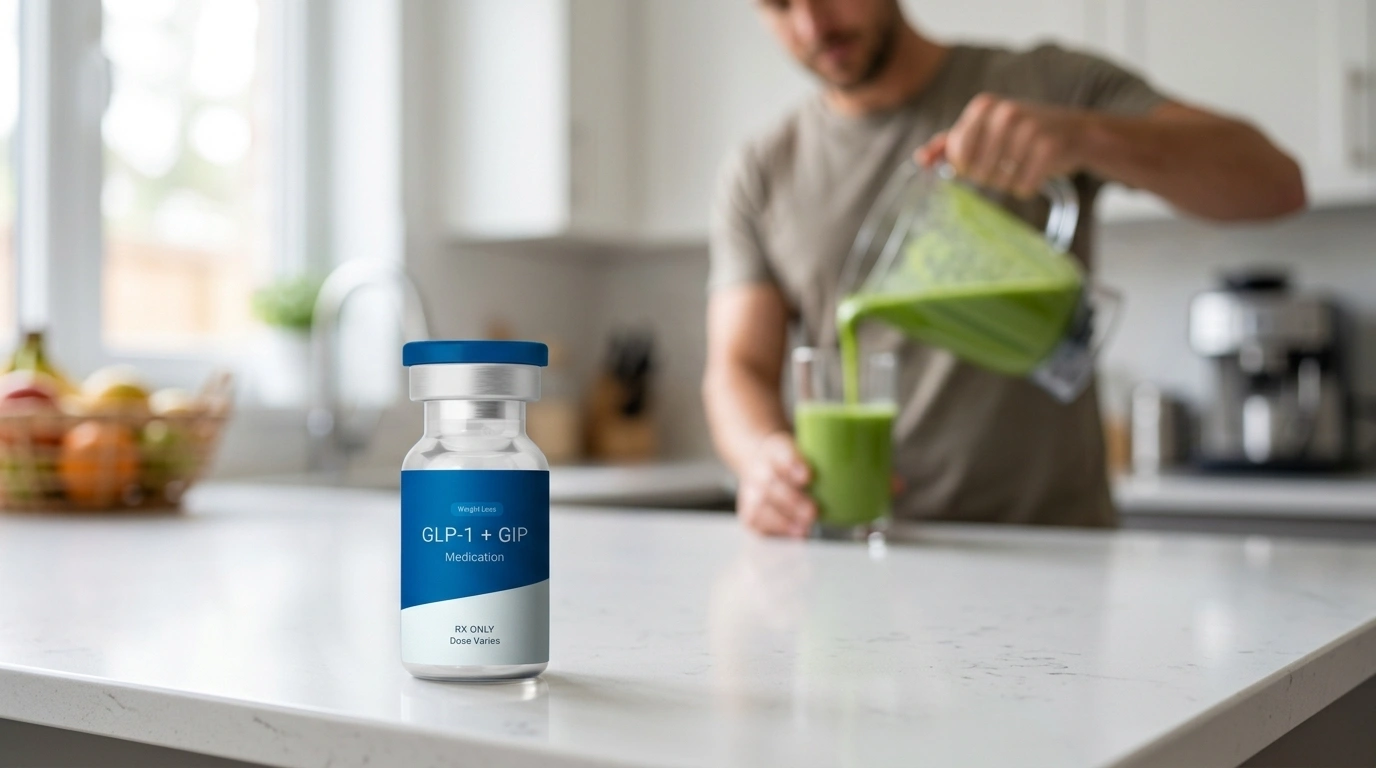
Tirzepatide is a dual agonist. It targets the GLP-1 receptor, but it also targets the glucose-dependent insulinotropic polypeptide (GIP) receptor. GIP is another hormone that helps regulate energy balance and fat metabolism. By activating both pathways, tirzepatide aims to provide a more comprehensive approach to metabolic regulation.
Quick Answer: Compounded semaglutide mimics one hormone (GLP-1) to reduce hunger and slow digestion. Compounded tirzepatide mimics two hormones (GLP-1 and GIP), which may lead to different metabolic effects and weight loss outcomes.
For another side-by-side explanation of these mechanisms, read how semaglutide and tirzepatide differ.
What is Compounded Semaglutide?
Compounded semaglutide is a customized version of the medication semaglutide, which is the active ingredient found in branded medications like Ozempic® and Wegovy®. While the branded versions are FDA-approved for specific uses, compounded semaglutide is prepared by specialized pharmacies to meet individual patient needs. These medications are often used when patients require a specific dosage or when there are shortages of branded products.
It is important to note that compounded semaglutide itself is not FDA-approved. However, the pharmacies we work with are FDA-registered and inspected, ensuring they follow strict quality and safety standards. This medication works primarily by mimicking the GLP-1 hormone, which helps you feel satisfied with smaller portions and reduces the frequency of “food noise”—the persistent thoughts about eating that can derail weight loss efforts.
Key Takeaway: Compounded semaglutide provides a tailored way to access GLP-1 therapy, focusing on appetite suppression and blood sugar regulation through a single hormone pathway.
If you are considering prescription GLP-1 treatment, you can complete a free eligibility assessment to begin the evaluation process.
What is Compounded Tirzepatide?
Compounded tirzepatide is the compounded version of the active ingredient found in branded medications like Mounjaro® and Zepbound®. Much like semaglutide, the branded versions have received FDA approval for managing type 2 diabetes or chronic weight management, while the compounded version is formulated by specialized pharmacies.
The inclusion of the GIP receptor agonist makes tirzepatide unique. Research suggests that GIP may help improve how the body breaks down sugar and fat. It may also help reduce some of the nausea sometimes associated with GLP-1 medications. For individuals who have not reached their goals on a single-agonist medication, this dual-action approach is often the next logical step in their clinical program.
Key Differences in How They Work
The primary distinction between these two options lies in their “receptor profile.” Think of these receptors like locks and the medications like keys.
- Semaglutide uses one key (GLP-1) to unlock metabolic benefits. It focuses heavily on the digestive tract and the brain’s satiety centers.
- Tirzepatide uses two keys (GLP-1 and GIP). This dual-action approach may provide a “synergistic” effect, potentially influencing how the body stores fat and responds to insulin more effectively than a GLP-1 agonist alone.
Gastric Emptying and Satiety Both medications slow down gastric emptying, which is the process of food moving from the stomach to the small intestine. This is why many people report feeling “fuller for longer.” However, the addition of the GIP component in tirzepatide may alter how the brain perceives reward from food, potentially further reducing cravings for high-calorie or high-fat items.
Clinical Weight Loss Results and Expectations
When comparing these two medications, it is helpful to look at the clinical data from the branded trials, as these provide a baseline for what the active ingredients can achieve.
Semaglutide Clinical Data The STEP (Semaglutide Treatment Effect in People with obesity) clinical trials for Wegovy® showed significant results. Participants without diabetes who used a 2.4 mg weekly dose, combined with lifestyle changes, lost an average of about 15% of their initial body weight over 68 weeks.
Tirzepatide Clinical Data The SURMOUNT clinical trials for Zepbound® observed even higher averages. In these studies, participants on the highest dose (15 mg) lost an average of about 20% to 22% of their body weight over 72 weeks.
| Feature | Compounded Semaglutide | Compounded Tirzepatide |
|---|---|---|
| Hormone Targets | GLP-1 only | GLP-1 and GIP |
| Primary Action | Appetite suppression & slowed digestion | Enhanced satiety & metabolic regulation |
| Typical Weight Loss | Average ~15% in clinical trials | Average ~20-22% in clinical trials |
| Common Branded Versions | Ozempic®, Wegovy® | Mounjaro®, Zepbound® |
It is essential to remember that individual results vary. Factors such as baseline weight, metabolic health, diet, and physical activity all play a role in how effective the medication will be for you.
For more discussion of clinical comparisons, review this guide to tirzepatide and semaglutide weight loss results.
Potential Side Effects and Management
Both medications are generally well-tolerated, but because they affect the digestive system, some side effects are common. Most side effects occur when the dose is increased and often subside as the body adjusts.
Common GI Symptoms
- Nausea
- Vomiting
- Diarrhea
- Constipation
- Abdominal pain
Why Side Effects Happen Because these medications slow down digestion, food stays in the stomach longer. This can lead to feelings of bloating or nausea, especially if you eat large meals or foods high in fat.
Managing Your Experience We recommend eating smaller, more frequent meals and staying hydrated. If you experience persistent nausea, we offer a GLP-1 Daily Support supplement that may help provide the nutrients your body needs during this transition. Additionally, our Weight Loss Boost supplement can support energy levels if you feel fatigued while your body adapts to a lower calorie intake.
Note: If side effects become severe or interfere with your daily life, it is crucial to consult your healthcare provider to adjust your dosage or discuss alternative strategies.
Comparing Administration and Dosage
Both compounded semaglutide and compounded tirzepatide are typically administered once a week via a subcutaneous injection—a small needle just under the skin of the thigh, abdomen, or upper arm.
The Escalation Schedule Both treatments follow a “titration” schedule. This means you start at a very low dose to allow your body to get used to the medication. Every four weeks, your provider may increase the dose until you reach your “maintenance dose.”
- Semaglutide usually starts at 0.25 mg per week and can increase up to 2.4 mg.
- Tirzepatide usually starts at 2.5 mg per week and can increase up to 15 mg.
This slow approach is designed to minimize side effects while maximizing the weight loss benefits. Because we offer a personalized program, your provider will monitor your progress and only move you to a higher dose when it is medically appropriate for you.
For additional information about the treatment process, read what to expect when getting weight loss injections.
Factors to Consider When Choosing a Treatment
Deciding between these two options involves looking at your health history and your specific goals. A licensed healthcare provider will help you weigh several factors.
1. Your Weight Loss Goals If you have a significant amount of weight to lose or have struggled with other GLP-1 medications, the dual-action approach of tirzepatide might be recommended due to its higher average weight loss in clinical trials.
2. Your Sensitivity to Side Effects Some people find they tolerate one medication better than the other. While tirzepatide may lead to more weight loss, some individuals find that the single-hormone approach of semaglutide is sufficient for their needs and easier on their digestive system.
3. Previous Experiences If you have tried a GLP-1 agonist in the past and experienced a plateau, switching to a dual-agonist like tirzepatide may help “restart” your progress by engaging the GIP pathway.
4. Metabolic Conditions Individuals with specific concerns like insulin resistance or polycystic ovary syndrome (PCOS) may respond differently to each medication. Your provider will review your lab work to determine which pathway is most likely to support your metabolic health.
When you are ready to discuss eligibility and treatment options, take the free assessment quiz.
The Importance of a Personalized Program
Medication is a powerful tool, but it works best when integrated into a holistic program. At TrimRx, we do not believe in just “sending a vial.” We provide a comprehensive platform that connects you with medical expertise and ongoing support.
Our approach includes:
- Medical Oversight: You will have a telehealth consultation with a licensed provider who reviews your health profile and goals.
- Quality Sourcing: All compounded medications are shipped from FDA-registered and inspected pharmacies.
- Continuous Support: You have 24/7 access to specialists who can answer questions about dosage, side effects, or lifestyle adjustments.
- Transparent Care: We include shipping and all consultations in our program, so there are no hidden surprises as you move through your journey.
We focus on sustainable weight loss. This means helping you lose weight while maintaining muscle mass and establishing habits that will serve you long after you reach your target weight.
To learn more about obtaining GLP-1 medication through telehealth, explore how online access to GLP-1 treatment works.
Starting Your Journey with TrimRx
Starting a new health program can feel overwhelming, but we have designed our process to be as straightforward as possible. You do not need to sit in a waiting room or navigate complex insurance hurdles.
Step 1: Complete the Free Assessment Quiz The first step is a digital assessment where you share your medical history, current weight, and goals. This helps our partner providers understand if you are a candidate for GLP-1 or GIP therapy.
Step 2: Virtual Provider Consultation A licensed provider will review your information. They may order lab work to get a clear picture of your metabolic health. Together, you will decide if compounded semaglutide or compounded tirzepatide is the right fit.
Step 3: Personalized Treatment Plan Once approved, your medication is prepared by one of our partner compounding pharmacies. It is shipped directly to your door in discreet packaging, along with all the supplies you need for administration.
Step 4: Ongoing Monitoring and Adjustments As you begin your weekly injections, you will stay in touch with our team. We monitor how you are feeling and how your body is responding, adjusting your dosage as needed to ensure you stay on track toward your goals.
Myths vs. Facts About Compounded Medications
Myth: Compounded medications are lower quality than branded ones. Fact: Compounded medications are prepared in specialized pharmacies. While not FDA-approved like the branded drugs, the pharmacies we use are FDA-registered and inspected, adhering to rigorous safety protocols to ensure quality and potency.
Myth: You will gain all the weight back immediately if you stop the medication. Fact: Weight regain can happen with any weight loss method if lifestyle changes are not maintained. However, a personalized program focuses on metabolic health and habit formation to help you sustain your results long-term.
Myth: These medications are “cheating” or the “easy way out.” Fact: Obesity and metabolic dysfunction are complex medical conditions, not failures of willpower. These medications address the biological drivers of hunger and insulin resistance, making it possible for lifestyle changes to finally be effective.
Nutritional Support for Better Outcomes
While semaglutide and tirzepatide handle the hormonal side of weight loss, what you eat still matters. Because you will be eating less, it is vital that the food you do consume is nutrient-dense.
Focus on Protein Protein is essential for maintaining lean muscle mass while losing fat. We encourage our members to prioritize high-quality protein sources like lean meats, beans, tofu, and Greek yogurt.
Hydration and Electrolytes Slower digestion can sometimes lead to dehydration. Drinking plenty of water is essential. Many of our members find that adding electrolytes can help mitigate some of the minor headaches or fatigue that can occur during the first few weeks of treatment.
Fiber for Digestion Since constipation is a potential side effect, maintaining a high fiber intake through vegetables, fruits, and whole grains is a proactive way to keep your digestive system moving smoothly.
Conclusion
Both compounded semaglutide and compounded tirzepatide are effective tools for weight management, but they offer different pathways to success. Semaglutide focuses on the GLP-1 pathway to control appetite, while tirzepatide adds the GIP receptor for a dual approach to metabolic health. At TrimRx, we are dedicated to helping you navigate these choices through a science-backed, empathetic, and personalized program. We provide the medical supervision and high-quality medications you need to take control of your health without the barriers of traditional in-person visits. Whether you are just starting or looking to switch treatments, our team is here to support every step of your transformation.
Key Takeaway: The “better” medication is the one that fits your unique biology and lifestyle. A personalized medical consultation is the most effective way to determine your path forward.
Your Next Step Are you ready to see which program is right for your body? Take our free assessment quiz today to begin your personalized weight loss journey.
FAQ
Is tirzepatide more effective than semaglutide?
Clinical trials for the branded versions of these medications showed that tirzepatide typically resulted in a higher percentage of body weight loss compared to semaglutide. However, “effectiveness” is individual; some people achieve their goals perfectly well on semaglutide or find it better suited to their lifestyle. A provider will help you determine which medication matches your specific metabolic needs.
For more context, review this comparison of tirzepatide and semaglutide.
Can I switch from semaglutide to tirzepatide?
Yes, many patients switch between these medications under medical supervision. This is often done if a patient hits a plateau in their weight loss or if they believe the dual-action of tirzepatide might offer better results. Your provider will manage the transition by adjusting your starting dose of the new medication to ensure safety and comfort.
Are compounded medications safe to use?
Compounded medications are a long-standing part of pharmacy practice, used when specific patient needs cannot be met by mass-produced drugs. While they are not FDA-approved, the compounding pharmacies TrimRx works with are FDA-registered and strictly inspected. This ensures that the medications are prepared under high standards of quality and safety.
Do I need to follow a specific diet while on these medications?
There is no “required” diet, but these medications work best when paired with healthy lifestyle choices. Because your appetite will be reduced, focusing on protein-rich foods and nutrient-dense vegetables is important to maintain muscle and energy. We provide guidance and supplements like GLP-1 Daily Support to help you optimize your nutrition during the program.
Disclaimer: This content is for informational purposes only and does not constitute medical advice. It is not intended to diagnose, treat, cure, or prevent any disease or condition. Individual results may vary. Always consult a qualified healthcare professional before starting any weight loss program or medication.

Transforming Lives, One Step at a Time
Keep reading

Why Did Tirzepatide Stop Working After Three Months of Fast Loss?
Five things explain almost all of it, and the first is the least satisfying: the fast stretch was never going to last. Weight loss…

Feeling Worse and Losing Slower on a Higher Dose of Tirzepatide?
It happens, it is more common than the dose-response charts suggest, and there are four explanations worth separating before you conclude the increase was…

Why Increase Tirzepatide If a Lower Dose Is Already Working?
Because escalation schedules are built around average results rather than yours, and your provider does not yet know whether you are someone who will…


