How Long Is Tirzepatide Good For? Storage and Stability Tips
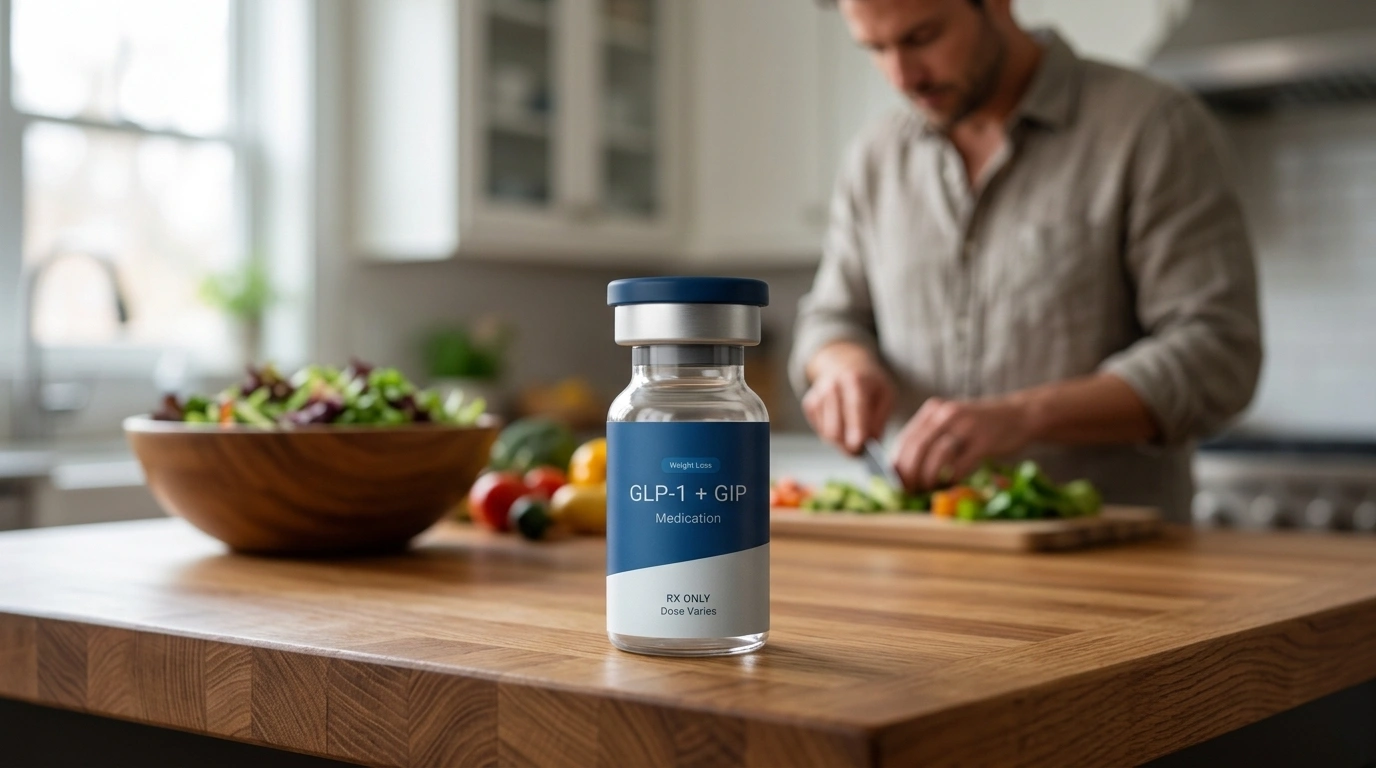
Table of Contents
- Introduction
- What Is Tirzepatide and How Does It Work?
- The Shelf Life of Tirzepatide: A Detailed Breakdown
- Compounded Tirzepatide: Beyond Use Dates (BUD)
- The Science of Peptide Stability
- Signs Your Tirzepatide May Have Expired or Spoiled
- Best Practices for Storing Your Medication
- What to Do If Your Medication Gets Too Warm
- Starting Your Journey with Support
- FAQ
Introduction
Taking the first step toward better metabolic health is a significant commitment. Whether you are managing your weight or focusing on long-term wellness, consistency is the key to seeing results. However, many people find the logistical side of treatment—like proper storage and expiration dates—a bit confusing. You may wonder how long a vial stays fresh in the refrigerator or what happens if you accidentally leave your medication on the counter overnight. At TrimRx, we believe that understanding the science behind your treatment is just as important as the treatment itself. This post covers everything you need to know about the shelf life of tirzepatide, how to store it correctly, and how to tell if your medication is no longer safe to use. By the end of this article, you will have a clear roadmap for protecting the integrity of your medication so you can focus on your health goals.
What Is Tirzepatide and How Does It Work?
Tirzepatide is a specialized medication known as a dual agonist. In plain English, this means it mimics two natural hormones in your body: glucagon-like peptide-1 (GLP-1) and glucose-dependent insulinotropic polypeptide (GIP). These hormones play a vital role in how your body processes sugar and signals fullness to your brain.
When these pathways are activated, your digestion slows down, and your brain receives signals that you are satisfied with less food. This dual-action approach is why tirzepatide is a cornerstone of many modern weight management programs. Because it is a “peptide,” it is essentially a short chain of amino acids. Peptides are highly effective but also delicate. Their chemical structure can break down if they are exposed to harsh conditions, which is why understanding storage timelines is so critical for maintaining the medication’s potency.
The Shelf Life of Tirzepatide: A Detailed Breakdown
The answer to “how long is tirzepatide good for” depends largely on how it is stored and whether the container has been opened. Most manufacturers and pharmacies provide specific guidelines to ensure the medication remains stable and effective.
Refrigerated Storage vs. Room Temperature
For the best results, tirzepatide should always be stored in the refrigerator between 36°F and 46°F (2°C to 8°C). When kept at this temperature, the medication is typically stable until the expiration date printed on the original packaging. This date is determined by the manufacturer after rigorous testing to see how long the peptide remains chemically active.
However, life happens. You might travel, or you might accidentally leave your medication out after an injection. Most versions of this medication can stay at room temperature—specifically below 86°F (30°C)—for up to 21 days. If the medication has been out of the fridge for longer than three weeks, it should be discarded, even if there is still liquid left in the pen or vial.
The 21-Day Room Temperature Window
It is important to note that the 21-day room temperature rule is not a suggestion; it is a limit based on the rate at which the peptide bonds begin to degrade. Once the medication reaches room temperature, the clock starts. Even if you put it back in the refrigerator later, those 21 days of cumulative “warm time” still apply.
Quick Answer: Tirzepatide is generally good until its expiration date when kept in the refrigerator. Once moved to room temperature, it typically remains effective for up to 21 days, provided it is kept away from extreme heat and direct light.
Compounded Tirzepatide: Beyond Use Dates (BUD)
When you access treatment through a personalized program like the ones we facilitate, you may receive compounded tirzepatide. It is important to distinguish between branded products and compounded ones. Compounded tirzepatide is prepared by licensed, FDA-registered, and inspected compounding pharmacies to meet specific patient needs or address supply shortages.
Understanding the BUD
Compounded medications do not have traditional “expiration dates.” Instead, they use something called a Beyond Use Date (BUD). This date is determined by the compounding pharmacist based on the stability of the ingredients and the environment in which the medication was prepared.
- Unopened Vials: Often have a BUD ranging from 30 to 90 days, depending on the pharmacy’s specific formulation.
- Opened (Punctured) Vials: Once you insert a needle into a multi-dose vial, a new clock starts. Regardless of the BUD on the label, most clinical guidelines recommend discarding a punctured vial after 28 days to prevent bacterial contamination.
At TrimRx, the pharmacies we work with provide clear labeling so you always know exactly when your specific batch should be used.
The Role of FDA-Registered Compounding Pharmacies
Because compounded medications are not FDA-approved in the same way as mass-produced drugs, the standards of the pharmacy matter immensely. The pharmacies in our network are strictly inspected and follow high-quality standards to ensure the stability of the medication. This ensures that the tirzepatide you receive is prepared with the same attention to detail as any other prescription medication.
The Science of Peptide Stability
To understand why storage is so strict, we have to look at the chemistry of the medication. Tirzepatide is a biological molecule. Think of it like a complex 3D puzzle. For the “puzzle” to fit into the receptors in your body, it must maintain a very specific shape.
Temperature Sensitivity and Molecular Breakdown
When a peptide gets too warm, the heat adds energy to the molecules, causing them to vibrate. Eventually, these vibrations can break the delicate bonds holding the peptide in its specific shape. This process is called denaturation. Once the molecule is denatured, it can no longer bind to the GLP-1 or GIP receptors effectively. While using “spoiled” tirzepatide is generally not considered toxic, it simply won’t work. This leads to stalled progress and a return of appetite.
The Risks of Light Exposure
Light, especially ultraviolet (UV) light from the sun, can also trigger chemical reactions within the liquid. This is why many vials are made of amber-colored glass or why pens are designed with opaque casings. Constant exposure to light can cause the medication to break down even faster than heat does.
Key Takeaway: Proper storage isn’t just about safety; it is about protecting your investment in your health. Temperature and light protection ensure the medication stays chemically “strong” enough to do its job.
Signs Your Tirzepatide May Have Expired or Spoiled
Even if you are within the expiration or BUD window, you should always inspect your medication before every dose. Pharmaceutical-grade tirzepatide should be a clear, colorless to slightly yellowish liquid. It should look like plain water.
Do not use the medication if you notice any of the following:
- Cloudiness: The liquid should never look milky or foggy.
- Particulates: If you see “floaties,” flakes, or tiny crystals in the liquid, the medication has likely stabilized or been contaminated.
- Color Change: While a very slight yellow tint can be normal for some formulations, any dramatic shift in color is a red flag.
- Frozen Liquid: If your refrigerator is too cold and the medication freezes, it must be discarded. Freezing permanently destroys the peptide structure.
If you are ever unsure about the appearance of your medication, the safest step is to contact a healthcare provider or your pharmacy for guidance.
Best Practices for Storing Your Medication
Managing your supply effectively ensures that every dose you take is as potent as the first one. Follow these simple steps to maintain the quality of your tirzepatide.
Home Storage Strategy
Step 1: Find the “Goldilocks Zone.” Store your medication in the middle of the refrigerator. Avoid the door, where the temperature fluctuates every time you open it, and avoid the very back, where items are prone to freezing.
Step 2: Keep it in the box. The original packaging is designed to protect the vial or pen from light. Keeping it in the box also keeps the expiration date and instructions handy.
Step 3: Monitor your fridge. If you live in an area with frequent power outages, consider a small battery-operated refrigerator thermometer. This allows you to verify that the temperature stayed within the safe range during a surge.
Travel Tips and Cold Chain Maintenance
Traveling shouldn’t interrupt your weight loss progress. If you are flying or driving, you can keep your tirzepatide safe with a few precautions:
- Use a travel cooler: Small, insulated medical bags designed for insulin are perfect for tirzepatide vials and pens.
- Avoid direct ice contact: Don’t let the vial touch an ice pack directly, as this could freeze the medication. Wrap the vial in a paper towel first.
- Keep it in your carry-on: Never put your medication in checked luggage. The cargo hold of an airplane can experience extreme temperature shifts and pressure changes that could damage the medication.
What to Do If Your Medication Gets Too Warm
If you realize your medication was left out or your refrigerator failed, don’t panic. Check the thermostat or estimate how long it has been at room temperature. If it has been less than 21 days and the temperature stayed below 86°F, the medication is likely still effective.
However, if the medication feels hot to the touch or was exposed to direct sunlight on a windowsill or in a car, it is safer to dispose of it. Using degraded medication may result in an ineffective dose, which can disrupt your metabolic rhythm and make it harder to reach your goals.
Starting Your Journey with Support
Navigating the world of GLP-1 and GIP medications can feel complex, but you don’t have to do it alone. We focus on making the process as transparent and supportive as possible. Our platform connects you with licensed providers who can determine if tirzepatide is the right fit for your body and your history.
Beyond the prescription, we provide the tools you need to succeed, from lab work to ongoing specialist access. If you’re ready to see how a personalized program can change your approach to weight management, the first step is simple. By taking our free assessment quiz, you can provide the necessary information for a clinical review, ensuring that your path to health is safe, supervised, and tailored to you.
If you want a deeper look at related storage guidance, see our guide on how to store compounded semaglutide or tirzepatide at home.
Our mission is to help you embrace a healthier lifestyle through science and empathy. Whether you are curious about the differences between compounded options or just need help managing your schedule, our team is here to guide you every step of the way.
FAQ
Can I still use tirzepatide if it was accidentally frozen?
No, you should not use tirzepatide if it has been frozen. Freezing temperatures break the delicate chemical bonds of the peptide, rendering the medication ineffective. Even if it thaws and looks clear, the molecular structure has been compromised and should be discarded.
How long does a multi-dose vial of tirzepatide last after the first use?
Once a vial has been punctured with a needle, it is generally recommended to use or discard it within 28 days. This is primarily due to safety concerns regarding sterility and the risk of bacterial growth, even if the medication itself remains chemically stable for longer.
What should I do if my medication looks cloudy?
If your tirzepatide appears cloudy, contains visible particles, or has changed color significantly, do not inject it. These are signs that the medication has spoiled or become contaminated. Contact your healthcare provider or pharmacy to discuss getting a replacement.
Is it safe to use tirzepatide one week past its expiration date?
It is not recommended to use any medication past its expiration or Beyond Use Date. While it may not be harmful, the manufacturer or pharmacy cannot guarantee the potency or safety of the drug after that date, which may lead to poor weight loss results. If you are unsure whether it is still right for you, take the free assessment quiz to see whether a personalized program is a fit.
Disclaimer: This content is for informational purposes only and does not constitute medical advice. It is not intended to diagnose, treat, cure, or prevent any disease or condition. Individual results may vary. Always consult a qualified healthcare professional before starting any weight loss program or medication.

Transforming Lives, One Step at a Time
Keep reading

Getting Weaker Lifting Weights on Tirzepatide? What to Change
Fuel is the usual culprit, not muscle loss, and that distinction changes what you should do about it. Strength in the gym depends on…

Cholesterol Got Worse After Starting Tirzepatide Despite Weight Loss?
Timing is the most likely explanation. Lipid values measured during an active phase of fat loss can look worse than they did before and…
Elevated Liver Enzymes on Tirzepatide: Is Fast Weight Loss the Cause?
Possibly, and the more useful question is which direction they are moving and what they were before you started. A single elevated result is…


