How Much Weight Loss on 10mg Zepbound: Realistic Results
Introduction
Standing on a scale after weeks of effort only to see the same number can be one of the most discouraging moments in a weight loss journey. Many individuals find that while initial progress is exciting, reaching a sustainable maintenance level requires a more robust clinical approach. If you are researching how much weight loss on 10mg zepbound is typical, you are likely looking for a balance between efficacy and tolerability. At TrimRx, we understand that weight management is not just about willpower; it is a complex biological process that often requires personalized medical intervention. This article will explore the clinical data behind the 10mg dose, what participants experienced in major trials, and how a structured program can support your goals. By understanding the data, you can set realistic expectations for your own metabolic health transformation.
Quick Answer: In clinical trials, individuals taking the 10mg dose of tirzepatide (the active ingredient in Zepbound®) achieved an average weight loss of approximately 21.4% of their body weight over 72 weeks. This represents a significant reduction, often totaling between 45 and 50 pounds depending on the starting weight.
If you are exploring whether prescription support may be appropriate for your situation, you can complete a free eligibility assessment.
The Science of Tirzepatide: A Dual-Action Approach
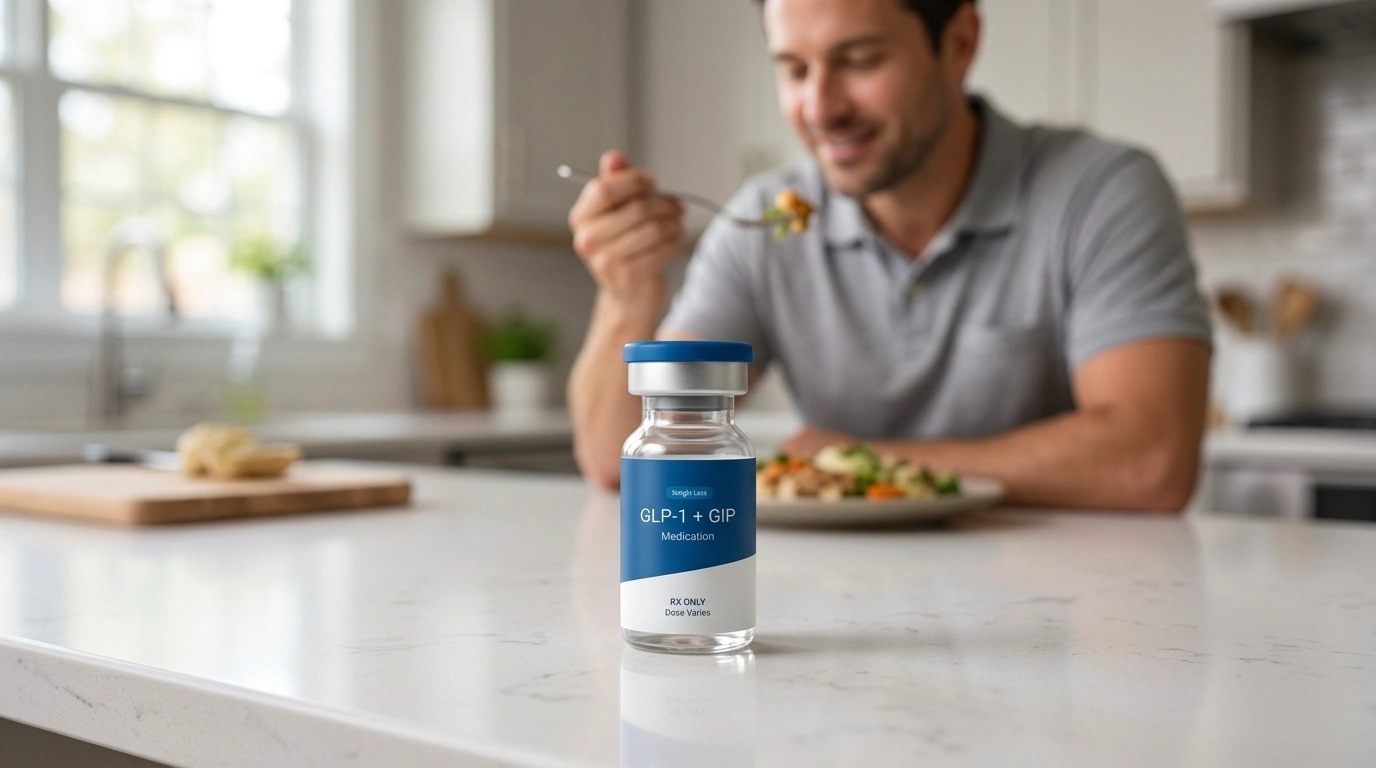
To understand the results of the 10mg dose, it is essential to understand the medication itself. Zepbound® contains tirzepatide, a medication known as a dual GIP (glucose-dependent insulinotropic polypeptide) and GLP-1 (glucagon-like peptide-1) receptor agonist. While many other weight loss medications only target the GLP-1 pathway, tirzepatide targets two different hunger-related hormones.
GLP-1 is a hormone naturally produced in the gut that signals the brain when you are full. It also slows down gastric emptying, which means food stays in your stomach longer, helping you feel satisfied with smaller portions. GIP is another hormone that complements this process by improving how the body breaks down sugar and fat. Together, these two “incretin” hormones work in tandem to reduce appetite and improve metabolic efficiency.
By mimicking these natural pathways, the medication helps quiet “food noise”—those intrusive, constant thoughts about eating—making it much easier to adhere to a reduced-calorie diet. When you reach the 10mg dose, the concentration of these hormones in your system is significantly higher than at the starting doses, which is why the weight loss results often become more pronounced at this stage.
For a broader explanation of this mechanism, read how GLP-1 medications work.
How Much Weight Loss on 10mg Zepbound: The Clinical Data
The most reliable data regarding weight loss outcomes comes from the SURMOUNT-1 clinical trial. This study followed over 2,500 adults with obesity or overweight and at least one weight-related health condition. The participants were divided into groups receiving different doses: 5mg, 10mg, and 15mg.
For additional context on the research, explore what tirzepatide weight loss results show.
Weight Loss Percentages
For those specifically looking at the 10mg cohort, the results were substantial. After 72 weeks of consistent treatment combined with lifestyle modifications, participants on the 10mg dose lost an average of 21.4% of their total body weight.
To put this into perspective, if an individual started at 230 pounds, a 21.4% loss would equal approximately 49 pounds. In comparison, those on the 5mg dose lost about 15% to 16%, while the 15mg dose yielded roughly 22.5%. This indicates that the 10mg dose is a highly effective “sweet spot” for many, providing near-maximal results with potentially fewer side effects than the highest possible dose.
Waist Circumference and Fat Loss
The trial did not just measure the number on the scale. Participants on the higher maintenance doses (10mg and 15mg) saw an average reduction of 6 to 7 inches in their waist circumference. This is a critical metric because abdominal fat, also known as visceral fat, is closely linked to cardiovascular health risks and metabolic syndrome.
Key Takeaway: The 10mg dose of tirzepatide offers a significant clinical advantage, often resulting in over 20% body weight reduction when maintained over a year or more.
The Dosing Schedule: Why the 10mg Level Matters
No one starts their treatment at 10mg. The standard protocol involves a process called titration. This means starting at a very low dose, usually 2.5mg, to allow your body to adjust to the medication. Every four weeks, a provider may increase the dose based on how well you are tolerating the treatment and your specific weight loss progress.
The 10mg dose is considered a maintenance dose. By the time an individual reaches this level, they have usually been on the medication for at least 12 weeks. This progression is vital for two reasons:
- Minimizing Side Effects: Slowly increasing the dose helps the digestive system adapt to the slower gastric emptying.
- Overcoming Plateaus: If weight loss stalls at 5mg or 7.5mg, moving to 10mg provides the additional hormonal support needed to re-ignite the body’s fat-burning processes.
For a week-by-week overview, review this tirzepatide dosing and titration guide.
We emphasize a personalized approach because every metabolism reacts differently. Some individuals find great success at lower doses and never need to move up to 10mg, while others require that higher concentration to achieve the clinical benchmarks seen in the SURMOUNT trials.
If you want to discuss whether a personalized prescription program may be appropriate, take the free assessment quiz.
Factors That Influence Your Results
While the clinical data provides a helpful average, your individual experience may vary. Several factors influence how much weight you can expect to lose at the 10mg level.
Metabolic Health and Starting Weight
Individuals with a higher starting Body Mass Index (BMI) may see larger absolute numbers in terms of pounds lost, even if the percentage remains consistent with clinical averages. Furthermore, those with underlying metabolic conditions, such as Type 2 diabetes, may lose weight at a slightly slower rate than those without it. In study 2 of the tirzepatide trials, which focused on participants with diabetes, the average weight loss for the 10mg dose was approximately 12.8% to 15%, which is still clinically significant but lower than the 21.4% seen in non-diabetic cohorts.
Consistency and Duration
Weight loss with GLP-1 and GIP medications is a marathon, not a sprint. The most dramatic results are seen at the 72-week mark. Consistency in taking your weekly dose is paramount. Skipping doses can cause the medication levels in your blood to fluctuate, which may lead to a return of hunger cues and slower progress.
For a closer look at how results can develop over time, read what to expect from tirzepatide after three months.
Lifestyle Integration
Medication is a powerful tool, but it works best as part of a “whole-person” strategy. Clinical trials combined the medication with a reduced-calorie diet and increased physical activity.
- Protein Intake: Consuming adequate protein is essential to ensure that the weight you lose is primarily fat rather than lean muscle mass.
- Resistance Training: Incorporating strength exercises helps maintain your metabolic rate as you lose weight.
- Hydration: Staying hydrated can help mitigate common digestive side effects and support overall cellular function.
For those looking to optimize their journey, we offer quick-access supplements like Weight Loss Boost and GLP-1 Daily Support, which are designed to complement the nutritional needs of individuals on these programs.
Readers interested in metabolic support during weight loss can explore the Weight Loss Boost supplement.
| Dose Level | Average Weight Loss (%) | Average Pounds Lost (if 230 lbs) |
|---|---|---|
| 5mg | 15% – 16% | ~35 lbs |
| 10mg | 21.4% | ~49 lbs |
| 15mg | 22.5% | ~52 lbs |
Managing Side Effects at the 10mg Level
As the dosage increases, the likelihood of side effects can also increase. Most side effects are gastrointestinal and occur shortly after the dose is administered or when transitioning to a higher level.
For more information about common symptoms and practical considerations, read this guide to common GLP-1 side effects.
Common side effects include:
- Nausea
- Diarrhea
- Constipation
- Indigestion or upset stomach
- Vomiting
In the SURMOUNT-1 trial, about 7.1% of participants on the 10mg dose discontinued treatment due to side effects. However, the vast majority found these symptoms to be mild to moderate and manageable over time. To help manage these, we recommend eating smaller, more frequent meals and avoiding high-fat or fried foods, which can be harder for a slowed digestive system to process. If side effects become severe or persistent, it is essential to consult with a licensed healthcare provider to discuss a dose adjustment.
Note: If you experience severe abdominal pain, persistent vomiting, or signs of an allergic reaction, seek medical attention immediately. Always work closely with a healthcare professional to monitor your body’s response to medication.
The TrimRx Difference: A Personalized Telehealth Approach
Navigating the world of weight loss medications can be overwhelming. Branded medications like Ozempic®, Wegovy®, Mounjaro®, and Zepbound® are well-known, but they are not the only path to achieving significant results. Our platform connects you with licensed providers who can evaluate your health history and determine the best course of action for your unique needs.
We provide access to Compounded Tirzepatide and Compounded Semaglutide, which are prepared by FDA-registered and inspected compounding pharmacies. This is a vital distinction: while compounded medications are not themselves “FDA-approved,” they allow for greater flexibility and accessibility when branded versions may be facing shortages or high costs.
When you choose our program, you are not just getting a prescription; you are getting a comprehensive support system.
- No Waiting Rooms: Everything is handled online through our telehealth platform.
- Personalized Programs: Your treatment plan is based on your specific health profile and goals.
- Transparency: There are no hidden fees. Your program includes the consultation, medication, and shipping.
- Dedicated Support: You have access to a team of specialists to guide you through side effect management and lifestyle changes.
For an overview of the telehealth process, explore what to expect from an online weight loss provider.
How to Get Started
If you are ready to see if a 10mg maintenance dose or a similar clinical program is right for you, the process is designed to be straightforward and supportive.
Step 1: Take the Assessment Quiz The first step is a free, comprehensive health assessment. This quiz asks about your medical history, current weight, goals, and any previous weight loss attempts. This information helps our affiliated providers understand if you are a candidate for GLP-1 or GIP therapy.
Step 2: Provider Consultation A licensed healthcare provider will review your assessment and, if necessary, order lab work. They will then determine the appropriate starting medication and dosage for your specific needs.
Step 3: Medication Delivery Once your treatment plan is approved, your medication is shipped directly from an FDA-registered compounding pharmacy to your door. You will receive clear instructions on how to administer the treatment and what to expect during the first few weeks.
Step 4: Ongoing Support As you move through the titration process—potentially toward that 10mg maintenance dose—our team remains available to answer questions, track your progress, and adjust your program as needed.
Conclusion
Determining how much weight loss on 10mg zepbound is possible provides a clear target for those struggling with chronic weight management. With clinical data showing an average of 21.4% body weight reduction, this dose represents a powerful tool in the fight against obesity and its related complications. However, the medication is only one piece of the puzzle. Sustainable success comes from combining advanced science with consistent lifestyle habits and professional guidance.
Our mission is to empower you to take control of your health through a compassionate, telehealth-first approach. We believe that everyone deserves access to the latest medical advancements in a way that fits their life and budget. Whether you are just beginning to explore medication or are looking for a more personalized support system, we are here to guide you every step of the way.
Key Takeaway: Real weight loss is achieved through a combination of biological support and behavioral change. Clinical data supports the 10mg dose as a highly effective maintenance level for long-term success.
Ready to start your journey? Your first step is our simple health assessment.
FAQ
Is the 10mg dose more effective than the 5mg dose?
Clinical trials show that the 10mg dose typically leads to greater weight loss than the 5mg dose. In the SURMOUNT-1 study, those on 10mg lost an average of 21.4% of their body weight, compared to 16% for those on the 5mg dose. However, the best dose for you depends on your individual response and how well you tolerate the medication.
How long does it take to reach the 10mg dose?
Most patients follow a titration schedule that increases the dose every four weeks. You would typically start at 2.5mg for four weeks, move to 5mg for four weeks, then 7.5mg for four weeks, reaching the 10mg dose in your fourth month of treatment. This slow progression helps your body adjust and minimizes potential side effects.
For more detail on starting safely, read what dose of tirzepatide to start with.
What happens if I stop losing weight at 10mg?
If your weight loss plateaus at the 10mg level, a healthcare provider may recommend increasing your dose to 12.5mg or 15mg. They may also suggest re-evaluating lifestyle factors like protein intake, physical activity, and sleep. Metabolic adaptation is a natural part of weight loss, and sometimes small adjustments to your routine or dose are needed to restart progress.
For additional perspective on plateaus and long-term progress, explore metabolic adaptation during weight loss.
Do I have to take Zepbound® specifically to see these results?
The results seen in clinical trials are based on the active ingredient, tirzepatide. While Zepbound® is the branded version approved for weight loss, many patients access the same active ingredient through compounded tirzepatide. When sourced from reputable, FDA-registered compounding pharmacies and overseen by a licensed provider, these programs aim to achieve similar metabolic support.
If you are considering prescription treatment, you can see whether a personalized program may be appropriate.
Disclaimer: This content is for informational purposes only and does not constitute medical advice. It is not intended to diagnose, treat, cure, or prevent any disease or condition. Individual results may vary. Always consult a qualified healthcare professional before starting any weight loss program or medication.

Transforming Lives, One Step at a Time
Keep reading

Surfing on Zepbound: Paddling Strength, Cold Water, and Dawn Patrol
Surfing asks a lot of your body. Paddling out through broken waves takes shoulder, back, and core strength. Cold water drains energy. Dawn sessions…

Skydiving on Zepbound: Planning a Tandem Jump
For many people who have lost weight, a skydive is a goal they set years ago and finally feel ready for. Some dropzones have…
A Day at the Renaissance Faire on Zepbound
A Renaissance faire is a full day out: jousts, stage shows, artisan stalls, dusty lanes, and food built for spectacle, from giant turkey legs…


