Understanding Mounjaro Dosing: Can I Double My Dose?
Introduction
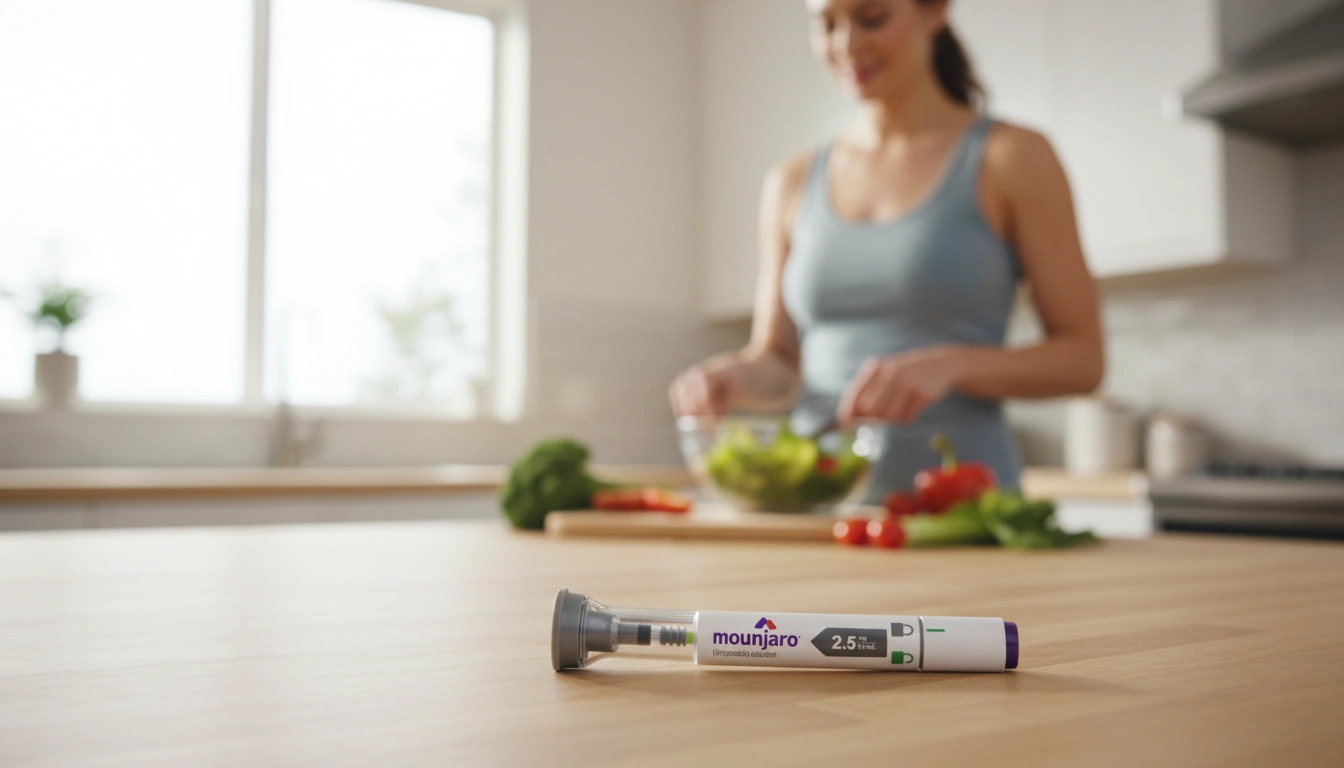
Embarking on a weight loss journey, especially with powerful tools like Mounjaro, often brings with it a host of questions about optimization, effectiveness, and safety. Many individuals find themselves pondering how to maximize the benefits of their prescribed medication, and a common thought that arises is whether adjusting the dosage independently, perhaps even doubling it, could accelerate results. This contemplation is natural, stemming from a desire to achieve health goals more rapidly or to overcome perceived plateaus. However, when it comes to prescription medications, particularly those with complex mechanisms of action like Mounjaro, the path to efficacy is intricately tied to adherence to medical guidance and a deep understanding of the therapeutic process.
Mounjaro (tirzepatide) represents a significant advancement in the landscape of weight management and the treatment of type 2 diabetes. As a dual GIP and GLP-1 receptor agonist, it works by influencing key metabolic pathways, leading to improved blood sugar control and significant weight reduction. Its profound impact underscores the importance of precise, medically supervised dosing. Deviating from a prescribed regimen without professional oversight can introduce unforeseen risks and undermine the very goals you’re striving to achieve.
In this comprehensive guide, we will delve into the critical aspects of Mounjaro dosing. Our purpose is to provide clarity on the question, “can I double my Mounjaro dose?” by exploring the science behind the medication, the potential dangers of self-adjustment, and the proper, safe pathways to optimize your treatment. We will outline why sticking to your doctor’s instructions is paramount, how to recognize signs that your current dose is working, and when it might be appropriate to discuss a dose adjustment with a healthcare professional. We will also highlight TrimRx’s commitment to personalized, medically supervised care, ensuring your journey is supported by science, empathy, and transparency.
By the end of this article, you will gain a deeper understanding of Mounjaro’s nuanced role in your health journey, empowering you to make informed decisions in partnership with your medical team. We will guide you through the implications of dosage changes, both intended and accidental, and introduce you to our holistic approach to weight loss, which combines clinically proven medications with supportive quick-access supplements designed to enhance your overall well-being. This discussion will be structured to provide you with actionable insights and clarify the role of professional guidance in achieving sustainable weight loss.
The Foundation of Mounjaro Dosing: Why Self-Adjustment Is Not an Option
The question, “can I double my Mounjaro dose?” is a significant one, and for your safety and treatment effectiveness, the unequivocal answer is no. Doubling your Mounjaro dose or making any unauthorized changes to your prescribed regimen is strongly discouraged by manufacturers, healthcare professionals, and regulatory bodies. The reasons behind this firm recommendation are deeply rooted in the rigorous science and safety protocols that govern prescription medications.
Understanding Mounjaro’s Powerful Mechanism
Mounjaro, with its active ingredient tirzepatide, operates as a dual agonist on both glucose-dependent insulinotropic polypeptide (GIP) and glucagon-like peptide-1 (GLP-1) receptors. This unique dual action sets it apart, allowing it to influence several physiological processes critical for glucose regulation and appetite control:
- Enhanced Insulin Secretion: Tirzepatide stimulates the pancreas to release insulin only when blood sugar levels are high, reducing the risk of hypoglycemia.
- Suppressed Glucagon Release: It lowers glucagon secretion, a hormone that raises blood sugar, further contributing to glucose control.
- Slowed Gastric Emptying: By delaying how quickly food leaves the stomach, it promotes feelings of fullness and reduces overall food intake.
- Appetite Regulation: It acts on appetite centers in the brain, leading to reduced hunger and cravings, which are key to successful weight management.
These actions are potent and carefully calibrated to achieve therapeutic effects within specific dosage ranges. The efficacy and safety of Mounjaro, including medications like Mounjaro® and Zepbound®, have been established through extensive clinical trials conducted with predefined dosages and titration schedules. These studies are designed to identify the optimal balance between therapeutic benefit and manageable side effects.
The Dangers of Unapproved Dose Increases
When considering whether one can simply double a Mounjaro dose, it’s crucial to understand the inherent risks that such an action would entail:
Lack of Safety and Efficacy Data
The most critical reason against self-doubling is the complete absence of clinical data supporting such a practice. Mounjaro’s approved dosages (2.5mg, 5mg, 7.5mg, 10mg, 12.5mg, 15mg once weekly) have undergone thorough evaluation. Combining multiple injections to create a larger, unapproved dose has not been studied. This means the potential risks, side effects, and even the effectiveness of such an approach are entirely unknown. Trusting the prescribed dosage, which comes with validated safety profiles, is paramount for your well-being.
Amplified Risk of Side Effects
Exceeding the recommended dosage significantly increases the likelihood and severity of common Mounjaro side effects. These can include:
- Severe Nausea and Vomiting: While mild nausea is a known side effect, an unapproved dose increase can lead to persistent and debilitating vomiting, making it difficult to keep down food or fluids.
- Intense Diarrhea or Constipation: Gastrointestinal distress can become extreme, leading to discomfort and potential complications.
- Severe Abdominal Pain: This can range from cramping to acute discomfort, sometimes mimicking more serious conditions.
These intensified side effects can not only be highly unpleasant but can also lead to more serious health issues.
Increased Risk of Hypoglycemia
While Mounjaro’s mechanism of action is glucose-dependent and generally limits the risk of hypoglycemia (low blood sugar) when used as a monotherapy, this risk increases significantly if you are also taking other medications that lower blood sugar, such as insulin or sulfonylureas. An unapproved double dose could potentially push blood sugar levels too low, leading to symptoms like dizziness, confusion, sweating, trembling, and in severe cases, loss of consciousness or seizures.
Dehydration and Electrolyte Imbalances
Severe vomiting and diarrhea resulting from an overdose can quickly lead to dehydration. Symptoms include decreased urination, dark urine, dry mouth, and dizziness upon standing. Prolonged dehydration can cause serious electrolyte imbalances, impacting heart function and kidney health.
Potential for Pancreatitis and Gallbladder Issues
Though rare, Mounjaro carries a warning for the risk of pancreatitis (inflammation of the pancreas) and gallbladder problems (e.g., cholelithiasis, cholecystitis). Exceeding the prescribed dose could potentially heighten these risks, leading to severe abdominal pain, nausea, and vomiting that requires immediate medical attention.
Impact on Overall Health and Treatment Goals
Paradoxically, attempting to accelerate results by doubling the dose could be counterproductive. Severe side effects might lead to discontinuation of the medication, hindering your progress rather than helping it. Moreover, it undermines the personalized treatment plan carefully designed by your healthcare provider, which considers your unique health profile, co-existing conditions, and response to therapy.
At TrimRx, we emphasize that sustainable weight loss is a journey guided by science, empathy, and a transparent approach. Our platform offers a user-friendly and supportive space where individuals receive personalized, medically supervised care. We believe in working together with you, ensuring your treatment plan is tailored to your individual needs and promotes safe, effective, and lasting results. This includes adhering strictly to prescribed dosages and never making independent adjustments. If you’re considering your treatment options, we encourage you to take our free assessment quiz to explore how our personalized, medically supervised programs can support your journey.
The Right Approach: Trusting Your Prescribed Dosage and Professional Guidance
Rather than asking “can I double my Mounjaro dose?”, the more appropriate and safer question is, “how can I optimize my Mounjaro treatment safely and effectively?” The answer lies in collaboration with your healthcare provider and adherence to a structured, personalized plan.
The Importance of Personalized, Medically Supervised Care
At TrimRx, our journey began with a shared vision: to help individuals embrace healthier lifestyles by merging cutting-edge telehealth innovations with effective weight loss solutions. We understand that every individual’s body responds differently to medication. This is why personalized, medically supervised care is at the core of our approach.
The Titration Process: A Foundation of Safety
When you begin Mounjaro, your doctor will typically start you on the lowest dose, 2.5mg once a week. This initial dose is not primarily for therapeutic effect but rather to allow your body to gradually adjust to the medication and minimize potential side effects. This method, known as titration, is critical for safe and effective use. Over several weeks, your dose may be gradually increased under medical supervision until the optimal therapeutic dose is reached. This process ensures that your body adapts safely to the powerful effects of tirzepatide. Our commitment to transparent service means our approach remains consistent, regardless of dosage changes, always prioritizing your safety.
Your Healthcare Provider’s Role
Your doctor carefully determines your Mounjaro dosage based on a comprehensive assessment of your individual needs and health profile, including:
- Medical History: Pre-existing conditions, other medications, and allergies.
- Current Health Status: Including weight, blood sugar levels, and any diabetes-related complications.
- Response to Treatment: How your body tolerates the medication and its effects on your weight and blood sugar.
They are equipped to monitor your progress, assess side effects, and make informed decisions about dosage adjustments, ensuring your safety and maximizing the benefits of the medication. This partnership is vital.
Recognizing Signs That Your Current Dose Might Be Working
Before considering any changes, it’s important to recognize the positive indicators that your current Mounjaro dose is effective. These signs suggest that your body is responding well and you are on the right track:
- Reduced Appetite and Increased Satiety: One of the primary effects of Mounjaro is appetite suppression. You may notice feeling fuller more quickly during meals and staying satisfied for longer periods, reducing the urge to snack between meals. Cravings, particularly for unhealthy foods, may also decrease.
- Steady and Consistent Weight Loss: While the rate of weight loss can vary, a gradual and consistent reduction in weight over time indicates that the medication is working. Even if it feels slow, steady progress is often more sustainable and healthier in the long run.
- Improved Control Over Eating Habits: You might find it easier to adhere to a healthy eating plan and resist overeating, especially in situations where you previously struggled. This improved control is a strong sign that Mounjaro is helping you make better dietary choices.
- Increased Energy Levels: As your body adjusts to the medication and begins to shed excess weight, you may experience an increase in energy and motivation to engage in physical activities. This positive shift contributes to overall well-being.
- Improved Blood Sugar Control (for individuals with type 2 diabetes): If you have type 2 diabetes, your doctor will be monitoring your A1C levels and daily blood glucose readings. Consistent improvements in these metrics are a clear sign of Mounjaro’s effectiveness.
When these positive signs are present, your current dose is likely optimized for your body’s needs at that particular stage of your journey.
When to Consider Discussing a Dose Increase with Your Doctor
While a common desire is to increase dosage for faster results, the decision to adjust your Mounjaro dose should always be made in close consultation with your healthcare provider. There are legitimate reasons to consider a dose increase, but these must be evaluated by a professional:
- Weight Loss Plateau: If you’ve been on a stable dose for a few months and your weight loss has stalled despite consistent adherence to a healthy diet and exercise routine, your body may have adapted to the current dose. This could be a sign that a higher stimulus is needed to continue your progress.
- Persistent Hunger or Return of Cravings: If you notice that your appetite has returned to previous levels or that you are struggling with increased cravings, it may suggest that your current dose is no longer effectively suppressing your appetite.
- Minimal Weight Loss Despite Adherence: If you have diligently followed your prescribed Mounjaro regimen, balanced diet, and regular physical activity but are seeing minimal weight loss, a higher dose might be considered to enhance the medication’s effects.
If you experience any of these situations, it’s the opportune time to take our free assessment quiz or schedule a consultation with a TrimRx affiliated medical professional. They can evaluate whether increasing the dose is the best course of action, considering your overall health, the benefits versus risks, and help manage any potential new side effects associated with a higher dose. Our brand is empathetic, innovative, trustworthy, supportive, results-oriented, and personalized, offering compassionate care that respects every individual’s unique journey. We combine advanced medical science with modern technology to deliver effective solutions.
What to Expect After a Medically Supervised Dose Adjustment
Should your healthcare provider determine that a Mounjaro dose increase is appropriate, understanding what to anticipate can help you navigate this transition smoothly.
Potential Benefits of Moving to a Higher Dose
Under professional guidance, increasing your Mounjaro dose can offer several advantages:
- Enhanced Appetite Suppression: A higher dose may provide more robust appetite control, making it even easier to resist cravings and reduce overall calorie intake. This can be particularly beneficial if you found your hunger returning at a lower dose.
- Accelerated Weight Loss: For individuals experiencing a plateau, a higher dose can help kickstart progress, enhancing the medication’s effectiveness in promoting fat loss and helping you break through barriers.
- Greater Satiety: You may feel fuller for longer periods between meals, reducing the urge for frequent snacking and supporting consistent adherence to a calorie-controlled diet.
- More Significant Health Improvements: With more effective weight loss and better blood sugar control, you may experience additional health benefits such as reduced blood pressure, improved cholesterol levels, and a lower risk of obesity-related conditions.
Managing Expectations and Potential Side Effects
It’s important to remember that when a dose is increased, your body may need to re-adjust, similar to when you first started the medication.
- Temporary Resurgence of Side Effects: You might experience a temporary resurgence of common side effects like nausea, vomiting, diarrhea, or abdominal discomfort. These are usually mild and subside as your body adapts to the new dose. It’s crucial to communicate any severe or persistent side effects to your healthcare provider promptly.
- Continued Monitoring: Your healthcare provider will continue to monitor your progress, blood sugar levels (if applicable), and overall health to ensure the new dose is both effective and well-tolerated.
- Adjustments to Other Medications: If you are taking other diabetes medications, your doctor may need to adjust their dosages to prevent hypoglycemia. Always be vigilant for signs of low blood sugar.
We at TrimRx are committed to supporting you through every phase of your weight loss journey. Our comprehensive service includes doctor consultations, medication provided through FDA-registered and inspected pharmacies, lab work, unlimited support, and shipping, all with no hidden fees. We partner with these pharmacies for the shipping of weight loss medications, and it’s important to note that while branded medications like Mounjaro® are FDA-approved, compounded medications are not. Our focus is on providing safe, effective solutions tailored to you.
What to Do If You’ve Accidentally Taken Too Much Mounjaro
Despite careful planning, accidental dosing errors can occur. If you realize you have accidentally taken more Mounjaro than prescribed, prompt and systematic action is essential to minimize potential complications and ensure your safety.
Immediate Steps to Take
- Do Not Panic: Most accidental double doses can be managed effectively with appropriate monitoring.
- Do Not Take Another Dose: Resume your normal dosing schedule only at your next regularly scheduled injection time. Do not try to compensate or adjust your next dose.
- Document the Incident: Note the exact time of both injections, the dose strength administered, and whether you have eaten recently. This information will be crucial for your healthcare provider.
- Monitor Your Blood Glucose: If you have a home glucose meter, check your blood sugar, especially if you take insulin or sulfonylureas. For those on these medications, checking every 2-4 hours for the first 24 hours may be appropriate.
- Treat Hypoglycemia (If It Occurs): Follow the American Diabetes Association’s 15-15 rule: if your blood glucose is below 70 mg/dL, consume 15 grams of carbohydrate (e.g., glucose tablets, fruit juice), wait 15 minutes, and recheck. Repeat until glucose is above 70 mg/dL.
- Stay Hydrated: Sip water or electrolyte-containing fluids regularly, as nausea and vomiting can lead to dehydration. Avoid large volumes at once, which may worsen nausea.
- Eat Small, Bland Meals: If tolerated, focus on easily digestible foods. Having some food in your system may help buffer gastrointestinal effects.
- Avoid Alcohol: Alcohol can worsen both hypoglycemia risk and gastrointestinal symptoms.
- Contact Your Healthcare Provider or Pharmacist: Report the incident immediately to receive personalized guidance based on your medical history, current medications, and the dose taken. They may recommend temporary adjustments to other medications.
- Avoid Driving or Operating Machinery: If you experience dizziness, confusion, or significant nausea, these symptoms may impair your ability to perform these activities safely.
- Keep Emergency Contacts Handy: Have your physician’s office, local urgent care facilities, and Poison Control (1-800-222-1222 in the United States) numbers readily available.
When to Seek Immediate Medical Attention
Certain symptoms warrant immediate emergency care (call 911 or go to the emergency department):
- Severe Hypoglycemia Symptoms: Confusion, difficulty speaking, loss of consciousness, seizures, or inability to self-treat low blood glucose.
- Persistent Vomiting: Inability to keep down fluids for more than 6-8 hours, leading to severe dehydration.
- Signs of Severe Dehydration: Minimal urination, extreme thirst, rapid heartbeat, severe dizziness, or fainting.
- Severe Chest Pain or Palpitations: Especially if accompanied by shortness of breath or radiating pain.
- Signs of Pancreatitis: Severe, persistent abdominal pain (often radiating to the back), with or without vomiting.
- Altered Mental Status: Significant confusion, disorientation, or difficulty staying awake.
Remember, the half-life of tirzepatide is about 5 days, and peak concentrations occur within 24-48 hours. This means symptoms from an overdose can persist for several days. Continuous monitoring and supportive care are crucial.
Preventing Accidental Dosing Errors
Preventing accidental dosing errors is key to a safe and effective treatment journey. Consider these practical strategies:
- Establish a Consistent Injection Routine: Inject at the same time and on the same day each week. Mark it on a calendar or use a digital reminder.
- Store Medication Properly: Keep Mounjaro pens in their original carton in the refrigerator (2°C to 8°C) and out of reach of children or pets. Do not freeze.
- Verify Dose Before Injection: Always double-check the dose on the pen label against your prescription before injecting.
- Avoid Distractions: Administer your injection in a quiet, undisturbed environment.
- Dispose of Used Pens Immediately: Safely discard used pens in a sharps container to prevent accidental re-use or confusion with new pens.
Our commitment at TrimRx is to offer compassionate care that respects every individual’s unique journey. We combine advanced medical science with modern technology to make sustainable weight loss attainable. We focus on your safety by working exclusively with FDA-registered and inspected pharmacies for the shipping of your weight loss medications.
Beyond Prescription: Holistic Support for Your Weight Loss Journey
While prescription medications like Mounjaro, Ozempic®, Zepbound®, and Wegovy® are powerful tools, we believe that sustainable weight loss is a holistic endeavor, encompassing diet, exercise, and comprehensive support. At TrimRx, we offer a range of solutions tailored to this broader perspective.
For those engaging with our personalized weight loss program, medications such as Compounded Semaglutide, Oral Semaglutide, Compounded Tirzepatide, and Oral Tirzepatide are available through our FDA-registered and inspected pharmacy partners, determined after you take our free assessment quiz. This ensures you receive a treatment plan that’s not just effective but also perfectly aligned with your health needs and lifestyle.
Understanding that support for overall wellness can enhance your journey, we also offer quick-access supplements that do not require a quiz for purchase:
- GLP-1 Daily Support: This supplement is designed to complement your weight management efforts by supporting healthy metabolic function and digestion. It’s an excellent way to provide your body with additional nutritional support as you work towards your goals.
- Weight Loss Boost: Formulated to assist with energy levels and metabolism, this boost can be a valuable addition to your daily routine, helping you feel more energized and engaged in your healthy lifestyle choices.
These supplements are a testament to our innovative and supportive approach, offering pathways to wellness that extend beyond prescription medications. They are readily available to help support your body’s natural processes and provide an extra layer of assistance in your quest for a healthier you.
Taking the Next Step with TrimRx
Your weight loss journey is unique, and at TrimRx, we are dedicated to providing personalized solutions that resonate with your individual needs. We believe that sustainable weight loss should be achieved through science, empathy, and a transparent approach. Our platform offers a user-friendly and supportive space where individuals receive personalized, medically supervised care, all designed to make sustainable weight loss attainable and tailored to the individual.
If you are considering starting a weight loss medication or wish to explore how a personalized plan can transform your health, we encourage you to take our free assessment quiz. This crucial first step helps us understand your eligibility and develop a treatment plan that is safe, effective, and tailored just for you, potentially including options like Compounded Semaglutide, Oral Semaglutide, Ozempic®, Compounded Tirzepatide, Oral Tirzepatide, Mounjaro®, Zepbound®, or Wegovy®.
For immediate support to enhance your overall wellness during your weight loss journey, explore our quick-access supplements: GLP-1 Daily Support and Weight Loss Boost. These innovative products are designed to complement your efforts and contribute to a more vibrant, healthier you.
Conclusion
The journey to sustainable weight loss is often complex, requiring dedication, informed decisions, and the right support. While the desire to accelerate progress might lead to questions like, “can I double my Mounjaro dose?”, the evidence strongly underscores the importance of adhering to prescribed dosages and seeking professional guidance. Mounjaro is a powerful tool, and its efficacy and safety are maximized when used precisely as directed by a healthcare professional. Unapproved dose increases can lead to significant health risks, intensified side effects, and potentially undermine your long-term health goals.
At TrimRx, we are committed to empowering you with knowledge and providing a pathway to safe, effective, and personalized weight loss. Our approach merges cutting-edge telehealth innovations with compassionate, medically supervised care, ensuring your treatment plan is tailored to your unique needs. We stand by our values of science, empathy, and transparency, offering a comprehensive service that includes doctor consultations, medication provided through FDA-registered and inspected pharmacies, lab work, unlimited support, and convenient shipping.
Remember, your health journey is a partnership. By collaborating with your healthcare provider, understanding the nuances of your medication, and utilizing supportive resources like those offered by TrimRx, you can navigate your path to a healthier lifestyle with confidence and achieve lasting results. Take control of your well-being today by exploring personalized options through our free assessment quiz or enhancing your journey with our immediate support supplements such as GLP-1 Daily Support and Weight Loss Boost.
FAQ
1. Why can’t I just take two Mounjaro pens to get a higher dose?
Taking two Mounjaro pens to create a higher dose is not recommended because the medication’s safety and effectiveness are established through specific, clinically tested dosages. Combining injections to achieve an unapproved dose hasn’t been studied, meaning the potential for severe side effects, increased risks (like hypoglycemia or pancreatitis), and even counterproductive results is unknown and potentially dangerous. Always adhere to your prescribed single-dose pen and consult your healthcare provider for any dosage adjustments.
2. What are the most common signs that my current Mounjaro dose is working effectively?
Key signs that your current Mounjaro dose is working include a noticeable reduction in appetite and cravings, increased feelings of fullness after meals, consistent and steady weight loss over time, and improved control over your eating habits. For individuals with type 2 diabetes, you may also observe better blood sugar control as indicated by your doctor. These positive indicators suggest that the medication is having its intended therapeutic effect.
3. When should I consider discussing a Mounjaro dose increase with my doctor?
You should consider discussing a Mounjaro dose increase with your doctor if you experience a plateau in weight loss despite maintaining a healthy diet and exercise routine, if your appetite or cravings have returned significantly, or if you are seeing minimal weight loss despite strict adherence to your current regimen. Any decision to adjust your dose should always be made by a healthcare professional after a thorough evaluation of your progress and overall health. We encourage you to take our free assessment quiz to discuss personalized options.
4. What should I do if I accidentally take more Mounjaro than prescribed?
If you accidentally take more Mounjaro than prescribed, do not take another dose to compensate. Immediately document the time and amount of the extra dose, and contact your healthcare provider or pharmacist for guidance. Monitor yourself for symptoms such as severe nausea, vomiting, or signs of low blood sugar. If you experience severe symptoms like persistent vomiting, severe dizziness, confusion, or signs of pancreatitis (severe abdominal pain), seek emergency medical attention immediately.

Transforming Lives, One Step at a Time
Keep reading

How to Choose Between Ozempic and Mounjaro
If you’ve spent any time researching GLP-1 medications for weight loss, you’ve probably landed on this question eventually. Ozempic and Mounjaro are the two…

Mounjaro Savings Card: Eli Lilly Programs Explained
Mounjaro carries a list price of over $1,000 per month without insurance. For people managing type 2 diabetes or pursuing weight loss with tirzepatide,…
Effective Strategies for Managing Your Journey: What Helps Nausea From Mounjaro and How to Stay on Track
Discover what helps nausea from Mounjaro with our expert guide. Explore dietary tips, hydration strategies, and natural remedies to manage side effects effectively.


