Can I Take Half Dose of Mounjaro? Safety and Dosing Facts
Introduction
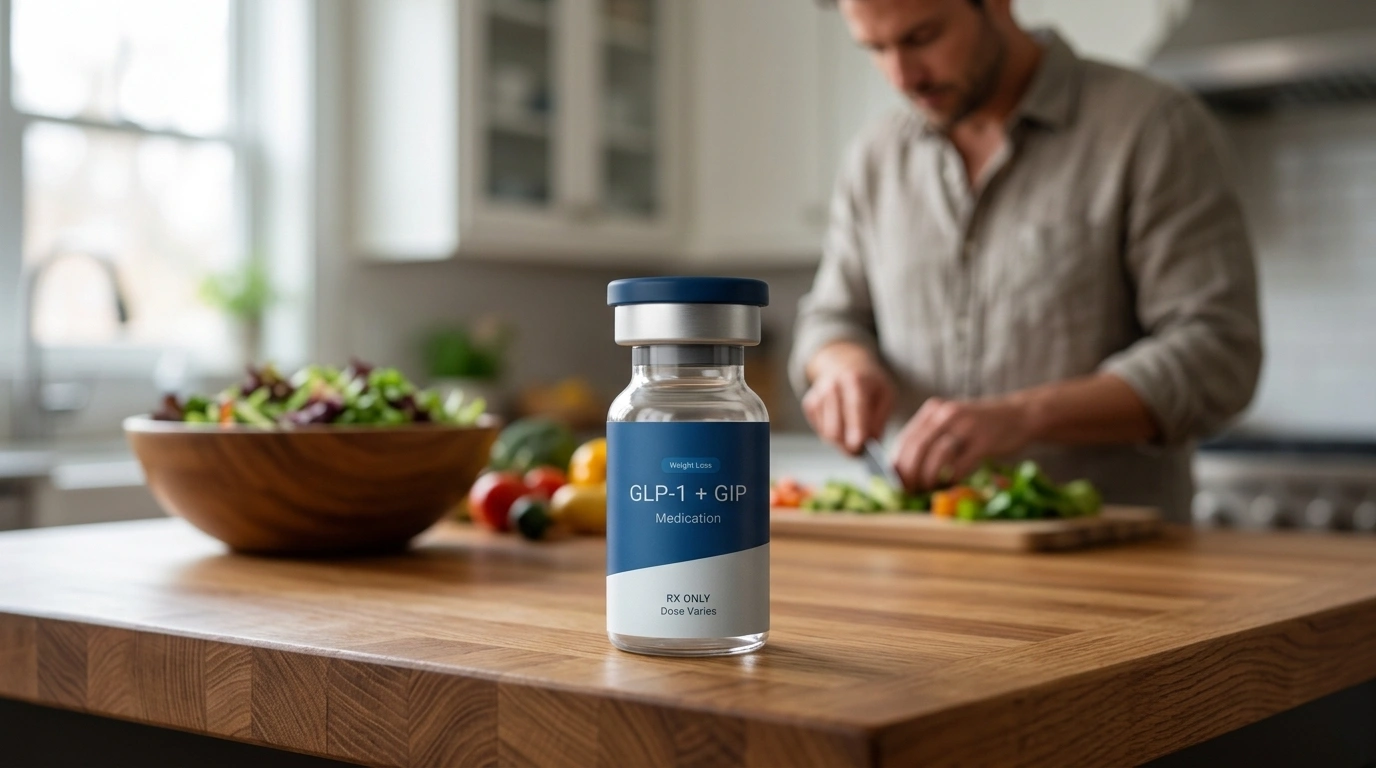
Starting a weight loss journey with a medication like Mounjaro® can feel like a major turning point, but it often comes with a steep learning curve. Perhaps you have just moved from the starting dose to a higher strength and the side effects feel overwhelming, or you are worried about the transition ahead. In these moments of discomfort, it is natural to ask: can I take half dose of Mounjaro to make the process easier? At TrimRx, we understand that these questions usually come from a place of wanting to stay consistent while feeling your best. However, the way these medications are designed and delivered makes self-adjusting your dose a complex and potentially risky decision. This post covers the mechanical design of injection pens, the clinical risks of dose-splitting, and how our personalized programs offer safer ways to find the right balance for your metabolic health. While the desire for a “half dose” is a common response to side effects, the safest path involves professional guidance rather than manual adjustments.
If you are considering prescription treatment or need help determining whether a personalized program may be appropriate, you can complete a free eligibility assessment.
Quick Answer: No, you should not attempt to take a half dose of Mounjaro® using a standard single-dose autoinjector pen. These devices are factory-sealed to deliver one full dose in a single cycle, and tampering with them can lead to inaccurate dosing, medication contamination, and serious infection risks.
The Design of the Single-Dose Autoinjector
To understand why taking a partial dose is so difficult, you have to look at the engineering of the device itself. In the United States, Mounjaro is primarily provided in a single-dose autoinjector. This is a sophisticated medical device designed for patients to use at home with high precision and minimal effort. However, the same features that make it easy to use also make it impossible to modify.
The All-or-Nothing Mechanism
The autoinjector is a closed mechanical system. Inside the plastic shell is a pre-measured glass syringe and a high-tension internal spring. When you unlock the pen and press the injection button, the spring is triggered. This single action deploys the needle and immediately pushes the entire volume of the liquid into your skin.
There is no “pause” button, and there is no dial to select a smaller amount. If you try to pull the pen away from your skin halfway through the injection, the remaining medication will simply spray out. Because you cannot see the exact volume of liquid being delivered, you would have no way of knowing how much medication actually entered your system. This leads to wasted medication and an unknown, inconsistent dose that can stall your progress.
Maintaining Medication Sterility
Safety extends beyond just the mechanics of the pen. The medication inside is housed in a vacuum-sealed, sterile environment. Branded medications are formulated for a one-time use and generally do not contain the types of preservatives intended to keep the liquid safe once it has been exposed to the air or a non-sterile needle.
Once the internal needle is triggered, the seal is broken. If you were to attempt to save a portion of the liquid, you would be storing a substance that is no longer guaranteed to be sterile. Injecting contaminated medication can lead to localized skin infections, abscesses, or more serious systemic health issues.
Why People Consider Half-Dosing
It is important to acknowledge that the urge to split a dose usually stems from valid concerns. Most people are not trying to “hack” their medication for the sake of it; they are trying to solve a practical problem.
Managing Gastrointestinal Side Effects
The most frequent reason individuals look for a smaller dose is to mitigate side effects. Mounjaro contains tirzepatide, which is a dual agonist. This means it mimics two different hormones: glucagon-like peptide-1 (GLP-1) and glucose-dependent insulinotropic polypeptide (GIP). These hormones help regulate blood sugar and slow down the emptying of the stomach.
While this dual action makes the medication highly effective, the slowed digestion can lead to:
- Persistent nausea
- Bloating and gas
- Indigestion or heartburn
- Occasional vomiting
For additional guidance, review this overview of tirzepatide side effects and management strategies.
When these symptoms peak after a dose increase—such as the jump from 2.5 mg to 5 mg—the idea of taking only half seems like a logical way to get relief.
Supply and Cost Frustrations
Medication shortages and access concerns also drive the search for “pen hacks.” If a patient has a higher-strength pen but cannot find their maintenance dose at the pharmacy, they may be tempted to split the higher dose to make it last longer. While the practical logic is clear, the medical risks of dismantling a pen outweigh the perceived savings.
Key Takeaway: The desire to split doses usually comes from a need for better side-effect management or access concerns. However, the mechanical design and sterility requirements of branded autoinjectors make manual dose-splitting an unsafe and unreliable solution.
The Risks of Manual Pen Splitting
You may find “workarounds” on social media involving disassembling pens or “counting clicks.” These practices are highly discouraged by healthcare professionals and the manufacturer for several critical reasons.
Inaccurate Dosing and the “Seesaw” Effect
Metabolic health relies on consistency. Your body needs a steady level of the medication in your bloodstream to regulate appetite and blood sugar effectively. When you attempt to split a dose manually, you lose the factory-calibrated precision of the device.
Taking an inconsistent amount—perhaps 1.5 mg one week and 3.5 mg the next—creates a “seesaw” effect in your hormone levels. This can cause your hunger to return aggressively on some days and cause severe side effects on others. Consistency is what allows your brain and digestive system to adapt to the treatment over time.
Risk of Physical Injury
The internal components of an autoinjector are under significant tension. Attempting to force the pen open can cause the glass cartridge inside to shatter. This not only wastes the medication but also creates a hazard of glass shards and a spring-loaded needle that could cause a puncture wound to your hands.
Medication Degradation
Tirzepatide is a sensitive peptide, which is a string of amino acids. Peptides can break down if they are exposed to light, heat, or the wrong environment. The pens are specifically designed to keep the peptide stable. Moving the liquid to a different container or “decanting” it into a separate vial can cause the molecule to degrade, meaning it may lose its effectiveness before you even inject it.
The Science of the Titration Schedule
To understand why “half-dosing” is not recommended, it helps to look at the titration schedule. Titration is the process of gradually increasing your dose over several months.
The Loading Phase
Every person begins at a starting dose of 2.5 mg. This is generally considered a “loading dose.” Its primary purpose is not immediate weight loss but rather to introduce the medication to your system and allow your digestive tract to adjust.
Moving Up the Ladder
The standard protocol involves staying on 2.5 mg for four weeks before moving to 5 mg. Increases then continue in 2.5 mg increments every four weeks, up to a maximum of 15 mg, based on how well you tolerate the medication. For more information, read this guide to the Mounjaro dosage schedule and titration process. If you try to create your own “intermediate” dose by taking a half-dose, you are departing from the evidence-based schedule that was proven safe in clinical trials.
Safe Alternatives for Flexible Dosing
If you feel that the standard titration steps are too large or your current dose is too strong, there are medically supervised ways to address the problem without tampering with your pens.
Stay on a Lower Dose Longer
The most effective way to “slow down” is to stay at your current dose for an additional four weeks or more. If you are struggling with the transition to 5 mg, your healthcare provider can authorize another month at 2.5 mg. This is a common and safe practice. The four-week schedule is a minimum requirement for increasing the dose, but there is no rule saying you must increase if you are seeing results and want more time to adjust.
The Role of Compounded Tirzepatide
One reason many people choose telehealth platforms is the access to compounded tirzepatide. While branded medications like Mounjaro® or Zepbound® come in rigid autoinjector pens, compounded versions are often provided in multi-dose vials.
Because you use a traditional syringe to draw the medication from a vial, you and your provider have much more control over the volume. If a provider determines that a custom dose—such as 3.75 mg—is appropriate for your specific needs, a vial and syringe system makes that precision possible. Learn more about what compounded tirzepatide means before discussing this option with a qualified provider.
We connect our members with medications prepared in FDA-registered, inspected compounding pharmacies to ensure high quality while providing this necessary dosing flexibility.
Timing Your Doses
Sometimes the timing of the dose is more important than the amount. If you find that side effects are strongest 24 to 48 hours after your shot, you can plan your injection for a day when you have a lighter schedule. This does not change the amount of medication in your system, but it can help you manage the impact on your daily life.
Managing Side Effects Without Splitting Doses
If your primary motivation for wanting a half dose is nausea or discomfort, you can often find relief through lifestyle changes and professional support.
Nutritional Support and Meal Planning
Because GLP-1 and GIP medications slow down how fast food leaves your stomach, what you eat matters significantly.
- Eat smaller, more frequent meals: Large meals can sit in the stomach too long, triggering nausea.
- Prioritize lean protein: This helps maintain muscle mass and is often easier on the stomach than high-fat foods.
- Avoid greasy or fried foods: High-fat meals are much harder to digest and are a common trigger for gastrointestinal distress while on these medications.
- Watch your fiber: While fiber is good, too much at once can cause bloating when digestion is already slowed.
Hydration and Nutrient Balance
Many people find that their thirst cues decrease along with their hunger. Dehydration is a major cause of the fatigue and headaches often mistaken for direct medication side effects. Drinking plenty of water and maintaining your electrolyte balance can significantly improve how you feel. If you find it hard to get enough nutrients due to a reduced appetite, GLP-1 Daily Support may help bridge the gap.
For additional energy support while managing a reduced-calorie diet, you can also explore the Weight Loss Boost supplement.
Changing the Injection Site
While it may sound like a minor detail, many patients report that injecting into the thigh or the back of the arm results in fewer gastrointestinal side effects than injecting into the abdomen. While the medication is absorbed effectively in all these areas, some people find their bodies respond more comfortably to different sites.
How TrimRx Personalizes Your Journey
We believe that no two weight loss journeys are identical. The frustration that leads people to consider “half-dosing” is often a result of a one-size-fits-all medical system. Our platform is designed to provide the clinical support and flexibility you need to succeed.
When you join us, you gain access to a dedicated team of specialists. If you encounter side effects or feel that a dose increase is happening too fast, you don’t have to guess how to handle it. You can reach out to our team for a professional consultation. We focus on transparency and safety, ensuring you have the right medication and the right guidance at every step of the titration process. To explore whether a personalized prescription program may fit your needs, take the free assessment quiz.
Our streamlined telehealth process includes:
- Licensed doctor consultations to evaluate your health profile.
- Access to compounded medications that allow for dosing precision.
- Ongoing specialist support to help you navigate side effects safely.
Step-by-Step: How to Address Dosing Concerns
If you are worried that your current dose is not the right fit, follow these steps.
Step 1: Track your symptoms. / Keep a simple log of when your side effects occur and how severe they are. This data is essential for your provider.
Step 2: Consult with a professional. / Use our platform to speak with a licensed provider about your concerns. Do not make changes on your own.
Step 3: Discuss a custom titration. / Ask if staying on your current dose for another month is an option or if a different medication format might better suit your needs.
Step 4: Update your plan. / Once a clinical decision is made, ensure your next shipment reflects the correct, safe dosage for your journey.
Bottom line: Your safety and long-term results depend on using your medication exactly as intended. If you are struggling with side effects, do not risk infection or injury by tampering with a pen; instead, focus on professional dose adjustments and supportive lifestyle changes.
Moving Forward with Confidence
Sustainable weight loss is a marathon, not a sprint. The urge to “hack” your dose often comes from a desire for immediate relief, but the safety protocols in place—like the design of the autoinjector—are there to protect you. By working with a platform that values personalization and medical supervision, you can reach your goals without the guesswork.
At TrimRx, our mission is to help individuals embrace healthier lifestyles through science, empathy, and a transparent approach. We are here to guide you through the complexities of metabolic health and provide a clear, medically supervised path to success. You don’t have to navigate these questions alone. If you are ready to discuss your eligibility, complete the free assessment.
FAQ
Can I save the rest of a Mounjaro pen for later?
No, you cannot save medication from a Mounjaro pen for later use. The autoinjector is a single-use device that locks after the first use, and attempting to reuse it or extract the liquid is unsafe. This can lead to medication waste and a high risk of bacterial contamination.
What should I do if my next dose increase feels too big?
If you are worried about moving to a higher dose, the best step is to talk to your healthcare provider. They can often suggest staying at your current dose for another four weeks to give your body more time to adjust. This is a safe, medically recognized way to slow down the titration process. Review this guide to finding the right Mounjaro dose for additional context.
Is it possible to get tirzepatide in a vial instead of a pen?
Yes, compounded tirzepatide is frequently available in multi-dose vials through specialized pharmacies. This format allows you to use a traditional syringe, which gives your provider the ability to prescribe more precise or intermediate doses that aren’t available in branded pens. If you are considering treatment, see if you qualify for a personalized program.
Why does the medication dose increase every four weeks?
The four-week schedule is designed to help your body build a tolerance to the medication’s effects on your brain and digestive system. Increasing the dose gradually helps minimize side effects like nausea while slowly ramping up the metabolic benefits for weight loss and blood sugar control.
Disclaimer: This content is for informational purposes only and does not constitute medical advice. It is not intended to diagnose, treat, cure, or prevent any disease or condition. Individual results may vary. Always consult a qualified healthcare professional before starting any weight loss program or medication.

Transforming Lives, One Step at a Time
Keep reading
Orthodox Easter on Mounjaro: Breaking the Fast at Pascha
For Greek, Russian, Serbian, Romanian, Ukrainian, Antiochian, and other Orthodox Christians, Pascha is the feast of feasts. It follows the seven weeks of Great…

Enjoying an Onam Sadya on Mounjaro
Onam, Kerala’s harvest festival, is celebrated in the month of Chingam, usually in August or September, over about ten days that build to Thiruvonam….

Enjoying an Obon Festival on Mounjaro
Obon is a Japanese Buddhist tradition of remembering and honoring those who have died. In the US, Buddhist temples and Japanese American communities hold…


