Understanding Ozempic and Wegovy: Can You Take Both?
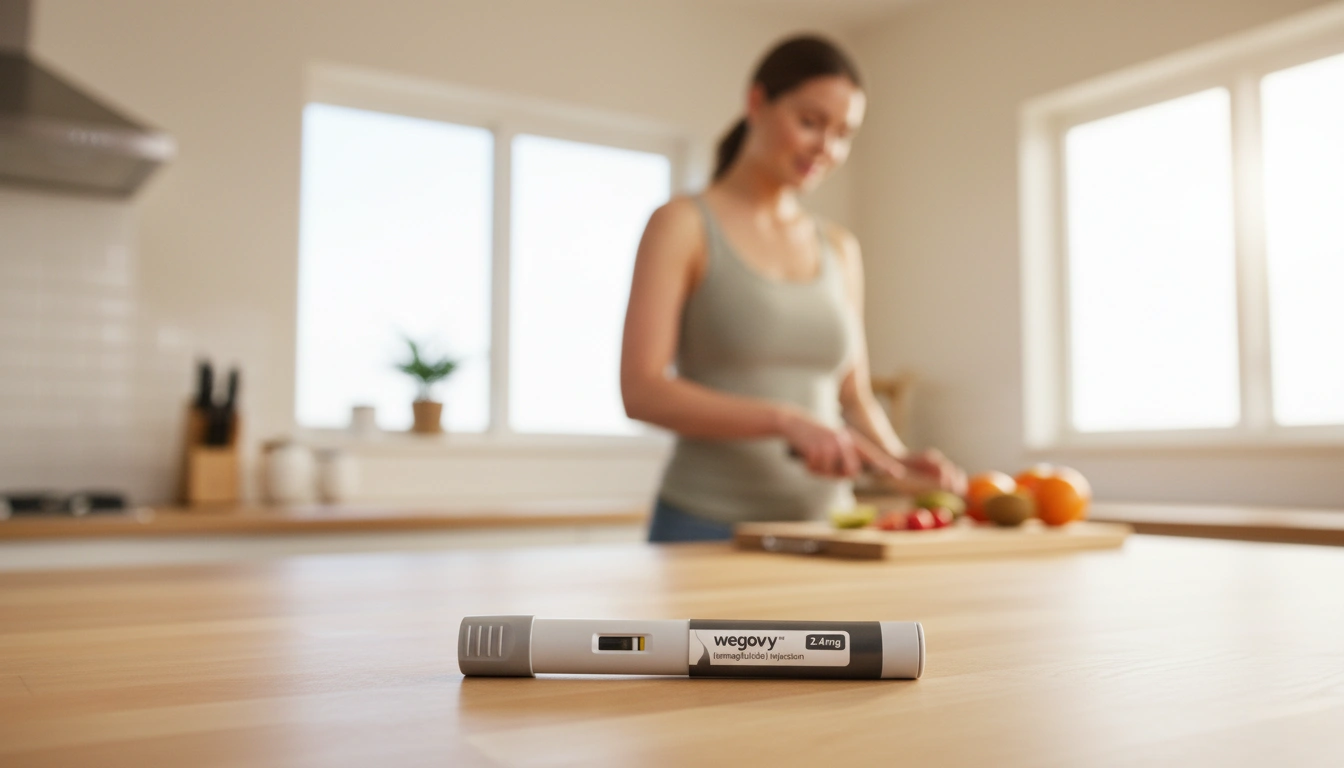
Reaching a healthy weight is a journey many individuals embark on, often navigating a complex landscape of diet, exercise, and sometimes, medical interventions. Amidst this quest, certain medications rise to prominence, sparking both hope and questions. Ozempic and Wegovy are two such names that have become significant talking points in discussions around weight management and metabolic health. They are frequently mentioned together, leading to a common and crucial question: can you take Ozempic and Wegovy simultaneously?
This question, simple on the surface, unravels a deeper narrative about how these powerful medications work, their intended uses, and the personalized approach required for safe and effective weight loss. At TrimRx, our journey began with a shared vision to help individuals embrace healthier lifestyles by merging cutting-edge telehealth innovations with effective weight loss solutions. Our platform is a user-friendly and supportive space where individuals receive personalized, medically supervised care—all designed to make sustainable weight loss attainable and tailored to the individual. We believe that sustainable weight loss should be achieved through science, empathy, and a transparent approach.
This comprehensive guide will delve into the nuances of Ozempic and Wegovy, exploring their similarities and, critically, their differences. We’ll clarify their roles in chronic weight management and type 2 diabetes treatment, detail why they cannot be taken together, and outline the safety considerations paramount to any medication regimen. By the end, you will have a clearer understanding of these medications and the importance of a medically supervised, individualized path to wellness, such as the one we offer.
The Shared Foundation: Semaglutide
Before we differentiate between Ozempic and Wegovy, it’s essential to understand their fundamental similarity: they both contain the same active ingredient, semaglutide. Semaglutide belongs to a class of medications known as GLP-1 (glucagon-like peptide-1) receptor agonists. This shared foundation is precisely why the question of taking them together arises, yet it’s also the very reason why it’s not recommended.
What are GLP-1 Receptor Agonists?
GLP-1 is a natural hormone produced in the gut that plays a vital role in regulating blood sugar levels and appetite. When we eat, GLP-1 is released, signaling the body to produce more insulin, which helps lower blood sugar. It also slows down gastric emptying, meaning food stays in the stomach longer, contributing to a feeling of fullness. Additionally, GLP-1 acts on the brain to reduce appetite and food cravings.
Semaglutide, as a GLP-1 receptor agonist, mimics these actions. By activating GLP-1 receptors, it enhances the body’s natural processes, leading to several beneficial effects:
- Improved blood sugar control: It stimulates insulin release only when blood sugar levels are high and reduces glucagon secretion, preventing excess sugar production by the liver.
- Delayed gastric emptying: This contributes to feeling full for longer, reducing overall food intake.
- Appetite suppression: By influencing brain centers that regulate hunger and satiety, semaglutide helps reduce cravings and the desire to eat.
These combined effects make semaglutide a powerful tool not only for managing type 2 diabetes but also for promoting significant weight loss. Both Ozempic and Wegovy leverage these mechanisms, yet their specific formulations and approved uses differ, which is crucial for their safe application.
Understanding Semaglutide’s Impact on Weight and Metabolism
The impact of semaglutide on weight management extends beyond simple appetite suppression. It works at a physiological level to reset certain metabolic signals that can contribute to weight gain and difficulty losing weight. For many individuals struggling with excess weight, hormonal imbalances and metabolic dysregulation can make traditional diet and exercise highly challenging. Semaglutide offers a scientific approach to addressing these underlying factors.
Studies have shown that individuals using semaglutide can experience substantial reductions in body weight. This is not merely about consuming fewer calories; it’s about altering the body’s response to food and its internal hunger cues. This physiological rebalancing can be incredibly empowering, helping individuals to make sustainable dietary choices without constantly battling intense hunger or cravings.
At TrimRx, we recognize the profound impact that such clinically proven solutions can have. Our approach combines advanced medical science with modern technology, ensuring our members receive compassionate care that respects every individual’s unique journey. Whether it’s through branded medications or our high-quality compounded options, we partner with FDA-registered and inspected pharmacies for the shipping of weight loss medications, ensuring a focus on safety and efficacy.
Ozempic vs. Wegovy: Distinct Purposes
Despite sharing the same active ingredient, Ozempic and Wegovy are distinct medications with different primary indications. This distinction is paramount to understanding why they are prescribed for different patient populations and, most importantly, why they should never be taken together.
Ozempic’s Primary Role in Type 2 Diabetes Management
Ozempic (semaglutide) received its FDA approval in 2017 primarily for the treatment of type 2 diabetes in adults. Its main purpose is to improve blood sugar control. In clinical trials, Ozempic has been shown to:
- Significantly lower HbA1c levels, a key measure of long-term blood sugar control.
- Reduce the risk of major adverse cardiovascular events, such as heart attack and stroke, in adults with type 2 diabetes and established cardiovascular disease.
While individuals taking Ozempic for type 2 diabetes often experience weight loss as a beneficial side effect, it is not the primary indication for which it is prescribed. The dosages of semaglutide available in Ozempic (typically 0.5 mg, 1 mg, and 2 mg once weekly) are optimized for glycemic control. It’s crucial for individuals with type 2 diabetes to manage their condition effectively, and Ozempic provides a powerful tool in that effort, helping to regulate blood sugar and protect against cardiovascular complications.
Wegovy’s Focus on Chronic Weight Management
Wegovy (semaglutide) received its FDA approval in 2021 specifically for chronic weight management in adults. It is indicated for individuals with:
- Obesity (Body Mass Index, or BMI, of 30 kg/m² or greater).
- Overweight (BMI of 27 kg/m² or greater) with at least one weight-related comorbidity, such as high blood pressure, type 2 diabetes, or high cholesterol.
Wegovy is designed to be used in conjunction with a reduced-calorie diet and increased physical activity. Its dosage regimen starts lower and gradually increases over several weeks to a higher maintenance dose (typically 2.4 mg once weekly), which has been found most effective for weight loss. Clinical trials for Wegovy demonstrated that participants experienced significant and sustained weight loss, with some studies showing an average body weight reduction of approximately 15% over 68 weeks at the highest dose. This medication addresses the complex physiological drivers of obesity, offering a valuable tool for those seeking long-term weight management solutions.
Dosage Differences and Their Implications
The differing intended uses of Ozempic and Wegovy are reflected in their available dosages. While both are once-weekly injectable formulations of semaglutide, Wegovy offers a higher maximum dosage compared to Ozempic. This higher dose in Wegovy is specifically optimized for weight loss, as clinical research has indicated that greater efficacy in weight reduction is achieved at these higher levels.
For individuals solely focused on managing type 2 diabetes, the dosages offered by Ozempic are generally sufficient to achieve glycemic control and cardiovascular benefits. However, for those whose primary goal is chronic weight management, the higher doses available in Wegovy are often more effective. This distinction underscores why medical supervision is vital: a healthcare provider assesses an individual’s specific health needs, treatment goals, and eligibility criteria to determine the most appropriate medication and dosage.
At TrimRx, our commitment to personalized care means that when you take our free assessment quiz, our affiliated medical professionals evaluate your health profile thoroughly. This ensures that if a prescription medication like Ozempic, Wegovy, Mounjaro, Zepbound, or one of our compounded semaglutide or tirzepatide options is right for you, it is prescribed at the correct dosage for your individual needs. We believe this tailored approach is key to achieving meaningful and sustainable results.
Why You Cannot Take Ozempic and Wegovy Together
To unequivocally answer the central question: no, you cannot take Ozempic and Wegovy together. Combining these medications is strongly contraindicated and can lead to serious health risks. Both medications contain semaglutide, and taking them concurrently would essentially be doubling up on the same active ingredient, leading to an overdose.
Increased Risk of Side Effects
The primary concern with taking Ozempic and Wegovy simultaneously is the heightened risk and severity of side effects. Semaglutide, while generally well-tolerated, can cause various side effects, particularly gastrointestinal issues. When the dosage of semaglutide in your system is excessively high, these side effects can become much more pronounced and potentially dangerous. Common side effects, such as nausea, vomiting, diarrhea, and constipation, could become severe, leading to dehydration, electrolyte imbalances, and significant discomfort. More serious, albeit rare, side effects like pancreatitis or gallbladder problems could also be exacerbated.
No Enhanced Benefits
It is a common misconception that if one dose of a medication is effective, a higher dose will yield even better or faster results. With medications like semaglutide, this is not the case when combining two products containing the same active ingredient. Taking Ozempic and Wegovy together will not enhance the weight loss benefits or blood sugar control beyond what a properly prescribed single medication would achieve. Instead, it only magnifies the risks without providing any additional therapeutic advantage. The body can only process and respond to a certain level of the active ingredient; exceeding that threshold merely increases toxicity.
The Dangers of Overdosing on Semaglutide
Overdosing on semaglutide can lead to significant health complications, including:
- Severe Hypoglycemia: While semaglutide has a low risk of hypoglycemia on its own (especially in non-diabetic individuals), an excessive dose, particularly if combined with other diabetes medications, could cause blood sugar to drop to dangerously low levels. Symptoms include dizziness, confusion, sweating, tremors, and in severe cases, seizures or loss of consciousness.
- Acute Pancreatitis: This is a serious inflammation of the pancreas that can cause severe abdominal pain, nausea, and vomiting.
- Kidney Injury: Dehydration from severe gastrointestinal side effects can lead to acute kidney injury.
- Other Adverse Events: Exaggerated gastrointestinal upset can severely impact quality of life and potentially require hospitalization.
It is imperative to always adhere to the prescribed dosage and not to combine medications containing the same active ingredient unless explicitly directed and carefully managed by a healthcare professional. Your health and safety are paramount, and following medical advice is the best way to ensure effective and safe treatment.
Eligibility and Prescription Criteria
Determining whether Ozempic or Wegovy (or any prescription weight loss medication) is appropriate for an individual involves a thorough evaluation of their health status, medical history, and specific treatment goals. These are powerful medications, and their use is guided by strict eligibility criteria established by regulatory bodies like the FDA.
Eligibility for Wegovy
Wegovy is FDA-approved for chronic weight management in adults who meet specific BMI criteria and may have weight-related health conditions. Generally, you may be considered eligible if you have:
- A Body Mass Index (BMI) of 30 kg/m² or greater (considered obesity).
- A BMI of 27 kg/m² or greater (considered overweight) with at least one weight-related comorbidity. These comorbidities can include:
- Type 2 diabetes
- High blood pressure (hypertension)
- High cholesterol (dyslipidemia)
- Obstructive sleep apnea
For children and adolescents aged 12 years and older, Wegovy is also FDA-approved for weight loss and long-term weight management if they have obesity. This reflects a growing understanding of the complex nature of pediatric obesity and the need for medically supervised interventions.
Eligibility for Ozempic
Ozempic is FDA-approved primarily for adults with type 2 diabetes. The criteria for its use include:
- Adults diagnosed with type 2 diabetes, typically to improve glycemic control.
- Adults with type 2 diabetes and established cardiovascular disease, to reduce the risk of major adverse cardiovascular events.
While weight loss is a common and often welcome side effect for many individuals taking Ozempic for type 2 diabetes, it is not prescribed as a standalone weight loss medication. Off-label use for weight loss has occurred, but it’s important to note that regulated pathways for weight management specifically utilize medications like Wegovy at appropriate dosages.
The Critical Role of Medical Evaluation
Due to the potency and specific indications of these medications, a comprehensive medical evaluation is non-negotiable. A qualified healthcare provider will:
- Review your medical history: This includes current and past health conditions, allergies, and any medications you are currently taking. This is particularly important for conditions like thyroid cancer, pancreatitis, or gallbladder disease, which can contraindicate the use of GLP-1 agonists.
- Conduct a physical examination and lab work: This helps to establish your baseline health, confirm eligibility, and monitor for any potential risks.
- Discuss your health goals: Understanding whether your primary goal is blood sugar control, weight loss, or both, helps in determining the most appropriate treatment path.
- Educate on benefits and risks: A thorough discussion about potential side effects, how to administer the medication, and what to expect during treatment is crucial.
At TrimRx, we streamline this process while upholding the highest standards of care. When you take our free assessment quiz, you initiate a path towards a personalized treatment plan. Our affiliated medical professionals conduct a comprehensive evaluation, including a doctor consultation and necessary lab work. This ensures that any prescription medication, whether it’s Ozempic®, Wegovy®, Zepbound®, Mounjaro®, Compounded Semaglutide, Oral Semaglutide, Compounded Tirzepatide, or Oral Tirzepatide, is medically appropriate and tailored precisely to your unique health profile. We are committed to providing a transparent service where our approach remains consistent, focusing on safety by working exclusively with FDA-registered and inspected pharmacies for medication shipping.
The Journey of Weight Management: Effectiveness and Expectations
Understanding the effectiveness of medications like Ozempic and Wegovy involves looking at both clinical trial data and realistic expectations for the weight loss journey. While both contain semaglutide, their efficacy in inducing weight loss differs based on their approved dosages and intended use.
Clinical Outcomes for Weight Loss with Wegovy
Wegovy has demonstrated impressive efficacy in clinical trials specifically designed for chronic weight management. A landmark study showed that participants receiving the maximum 2.4 mg weekly dose of semaglutide (Wegovy) experienced an average body weight reduction of approximately 15% over 68 weeks. This level of weight loss is clinically significant and can lead to substantial improvements in weight-related health conditions. For example, a 5-10% weight loss can already significantly reduce the risk of cardiovascular disease, improve blood pressure, and positively impact metabolic markers.
The effectiveness of Wegovy for weight loss is not just about the numbers on the scale. It’s about achieving sustainable changes that improve overall health and quality of life. Many individuals report feeling fuller longer, having fewer cravings, and finding it easier to adhere to a reduced-calorie diet. This shift in internal cues can be transformative for those who have struggled with weight for years.
Weight Loss as a Secondary Benefit of Ozempic
For Ozempic, weight loss is a recognized and beneficial secondary effect for many individuals with type 2 diabetes. While Ozempic is highly effective in improving blood sugar control, the average weight loss observed in clinical trials for diabetes management is generally less than that seen with Wegovy. For instance, some studies indicate that a 2 mg weekly dose of semaglutide (Ozempic) might result in an average weight loss of around 5-10% over a similar period. This difference is largely attributable to the lower maximum dosage of semaglutide available in Ozempic compared to Wegovy.
It’s important for patients taking Ozempic to understand that while weight loss is a positive outcome, their primary treatment goal, as determined by their healthcare provider, is usually blood sugar management and cardiovascular risk reduction.
The Importance of Lifestyle Changes
Regardless of whether an individual is prescribed Ozempic or Wegovy, it is crucial to emphasize that these medications are most effective when used in conjunction with comprehensive lifestyle changes. No medication acts as a standalone “miracle cure.” Sustainable weight loss and improved health outcomes are achieved through a holistic approach that includes:
- A balanced, reduced-calorie diet: Focusing on whole foods, lean proteins, fruits, vegetables, and healthy fats.
- Regular physical activity: Incorporating a mix of aerobic exercise and strength training.
- Behavioral support: Addressing eating habits, emotional triggers, and developing coping mechanisms.
At TrimRx, we understand that true wellness extends beyond medication. We offer not just prescription solutions but also continuous support to help you integrate healthy habits into your daily life. Our personalized programs are designed to empower you with the tools and knowledge needed for lasting success. If you’re looking for additional support, consider our GLP-1 Daily Support or Weight Loss Boost supplements, which are available for immediate purchase to complement your weight loss journey.
Safety Profile and Potential Side Effects
Like all medications, Ozempic and Wegovy come with potential side effects. Because they share the same active ingredient, semaglutide, their safety profiles are very similar. It’s essential for anyone considering these medications to be fully informed about what to expect and to discuss any concerns with their healthcare provider.
Common Gastrointestinal Side Effects
The most frequently reported side effects for both Ozempic and Wegovy are gastrointestinal in nature. These often occur during the initial weeks of treatment or when the dose is increased, and they typically subside as the body adjusts to the medication. Common gastrointestinal side effects include:
- Nausea: Feeling sick to your stomach.
- Vomiting: Actually throwing up.
- Diarrhea: Loose, watery stools.
- Constipation: Difficulty having bowel movements.
- Abdominal pain: Discomfort or cramping in the stomach area.
To help manage these symptoms, healthcare providers often recommend starting with a low dose and gradually increasing it over several weeks. Eating smaller meals, avoiding fatty or rich foods, and staying well-hydrated can also help alleviate discomfort. If these side effects become severe or persistent, it’s crucial to contact your healthcare provider.
Serious Adverse Events
While less common, more serious adverse events can occur with semaglutide. It’s important to be aware of these and seek immediate medical attention if you experience any of the following:
- Pancreatitis: Inflammation of the pancreas. Symptoms can include severe pain in your stomach area that may spread to your back, with or without vomiting.
- Gallbladder problems: Including gallstones. Symptoms may include pain in your upper abdomen, fever, yellowing of the skin or eyes (jaundice), or clay-colored stools.
- Kidney problems (renal impairment): Especially in individuals who experience severe vomiting or diarrhea, leading to dehydration.
- Thyroid C-cell tumors: Studies in rodents showed that semaglutide caused thyroid C-cell tumors, including medullary thyroid carcinoma (MTC). It is unknown whether semaglutide causes thyroid C-cell tumors, including MTC, in humans. Therefore, semaglutide should not be used in individuals with a personal or family history of MTC or in patients with Multiple Endocrine Neoplasia syndrome type 2 (MEN 2).
- Vision changes: Worsening of diabetic retinopathy has been reported in individuals with type 2 diabetes.
- Increased heart rate: Some individuals may experience an increase in heart rate.
- Hypoglycemia (low blood sugar): While semaglutide alone has a low risk of causing low blood sugar, the risk increases if it is used with other medications that lower blood sugar, such as insulin or sulfonylureas.
Monitoring and Management
Regular communication with your healthcare provider is paramount throughout your treatment journey. They will monitor your progress, assess for any side effects, and make dosage adjustments as needed. It is important to report any new or worsening symptoms promptly.
At TrimRx, your safety and well-being are our top priorities. Our comprehensive service includes ongoing support, allowing you to connect with medical professionals who can address your concerns and guide you through your weight loss journey. We emphasize working exclusively with FDA-registered and inspected pharmacies for all medications, ensuring that you receive products that meet rigorous safety and quality standards. This commitment to safety and transparency is a cornerstone of our empathetic and trustworthy approach to personalized care. If you believe a personalized medication plan could be right for you, we encourage you to take our free assessment quiz to begin your journey with confidence.
Considering a Switch: From Ozempic to Wegovy
The prospect of switching from Ozempic to Wegovy is a relevant consideration for some individuals, particularly those who initially started Ozempic for type 2 diabetes and experienced weight loss, but whose primary goal has shifted more strongly towards chronic weight management. Given that Wegovy is specifically approved and dosed for weight loss, a transition may be appropriate under certain circumstances.
When and Why a Switch Might Be Recommended
A healthcare provider might recommend switching from Ozempic to Wegovy in situations such as:
- Primary Weight Loss Goal: If an individual using Ozempic for diabetes management has achieved good glycemic control but still needs significant weight loss, and their BMI and comorbidities meet Wegovy’s criteria, a switch may be considered to optimize weight reduction.
- Higher Dosing Needs: Wegovy offers a higher maximum dosage of semaglutide (2.4 mg) compared to Ozempic (up to 2 mg). For individuals who may benefit from this higher dose to achieve more substantial weight loss, transitioning to Wegovy would be clinically appropriate.
- Off-Label Use Concern: If Ozempic was prescribed off-label for weight loss, a healthcare provider might recommend transitioning to Wegovy, as it is the FDA-approved medication for chronic weight management. This aligns with best practices for prescribing medications for their approved indications.
- Medication Availability: In some instances, supply chain issues for one medication might necessitate considering a switch to an available alternative that serves a similar purpose, provided it meets the patient’s clinical needs.
The Importance of Medical Supervision During Transition
Any decision to switch between medications containing semaglutide must be made under the strict guidance and supervision of a qualified healthcare provider. This is not a decision to be made independently. Your doctor will:
- Assess your current health status: They will evaluate your glycemic control, weight loss progress, and any existing side effects from Ozempic.
- Determine eligibility for Wegovy: Confirm that you meet the FDA-approved criteria for Wegovy, including BMI and relevant comorbidities.
- Develop a personalized transition plan: This plan will outline the specific timing and dosage adjustments for discontinuing Ozempic and initiating Wegovy. It’s crucial to ensure a smooth transition to minimize potential risks or side effects. The plan may involve a brief gap between medications or a direct switch, depending on individual circumstances and the previous dosage.
- Monitor closely: During and after the transition, your healthcare provider will closely monitor your blood sugar levels (if applicable), weight loss progress, and watch for any new or worsening side effects.
At TrimRx, we recognize that your health journey is dynamic. Our medical team is dedicated to providing continuous, expert guidance. If you are currently on a semaglutide medication and are considering if a different option, such as a switch to Wegovy or one of our other personalized prescription plans, is right for you, we encourage you to take our free assessment quiz. This is the first step towards a medically supervised evaluation to ensure your treatment plan is always optimized for your health and safety. Our transparent service ensures that you understand every step of the process, with unlimited support available throughout your journey.
Beyond Ozempic and Wegovy: Personalized Options for Your Health Journey
While Ozempic and Wegovy are prominent GLP-1 medications, the landscape of personalized weight loss solutions is evolving, offering more tailored approaches to individual needs. At TrimRx, we believe that achieving sustainable weight loss requires a comprehensive, science-backed, and empathetic strategy that goes beyond a one-size-fits-all model.
Our approach integrates cutting-edge telehealth innovations with effective, medically supervised care, ensuring that your journey is truly personalized. We understand that every individual’s body, health profile, and weight loss goals are unique. This is why our platform offers a range of clinically proven options, carefully selected to provide safe and effective results.
Our Comprehensive Personalized Weight Loss Programs
For those who qualify, our personalized weight loss programs include a selection of prescription medications, each chosen for its proven efficacy and suitability for different individuals. When you take our free assessment quiz, our affiliated medical professionals conduct a thorough evaluation to determine the best path for you. Our programs include:
- Compounded Semaglutide: A customized version of the active ingredient found in Ozempic and Wegovy, prepared by FDA-registered and inspected pharmacies to meet individual patient needs.
- Oral Semaglutide: An innovative tablet form of semaglutide, offering an alternative for those who prefer not to use injections.
- Ozempic®: For individuals where managing type 2 diabetes is a primary concern, with weight loss as a significant beneficial secondary outcome.
- Compounded Tirzepatide: Combining the power of GLP-1 and GIP receptor agonism, Tirzepatide (the active ingredient in Mounjaro and Zepbound) offers a dual-action approach that can lead to even more significant weight loss for some individuals. Our compounded options are prepared in FDA-registered and inspected pharmacies.
- Oral Tirzepatide: A convenient oral formulation of tirzepatide, currently undergoing clinical evaluation, represents another potential option for future personalized care.
- Mounjaro®: An FDA-approved dual GLP-1/GIP receptor agonist for type 2 diabetes, often resulting in significant weight loss.
- Zepbound®: The FDA-approved tirzepatide medication specifically for chronic weight management.
- Wegovy®: The FDA-approved semaglutide medication specifically for chronic weight management.
Our comprehensive service includes everything you need for a smooth and supported journey: doctor consultations, the prescribed medication, necessary lab work, unlimited support from our team, and convenient shipping, all with no hidden fees. We partner exclusively with FDA-registered and inspected pharmacies for the shipping of all our weight loss medications, ensuring the highest standards of safety and quality.
Immediate Support with Our Quick-Access Supplements
We also understand that many individuals are looking for accessible ways to support their overall wellness during their weight loss journey, even before a prescription medication is determined. For this, we offer quick-access supplements that do not require a quiz or prescription:
- GLP-1 Daily Support: This supplement is formulated to support healthy metabolic function and digestion, complementing the body’s natural processes.
- Weight Loss Boost: Designed to provide additional nutritional support, aiding in energy and overall well-being as you work towards your weight goals.
These supplements are designed to integrate seamlessly into a healthy lifestyle, offering an additional layer of support. Whether you’re exploring prescription options or enhancing your current wellness routine, we are here to support every step of your journey.
Our Commitment to You at TrimRx
At TrimRx, our brand is built on empathy, innovation, trustworthiness, support, results-orientation, and personalization. We are dedicated to offering compassionate care that respects every individual’s unique journey. Our commitment to transparent service means our approach remains consistent, whether you’re just starting your journey or adjusting your dosage. We prioritize your safety by working exclusively with FDA-registered and inspected pharmacies for medication fulfillment, ensuring that you receive high-quality, reliable products.
We understand that navigating the world of weight loss can be overwhelming. That’s why we’ve created a platform where you can feel empowered and supported, with access to advanced medical science combined with modern technology. Our goal is to make sustainable weight loss not just a dream, but an attainable reality, tailored specifically to you.
Conclusion
The question of whether can you take Ozempic and Wegovy together is met with a clear and emphatic no. Both medications contain semaglutide, and combining them would lead to an overdose, significantly increasing the risk of severe side effects without offering any additional therapeutic benefits. Ozempic is primarily indicated for type 2 diabetes management with weight loss as a secondary benefit, while Wegovy is specifically approved for chronic weight management at higher dosages.
The journey to a healthier weight is deeply personal, complex, and best undertaken with expert medical guidance. It requires understanding the specific mechanisms of available treatments, their appropriate uses, and the importance of adhering to prescribed guidelines.
At TrimRx, we are proud to offer a comprehensive, personalized, and medically supervised approach to weight loss. Our dedicated team of affiliated medical professionals is here to guide you, from initial assessment and individualized treatment planning—including a range of prescription medications like Ozempic®, Wegovy®, Zepbound®, Mounjaro®, and our compounded semaglutide and tirzepatide options—to ongoing support and complementary quick-access supplements like our GLP-1 Daily Support and Weight Loss Boost. We are committed to fostering a supportive environment where you can safely and effectively pursue your health goals.
If you are considering a medically supervised weight loss program, we invite you to take our free assessment quiz today. Let us help you embark on a path toward lasting health and well-being, supported by science, empathy, and personalized care.
Frequently Asked Questions
What is the main difference between Ozempic and Wegovy?
The main difference lies in their primary FDA-approved indications and maximum dosages. Ozempic is primarily approved for the treatment of type 2 diabetes to improve blood sugar control and reduce cardiovascular risk, with weight loss as a beneficial side effect. Wegovy is specifically approved for chronic weight management in individuals with obesity or overweight with related comorbidities, and it offers a higher maximum dose of semaglutide optimized for weight loss.
Can I switch from Ozempic to Wegovy?
Switching from Ozempic to Wegovy is possible, but it must be done under the direct supervision and guidance of a healthcare provider. Your doctor will assess your current health, eligibility for Wegovy, and develop a personalized transition plan to ensure a safe and effective switch. This is particularly relevant if your primary goal shifts more towards significant weight management.
If I’m taking Ozempic for diabetes, can I still lose weight?
Yes, many individuals taking Ozempic for type 2 diabetes do experience weight loss as a beneficial secondary effect. While Ozempic’s primary role is blood sugar control, the active ingredient semaglutide also influences appetite and gastric emptying, which can lead to reduced calorie intake and subsequent weight loss. However, the amount of weight loss may be less than with Wegovy due to the differing maximum dosages.
Are compounded semaglutide medications the same as Ozempic or Wegovy?
Compounded semaglutide medications contain the same active ingredient, semaglutide, but they are prepared by FDA-registered and inspected pharmacies to meet the specific needs of individual patients as prescribed by a medical professional. Branded medications like Ozempic® and Wegovy® are FDA-approved products. Compounded medications themselves are not FDA-approved, but at TrimRx, we ensure they are sourced from reputable, FDA-registered, and inspected pharmacies for your safety.

Transforming Lives, One Step at a Time
Keep reading

Ozempic vs Wegovy for Weight Loss: Which Should You Choose?
Two medications, same active ingredient, very different situations. Ozempic and Wegovy both contain semaglutide, both come from Novo Nordisk, and both produce meaningful weight…

Ozempic vs Wegovy Cost: Why the Price Difference Exists
Ozempic and Wegovy both contain semaglutide. They’re made by the same manufacturer, Novo Nordisk, and they work through the same mechanism. Yet their list…
Wegovy Savings Card: How It Works and Who Qualifies
The Wegovy savings card sounds like a straightforward solution to a very real problem. Wegovy lists at over $1,300 per month without insurance, and…


