Understanding Ozempic Doses: A Guide to Semaglutide for Personalized Weight Management
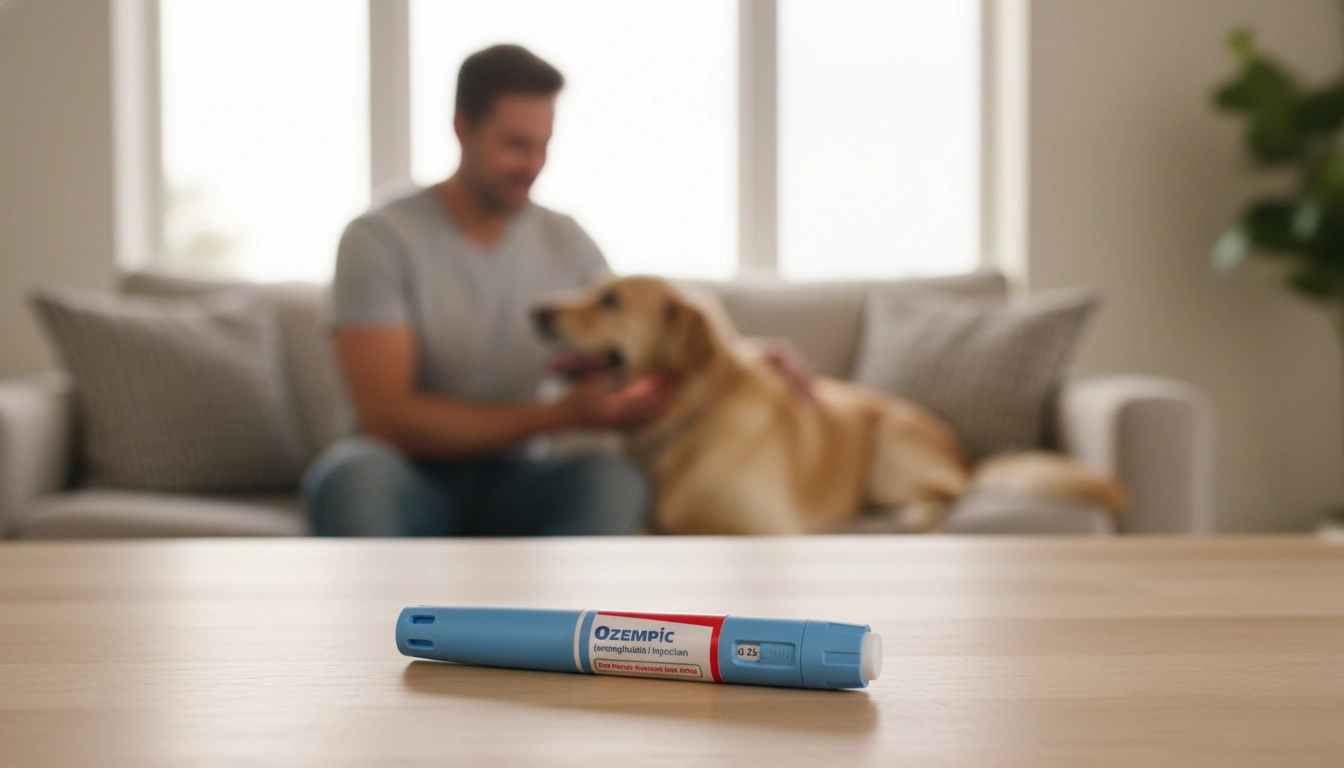
The journey toward improved health and sustainable weight management is deeply personal, often marked by a desire for effective, science-backed solutions. For many, navigating the complexities of weight loss medications can feel daunting, particularly when exploring options like Ozempic, a medication that has garnered significant attention for its role in both managing type 2 diabetes and supporting weight loss efforts. Understanding what doses are Ozempic and how this medication works is a crucial step in determining if it’s the right path for your individual health goals.
At TrimRx, our journey began with a shared vision to help individuals embrace healthier lifestyles by merging cutting-edge telehealth innovations with effective weight loss solutions. We believe that sustainable weight loss should be achieved through science, empathy, and a transparent approach. Our platform is designed as a user-friendly and supportive space where individuals receive personalized, medically supervised care, all crafted to make lasting weight loss attainable and tailored precisely to their needs. This post will demystify Ozempic’s dosing, how it functions within a comprehensive health plan, and how our approach at TrimRx integrates this understanding into a supportive framework for your health transformation. We will explore the typical dosing schedules, the different pen strengths, and crucial administration details, equipping you with the knowledge to make informed decisions about your health.
The Role of Ozempic in Weight Management and Health
The landscape of weight management has been significantly reshaped by advancements in medical science, offering new pathways for individuals striving for better health. Ozempic, a brand-name medication, contains the active ingredient semaglutide, a glucagon-like peptide-1 (GLP-1) receptor agonist. Initially approved by the U.S. Food and Drug Administration (FDA) for the treatment of type 2 diabetes, its profound impact on blood sugar regulation and an observed benefit in weight reduction have made it a focal point in discussions around comprehensive metabolic health.
What is Ozempic?
Ozempic is an injectable medication administered once weekly. As a GLP-1 receptor agonist, it mimics the action of a natural hormone in your body called GLP-1. This hormone plays a vital role in regulating blood sugar by stimulating insulin release when blood sugar levels are high, decreasing glucagon secretion, and slowing gastric emptying. These actions collectively contribute to improved glycemic control in individuals with type 2 diabetes. The medication’s ability to slow gastric emptying and impact satiety signals in the brain also contributes to a feeling of fullness, which can naturally lead to reduced calorie intake and, consequently, weight loss.
Beyond Blood Sugar: Broader Health Benefits
While Ozempic is primarily indicated for improving blood sugar control in adults with type 2 diabetes alongside diet and exercise, its benefits extend further. It is also FDA-approved to reduce the risk of major cardiovascular events—such as heart attack, stroke, or death—in adults with type 2 diabetes who have known heart disease. Furthermore, Ozempic has received an FDA indication to reduce the risk of worsening kidney disease and cardiovascular death in adults with type 2 diabetes and chronic kidney disease. These broader health benefits underscore the multifaceted impact of this medication on overall metabolic health. For individuals exploring solutions for weight management, the potential for weight loss, while often considered an “off-label” use for Ozempic itself (as a different brand of semaglutide, Wegovy®, is specifically approved for weight management), makes understanding its dosing crucial.
Our commitment at TrimRx is to offer compassionate care that respects every individual’s unique journey by combining advanced medical science with modern technology. We recognize that effective weight management often requires a personalized, medically supervised approach. This is why our programs consider your full health profile to recommend suitable treatments. If you’re wondering if a GLP-1 medication like Ozempic could be part of your journey, we encourage you to take our free assessment quiz to explore your eligibility for our prescription weight loss medications.
Navigating Ozempic Doses: Your Personalized Journey
Understanding what doses are Ozempic and how they are prescribed is foundational to a successful treatment plan. The dosage of Ozempic is not one-size-fits-all; it follows a carefully structured titration schedule, designed to allow your body to adjust to the medication while minimizing potential side effects. This gradual approach is a hallmark of safe and effective medication management, ensuring that you receive the optimal therapeutic benefit.
Starting Your Ozempic Treatment: The Initial Phase
When starting Ozempic, your healthcare provider will typically prescribe a low starting dose. This initiation phase is critical for acclimatization and helps mitigate common gastrointestinal side effects such as nausea, vomiting, or diarrhea, which can occur as your body adjusts. This initial dose is not primarily aimed at achieving significant glycemic control or weight loss but rather at preparing your system for higher, more effective doses.
Gradual Dose Escalation: Finding Your Optimal Level
Following the initial phase, the dosage is incrementally increased over several weeks under medical supervision. This systematic escalation ensures your body continues to adapt to the medication while gradually enhancing its therapeutic effects. The goal is to reach a maintenance dose that effectively manages blood sugar levels and, for many, supports weight management, with the lowest possible risk of discomfort.
The 0.25 mg Starter Dose
Your journey with Ozempic typically begins with a 0.25 mg dose administered once a week for the first four weeks. This foundational period allows your body to gently acclimate to semaglutide. It’s important to understand that this starting dose is generally not considered an effective long-term dose for lowering blood sugar, but it is a necessary first step in the titration process.
Stepping Up to 0.5 mg
After the initial four weeks on 0.25 mg, your doctor will likely increase your dose to 0.5 mg once weekly. This is often the first maintenance dose for many individuals, where the therapeutic benefits become more pronounced. You will typically remain on this dose for at least four weeks to assess its effectiveness and your tolerability.
Reaching 1 mg for Enhanced Control
If, after at least four weeks on the 0.5 mg dose, further blood sugar control is needed, or if your personalized treatment plan calls for it, your doctor may increase the dose to 1 mg once a week. This marks another step in optimizing the medication’s impact, requiring a separate pen designed to deliver this specific dose.
The Maximum 2 mg Dose
For some individuals, even greater glycemic control or weight management support may be required. In such cases, after at least four weeks on the 1 mg dose, your doctor may recommend increasing to the maximum dose of 2 mg once weekly. Like the 1 mg dose, this also requires a specific pen. The maximum recommended dose for Ozempic is 2 mg once per week for managing blood sugar.
The Importance of Consistent Weekly Dosing
Ozempic is designed for once-weekly administration. Maintaining a consistent day for your injection each week helps ensure a steady concentration of the medication in your body, maximizing its effectiveness and maintaining stable blood sugar levels. You can administer the injection at any time of day, with or without meals, but choosing a specific day and time can help establish a routine.
Why Gradual Dose Titration Matters
The phased increase in Ozempic dosage is not arbitrary. It is a medically sound strategy to optimize treatment outcomes. Starting with a low dose and gradually escalating allows your body’s systems, particularly the gastrointestinal tract, to adjust. This significantly reduces the incidence and severity of side effects, making the treatment more tolerable and sustainable in the long term. This careful titration process aligns perfectly with our personalized approach at TrimRx, where a medical professional assesses your individual response and guides your dosing adjustments. We prioritize your comfort and safety, ensuring your journey is as smooth and effective as possible.
To embark on a path with medically supervised support for understanding what doses are Ozempic that may be right for you, we invite you to take our free assessment quiz. Our dedicated medical team will evaluate your health profile and help tailor a plan that considers your unique needs, potentially including prescription medications like Ozempic, Compounded Semaglutide, Oral Semaglutide, Compounded Tirzepatide, Oral Tirzepatide, Mounjaro®, Zepbound®, or Wegovy®.
Understanding Ozempic Pens and Their Strengths
When you receive an Ozempic prescription, you’ll find that the medication comes in pre-filled, disposable pens designed for self-injection. These pens are engineered for ease of use, delivering precise doses of semaglutide. It’s important to recognize that while all Ozempic pens contain the same active ingredient, they are differentiated by the total amount of medication they hold and, critically, by the specific doses they are calibrated to deliver. Understanding these distinctions is key to correctly administering your medication.
Different Pens for Different Doses
Ozempic pens are typically available in three primary configurations, each containing a different total strength of semaglutide solution and designed to deliver specific doses:
The 2 mg/3 mL Pen: Initiation and Early Maintenance
This pen contains a total of 2 mg of semaglutide in 3 mL of solution (concentration of 0.68 mg/mL). It is specifically designed for the initiation of treatment and early maintenance phases. This pen can deliver:
- Four weekly doses of 0.25 mg.
- Alternatively, four weekly doses of 0.5 mg.
- Or, a combination of starter doses (e.g., four 0.25 mg doses) followed by a couple of 0.5 mg doses to bridge to the next pen.
This pen is instrumental in the crucial initial weeks, allowing for the gradual introduction of the medication to your system.
The 4 mg/3 mL Pen: Standard Maintenance
This pen contains a total of 4 mg of semaglutide in 3 mL of solution (concentration of 1.34 mg/mL). It is intended for maintenance treatment, specifically designed to deliver four weekly doses of 1 mg. If your doctor determines that 1 mg once weekly is your optimal maintenance dose, you will receive this specific pen.
The 8 mg/3 mL Pen: Higher Maintenance
The highest strength pen contains a total of 8 mg of semaglutide in 3 mL of solution (concentration of 2.68 mg/mL). This pen is designed to deliver four weekly doses of 2 mg, which is the maximum recommended dose for Ozempic. This pen is used for individuals who require the highest available dose for their treatment plan.
It’s vital to note that each pen is calibrated to dispense a specific set of doses. You cannot adjust a 2 mg/3 mL pen to deliver a 1 mg or 2 mg dose, nor can higher-strength pens deliver the lower initiation doses. Your doctor’s prescription will specify the correct pen for your current dosage.
Counting Your Doses: What to Expect from Each Pen
Each Ozempic pen typically contains enough medication for four weekly maintenance doses. For example:
- A pen designed for 1 mg doses will provide four 1 mg injections.
- A pen for 2 mg doses will provide four 2 mg injections.
- The 2 mg/3 mL pen, while having different dose options, is generally structured to provide enough medication for approximately one month of treatment, depending on the specific starting and escalating doses used within that pen.
Your pen includes a dose counter, which is a crucial feature to help you confirm that you are dialing the correct dose and to indicate when there isn’t enough medication left for a full dose. If you can’t turn the dose selector to your full prescribed dose, it means the pen is nearly empty, and you should not use it to avoid administering an incomplete dose. Always have a new pen ready as instructed by your healthcare provider. Our comprehensive service at TrimRx ensures that medication, sourced from FDA-registered and inspected pharmacies, is delivered directly to you, so you always have what you need for consistent treatment. This commitment to transparent service means our approach remains consistent, supporting you through every dosage change.
Administering Ozempic Safely and Effectively
Administering Ozempic is a straightforward process, but it requires careful attention to detail to ensure safety and efficacy. Our goal at TrimRx is to empower you with the knowledge and support needed to confidently manage your treatment.
Preparing for Your Injection
Before each injection, gather your supplies: your Ozempic pen, a new NovoFine Plus needle (typically included with your pen carton), and an alcohol swab. Always check the pen label to confirm it’s the correct medication and ensure the liquid inside is clear and colorless, not cloudy or discolored.
Attach a new needle by tearing off the paper tab, pushing the needle onto the pen, and turning it until it’s secure. Remove both the outer and inner needle caps. It’s crucial to use a new needle for each injection to minimize the risk of contamination, infection, and blocked needles. Never share your Ozempic pen or needles with anyone else, even if the needle is changed, as this can transmit serious infections.
If it’s a new pen, you’ll need to perform a flow check. Turn the dose selector to the flow check symbol, then press and hold the dose button until 0 appears in the dose counter. A drop of Ozempic should appear at the needle tip, confirming proper flow. If no drop appears after up to six attempts, change the needle and repeat. If still no drop, do not use the pen and contact your provider.
Once flow is confirmed (for a new pen) or if it’s an existing pen, turn the dose selector to your prescribed dose, which will align with the dose indicator. If the counter stops before your prescribed dose, there isn’t enough medication for a full dose, and you should use a new pen.
Choosing Your Injection Site
Ozempic is administered subcutaneously (under the skin). You have three recommended injection sites:
- Abdomen: At least two inches away from your navel.
- Thigh: The front of your thigh.
- Upper Arm: The back of your upper arm.
It’s important to rotate your injection site with each weekly dose. If you choose to inject in the same general area (e.g., the abdomen), select a different spot within that area each time. Avoid injecting into muscle or a vein. Before injecting, clean the chosen skin area with an alcohol swab.
The Injection Process
With the dose selected, insert the needle into your skin. Press and hold the dose button until the dose counter shows 0. Continue to hold the button down and count slowly to six before removing the needle from your skin. This ensures that the full dose has been delivered.
Proper Storage and Disposal
Store new, unused Ozempic pens in the refrigerator (between 36°F to 46°F or 2°C to 8°C). Once you start using a pen, you can store it either at room temperature (between 59°F to 86°F or 15°C to 30°C) or continue to keep it in the refrigerator. Regardless of storage method, dispose of an opened pen after 56 days, even if there is still medication left. Never freeze Ozempic, and do not use it if it has been frozen.
After each injection, carefully remove the used needle and dispose of it immediately in an FDA-cleared sharps disposal container or a sturdy, puncture-resistant household container with a tight-fitting lid. This prevents accidental needle sticks and ensures safe disposal of hazardous waste. Do not recap the needle to avoid accidental needle sticks.
TrimRx is committed to your safety and convenience, partnering exclusively with FDA-registered and inspected pharmacies for the shipping of weight loss medications. This ensures that the medications you receive are handled and delivered according to the highest safety and quality standards, supporting your journey with peace of mind.
Your Path to Personalized Care with TrimRx
At TrimRx, we understand that true wellness extends beyond medication. Our approach is holistic, combining the power of advanced medical science with compassionate, individualized care. Our goal is to empower you to achieve sustainable weight loss and embrace a healthier lifestyle through a truly personalized program.
Our Commitment to Science and Empathy
Our journey at TrimRx began with a shared vision to help individuals embrace healthier lifestyles by merging cutting-edge telehealth innovations with effective weight loss solutions. We believe that sustainable weight loss should be achieved through science, empathy, and a transparent approach. Our brand personality is built on being empathetic, innovative, trustworthy, supportive, results-oriented, and personalized. We offer compassionate care that respects every individual’s unique journey, combining advanced medical science with modern technology to deliver tailored solutions. We ensure transparent service, highlighting that our approach remains consistent regardless of dosage changes, and our focus on safety by working exclusively with FDA-registered and inspected pharmacies. It’s important to clarify that TrimRx partners with these pharmacies for the shipping of weight loss medications and does not provide actual medical supervision.
Comprehensive Support Every Step of the Way
When you partner with TrimRx, you’re not just getting medication; you’re receiving a comprehensive service designed to support you at every turn. This includes:
- Doctor Consultations: Our licensed medical professionals will assess your health, discuss your goals, and determine if prescription weight loss medications are appropriate for you. They will help you understand what doses are Ozempic or other GLP-1 medications that may be suitable for your unique needs.
- Medication & Lab Work: Should you qualify, your personalized plan will include the prescribed medication, which is provided through FDA-registered, inspected, and approved pharmacies. We also coordinate necessary lab work to ensure your treatment is safe and effective.
- Unlimited Support: Our dedicated support team is available to answer your questions, provide guidance, and offer encouragement throughout your journey.
- Shipping & No Hidden Fees: We believe in transparency. Your medication is shipped directly to your door, and our comprehensive service comes with no hidden fees, ensuring a seamless experience.
Beyond Prescription Medications: Holistic Support
We recognize that a successful weight loss journey often benefits from complementary support. That’s why, in addition to our personalized prescription programs, we offer quick-access supplements to support your overall wellness.
Enhancing Your Journey with Quick-Access Supplements
These supplements are designed to provide immediate support for your health goals and do not require a medical consultation:
- GLP-1 Daily Support: This supplement is formulated to complement the effects of GLP-1 medications, supporting metabolic health and digestive comfort.
- Weight Loss Boost: Designed to provide an extra edge, this supplement helps support metabolism and energy levels, aiding in your weight loss efforts.
These supplements are available for immediate purchase to integrate into your daily routine, enhancing your path to better health.
Tailored Plans with Our Free Assessment
To determine if you qualify for our prescription weight loss medications, including Ozempic, Compounded Semaglutide, Oral Semaglutide, Ozempic®, Compounded Tirzepatide, Oral Tirzepatide, Mounjaro®, Zepbound®, or Wegovy®, we encourage you to take our free assessment quiz. This quick and easy quiz helps our medical team understand your health profile and recommend a personalized treatment plan specifically for you.
Important Considerations for Ozempic Users
While Ozempic offers significant benefits, it’s essential to be aware of other critical aspects of its use, including its status for weight loss, potential side effects, interactions, and proper management.
Ozempic and Weight Loss: An Off-Label Use
It’s important to reiterate that Ozempic (semaglutide) is FDA-approved for the treatment of type 2 diabetes and to reduce cardiovascular risk in adults with type 2 diabetes and established cardiovascular disease, as well as for chronic kidney disease. While weight loss is a commonly observed and significant benefit, and another semaglutide product (Wegovy®) is specifically approved for chronic weight management, Ozempic itself is not FDA-approved solely for weight loss. When prescribed for weight loss, it is considered an “off-label” use. Our medical professionals at TrimRx carefully evaluate your medical history and health goals to determine the most appropriate and safest treatment plan, always ensuring full transparency regarding medication indications.
Potential Side Effects and Management
Like all medications, Ozempic can cause side effects. The most common ones are gastrointestinal, including nausea, vomiting, diarrhea, constipation, and abdominal pain. These often lessen over time as your body adjusts, especially with the gradual dose escalation. Less common but more serious side effects can include pancreatitis, gallbladder problems, kidney problems, and changes in vision (diabetic retinopathy).
It’s crucial to discuss any side effects with your TrimRx healthcare provider. They can offer strategies for managing discomfort and adjust your treatment plan if necessary. Our unlimited support ensures you have a continuous line of communication for any concerns.
Medication Interactions
Ozempic can interact with other medications, particularly those also designed to lower blood sugar, such as insulin or sulfonylureas. Combining Ozempic with these medications can increase the risk of hypoglycemia (low blood sugar). Your doctor will carefully review all medications, supplements, and herbal remedies you are taking to identify potential interactions and make appropriate adjustments to your prescriptions. Always provide a complete and accurate medication history during your consultation.
What to Do If You Miss a Dose or Use Too Much
- Missed Dose: If you miss an Ozempic dose and fewer than five days have passed since your last scheduled dose, take the missed dose as soon as you remember. If more than five days have passed, skip the missed dose and take your next dose on your regularly scheduled day. Do not take two doses to make up for a missed dose, as this could increase the risk of side effects.
- Overdose: Using more Ozempic than prescribed can lead to severe hypoglycemia or other serious side effects. If you suspect an overdose, seek immediate medical attention. Our healthcare providers will guide you on appropriate steps in such situations.
Long-Term Treatment and Monitoring
Ozempic is typically a long-term treatment. Regular monitoring of your blood sugar levels and overall health by your healthcare provider is essential to ensure the medication continues to be effective and safe for you. This ongoing oversight is a cornerstone of our personalized approach at TrimRx, ensuring your treatment evolves with your health needs.
Conclusion
Understanding what doses are Ozempic and how they fit into a comprehensive health strategy is a vital step on your weight management journey. This powerful medication, when used under medical supervision, offers significant benefits for managing type 2 diabetes and supporting weight loss. The careful titration process, starting with a low dose and gradually increasing, is designed to maximize effectiveness while minimizing side effects, ensuring a sustainable path forward.
At TrimRx, we are dedicated to providing a supportive, transparent, and personalized experience, merging cutting-edge telehealth with effective, medically supervised solutions. We believe in empowering you with knowledge and comprehensive care, from expert consultations and medication from FDA-registered and inspected pharmacies to ongoing support and convenient delivery. Whether you are exploring prescription medications like Ozempic, or seeking additional support through our quick-access supplements like GLP-1 Daily Support or Weight Loss Boost, we are here to guide you.
Your path to a healthier life starts with understanding your options and receiving tailored care. Take the first step towards a personalized weight management solution by completing our free assessment quiz today and discover how TrimRx can support your unique health goals.
Frequently Asked Questions (FAQs)
What is the typical starting dose for Ozempic, and why is it so low?
The typical starting dose for Ozempic is 0.25 mg, administered once weekly for the first four weeks. This low dose serves as an initiation period, allowing your body to gradually adjust to the medication. This titration helps to minimize and manage potential gastrointestinal side effects such as nausea, vomiting, or diarrhea, making the transition to higher, more effective doses more comfortable and tolerable.
How often are Ozempic doses increased?
Ozempic doses are typically increased every four weeks under the guidance of a healthcare provider. After the initial four weeks on 0.25 mg, the dose usually increases to 0.5 mg. If further glycemic control or weight management support is needed, the dose may be escalated to 1 mg, and subsequently to a maximum of 2 mg, with at least four weeks spent at each dose level to assess effectiveness and tolerability.
Can I adjust my Ozempic dose on my own?
No, you should never adjust your Ozempic dose on your own. The dosage escalation and maintenance schedule are carefully determined by your healthcare provider based on your individual health needs, response to the medication, and tolerability. Self-adjusting your dose can lead to ineffective treatment, increased side effects, or other health complications. Always consult with your medical professional before making any changes to your prescribed treatment plan.
What are the different Ozempic pens, and what doses do they deliver?
Ozempic comes in three main pen strengths, each designed to deliver specific doses:
- 2 mg/3 mL pen: Delivers 0.25 mg or 0.5 mg doses. This pen is used for treatment initiation and early maintenance.
- 4 mg/3 mL pen: Delivers 1 mg doses. This pen is intended for standard maintenance treatment.
- 8 mg/3 mL pen: Delivers 2 mg doses. This pen is for individuals requiring the maximum maintenance dose. Each pen contains approximately four weekly maintenance doses, depending on the specific dosage it is calibrated to deliver.

Transforming Lives, One Step at a Time
Keep reading
Ozempic Results After One Year: What Long-Term Use Looks Like
A full year on Ozempic puts you in a category that most weight loss approaches never reach: sustained, medically supported treatment that has had…

Ozempic Results at 6 Months: Progress and What Comes Next
Six months on Ozempic is a significant milestone. By this point, most patients have reached a therapeutic dose, worked through the early adjustment period,…

Ozempic Results at 3 Months: What to Realistically Expect
Three months into Ozempic, most people are starting to see results that feel genuinely meaningful. By this point you’ve moved through the starting dose,…


