Understanding Ozempic Dosing: What is Average Dose of Ozempic and Your Path to Wellness
Introduction
Many individuals navigating the complexities of chronic conditions like type 2 diabetes often seek effective, science-backed solutions to improve their health. The desire to achieve stable blood sugar levels, manage weight, and reduce associated health risks is a powerful motivator, leading many to explore medications like Ozempic. This medication, a widely recognized GLP-1 receptor agonist, has emerged as a significant tool in this journey, offering benefits that extend beyond glycemic control. However, embarking on any new treatment requires a clear understanding of its application, particularly concerning dosage. The right dosage is not just a number; it’s a critical factor that dictates both the safety and effectiveness of the medication, ensuring you receive the intended benefits while minimizing potential side effects.
This comprehensive guide will delve into the intricacies of Ozempic dosing, addressing the common question: what is average dose of Ozempic? We will explore the typical dosing schedule, from initial titration to maintenance, and discuss the various factors that influence your personalized dosage. Understanding these aspects is paramount to a successful treatment experience. Furthermore, we will highlight how our commitment at TrimRx, rooted in science, empathy, and a transparent approach, supports individuals on their unique weight loss and health journeys. Our goal is to empower you with the knowledge needed to make informed decisions about your health, showcasing how a personalized, medically supervised approach can transform lives. By the end of this post, you will have a clear understanding of Ozempic’s dosing principles and how a supportive, innovative platform like ours can guide you every step of the way.
The Role of Ozempic in Health Management
Managing type 2 diabetes, a chronic condition characterized by high blood sugar levels, requires a multifaceted approach. Beyond diet and exercise, many individuals benefit from medication that can effectively regulate blood glucose and address other health concerns. Ozempic has become a notable player in this field, offering significant advantages when integrated into a comprehensive health plan.
What is Ozempic and How Does It Work?
Ozempic is a brand-name medication containing the active ingredient semaglutide, which belongs to a class of drugs known as GLP-1 (Glucagon-Like Peptide-1) receptor agonists. Semaglutide works by mimicking the action of the natural GLP-1 hormone in the body. This hormone plays several crucial roles in regulating blood sugar and appetite.
Specifically, semaglutide works through several key mechanisms:
- Stimulating Insulin Release: When blood sugar levels are high, semaglutide prompts the pancreas to release more insulin. This action is glucose-dependent, meaning it only occurs when blood sugar is elevated, thereby reducing the risk of hypoglycemia (low blood sugar) when used alone.
- Suppressing Glucagon Secretion: Semaglutide also reduces the secretion of glucagon, another hormone that raises blood sugar. By lowering glucagon levels, it helps prevent the liver from releasing too much glucose into the bloodstream.
- Slowing Gastric Emptying: It slows down the rate at which food leaves the stomach. This not only contributes to better blood sugar control by preventing rapid post-meal glucose spikes but also helps individuals feel fuller for longer, which can aid in weight management.
- Targeting Appetite Centers: Semaglutide impacts areas in the brain that regulate appetite and food intake, leading to a reduction in hunger and caloric consumption.
Ozempic is FDA-approved for adults with type 2 diabetes to improve blood sugar control, along with diet and exercise. It is also approved to reduce the risk of major cardiovascular events (like heart attack or stroke) in adults with type 2 diabetes and established cardiovascular disease. Furthermore, it can reduce the risk of worsening kidney disease and death from cardiovascular disease in adults with type 2 diabetes and chronic kidney disease. These broad benefits underscore its importance as a therapeutic option.
Why Dosing Matters: Efficacy and Safety
The efficacy and safety of Ozempic are intrinsically linked to its dosing schedule. Administering the correct dose is not merely a formality; it’s a carefully considered process designed to maximize therapeutic benefits while minimizing potential side effects. The approach to Ozempic dosing is typically a gradual one, known as titration. This involves starting with a low dose and slowly increasing it over several weeks.
This titration strategy serves several vital purposes:
- Minimizing Gastrointestinal Side Effects: Many individuals experience gastrointestinal side effects such as nausea, vomiting, or diarrhea when first starting GLP-1 receptor agonists. Beginning with a lower dose allows the body to gradually adjust to the medication, making these side effects more manageable and often diminishing them over time.
- Achieving Optimal Glycemic Control: Titration ensures that the dose is progressively increased until an effective level is reached for managing blood sugar. This personalized approach acknowledges that individual responses to medication can vary significantly.
- Ensuring Safety: A controlled increase in dosage also helps healthcare providers monitor for any adverse reactions and make timely adjustments. For instance, when Ozempic is used in combination with other diabetes medications, such as insulin or sulfonylureas, there is an increased risk of hypoglycemia (low blood sugar). Healthcare providers can adjust these other medications as the Ozempic dose is increased to maintain blood sugar within a safe range.
At TrimRx, we understand that every individual’s body responds differently. Our medically supervised programs are designed to meticulously monitor your progress and make dosage adjustments as needed, always prioritizing your well-being and the effectiveness of your treatment. We believe that sustainable weight loss should be achieved through science, empathy, and a transparent approach, which is why our personalized programs are built on careful titration and ongoing support.
Decoding Ozempic Dosing: What is Average Dose of Ozempic?
Understanding the precise dosing of Ozempic is crucial for anyone considering this medication. The term “average dose” can be misleading, as individual needs and responses vary. Instead, it’s more accurate to consider a typical dosing schedule that is gradually adjusted by a healthcare professional.
The Typical Ozempic Dosing Schedule
Ozempic is administered as a subcutaneous injection once weekly. The treatment protocol typically involves a step-up approach, starting with a low dose and gradually increasing it to a maintenance dose. This titration helps the body adapt to the medication and minimizes the likelihood of side effects.
Here is a common dosing schedule:
- Starting Dose (Weeks 1-4): 0.25 mg once weekly.
- The initial dose is typically 0.25 mg once per week for the first four weeks. This phase is primarily for acclimation, helping your body get used to the medication and reducing the risk of gastrointestinal side effects like nausea or vomiting. It’s important to understand that this starting dose is not intended for immediate blood sugar control but rather to ease your body into treatment.
- First Escalation (Weeks 5-8): 0.5 mg once weekly.
- After four weeks on the 0.25 mg dose, your healthcare provider will typically increase the dosage to 0.5 mg once weekly. This is often the first therapeutic dose aimed at beginning to manage blood sugar levels effectively. For many individuals, this dose provides significant benefits in glycemic control and can also contribute to weight management.
- Further Escalation and Maintenance (Weeks 9 onwards): 1 mg or 2 mg once weekly.
- If blood sugar control remains inadequate after four weeks on the 0.5 mg dose, your provider may further increase the dosage to 1 mg once weekly. This dose provides a stronger therapeutic effect.
- Should further blood sugar management be required, the dose can be escalated to a maximum of 2 mg once weekly. The 2 mg dose is the highest approved dose for Ozempic and is prescribed when lower doses have not achieved the desired blood sugar targets.
- The specific maintenance dose, whether 0.5 mg, 1 mg, or 2 mg, will be determined by your healthcare provider based on your individual response, blood sugar targets, and tolerance to the medication.
It is critical to strictly adhere to the schedule prescribed by your healthcare provider. Skipping doses or attempting to accelerate the titration process without medical guidance can lead to reduced efficacy or increased side effects. Our programs at TrimRx emphasize this careful, medically supervised titration, ensuring that your journey is safe and effective. If you’re wondering what is average dose of Ozempic for your specific needs, a personalized assessment is the best first step. We encourage you to [take our free assessment quiz] to see if you qualify for our prescription weight loss medications.
Factors Influencing Your Ozempic Dosage
While there’s a typical escalation schedule for Ozempic, your actual prescribed dose is highly individualized. Several factors play a significant role in determining what is the optimal dose for you, reinforcing why a personalized, medically supervised approach is so crucial.
Key factors include:
- Individual Response to Treatment: Each person’s body metabolizes and responds to medications differently. Your healthcare provider will closely monitor your blood sugar levels, weight changes, and any side effects to gauge how effectively Ozempic is working for you. If a lower dose achieves your therapeutic goals with minimal side effects, there may be no need to increase it further.
- Severity of Type 2 Diabetes: Individuals with higher baseline A1c levels or more pronounced blood sugar dysregulation might require a higher maintenance dose to achieve optimal glycemic control.
- Presence of Co-existing Conditions:
- Cardiovascular Disease (CVD): For individuals with type 2 diabetes and established CVD, Ozempic is also approved to reduce the risk of major cardiovascular events. The dosage for this indication generally follows the standard titration, often aiming for the 1 mg or 2 mg maintenance dose.
- Chronic Kidney Disease (CKD): Ozempic is also indicated to reduce the risk of worsening kidney disease and cardiovascular death in adults with type 2 diabetes and CKD. For this specific indication, the recommended maintenance dose is typically 1 mg once per week. While studies suggest Ozempic generally doesn’t require dose changes based on kidney function for many with kidney disease, careful monitoring is essential, especially given reports of acute kidney injury during initial or intermediate doses, particularly in those with pre-existing kidney issues.
- Concomitant Medications: If you are taking other medications for diabetes, such as insulin or sulfonylureas, your doctor will carefully consider these when determining your Ozempic dose. Combining these medications can increase the risk of hypoglycemia, necessitating adjustments to the other medications as Ozempic dosage increases. It is vital to disclose all medications, supplements, and herbal remedies you are taking to your healthcare provider.
- Tolerance and Side Effects: The presence and severity of side effects, particularly gastrointestinal ones, can influence dosage adjustments. If side effects are persistent or too bothersome, your healthcare provider might maintain a lower dose for a longer period or even reduce the dose before attempting to re-escalate. Our empathetic approach at TrimRx means we respect every individual’s unique journey, closely monitoring your experience to make informed adjustments.
Considering all these variables, a tailored treatment plan is paramount. At TrimRx, our medically supervised programs are designed to assess all these factors comprehensively. We work with you to understand your health profile and needs, ensuring your Ozempic dosage is perfectly aligned with your health goals and tolerance, providing truly individualized care.
Understanding Ozempic Pens and Strengths
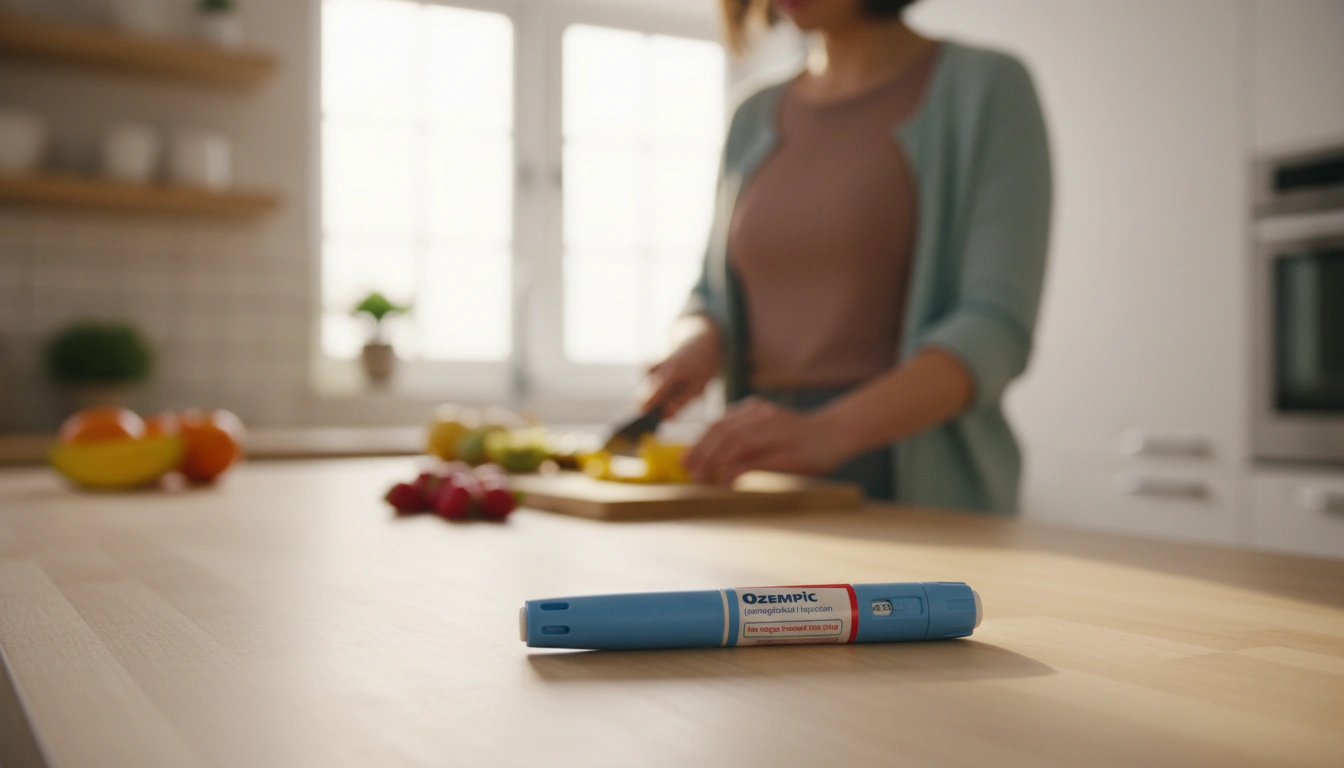
Ozempic is supplied in prefilled, disposable pens designed for once-weekly subcutaneous injection. These pens come in different strengths and configurations, each designed to deliver specific doses. It’s important to be familiar with these variations to ensure proper use, although your healthcare provider will guide you through the specifics.
There are typically three main types of Ozempic pens, characterized by the total amount of semaglutide they contain and the doses they can deliver:
- 2 mg/3 mL Pen (0.68 mg/mL concentration): This pen is designed to deliver starting and lower maintenance doses. It provides either 0.25 mg or 0.5 mg per injection. A single pen of this strength typically contains enough medication for four 0.25 mg doses followed by two 0.5 mg doses (for a total of 6 doses) or four 0.5 mg maintenance doses. This pen is often used during the initial titration phase.
- 4 mg/3 mL Pen (1.34 mg/mL concentration): This pen is specifically for delivering the 1 mg maintenance dose. It contains enough medication for four 1 mg doses.
- 8 mg/3 mL Pen (2.68 mg/mL concentration): This pen is for delivering the maximum 2 mg maintenance dose. It contains enough medication for four 2 mg doses.
Each pen is designed for single-patient use and contains multiple doses. The dose counter on the pen allows you to dial in the prescribed amount accurately. It’s crucial to verify the pen’s label matches the medication prescribed and to check that the liquid inside is clear and not cloudy. Always use a new needle for each injection to prevent contamination, infection, or blockages. After use, needles must be properly disposed of in an FDA-approved sharps container or a sturdy plastic household container. TrimRx partners with FDA-registered and inspected pharmacies for the shipping of weight loss medications, ensuring that you receive authentic products and clear instructions for their safe handling.
The TrimRx Approach to Personalized Weight Loss and Health
At TrimRx, we believe that effective health management, particularly for weight loss and related conditions, thrives on personalization and support. Our approach is built on a foundation of trust, innovation, and genuine care, setting us apart in the journey toward a healthier you.
Our Vision: Merging Innovation with Empathy
Our journey at TrimRx began with a shared vision: to help individuals embrace healthier lifestyles by merging cutting-edge telehealth innovations with effective weight loss solutions. We recognized a significant need for a more accessible, supportive, and medically sound approach to weight management. We understood that while medications like Ozempic offer profound benefits, they are most effective when integrated into a comprehensive, individualized plan.
Our platform is meticulously designed to be a user-friendly and supportive space where individuals receive personalized, medically supervised care. This care is not just about prescribing medication; it’s about creating a holistic pathway to sustainable weight loss that is attainable and tailored to the individual. We are driven by the belief that sustainable weight loss should be achieved through science, empathy, and a transparent approach. This philosophy permeates every aspect of our service, from your initial consultation to ongoing support. We aim to demystify complex medical processes, providing clarity and confidence every step of the way.
Why Personalized Care Makes a Difference
The concept of a “one-size-fits-all” approach often falls short in health and weight management. What works for one person may not be effective or safe for another. This is precisely where TrimRx’s commitment to personalized care shines. We combine advanced medical science with modern technology to deliver a program that respects every individual’s unique journey.
Our comprehensive service includes several key components, all designed with your success in mind:
- Doctor Consultations: You receive a thorough consultation with a qualified healthcare provider who takes the time to understand your medical history, current health status, and weight loss goals. This is where your personalized treatment plan, including determining what is average dose of Ozempic for your needs, begins.
- Medication from Trusted Pharmacies: If deemed appropriate for you, medications such as Ozempic® (an FDA-approved branded medication), or other options like compounded Semaglutide or Tirzepatide, are provided through FDA-registered and inspected pharmacies. It’s important to note that while branded medications like Ozempic® and Zepbound® are FDA-approved, compounded medications are not FDA-approved. However, our commitment to safety means we exclusively partner with pharmacies that meet stringent FDA registration and inspection standards for all products they ship.
- Lab Work: Essential lab tests are included to provide your healthcare provider with crucial insights into your metabolic health, helping to tailor your treatment plan and monitor progress effectively.
- Unlimited Support: We believe that consistent support is paramount. Our programs offer unlimited support, ensuring you have a dedicated team to answer questions, address concerns, and guide you through your journey. Our commitment to transparent service means our supportive approach remains consistent, regardless of dosage changes.
- Shipping: Your prescribed medications are conveniently shipped directly to you, streamlining the process and making access to your treatment easier.
Our brand personality—empathetic, innovative, trustworthy, supportive, results-oriented, and personalized—is evident in every interaction. We offer compassionate care that respects your unique situation, providing not just medication, but a partnership in your health. To find out if a personalized plan is right for you, we encourage you to [take our free assessment quiz] to see if you qualify for our prescription weight loss medications. For those seeking immediate support without a prescription, we also offer [GLP-1 Daily Support] and [Weight Loss Boost] supplements, available for immediate purchase to support overall wellness during your weight loss journey.
Navigating Your Treatment Journey: Practical Considerations
Starting a new medication like Ozempic involves more than just understanding the dosage; it requires incorporating it effectively into your daily life and knowing how to respond to its effects. Our aim at TrimRx is to equip you with the practical knowledge and continuous support needed to navigate your treatment journey with confidence.
Administering Ozempic: Injection Techniques and Best Practices
Ozempic is administered via a subcutaneous injection, meaning it’s injected just under the skin. While your healthcare provider will provide detailed instruction, understanding general best practices can enhance safety and effectiveness.
- Injection Sites: The recommended injection sites are the abdomen (at least two inches away from the belly button), the thigh, or the upper arm. It’s crucial to rotate your injection site each week. For example, if you injected into your abdomen one week, consider your thigh the next. This rotation helps prevent skin irritation, hardening, or other reactions at the injection site.
- Consistency is Key: Choose a specific day of the week and a consistent time for your injection. This helps maintain steady levels of the medication in your system. Whether it’s Monday morning or Wednesday evening, sticking to your chosen schedule will optimize results. If you miss a dose, take it as soon as you remember, provided it’s within five days of the missed dose. If more than five days have passed, skip the missed dose and resume your regular schedule with the next planned injection. Never take two doses at once to make up for a missed one.
- Needle Safety: Always use a new, sterile needle for each injection. Reusing needles can increase the risk of infection, cause pain, and affect medication delivery. Never share your Ozempic pen or needles with anyone else, even if the needle is changed, as this poses a significant risk of transmitting infections.
- Proper Disposal: After each injection, immediately dispose of the used needle in an FDA-approved sharps disposal container or a sturdy, puncture-resistant household container with a tight-fitting lid. This ensures safety for you, your household, and waste handlers.
These practices, combined with the detailed instructions provided by your TrimRx healthcare team, will ensure you administer your medication safely and effectively.
What to Expect and When to Seek Guidance
As you begin your Ozempic journey, it’s natural to have questions about what to expect and when to seek professional guidance.
- Onset of Results: Many individuals begin to notice improvements in blood sugar control within 1 to 2 weeks of reaching the 0.5 mg dose. For weight loss, noticeable changes can take a bit longer, often becoming apparent between 8 to 12 weeks, and can continue for months as the dosage is titrated. Clinical studies have shown significant improvements in blood sugar control and a reduction in body weight, ranging from 5-15% of total body weight depending on the dose and individual adherence, after prolonged use.
- Common Side Effects: The most common side effects are gastrointestinal, including nausea, vomiting, diarrhea, and constipation. These are often most prominent during the initial titration phase and tend to lessen as your body adjusts to the medication. Eating smaller meals, avoiding fatty foods, and staying hydrated can help manage these symptoms.
- When to Contact Your Healthcare Provider: While minor side effects are common, it’s important to know when to seek medical advice. Contact your TrimRx healthcare provider immediately if you experience:
- Severe and persistent abdominal pain, which could indicate pancreatitis (inflammation of the pancreas).
- Symptoms of gallbladder problems, such as severe stomach pain, fever, yellowing of the skin or eyes.
- Signs of a serious allergic reaction, including rash, itching, swelling of your face, lips, tongue, or throat, or difficulty breathing.
- Changes in vision, which could be a sign of diabetic retinopathy.
- Symptoms of acute kidney injury, such as decreased urination, swelling, or confusion, particularly if you have pre-existing kidney conditions.
- Persistent or worsening gastrointestinal side effects that significantly impact your quality of life.
Through our programs, you receive unlimited support, ensuring you always have a resource to turn to with questions or concerns. Our compassionate care respects every individual’s unique journey, and we are here to provide guidance and adjustments as needed.
Beyond Prescription: Supporting Your Wellness Journey
While prescription medications like Ozempic can be powerful tools, we understand at TrimRx that they are often part of a broader lifestyle transformation. True well-being encompasses more than just medication; it involves nutrition, activity, and comprehensive support. To complement your personalized medication plan, or for those looking for direct support, we offer quick-access supplements.
These supplements are designed to support overall wellness and enhance the benefits of your weight loss journey:
- [GLP-1 Daily Support]: This supplement is formulated to complement your weight loss journey by supporting various metabolic functions and overall well-being. It’s an excellent option for those looking for additional daily assistance.
- [Weight Loss Boost]: Designed to further enhance your efforts, this supplement is crafted to provide an extra layer of support as you work towards your weight loss goals.
These quick-access supplements do not require a quiz or a prescription and are available for immediate purchase. They reflect our commitment to providing a holistic range of solutions to help you achieve and maintain a healthier lifestyle. Whether you’re exploring what is average dose of Ozempic with our personalized programs or seeking additional wellness support, TrimRx is here to empower your journey.
Conclusion
Embarking on a weight loss and health improvement journey requires reliable information, expert guidance, and unwavering support. Understanding the nuances of medications like Ozempic, including the crucial aspect of what is average dose of Ozempic, is a foundational step. We’ve explored how Ozempic works, the typical titration schedule from a starting dose of 0.25 mg to a maximum of 2 mg weekly, and the many factors that personalize this dosage to your unique needs. This gradual, medically supervised approach ensures both efficacy in managing blood sugar and weight, and minimizes potential side effects.
At TrimRx, our core mission is to empower individuals to embrace healthier lifestyles through clinically proven, personalized weight loss solutions. Our journey began with the vision of merging cutting-edge telehealth innovations with effective, empathetic care. We stand by our commitment to science, transparency, and individualized treatment, offering comprehensive services that include doctor consultations, medication from FDA-registered and inspected pharmacies, lab work, unlimited support, and convenient shipping. We believe that true progress comes from a partnership, where you are supported every step of the way.
Your path to a healthier future is unique, and we are dedicated to providing the tools and guidance you need to succeed. Whether you’re exploring the potential of prescription weight loss medications or seeking immediate wellness support, TrimRx is here for you. We invite you to take the next step towards a more vibrant, healthier you. [Take our free assessment quiz] today to see if you qualify for our personalized prescription weight loss programs, or explore our immediate support options with [GLP-1 Daily Support] and [Weight Loss Boost] to complement your journey.
Frequently Asked Questions (FAQ)
Can I adjust my Ozempic dose myself if I’m not seeing results or have side effects?
No, it is crucial never to adjust your Ozempic dose without explicit guidance from your healthcare provider. Dosage adjustments are made based on careful assessment of your blood sugar levels, weight loss progress, and side effect profile, and must be medically supervised to ensure safety and effectiveness.
How long will I be on Ozempic treatment?
Ozempic is typically prescribed as a long-term treatment. If you and your healthcare provider determine that it is safe and effective for you, it is likely that you will continue using it long-term to manage blood sugar and maintain weight loss benefits.
Is Ozempic only for people with diabetes?
Ozempic is FDA-approved for adults with type 2 diabetes to improve blood sugar control and reduce cardiovascular risk. While it can lead to significant weight loss, it is not FDA-approved for weight loss alone. Other medications containing semaglutide (the active ingredient in Ozempic) are specifically approved for weight management.
How does TrimRx ensure the safety of my medication?
At TrimRx, safety is paramount. We partner exclusively with FDA-registered and inspected pharmacies for the shipping of all weight loss medications. This ensures that the products you receive meet rigorous quality and safety standards. Our comprehensive service also includes medically supervised consultations, lab work, and unlimited support to monitor your health and address any concerns throughout your treatment journey.

Transforming Lives, One Step at a Time
Keep reading

Ozempic Results After One Year: What Long-Term Use Looks Like
A full year on Ozempic puts you in a category that most weight loss approaches never reach: sustained, medically supported treatment that has had…

Ozempic Results at 6 Months: Progress and What Comes Next
Six months on Ozempic is a significant milestone. By this point, most patients have reached a therapeutic dose, worked through the early adjustment period,…

Ozempic Results at 3 Months: What to Realistically Expect
Three months into Ozempic, most people are starting to see results that feel genuinely meaningful. By this point you’ve moved through the starting dose,…


