How Long Does It Take for Semaglutide to Work for Weight Loss

Introduction
Standing on a scale and seeing the same number day after day can be one of the most discouraging experiences on a health journey. Many people turn to GLP-1 medications because they have reached a plateau where traditional diet and exercise no longer seem to provide the same results. If you are considering or have recently started this path, your most pressing question is likely: how long will it take to see a difference? At TrimRx, we believe that understanding the timeline of your treatment is essential for maintaining the motivation and patience required for long-term success. This article will break down the biological stages of the medication, the standard titration schedule, and what you can realistically expect in the first days, weeks, and months of your program. By setting clear expectations, you can focus on the steady progress that leads to sustainable health.
If you are exploring whether a personalized GLP-1 program may fit your goals, you can take the free assessment quiz.
The Science of Semaglutide and Weight Loss Timelines
To understand the timeline of weight loss, we must first look at how the medication functions within the body. Semaglutide is a glucagon-like peptide-1 (GLP-1) receptor agonist. In simpler terms, it is a medication that mimics a natural hormone your body produces when you eat. This hormone communicates with your brain to signal that you are full and tells your stomach to slow down the digestion process.
For a broader explanation of the medication’s effects, read this guide to how semaglutide works for weight loss.
When you begin treatment, the medication does not immediately change your body composition. Instead, it begins the process of “metabolic resetting.” This involves several physiological shifts that happen at different speeds:
- Appetite Regulation: For many, the “food noise”—the constant intrusive thoughts about the next meal—begins to quiet within the first few days.
- Gastric Emptying: The rate at which food leaves your stomach slows down almost immediately, which helps you feel satisfied with smaller portions.
- Insulin Sensitivity: The medication helps your body manage blood sugar more efficiently, which can reduce cravings for high-sugar foods.
Because these changes happen internally, the scale may not reflect them in the first week. The body needs time to adjust to the presence of the medication and begin burning stored fat as the primary energy source.
The First Month: What Happens Immediately
The first four weeks of a program are often referred to as the “initiation phase.” During this time, the primary goal is not rapid weight loss, but rather introducing the medication to your system safely. Most individuals start at a very low dose, typically 0.25 mg, to allow the digestive system to adapt.
For a detailed week-by-week overview, explore this semaglutide weight loss timeline.
Week 1 and Week 2 are often characterized by a change in sensation rather than a change in size. You might notice that you cannot finish a meal that was previously easy to consume. You might also notice a decrease in the urge to snack between meals. Some people do experience an initial drop in weight during these first two weeks, often attributed to a reduction in water weight and decreased inflammation as caloric intake drops.
Week 3 and Week 4 continue this trend. As the medication builds up in your bloodstream, the appetite suppression becomes more consistent. While some individuals lose several pounds in this first month, others may see very little movement on the scale. It is important to remember that a lack of immediate weight loss in month one is not an indication that the medication is “not working.” It simply means your body is still in the adjustment phase.
Key Takeaway: The first month is about biological adaptation. Focus on how your hunger levels are changing rather than just the number on the scale.
Understanding the Titration Schedule
One of the most important factors in the weight loss timeline is the titration schedule. This is the process of gradually increasing the dose of the medication over several months. This slow approach is designed to minimize side effects like nausea or fatigue while helping your body reach the “therapeutic dose”—the level at which maximum weight loss typically occurs.
A standard titration schedule often looks like this:
- Month 1: 0.25 mg (Initiation)
- Month 2: 0.5 mg
- Month 3: 1.0 mg
- Month 4: 1.7 mg
- Month 5 and beyond: 2.4 mg (Maintenance)
Clinical studies for branded medications like Wegovy® and Ozempic® (which are trademarked products not sold by our platform) show that the most significant weight loss occurs once patients reach the 1.0 mg or 2.4 mg doses. Because it takes at least three months to reach these levels, many people do not see “transformative” results until they are 12 to 16 weeks into their journey.
If you are using a personalized program through us, your licensed healthcare provider will monitor your progress and side effects to determine if you should stay at a lower dose for longer or move up according to the standard schedule. This personalization is why some people see results faster than others; their bodies may respond optimally to a mid-level dose without needing to reach the maximum. If you are ready to discuss eligibility, complete a free eligibility assessment.
Factors That Influence How Quickly You See Results
No two bodies are exactly alike, and several variables will determine your specific weight loss speed. Understanding these can help you avoid comparing your journey to others.
Starting Weight and Body Composition
Individuals with a higher initial Body Mass Index (BMI) often see a faster initial drop in weight. This is because a larger body requires more energy to maintain itself; when caloric intake drops significantly due to the medication, the energy deficit is larger, leading to faster fat burning in the early stages.
Dietary Choices and Protein Intake
While the medication reduces how much you eat, what you eat still matters. A diet high in lean protein helps preserve muscle mass while you lose fat. If you lose muscle, your metabolism can slow down, which might eventually lead to a plateau. Focus on high-fiber vegetables and lean proteins to support the medication’s work. For more guidance, read about protein and strength training during a GLP-1 plateau.
Physical Activity Levels
The medication is a powerful tool, but it works best when paired with movement. You do not need to spend hours in the gym, but regular walking or resistance training can accelerate the fat-loss process and improve your metabolic health.
If you are looking for additional energy and metabolic support during weight loss, explore the Weight Loss Boost supplement.
Metabolic History
If you have a history of insulin resistance, PCOS, or type 2 diabetes, your weight loss may be more gradual. In these cases, the medication is first working to correct metabolic imbalances and stabilize blood sugar. Once the internal environment is regulated, the body becomes more efficient at releasing stored fat.
Managing Common Side Effects During the Early Weeks
For some, the timeline of weight loss is interrupted by side effects that make it difficult to stay consistent. The most common issues include nausea, constipation, or mild fatigue. These symptoms usually occur shortly after an injection and typically fade as the body gets used to the dose.
For more information about staying on track when results feel slow, read why you may not be losing weight on a GLP-1.
To keep your progress on track, consider the following management strategies:
- Hydration: Drink plenty of water, as the medication can change your thirst signals.
- Small, Frequent Meals: Instead of three large meals, try five small ones to avoid feeling overly full or nauseated.
- Avoid Greasy Foods: High-fat or fried foods can slow digestion even further, leading to discomfort.
If side effects become a barrier to your progress, it is essential to consult with a licensed healthcare provider. They may suggest staying at your current dose for an extra month to give your body more time to adapt before increasing.
Setting Realistic Milestones for Your Journey
When looking at the long-term horizon, it is helpful to have realistic benchmarks. Based on clinical research, many patients can expect to lose approximately 5% of their initial body weight by the three-month mark. By the six-month mark, many have reached a 10% reduction.
Quick Answer: Most people begin to see noticeable weight loss within 4 to 8 weeks, but the most significant results typically appear after 3 to 6 months when the therapeutic dose is reached and metabolic changes have stabilized.
Myth: If I don’t lose weight in the first two weeks, the medication is failing. Fact: The first month is the lowest dose possible. Significant weight loss usually starts after the first or second dose increase.
It is also important to track non-scale victories (NSVs). These are indicators of health that have nothing to do with the number on the scale. Are your clothes fitting differently? Do you have more energy in the afternoon? Is your blood pressure improving? These are all signs that the medication is working to improve your metabolic health, even if the scale is temporarily stagnant.
How a Personalized Program Supports Your Success
Navigating the timeline of weight loss can be confusing, especially when you are doing it alone. This is where a telehealth-first approach becomes invaluable. We provide a platform where you can access licensed providers who understand the nuances of GLP-1 medications.
Through TrimRx, you start with a free assessment quiz that helps a provider understand your medical history and goals. From there, if you are a candidate for a prescription program, you receive a plan tailored to your needs. This includes medications like Compounded Semaglutide, which is prepared by FDA-registered, inspected compounding pharmacies. Unlike branded options that you might find at a local pharmacy, these programs include the physician consultation, lab work (if required), and the medication itself, all shipped directly to your door.
Having 24/7 access to a dedicated team means that if your weight loss feels too slow or if you are struggling with the titration schedule, you have a professional to guide you. You are never left guessing whether you should increase your dose or change your habits. To see whether a personalized program may be appropriate for you, find out if GLP-1 medications are right for you.
The Long-Term Perspective: 6 to 12 Months
The journey with semaglutide is a marathon, not a sprint. The most successful individuals are those who view the medication as a long-term support system. Research suggests that weight loss continues to accumulate for up to 68 weeks (about 15 months) before reaching a steady maintenance phase.
By the six-month mark, the habits you have built—smaller portions, better food choices, and regular movement—become second nature. The medication acts as the biological “floor,” preventing your body from fighting against your weight loss efforts by keeping hunger hormones in check. At this stage, your body has likely reached its therapeutic dose, and the focus shifts from losing weight to maintaining your new, healthier baseline.
For another perspective on long-term progress, review this guide to semaglutide results from month one through month six.
Conclusion
The timeline for seeing results with semaglutide is different for everyone, but the biological process remains consistent. While the first few weeks focus on quiet internal changes and adaptation, the true “work” of weight loss picks up speed as you move through the titration schedule. Patience is your greatest ally during the first two months of any program. By combining the metabolic support of medication with consistent lifestyle changes, you are setting the stage for a transformation that lasts. At TrimRx, we are dedicated to providing the clinical expertise and personalized care you need to navigate every week of this journey with confidence. Our mission is to help you move past the frustration of temporary fixes and toward a lifestyle of sustainable metabolic health. If you are ready to see what a personalized program can do for you, the best first step is to complete our free online assessment.
FAQ
Why am I not losing weight in the first week of semaglutide?
The first week uses a very low “initiation dose” designed to help your body adjust to the medication without severe side effects. Significant fat loss takes time to reflect on the scale, as your body is primarily focused on regulating blood sugar and slowing digestion during these initial days.
What is the therapeutic dose for weight loss?
For most people, the therapeutic dose—where the greatest weight loss occurs—is between 1.0 mg and 2.4 mg. It typically takes three to five months of gradual increases to safely reach these levels, which is why patience in the early stages is so important.
Can I speed up my weight loss results?
While you should never increase your medication dose faster than your provider recommends, you can support the process through lifestyle choices. Prioritizing lean protein, staying hydrated, and engaging in regular physical activity can help your body burn fat more efficiently and preserve muscle mass.
What should I do if I hit a weight loss plateau?
Plateaus are a normal part of any weight loss journey as the body finds a new equilibrium. If your weight hasn’t changed for several weeks, your provider may suggest adjusting your dose, reviewing your nutritional intake, or increasing your physical activity to help restart your progress. You can also read this guide to restarting weight loss after a GLP-1 plateau.
Disclaimer: This content is for informational purposes only and does not constitute medical advice. It is not intended to diagnose, treat, cure, or prevent any disease or condition. Individual results may vary. Always consult a qualified healthcare professional before starting any weight loss program or medication.

Transforming Lives, One Step at a Time
Keep reading
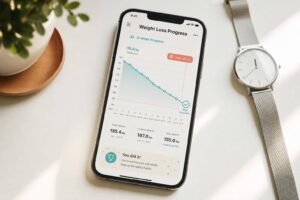
Weight Loss Progress Tracker
Track your weight loss over time, see progress clearly, and stay motivated with simple charts, summaries, and goal-based insights.

How to Create a Personalized Adherence Plan
Build a one-page GLP-1 adherence plan: record dose, pick a weekly time, set reminders, log side effects, and review monthly.

Weight Loss Medication Dosage Calculator
Estimate weight loss medication doses by weight and drug type, with starting guidance, dose progression info, and a clear medical disclaimer.


