What Are the Negative Side Effects of GLP-1?

Table of Contents
- Introduction
- Understanding How GLP-1 Medications Work
- Common Gastrointestinal Side Effects
- Managing Common Digestive Issues
- The Reality of “Ozempic Face” and Skin Changes
- Serious but Rare Side Effects
- Side Effect Comparison: Semaglutide vs. Tirzepatide
- Who Should Exercise Caution?
- The Role of Personalized Support in Managing Side Effects
- Lifestyle Strategies for Long-Term Success
- Looking Ahead: What to Expect
- Conclusion
- FAQ
Introduction
Starting a weight loss journey often feels like a series of “what-ifs.” What if this program finally works? What if it doesn’t? And lately, with the rise of modern medications, many people are asking: what if I experience side effects? If you have been researching glucagon-like peptide-1 (GLP-1) receptor agonists, you are likely aware of their potential to support significant weight management. However, understanding the reality of what these medications feel like day-to-day is crucial for long-term success.
At TrimRx, we believe that transparency is the foundation of a healthy medical journey. While these medications have helped many individuals reach their health goals, they are not without their challenges. This article will detail the common, rare, and cosmetic side effects associated with GLP-1 medications, providing you with the knowledge to manage them effectively under the guidance of a healthcare professional. Our goal is to help you navigate your personalized treatment program with confidence and clarity. If you are considering treatment, you can complete a free eligibility assessment.
Understanding How GLP-1 Medications Work
To understand why side effects happen, it is helpful to look at how these medications function within your body. GLP-1 is a hormone that your body naturally produces in your intestines after you eat. It signals your brain that you are full, tells your stomach to slow down digestion, and prompts your pancreas to release insulin.
GLP-1 receptor agonists are medications designed to mimic this natural hormone. When you take a medication like Semaglutide or Tirzepatide, you are essentially giving your body a more powerful and longer-lasting version of that “fullness” signal. For a broader overview, read what GLP-1 medications do in the body.
Key Takeaway: GLP-1 medications work by mimicking natural hormones that regulate appetite and digestion. Because they slow down how quickly your stomach empties, most side effects are related to the digestive system.
Common Gastrointestinal Side Effects
The most frequently reported negative side effects of GLP-1 medications are gastrointestinal (GI) in nature. Because the medication slows gastric emptying—the process by which food leaves your stomach—your digestive system must adapt to a new rhythm. You can also review this guide to common GLP-1 side effects and what to expect.
Nausea and Vomiting
Nausea is the most common side effect, particularly when first starting the medication or when increasing the dosage. For many, this feels like a mild “queasiness” that often subsides as the body adjusts. In some cases, this can lead to vomiting, especially if a person continues to eat after feeling full.
Diarrhea and Constipation
The changes in digestive speed can go in two directions. Some individuals experience diarrhea as the body reacts to the medication’s impact on the gut. Others may experience constipation because food is moving through the digestive tract much more slowly, allowing the body to absorb more water from the waste.
Heartburn and Indigestion
Slower digestion means food sits in the stomach longer, which can lead to acid reflux or a feeling of “heaviness” in the chest. This is often more pronounced after eating high-fat or greasy foods, which are already difficult for the body to digest quickly.
Managing Common Digestive Issues
While these side effects can be frustrating, they are often manageable with lifestyle adjustments. Most symptoms are temporary and occur during the initial “titration” period—the time when your healthcare provider gradually increases your dose to help your body acclimate. Additional meal-planning guidance is available in this resource on what to eat while taking a GLP-1.
Step 1: Adjust your eating habits. / Eat smaller, more frequent meals rather than three large ones. Stop eating the moment you feel a “sigh of fullness” to avoid overtaxing your stomach.
Step 2: Prioritize hydration. / Sip water throughout the day. Dehydration can worsen nausea and is a primary cause of constipation.
Step 3: Modify your food choices. / Focus on bland, simple foods like crackers, toast, or ginger-based teas during bouts of nausea. Avoid fried, spicy, or extremely sugary foods, as these are the most likely triggers for GI distress.
Step 4: Monitor your protein intake. / Consuming enough protein is essential when your overall food intake decreases. This supports muscle maintenance while your body focuses on fat loss.
Bottom line: Most common side effects are digestive and tend to peak during dose changes. Staying hydrated and eating slowly are the most effective ways to mitigate these symptoms.
The Reality of “Ozempic Face” and Skin Changes
You may have heard the term “Ozempic face” in the news or on social media. While the name specifically references Ozempic®, this phenomenon is not a direct toxic side effect of the medication itself. Instead, it is a result of rapid weight loss.
When an individual loses a significant amount of weight quickly, the fat pads in the face—which provide volume and a youthful appearance—can diminish. This can lead to:
- A hollowed or sunken appearance around the cheeks and eyes.
- Increased visibility of fine lines and wrinkles.
- Sagging skin around the jawline or neck.
This can happen with any method of rapid weight loss, including bariatric surgery or intensive dieting. To help support skin health during your journey, we often recommend focusing on high-quality nutrients. Our GLP-1 Daily Support supplement is designed to provide essential vitamins that may be lacking when your appetite is significantly reduced, helping to support your body’s overall resilience.
Serious but Rare Side Effects
While the majority of users experience mild to moderate side effects, there are rare but serious risks associated with GLP-1 medications. It is important to be aware of these so you can seek medical attention if necessary.
Pancreatitis
Pancreatitis is an inflammation of the pancreas. Research suggests a small increase in risk for those taking GLP-1 receptor agonists. Symptoms include severe abdominal pain that may radiate to the back, often accompanied by vomiting and fever.
Gallbladder Issues
Rapid weight loss can increase the risk of gallstones or gallbladder inflammation (cholecystitis). If you experience sharp pain in your upper right abdomen or yellowing of the skin (jaundice), contact a healthcare provider immediately.
Gastroparesis (Stomach Paralysis)
In very rare cases, the slowing of the stomach can become severe, a condition known as gastroparesis. This results in the stomach being unable to move food into the small intestine at all. Symptoms include persistent vomiting of undigested food and a feeling of extreme fullness after only a few bites.
Potential Thyroid Risks
In laboratory studies involving rodents, GLP-1 medications were linked to a specific type of thyroid tumor. While it is currently unknown if this risk translates to humans, these medications are not recommended for individuals with a personal or family history of Medullary Thyroid Carcinoma (MTC) or Multiple Endocrine Neoplasia syndrome type 2 (MEN 2).
Important: If you experience severe, persistent abdominal pain or uncontrollable vomiting, you should stop the medication and consult a medical professional immediately.
Side Effect Comparison: Semaglutide vs. Tirzepatide
Different GLP-1 medications may have slightly different side effect profiles. While they share many similarities, the “dual-action” nature of some newer medications can change how the body responds. For a closer look, read about tirzepatide and semaglutide side effect differences.
| Side Effect | Semaglutide (e.g., Wegovy®) | Tirzepatide (e.g., Zepbound®) |
|---|---|---|
| Nausea | Very common, usually mild to moderate. | Common, often reported as slightly lower than semaglutide. |
| Vomiting | Occasional, usually related to overeating. | Occasional, similar to semaglutide. |
| Constipation | Common due to slowed gastric emptying. | Common; some users report more frequent constipation. |
| Diarrhea | Reported by some users. | Reported by some users. |
| Heartburn | Common if eating high-fat foods. | Common if eating high-fat foods. |
Who Should Exercise Caution?
Not everyone is a candidate for GLP-1 medications. During our free assessment quiz, we evaluate your medical history to ensure that a personalized program is safe for you.
You should consult a healthcare provider before starting these medications if you:
- Have a history of pancreatitis.
- Have severe kidney or liver disease.
- Are pregnant, breastfeeding, or planning to become pregnant.
- Have a history of severe gastrointestinal disorders like gastroparesis.
- Have a history of diabetic retinopathy.
A personalized approach is the safest way to manage weight loss. By working with a platform like us, you gain access to specialists who can monitor your progress and adjust your treatment plan based on how your body is reacting to the medication.
The Role of Personalized Support in Managing Side Effects
At TrimRx, our philosophy is that no one should have to navigate the complexities of medical weight loss alone. While the negative side effects of GLP-1 medications are real, they do not have to be a barrier to your health goals. Learn more about how online GLP-1 prescriptions work and what ongoing support can involve.
When you join a program through our platform, you aren’t just getting a prescription; you are getting a dedicated team. This support is vital for several reasons:
- Dose Management: A licensed provider can help you “titrate” your dose slowly, which is the most effective way to prevent severe nausea.
- Monitoring: Regular check-ins allow us to catch potential issues, like dehydration or nutrient deficiencies, before they become serious.
- Supplementation: We offer targeted support through products like Weight Loss Boost, which can help maintain energy levels and metabolic health as your body changes.
- 24/7 Access: Having a team to answer your questions about a specific symptom can provide peace of mind and keep you on track.
Myth: If you have side effects, it means the medication is “poisoning” you. Fact: Side effects are often a sign that the medication is biologically active in your body. In most cases, they are a temporary result of your digestive system learning to function at a different speed.
Lifestyle Strategies for Long-Term Success
Minimizing side effects is often about what you do outside of the medication itself. Your daily habits can either exacerbate or soothe the symptoms you feel.
Prioritize Protein and Fiber
To combat constipation, ensure you are getting adequate fiber from vegetables and whole grains. However, introduce fiber slowly; too much fiber too fast can cause bloating and gas. Protein is equally important to prevent muscle wasting, which can contribute to feelings of weakness or fatigue. These priorities are also covered in this guide to getting the most out of GLP-1 treatment.
Mindful Movement
Light exercise, such as walking, can help stimulate digestion and reduce the feeling of “heaviness” in the stomach. However, avoid intense workouts immediately after eating, as this can trigger reflux or nausea while taking a GLP-1.
Use the Assessment Quiz
Before starting any journey, the first step is understanding your unique health profile. Our free assessment quiz is designed to gather the necessary data so that the licensed providers we partner with can determine if a GLP-1 program is the right fit for your needs and risk profile.
Looking Ahead: What to Expect
If you are concerned about the negative side effects of GLP-1, it helps to look at the timeline. Most people report that side effects are most intense during the first two to four weeks of a new dosage. As your body reaches a “steady state,” these symptoms often diminish or disappear entirely.
Weight loss is a marathon, not a sprint. While the initial side effects can be a hurdle, the potential benefits—including improved blood sugar levels, lower blood pressure, and a reduced risk of weight-related health conditions—are significant.
Our mission at TrimRx is to help individuals embrace healthier lifestyles through science and empathy. We provide a transparent, personalized approach that prioritizes your well-being at every step. By focusing on a telehealth-first model, we ensure you have the support you need from the comfort of your home, without the stress of waiting rooms or hidden fees.
Conclusion
Understanding the negative side effects of GLP-1 is a vital part of being an informed patient. While nausea, constipation, and changes in facial volume are common experiences, they are often manageable with the right support and lifestyle adjustments. Serious risks are rare, and with professional medical oversight, you can navigate your journey safely.
By choosing a personalized program, you ensure that your treatment is tailored to your specific health history and goals. Whether you are considering Compounded Semaglutide or Compounded Tirzepatide, remember that the goal is sustainable, long-term health. Taking that first step with a clear understanding of the road ahead is the best way to ensure your success.
Key Takeaway: Knowledge is your best tool for managing weight loss. By understanding the “why” behind side effects, you can take proactive steps to feel your best while reaching your goals.
Your Next Steps:
- Take the free assessment quiz to see if a personalized program is right for you.
- Focus on hydration and protein intake to support your body.
- Consult with a provider if you experience persistent or severe symptoms.
FAQ
How long do the side effects of GLP-1 medications usually last?
For most people, side effects like nausea or diarrhea are temporary and last for a few days to a few weeks. These symptoms usually occur when you first start the medication or when your dose is increased. Once your body adjusts to the hormone levels, these feelings typically subside.
Can I prevent “Ozempic face” while losing weight?
The best way to minimize changes in facial appearance is to lose weight at a gradual, steady pace rather than very rapidly. Ensuring you eat enough protein and staying hydrated can also support skin elasticity. Some people also find that using high-quality skincare or collagen-supporting supplements can help.
Is it normal to feel extremely tired on a GLP-1 medication?
Fatigue is a reported side effect for some individuals, often because they are consuming significantly fewer calories than their body is used to. It is important to ensure you are getting enough nutrients and staying hydrated. If fatigue is severe or persistent, you should discuss it with your healthcare provider. Some people exploring nutritional support may consider the Weight Loss Boost supplement.
What should I do if my nausea is preventing me from eating at all?
If nausea is so severe that you cannot maintain basic nutrition or hydration, you should contact your provider immediately. They may suggest a lower dose, a different dosing schedule, or lifestyle changes to help you manage the symptom. Never simply stop a prescribed medication without consulting your medical team.
Disclaimer: This content is for informational purposes only and does not constitute medical advice. It is not intended to diagnose, treat, cure, or prevent any disease or condition. Individual results may vary. Always consult a qualified healthcare professional before starting any weight loss program or medication.

Transforming Lives, One Step at a Time
Keep reading
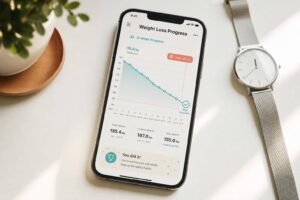
Weight Loss Progress Tracker
Track your weight loss over time, see progress clearly, and stay motivated with simple charts, summaries, and goal-based insights.

How to Create a Personalized Adherence Plan
Build a one-page GLP-1 adherence plan: record dose, pick a weekly time, set reminders, log side effects, and review monthly.

Weight Loss Medication Dosage Calculator
Estimate weight loss medication doses by weight and drug type, with starting guidance, dose progression info, and a clear medical disclaimer.


