What Happens If I Take Too Much Zepbound? Signs and Safety Steps
Introduction
It is a moment of immediate concern: you look down at your medication pen or syringe and realize the dose was higher than intended, or perhaps you accidentally took a second dose too soon. In the journey toward better metabolic health, these moments of uncertainty are common, but they can be deeply stressful. Understanding what happens if I take too much Zepbound is essential for anyone using this medication to manage their weight. At TrimRx, we believe that education and professional support are the most important tools in your weight loss toolkit. If you want to see whether a personalized prescription program may be a fit, you can take the free assessment quiz. This article covers the physical symptoms of an accidental overdose, immediate steps you should take for your safety, and how to prevent dosing errors in the future. By knowing the signs and having a clear plan, you can stay focused on your long-term health goals with confidence.
Quick Answer: If you take too much Zepbound (tirzepatide), you may experience severe gastrointestinal distress, including intense nausea, persistent vomiting, and abdominal pain. Immediate actions include contacting your healthcare provider or a poison control center (1-800-222-1222) and monitoring for signs of dehydration or low blood sugar.
How Tirzepatide Affects Your Body
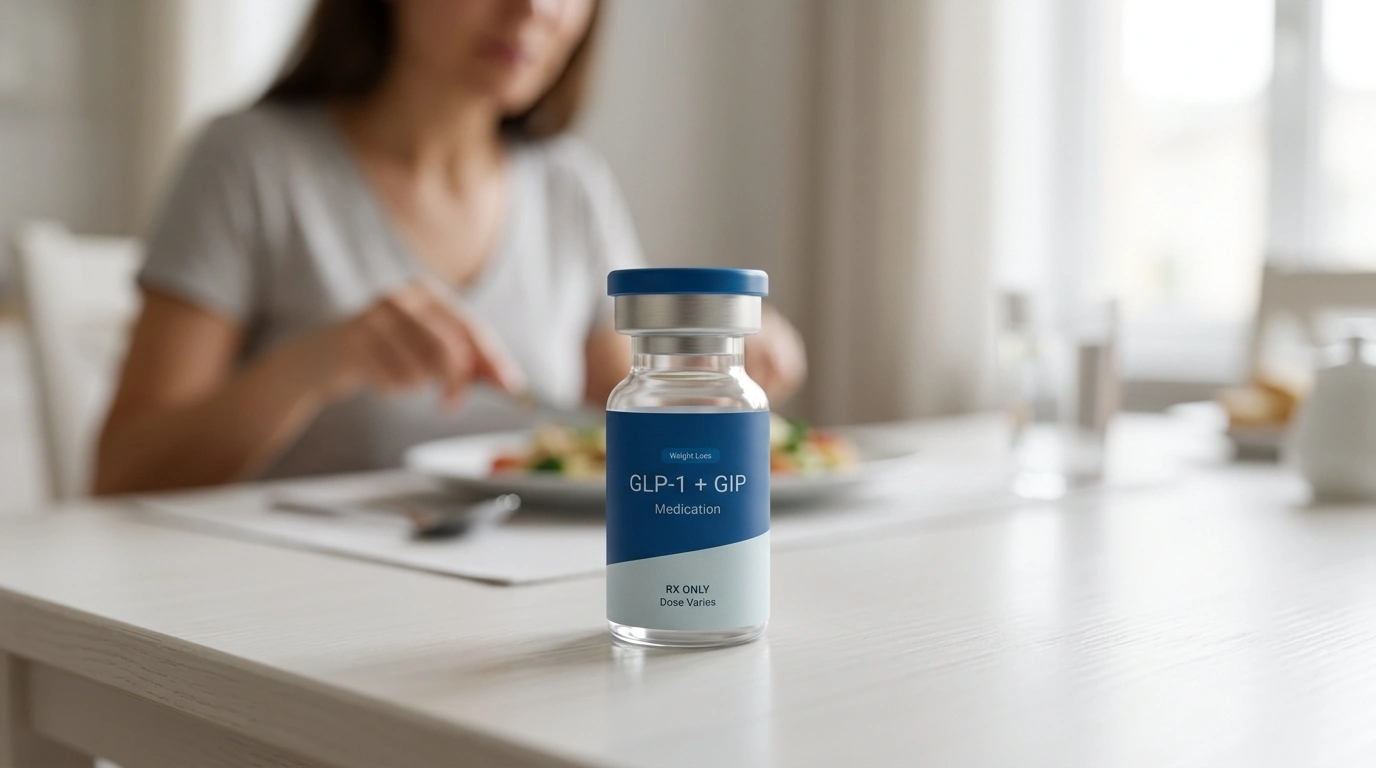
To understand why taking too much of this medication causes specific symptoms, it helps to understand how it works. Zepbound® is a brand-name medication containing the active ingredient tirzepatide. This belongs to a class of drugs called dual GIP and GLP-1 receptor agonists. For a broader look at how this medication class works in everyday treatment, you can read our GLP-1 support and weight loss guide.
A receptor agonist is a substance that mimics a naturally occurring hormone in your body to trigger a specific response. Tirzepatide mimics two hormones: glucagon-like peptide-1 (GLP-1) and glucose-dependent insulinotropic polypeptide (GIP). These hormones are naturally released by your intestines when you eat.
When you take a standard dose, these hormones work together to:
- Signal to your brain that you are full (increasing satiety).
- Slow down gastric emptying, which is the speed at which food leaves your stomach.
- Help your pancreas release the right amount of insulin to manage blood sugar.
When you take too much, these processes can go into “overdrive.” The slowing of your stomach becomes so pronounced that it causes significant discomfort, and the signals to your brain can trigger intense nausea.
Immediate Symptoms of Taking Too Much Zepbound
If an individual accidentally takes an excessive dose, the symptoms usually relate to the digestive system. Because the medication stays in your system for a long time—it has a “half-life” of about five days—the symptoms may not appear instantly, but once they start, they can last for several days.
Severe Gastrointestinal Distress
The most common sign of taking too much is a significant increase in the side effects many people already experience at lower doses. This includes:
- Uncontrollable Nausea: A feeling of sickness that does not go away even when you haven’t eaten.
- Persistent Vomiting: The body may try to reject even small sips of water.
- Intense Abdominal Pain: This may feel like sharp cramping or a heavy, “brick-like” sensation in the stomach due to the extreme slowing of digestion.
- Severe Diarrhea: This can rapidly lead to fluid loss.
Hypoglycemia (Low Blood Sugar)
While tirzepatide is designed to manage blood sugar, an overdose can cause it to drop too low, especially if you are also taking other medications like insulin. This is known as hypoglycemia.
Note: Symptoms of low blood sugar include dizziness, confusion, shakiness, a rapid heartbeat, and sweating. If you feel faint or “jittery” after an accidental overdose, you should check your blood sugar if possible and seek medical advice.
Dehydration and Electrolyte Imbalance
The primary danger of the vomiting and diarrhea associated with an overdose is dehydration. When your body loses too much fluid and essential salts (electrolytes), it can affect your kidney function and heart rhythm. If you are looking for extra nutritional support during treatment, our GLP-1 Daily Support supplement is designed for routine support alongside GLP-1 use.
| Symptom Category | Expected Side Effects | Overdose Warning Signs |
|---|---|---|
| Nausea | Mild, usually after meals or dose increases. | Constant, preventing any food or water intake. |
| Vomiting | Occasional or none. | Persistent, lasting more than 12–24 hours. |
| Stomach Pain | Mild bloating or “full” feeling. | Severe, sharp, or localized pain that radiates to the back. |
| Hydration | Normal thirst. | Extreme thirst, dry mouth, or dark-colored urine. |
What to Do If You Take Too Much: A Step-by-Step Guide
If you realize you have taken more than your prescribed dose, follow these steps immediately. Do not wait for symptoms to become severe before seeking guidance.
Step 1: Contact Professional Help Immediately
Call your prescribing healthcare provider right away. If they are unavailable, contact a poison control center. In the United States, you can reach America’s Poison Centers at 1-800-222-1222. They are equipped to handle medication errors and can provide specific advice based on the amount you took.
Step 2: Do Not Induce Vomiting
Unless specifically told to do so by a medical professional, do not attempt to make yourself throw up. This can cause further irritation to the esophagus and increase the risk of dehydration.
Step 3: Monitor for Severe “Red Flag” Symptoms
Keep a close eye on your physical state. Seek emergency medical care (ER or 911) if you experience:
- Inability to keep any liquids down for more than 12 hours.
- Severe pain in the upper stomach that moves to your back (a potential sign of pancreatitis, or inflammation of the pancreas).
- Extreme dizziness, fainting, or confusion.
- Yellowing of the skin or eyes (jaundice).
Step 4: Prioritize Hydration
If you are able to swallow, take small, frequent sips of water or an electrolyte replacement drink. Avoid large gulps, which can trigger more vomiting.
Step 5: Document the Error
Note down exactly how much you took, the time you took it, and the time you noticed the error. This information is vital for doctors if you need treatment.
For a more detailed look at the warning signs and next steps, our guide to taking too much tirzepatide covers the same safety concerns from a medication-focused perspective.
Key Takeaway: An overdose of Zepbound is rarely fatal, but it can be extremely uncomfortable and lead to serious complications like dehydration or kidney stress. Prompt communication with a medical professional is your best defense.
Why Dosing Errors Happen
Errors usually fall into two categories: mechanical errors with the device and human errors in calculation. Understanding these can help you stay vigilant.
Mechanical or Device Errors
Zepbound® is typically provided in a single-dose pre-filled pen. These pens are designed to be “all or nothing.” However, errors occur if:
- A patient tries to take two shots because they weren’t sure the first one “clicked.”
- The patient uses a pen with a higher dose intended for a later stage in their treatment.
Calculation Errors with Vials and Syringes
While branded Zepbound® comes in pens, many people use compounded tirzepatide because of supply shortages or cost. Compounded medications are prepared in FDA-registered and inspected compounding pharmacies. These are typically shipped in vials, requiring the user to draw the medication into a syringe manually.
This manual process introduces more room for error. A patient might confuse “units” on a syringe with “milligrams” of the drug. For example, drawing 50 units when the prescription calls for 5 units can result in a 10-fold overdose. If you are navigating compounded dosing, our tirzepatide side effects and management guide is a helpful related resource.
Note: If you are using compounded tirzepatide, always double-check your dose with your provider’s instructions before every injection. Never assume the “units” are the same if your medication concentration changes.
Serious Complications of an Overdose
While most people recover from a dosing error with rest and hydration, there are serious medical conditions that can arise from taking too much tirzepatide.
Acute Pancreatitis
The pancreas is an organ that helps with digestion and blood sugar regulation. GLP-1 and GIP medications affect the pancreas. In rare cases, an overdose can trigger pancreatitis (inflammation of the pancreas). This is a medical emergency characterized by severe, persistent abdominal pain that may feel like it is “boring” through to your back.
Kidney Injury
The kidneys filter waste from your blood. If you become severely dehydrated from vomiting or diarrhea, your kidneys may not receive enough blood flow to function correctly. This is called acute kidney injury. Signs include a significant decrease in urination or swelling in the ankles and feet.
Severe Gastroparesis
Gastroparesis is a condition where the stomach stops moving food through to the small intestine. Because tirzepatide naturally slows the stomach, an overdose can cause it to stop almost entirely. This leads to intense bloating, vomiting of undigested food eaten hours earlier, and severe discomfort.
Bottom line: While the symptoms of an overdose are mostly gastrointestinal, they can escalate into systemic issues like kidney stress or pancreatic inflammation if not managed by a professional.
How to Prevent Dosing Errors
Prevention is the most effective way to ensure your weight loss journey remains safe and productive. We encourage all our members at TrimRx to develop a consistent routine for their injections.
- The “Double-Check” Rule: Before you inject, look at the label on the pen or vial. Verify that the dose matches what your provider prescribed for that week.
- Keep a Medication Log: Use a calendar or a health app to check off your dose as soon as you take it. This prevents “double-dosing” because you forgot you already took your shot.
- Proper Lighting and Focus: Never take your medication in the dark or while distracted. Ensure you can clearly see the markings on the syringe or the dose window on the pen.
- Education is Key: If you are using a syringe for the first time, ask your provider for a video demonstration or a clear chart that translates your dose into the specific units on your syringe.
- Storage Safety: Keep your medication in its original packaging in the refrigerator. Do not store different doses (e.g., 2.5 mg and 5 mg pens) in the same container to avoid grabbing the wrong one.
For more background on how these medications compare in real treatment plans, you can also read our semaglutide and tirzepatide comparison.
Managing the Aftermath: When Can You Dose Again?
If you have taken too much, do not simply take your next dose on your usual schedule. Your body needs time to clear the excess medication and for your digestive system to recover.
Consult Your Provider
Only a healthcare professional can tell you when it is safe to resume your medication. They may suggest skipping a week or returning to a lower “starting” dose to allow your body to readjust.
Listen to Your Body
Even if your doctor says it is okay to resume, if you are still feeling nauseous or having trouble eating, your body may not be ready. Taking more medication too soon can prolong the “overdose” effect.
How TrimRx Supports Your Safety
Navigating medications like tirzepatide or semaglutide can feel overwhelming, especially with the complexities of dosing and titration (slowly increasing your dose). At TrimRx, we prioritize a telehealth-first approach that keeps you connected to clinical expertise without the need for in-person visits.
Our program is designed around personalized care. When you use our platform, you aren’t just getting a prescription; you are gaining access to a dedicated team of specialists who can guide you through the process. Whether you are using Mounjaro®, Zepbound®, or a compounded tirzepatide prepared by an FDA-registered pharmacy, having a team to answer your questions is vital for preventing the very errors discussed in this article.
If you ever feel uncertain about your dose or how to use your medication, our specialists are available to provide clarity. We believe that weight loss should be a supported experience, where your safety is the primary metric of success.
Myth: “If I take more than prescribed, I will just lose weight faster.” Fact: Taking too much tirzepatide does not lead to healthy, sustainable weight loss. Instead, it leads to severe illness, dehydration, and potential hospitalization, which can actually stall your progress and force you to stop the medication entirely.
Taking the Next Step
If you are ready to start a weight loss journey built on science, safety, and clinical supervision, the process begins with understanding your unique health profile. To see whether a personalized prescription program is right for you, you can take the free assessment quiz.
For those looking for additional ways to support their body while on GLP-1 or GIP medications, we also offer quick-access supplements. Our GLP-1 Daily Support supplement is designed to help manage the common, mild side effects that occur even with correct dosing, such as occasional nausea or digestive sluggishness.
Your health is too important to leave to chance or guesswork. By choosing a program that emphasizes medical oversight and clear communication, you significantly reduce the risk of dosing errors and increase your chances of reaching your goals safely.
FAQ
What should I do immediately if I realize I took a double dose of Zepbound?
Contact your healthcare provider or call the Poison Control Center at 1-800-222-1222 immediately. Do not wait for symptoms to appear, and do not attempt to induce vomiting. Focus on drinking small sips of water to stay hydrated while you wait for professional guidance. If you want help deciding whether a prescription program is appropriate for you, you can take the free assessment quiz.
Can taking too much Zepbound cause permanent damage?
For most people, the effects of a one-time overdose are temporary and resolve as the medication leaves the system. However, severe dehydration from vomiting can lead to acute kidney injury, and inflammation of the pancreas (pancreatitis) can have long-term health implications. Seeking medical attention early is the best way to prevent lasting complications. For a closer look at related treatment concerns, see our tirzepatide safety guide.
How long will I feel sick if I take too much tirzepatide?
Tirzepatide has a long half-life of about five days, meaning it stays in your system for quite a while. If you take too much, you may feel significant side effects for several days to a week. You should remain under the guidance of a healthcare provider until your symptoms have fully subsided.
Is it easier to overdose on compounded tirzepatide than the branded pen?
Overdoses can happen with both, but compounded versions often require using a vial and syringe, which involves more manual steps and calculation. Errors frequently occur when patients misread the “units” on a syringe. Always verify your specific volume with your provider if you are using compounded medication from an FDA-registered pharmacy. If you need extra nutritional support while adjusting to treatment, our GLP-1 Daily Support supplement is designed for that routine.
Disclaimer: This content is for informational purposes only and does not constitute medical advice. It is not intended to diagnose, treat, cure, or prevent any disease or condition. Individual results may vary. Always consult a qualified healthcare professional before starting any weight loss program or medication.

Transforming Lives, One Step at a Time
Keep reading

Why Is There a Bruise Where I Injected My Zepbound?
A bruise means a small blood vessel was disturbed under the skin and blood spread into the surrounding tissue. It is one of the…
My Zepbound Pen Won’t Click Past a Certain Dose
Start by checking which device you are holding, because the answer depends entirely on that. Zepbound has commonly been supplied in the United States…
Zepbound Alternatives: Your Options Compared
If Zepbound isn’t the right fit, the main alternative is semaglutide (sold as Wegovy), which produces slightly less weight loss but works similarly, along…


