Understanding What is a Normal Ozempic Dose for a Healthier You
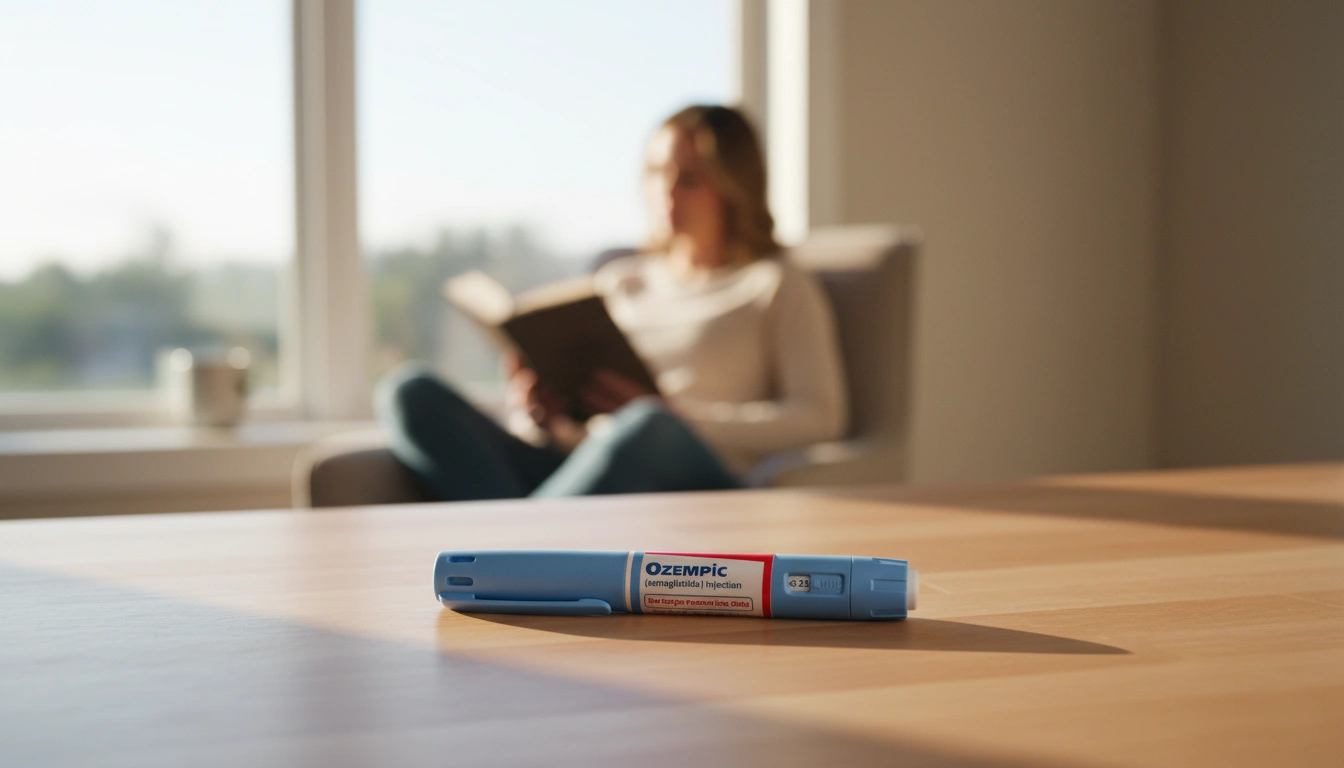
Navigating the complexities of managing blood sugar levels or embarking on a weight loss journey can often feel overwhelming. Many individuals find themselves seeking clarity on effective treatments, and medications like Ozempic have emerged as significant tools in this pursuit. Yet, a common question arises: “what is a normal Ozempic dose?” This query, while seemingly straightforward, opens the door to a deeper understanding of personalized care, the science behind such treatments, and the meticulous process of dosage titration.
At TrimRx, our journey began with a shared vision to empower individuals to embrace healthier lifestyles. We achieve this by merging cutting-edge telehealth innovations with effective weight loss solutions, creating a user-friendly and supportive space. Here, individuals receive personalized, medically supervised care, all designed to make sustainable weight loss attainable and tailored to their unique needs. We believe that lasting health transformations should be achieved through science, empathy, and a transparent approach. Our goal with this article is to demystify the typical dosing schedules for Ozempic, providing you with clear, authoritative information grounded in medical science, while highlighting how a personalized approach can truly make a difference in your health journey. We will explore the standard titration process, the factors that influence dosage, and how comprehensive support can optimize your treatment outcomes.
Unpacking the Role of Ozempic in Health Management
Ozempic, a brand name for the active ingredient semaglutide, is a medication that has garnered significant attention for its efficacy in managing type 2 diabetes. Approved by the Food and Drug Administration (FDA), its primary roles include improving blood sugar levels alongside diet and exercise and lowering the risk of serious cardiovascular problems—such as stroke and heart attack—in adults with type 2 diabetes and established heart disease. More recently, its benefits have extended to reducing the risk of worsening kidney disease and death from cardiovascular disease in adults with type 2 diabetes and chronic kidney disease.
Semaglutide belongs to a class of medications called GLP-1 receptor agonists. These agents mimic the action of glucagon-like peptide-1 (GLP-1), a natural hormone in the body that plays a crucial role in regulating blood sugar. When blood sugar levels are high, GLP-1 stimulates the pancreas to release insulin. It also reduces the amount of glucose produced by the liver, slows down gastric emptying, and influences appetite centers in the brain, leading to reduced food intake. This multi-faceted mechanism of action is why Ozempic can be so effective not just in glycemic control but also in supporting weight management as a beneficial side effect for many individuals.
Understanding how this medication works is the first step toward appreciating the importance of its dosage. The path to finding what is a normal Ozempic dose is not a one-size-fits-all scenario; instead, it’s a carefully orchestrated titration process designed to maximize benefits while minimizing potential side effects.
The Foundation of Ozempic Dosing: A Gradual Approach
The concept of a “normal” dose for Ozempic is rooted in a gradual increase, or titration, to allow your body to adjust to the medication. This strategy is critical for reducing the likelihood and severity of gastrointestinal side effects, such as nausea, vomiting, and diarrhea, which are common when initiating GLP-1 receptor agonists.
When starting Ozempic, the initial dose is intentionally low, not typically aimed at achieving immediate therapeutic effects, but rather to prepare your system. This careful escalation underscores our commitment at TrimRx to compassionate care that respects every individual’s unique journey. We combine advanced medical science with modern technology to ensure a personalized approach.
Initiating Treatment: The Starting Dose
The typical starting dose for Ozempic is 0.25 mg once per week. This dosage is administered for the first four weeks of treatment. During this period, your body begins to acclimate to the presence of semaglutide. While it may not significantly impact blood sugar levels or weight at this stage, it’s a vital preparatory phase. Think of it as laying the groundwork for more effective treatment.
Our medical team understands the importance of this initial phase. We emphasize transparent service and ensure that our approach remains consistent, guiding you through each step. If you’re considering a personalized weight loss program that might include medications like Ozempic, we encourage you to [take our free assessment quiz] to determine your eligibility and receive a personalized treatment plan designed with your unique needs in mind.
Stepping Up: The Incremental Increases
Following the initial four weeks at 0.25 mg, the dosage is typically increased to 0.5 mg once per week. This is usually continued for at least another four weeks. At this point, many individuals begin to observe more noticeable improvements in their blood sugar control and may experience some initial weight loss. This dosage often serves as a beneficial therapeutic level for a significant number of patients.
However, if, after these four weeks, blood sugar levels remain inadequately managed, or if further therapeutic effect is desired, your healthcare provider may consider another increase. The next step typically involves escalating the dose to 1 mg once per week. This dosage provides a stronger therapeutic effect and is often considered a maintenance dose for many individuals.
For some, even the 1 mg dose may not be sufficient to achieve optimal blood sugar control or weight management goals. In such cases, and under careful medical supervision, the dosage may be further increased to the maximum recommended dose of 2 mg once per week. This represents the highest dose approved for Ozempic and is reserved for individuals who require the most robust therapeutic intervention.
It’s important to remember that each dosage increase typically occurs in four-week intervals, allowing sufficient time for the body to adapt and for healthcare providers to assess the medication’s efficacy and tolerability. This structured titration schedule is fundamental to safe and effective treatment with Ozempic.
Ozempic Pen Strengths and Delivery
Ozempic is supplied as a liquid solution in prefilled, disposable pens designed for subcutaneous injection. These pens come in various strengths, each engineered to deliver specific dosages. Understanding these different pens is crucial for proper administration and for comprehending what is a normal Ozempic dose at each stage.
There are primarily three different Ozempic pens available, distinguished by the total amount of semaglutide they contain and the specific doses they can deliver:
- The 2 mg/3 mL Pen: This pen contains a solution of 0.68 mg/mL. It is designed to deliver the lower starting and initial maintenance doses of 0.25 mg or 0.5 mg per injection. This is the pen typically used during the initial phases of treatment.
- The 4 mg/3 mL Pen: This pen contains a solution of 1.34 mg/mL. It is configured to deliver 1 mg per injection. This pen is often introduced once a patient has titrated up to the 1 mg weekly dose.
- The 8 mg/3 mL Pen: This pen contains a solution of 2.68 mg/mL. It is designed to deliver 2 mg per injection. This pen is used for individuals who require the maximum weekly dose for their treatment goals.
Each pen contains multiple doses, and the number of doses per pen depends on the specific dosage prescribed. Our commitment to safety extends to ensuring that all medications, including Ozempic, are provided through FDA-registered, inspected, and approved pharmacies, reinforcing our trustworthy approach to your care.
Factors Influencing Your Personalized Ozempic Dosage
While the titration schedule provides a general framework, the reality is that individual responses to medication can vary significantly. This is why personalization is at the core of our approach at TrimRx. What is a normal Ozempic dose for one person may not be ideal for another. Several factors play a critical role in determining the most appropriate dosage for each individual.
Individual Health Profile
Your overall health status, including any pre-existing conditions beyond type 2 diabetes, is a primary consideration. For instance, individuals with impaired kidney function may require careful monitoring and potential adjustments, though studies generally suggest that Ozempic does not necessitate dose changes based solely on kidney function for most patients with kidney disease. However, close observation is crucial, as some individuals with kidney disease may be at a higher risk of acute kidney injury, particularly during the initial phases of treatment. Our medically supervised care includes thorough evaluations to ensure your safety and effectiveness.
Treatment Goals
The specific goals of your treatment will also guide the dosage. For someone primarily focused on blood sugar control, a lower maintenance dose might be sufficient. However, if there’s a strong emphasis on achieving greater weight management or maximizing cardiovascular and renal protective benefits, a higher dose may be warranted, provided it is well-tolerated. Our results-oriented approach means we work with you to align your medication regimen with your personal health objectives.
Concomitant Medications
The presence of other medications in your regimen can influence how Ozempic is processed by your body and its overall effect. For example, if you are also taking other medications that lower blood sugar, such as insulin or sulfonylureas, your healthcare provider will need to closely monitor your blood glucose levels to prevent hypoglycemia (low blood sugar) and may adjust the dosages of either Ozempic or the other medications accordingly. It’s vital to provide a comprehensive list of all medications, supplements, and herbal remedies you are taking during your consultation.
Tolerability and Side Effects
Perhaps one of the most significant factors in dosage adjustment is how well you tolerate the medication. While the titration schedule is designed to minimize side effects, some individuals may still experience persistent or severe gastrointestinal issues even at lower doses. In such cases, your healthcare provider may decide to keep you on a lower dose for an extended period, or even reduce it, to ensure comfort and adherence to treatment. Our empathetic and supportive team is always available to discuss any concerns you may have, ensuring your journey is as smooth as possible. We offer unlimited support to guide you through any challenges.
Lifestyle Factors
Lifestyle modifications, including diet and exercise, are integral to the success of any weight management or diabetes treatment plan. Significant changes in these areas can impact blood sugar levels and weight, potentially influencing the optimal Ozempic dose. Regular monitoring and open communication with your healthcare provider are key to ensuring your dosage remains appropriate for your evolving lifestyle.
Considering these various factors, it becomes clear why a personalized approach is not just beneficial but essential. At TrimRx, we pride ourselves on offering comprehensive service that includes doctor consultations, necessary lab work, and continuous support, ensuring your treatment plan is perfectly attuned to your individual needs. We believe this personalized care is what truly makes sustainable weight loss attainable.
Administering Your Ozempic Dose: Practical Guidance
Beyond knowing what is a normal Ozempic dose, understanding how to properly administer the medication is crucial for its effectiveness and safety. Ozempic is a weekly subcutaneous injection, meaning it is injected just under the skin.
Injection Sites and Rotation
The recommended injection sites are the abdomen, upper thigh, or upper arm. It is important to rotate your injection site each week. If you choose to inject in the same general area (e.g., the abdomen), make sure to select a different spot within that area for each injection. This practice helps prevent skin irritation, hardening, or localized reactions. While absorption rates can vary slightly between sites, all are effective. For instance, the abdomen often allows for faster absorption due to its rich blood supply.
Timing Your Dose
You should aim to inject Ozempic on the same day each week, but you have the flexibility to choose any time of day, with or without food. Establishing a consistent routine, such as injecting every Monday morning or Sunday evening, can help you remember your dose and maintain steady medication levels in your body. Setting a weekly reminder on your phone or using a medication tracker can be incredibly helpful.
What to Do If You Miss a Dose
Life happens, and sometimes a dose might be missed. If you forget to take your Ozempic dose and fewer than 5 days have passed since your last scheduled dose, you should take the missed dose as soon as you remember. However, if more than 5 days have passed since your last dose, it’s best to skip the missed dose and simply take your next scheduled dose on its regular day. It is critical not to take two doses at once to compensate for a missed dose, as this can lead to a severe drop in blood sugar (hypoglycemia) due to Ozempic’s long-acting nature.
Proper Storage of Ozempic Pens
Correct storage is vital for maintaining the efficacy of your medication. New, unopened Ozempic pens should be stored in the refrigerator between 36°F and 46°F (2°C and 8°C). Once a pen is in use, it can be kept either at room temperature (between 59°F and 86°F / 15°C and 30°C) or in the refrigerator, but it must be discarded after 56 days (8 weeks), even if there is still medication remaining. Never freeze Ozempic, and if it has been frozen, do not use it. Always protect your pen from heat and direct light.
Following these practical guidelines ensures you get the most out of your Ozempic treatment, maximizing its benefits for blood sugar management and weight support. Our supportive framework at TrimRx extends to providing detailed guidance and answering any questions you may have about medication administration.
Beyond Diabetes: Ozempic and Weight Management
While Ozempic is FDA-approved for managing type 2 diabetes and reducing related cardiovascular and kidney risks, its impact on weight has led to considerable interest in its potential for weight management. It’s crucial to clarify that Ozempic itself is not FDA-approved specifically for weight loss alone. However, because semaglutide (the active ingredient in Ozempic) influences appetite and satiety, weight loss is a common and often significant side effect for individuals using it to treat their type 2 diabetes.
For those whose primary goal is weight management, another medication containing semaglutide, called Wegovy, is FDA-approved for chronic weight management in adults with obesity or who are overweight with at least one weight-related condition. While the active ingredient is the same, Wegovy is prescribed at higher doses specifically for weight loss. It is important never to use Ozempic and Wegovy simultaneously, as this would double the semaglutide dose and significantly increase the risk of side effects.
At TrimRx, we understand that weight management is a complex, personal journey. We offer a range of clinically proven, personalized weight loss solutions, including prescription medications like Ozempic, compounded semaglutide, compounded tirzepatide, and other branded options such as Mounjaro® and Zepbound®, all of which require a personalized assessment to determine eligibility. These options are provided through FDA-registered and inspected pharmacies, ensuring safety and quality. If you’re exploring the best path for your weight loss journey, we invite you to [take our free assessment quiz] to explore a personalized treatment plan that could include these advanced solutions.
Moreover, for those seeking immediate support for their overall wellness journey, we provide quick-access supplements that do not require a quiz. Our [GLP-1 Daily Support] is designed to complement your body’s natural processes, while our [Weight Loss Boost] offers additional support for your metabolic health. These options reflect our holistic approach to health, emphasizing that there are multiple pathways to achieving your wellness goals.
The TrimRx Advantage: Personalized Care and Comprehensive Support
Understanding what is a normal Ozempic dose is just one piece of the puzzle. The true success of any weight management or diabetes treatment lies in personalized care and continuous support. At TrimRx, we embody an empathetic, innovative, trustworthy, supportive, and results-oriented brand personality, striving to make your health journey as effective and comfortable as possible.
Our platform is meticulously designed to provide a seamless and supportive experience. From your initial free assessment quiz, which helps us understand your unique health profile and determine eligibility for prescription medications, to ongoing doctor consultations and unlimited support, we are with you every step of the way. We partner with FDA-registered and inspected pharmacies for the shipping of weight loss medications, ensuring that you receive safe and high-quality products. It’s important to note that while we facilitate access to medical care through our network of providers, TrimRx does not provide direct medical supervision. Our comprehensive service package includes everything from the doctor consultation and medication to necessary lab work and shipping, all with no hidden fees, underscoring our commitment to transparency.
We believe in empowering you with knowledge and tools, which is why this deep dive into Ozempic dosing is so important. When you engage with TrimRx, you’re not just getting a prescription; you’re gaining a partner dedicated to your long-term health and well-being. Our approach is designed to ensure sustainable weight loss is not just a dream, but an attainable reality, tailored precisely to your individual needs and circumstances.
Conclusion
Understanding what is a normal Ozempic dose involves appreciating a carefully orchestrated, personalized titration process, rather than a fixed number. From the initial 0.25 mg weekly dose, incrementally increasing to 0.5 mg, 1 mg, and potentially the maximum of 2 mg, each step is designed to optimize efficacy while minimizing discomfort. This gradual approach, coupled with careful consideration of individual health factors, concomitant medications, and treatment goals, forms the cornerstone of safe and effective Ozempic therapy.
At TrimRx, we are deeply committed to providing clinically proven, personalized weight loss solutions through a blend of advanced medical science and modern technology. Our transparent service, compassionate care, and dedication to your unique journey ensure that you receive the support needed to achieve your health objectives. Whether you’re exploring the potential of prescription medications like Ozempic, compounded semaglutide, or tirzepatide by taking our [free assessment quiz], or seeking immediate wellness support with our [GLP-1 Daily Support] and [Weight Loss Boost] supplements, we are here to guide you towards a healthier, more vibrant life. Remember, your journey to sustainable well-being is a partnership, and we are honored to be a part of yours.
Frequently Asked Questions
How long does it typically take to reach a maintenance dose of Ozempic?
The titration schedule is designed to gradually increase the dose every four weeks. Therefore, reaching a maintenance dose of 1 mg typically takes at least 8 weeks (4 weeks at 0.25 mg, then 4 weeks at 0.5 mg, before potentially increasing to 1 mg). Reaching the maximum dose of 2 mg would take at least 12 weeks.
Can Ozempic be used for weight loss even if I don’t have type 2 diabetes?
Ozempic (semaglutide) is FDA-approved for treating type 2 diabetes and reducing cardiovascular/kidney risks in diabetic patients. While weight loss is a common side effect, it is not approved for weight loss alone. For individuals focused solely on weight management, a similar medication containing semaglutide (Wegovy) is FDA-approved for that specific purpose. Our personalized assessment can help determine the most appropriate treatment path for your goals, including options like compounded semaglutide or tirzepatide which may be prescribed for weight management if medically appropriate. You can start by taking our [free assessment quiz].
What should I do if I experience severe side effects on my current Ozempic dose?
If you experience severe side effects such as persistent nausea, vomiting, severe abdominal pain, or any symptoms of an allergic reaction, you should contact your healthcare provider immediately. They can assess your symptoms, provide guidance, and determine if a dosage adjustment or a change in treatment plan is necessary to ensure your safety and comfort. Our supportive team is available to assist you in communicating with your care provider.
Are there any immediate support supplements I can take alongside my prescribed medication or for general wellness?
Yes, at TrimRx, we offer quick-access supplements designed to support your wellness journey without requiring a quiz. Our [GLP-1 Daily Support] is formulated to complement your body’s natural functions, while our [Weight Loss Boost] provides additional metabolic support. These supplements are available for immediate purchase and can be a valuable addition to your overall health regimen.

Transforming Lives, One Step at a Time
Keep reading

Ozempic Results After One Year: What Long-Term Use Looks Like
A full year on Ozempic puts you in a category that most weight loss approaches never reach: sustained, medically supported treatment that has had…

Ozempic Results at 6 Months: Progress and What Comes Next
Six months on Ozempic is a significant milestone. By this point, most patients have reached a therapeutic dose, worked through the early adjustment period,…

Ozempic Results at 3 Months: What to Realistically Expect
Three months into Ozempic, most people are starting to see results that feel genuinely meaningful. By this point you’ve moved through the starting dose,…


