When Does Tirzepatide Peak After Injection?
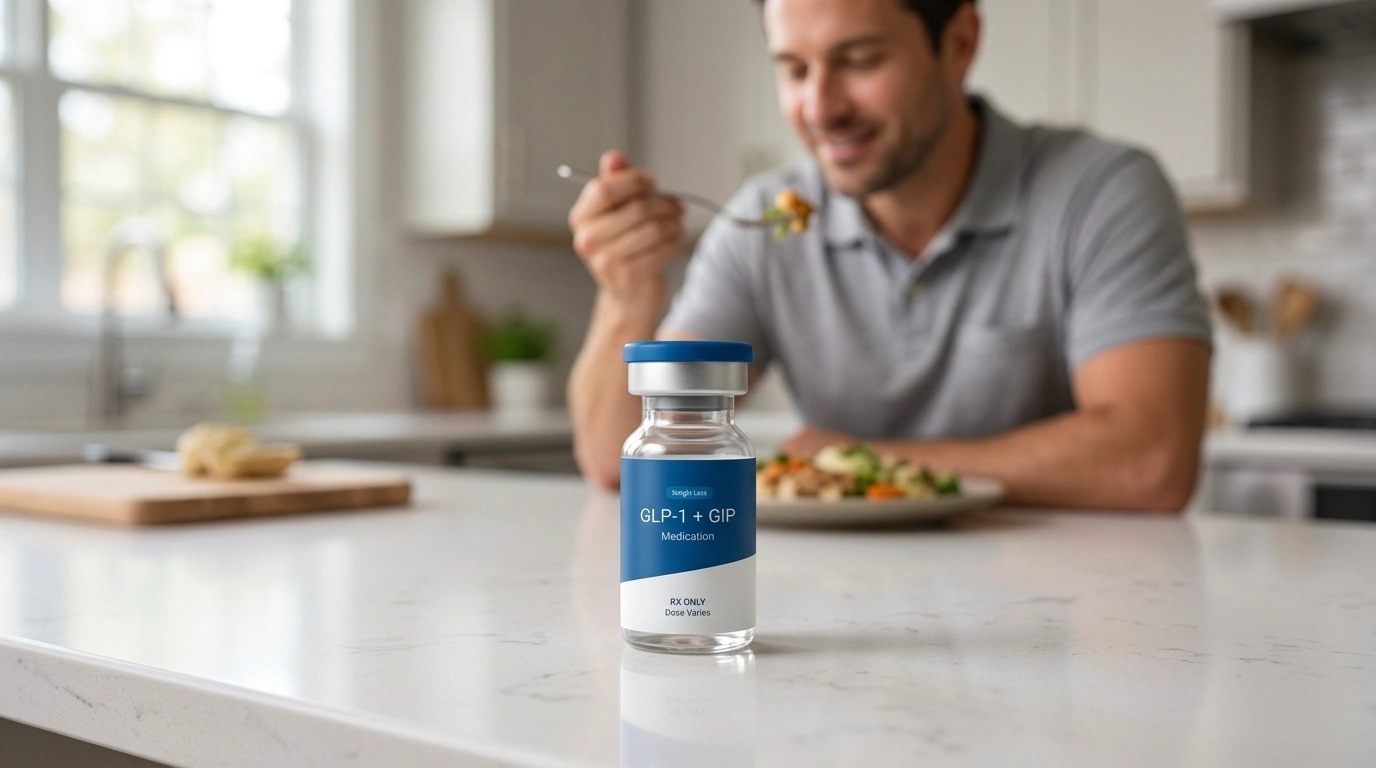
Table of Contents
- Introduction
- The Science of the Tirzepatide Peak
- Factors That Influence Peak Timing
- Managing the Peak Window and Side Effects
- Comparing Tirzepatide to Semaglutide Peaks
- The Concept of Steady State
- Why the “Trough” Matters Just as Much
- Optimizing Your Injection Schedule
- How to Prepare for Your Peak
- Safety and Provider Guidance
- Starting Your Journey with TrimRx
- Conclusion
- FAQ
Introduction
You have likely spent a significant amount of time researching the best path forward for your weight loss journey. After starting a new medication, it is natural to watch the clock and wonder exactly when the effects will take hold. If you are using or considering tirzepatide, understanding its “peak”—the moment the medication reaches its highest concentration in your bloodstream—is vital for managing both your expectations and potential side effects.
At TrimRx, we believe that clarity is the foundation of a successful health transformation. Whether you are using a branded medication like Mounjaro® or Zepbound®, or a compounded version prepared by an FDA-registered pharmacy, the way your body processes the molecule remains a key factor in your success. This article will explain the timeline of medication absorption, what happens biologically during that peak window, and how you can use this knowledge to optimize your weekly routine. Understanding the peak concentration of tirzepatide allows you to sync your lifestyle habits with the medication’s natural rhythm.
The Science of the Tirzepatide Peak
When we talk about a medication “peaking,” we are referring to a clinical term called Tmax. This is the time it takes for a drug to reach its maximum concentration in your plasma (the liquid part of your blood) after you administer a dose. For tirzepatide, this process is not instantaneous. Because it is injected subcutaneously (under the skin), the body absorbs it gradually.
Research and clinical data suggest that tirzepatide typically reaches its peak concentration between 8 and 72 hours after injection. While some individuals may feel the effects within the first several hours, the “full strength” of the dose usually settles in during that one-to-three-day window. This wide range exists because every metabolic system is unique, and factors like hydration and blood flow can influence how quickly the medication enters the central circulation.
Quick Answer: Tirzepatide generally reaches its peak concentration in the bloodstream between 8 and 72 hours after a subcutaneous injection, with most people experiencing the strongest effects on appetite suppression and side effects during this window.
Why the Peak Matters for Your Journey
The timing of the peak is significant because it often correlates with the highest level of appetite suppression. Tirzepatide is a dual-acting medication. It acts as a receptor agonist for both glucagon-like peptide-1 (GLP-1) and glucose-dependent insulinotropic polypeptide (GIP). A receptor agonist is a substance that mimics a naturally occurring hormone to trigger a specific response in the body.
The GLP-1 component focuses on slowing down your digestion and telling your brain that you are full. The GIP component is thought to improve how your body breaks down sugar and fat, while also potentially helping to buffer some of the nausea often associated with GLP-1 medications. When these two pathways peak, you are likely to feel the most significant “fullness.”
If you want a broader look at how tirzepatide affects digestion and appetite, our guide on what causes nausea with tirzepatide is a helpful companion read.
Factors That Influence Peak Timing
While the 8-to-72-hour window is the standard, several physiological and environmental factors can shift the needle. Understanding these can help you feel more in control of your treatment.
Injection Site Selection
Where you choose to administer your weekly dose can slightly alter the absorption rate. The three most common areas for subcutaneous injection are the abdomen, the thigh, and the back of the upper arm.
Clinical studies on similar medications have shown that the abdomen often provides the fastest absorption because of the consistent blood flow in that area. Conversely, the thigh may result in a slightly slower “climb” to the peak concentration. Some patients find that rotating their injection site not only prevents skin irritation but also helps them manage how quickly the medication takes effect.
For a related discussion of injection timing and the weekly rhythm of treatment, see our article on when tirzepatide peaks after injection.
Individual Metabolic Rate
Your body’s unique chemistry plays a massive role. Factors such as your age, current weight, and activity level can influence how quickly your lymphatic system and capillaries pick up the medication from the fatty tissue under your skin. An individual with a higher activity level may experience a slightly faster absorption rate compared to someone who is more sedentary, though these differences are usually marginal.
Hydration and Systemic Health
Hydration levels can impact blood volume and circulation. When you are well-hydrated, your body is generally more efficient at transporting substances through the bloodstream. This is one reason why many providers emphasize the importance of drinking plenty of water, especially in the 24 hours leading up to and following your injection.
If hydration has become a challenge during treatment, our hydration on tirzepatide guide explains why water intake matters so much once appetite is suppressed.
Key Takeaway: The “peak” is a window, not a single minute. Most people will find their appetite is lowest and their side effects are most noticeable during the second and third day following their injection.
Managing the Peak Window and Side Effects
For many people, the peak concentration of tirzepatide is a double-edged sword. While it brings the most profound appetite suppression, it is also the time when side effects like nausea, fatigue, or indigestion are most likely to occur. By anticipating when your peak will happen, you can take proactive steps to minimize discomfort.
Strategic Meal Planning
Since the medication slows down gastric emptying—the speed at which food leaves your stomach—eating a heavy, high-fat meal during your peak window can lead to significant discomfort. Because the food sits in the stomach longer, you may experience bloating or “sulfur burps.”
Instead, focus on smaller, nutrient-dense meals during your peak days. Prioritizing lean protein and fiber can help maintain your energy levels without overtaxing your digestive system. Many people find that eating their largest or “most adventurous” meal of the week the day before their injection—when the previous dose is at its lowest level—is a helpful strategy.
Supplementing Your Success
Navigating the peak can be easier with the right support. During the times when the medication is at its strongest, you might find it difficult to consume enough essential nutrients. We offer targeted solutions like GLP-1 Daily Support to help bridge the gap. These supplements are designed to support your body’s natural pathways and ensure you are getting the micronutrients necessary for metabolic health, even when your appetite is significantly reduced.
For a closer look at the role of supportive products during treatment, our post on what GLP-1 support can do for your weight loss journey is worth a read.
Monitoring for Dehydration
Nausea and a reduced drive to eat can often lead to a reduced drive to drink. Dehydration can worsen the very side effects you are trying to avoid, such as headaches and dizziness. Make a conscious effort to sip water or electrolyte-rich beverages consistently during the 48 hours following your dose.
If you are looking for a more detailed side effect breakdown, our guide on tirzepatide side effects: what to expect and how to manage can help you plan ahead.
Comparing Tirzepatide to Semaglutide Peaks
If you have previously used semaglutide—the active ingredient in medications like Wegovy® and Ozempic®—you might notice a difference in how tirzepatide feels. While both belong to the class of medications known as receptor agonists, their “behavior” in the body varies slightly.
| Feature | Tirzepatide (Mounjaro®/Zepbound®) | Semaglutide (Wegovy®/Ozempic®) |
|---|---|---|
| Receptor Targets | Dual (GLP-1 and GIP) | Single (GLP-1) |
| Average Peak Time | 8 to 72 Hours | 24 to 72 Hours |
| Half-Life | Approximately 5 Days | Approximately 7 Days |
| Steady State | Usually reached by week 4 | Usually reached by week 4-5 |
The primary difference lies in the dual-action nature of tirzepatide. Because it targets two different hormone receptors, the “peak” may feel more comprehensive in terms of appetite control. However, because it has a slightly shorter half-life (about five days) compared to semaglutide, some people notice the effects wearing off slightly faster toward the end of their seven-day cycle.
The Concept of Steady State
It is important to understand that your first injection will feel different than your fourth or fifth. This is due to a concept called “steady state.”
Steady state occurs when the amount of medication you are putting into your body is balanced with the amount your body is clearing out. Since the half-life of tirzepatide is about five days, but you inject it every seven days, a small amount of the previous dose is still in your system when you take your next shot.
After about four weeks of consistent dosing at the same level, the concentration of the medication in your blood remains more stable throughout the week. While you will still have a “peak” after each injection, the “troughs” (the lowest points) will be higher than they were in the first week. This is why many patients find that their side effects actually improve over time—their bodies have reached a state of equilibrium.
If you want a broader timeline perspective, our guide on how long tirzepatide takes to work for weight loss may be useful.
Why the “Trough” Matters Just as Much
While you may be focused on the peak, the “trough” is the period just before your next injection. During days six and seven of your weekly cycle, you might notice your hunger returning or “food noise” becoming a bit louder.
This is a normal part of the medication’s cycle. Do not feel as though the medication has stopped working. Instead, use these days as an opportunity to practice the mindful eating habits you are developing. The goal of a personalized program is not just to suppress appetite, but to give you the “breathing room” to make better lifestyle choices that will last long after your treatment.
Bottom line: Understanding that the medication naturally dips before the next dose can help you avoid frustration and stay on track with your nutritional goals.
Optimizing Your Injection Schedule
Knowing that the peak happens 8 to 72 hours after the shot allows you to be strategic about when you take it. There is no “perfect” day for everyone, but you can choose a day that aligns with your lifestyle.
The Weekend Strategy
Many people choose to take their injection on Friday morning or Thursday night. This ensures the peak concentration occurs during the weekend. For some, this is ideal because it prevents overindulgence during social gatherings or weekend dinners. However, if you typically experience significant fatigue during your peak, you may find that this strategy “ruins” your weekend rest.
The Mid-Week Strategy
Taking the injection on a Monday or Tuesday means you will be at your peak during the busiest part of the work week. This can be beneficial if you find that a busy schedule makes it harder to stick to your meal plan. By the time the weekend rolls around, the medication is at a lower concentration, which might allow you to enjoy a social meal with a bit more of an appetite.
How to Prepare for Your Peak
To make the most of your tirzepatide treatment, follow these simple steps each week:
- Step 1: Hydrate early. Drink an extra 16 to 24 ounces of water in the hours leading up to your injection.
- Step 2: Choose your site. Rotate your injection site each week to maintain skin health and ensure consistent absorption.
- Step 3: Eat light. Avoid greasy or heavy foods for 12 hours before and 24 hours after your dose to reduce the risk of nausea.
- Step 4: Track your timing. Keep a simple log of when you took your dose and when you felt the strongest effects. This helps you identify your personal peak window.
- Step 5: Rest if needed. If your peak window brings fatigue, allow yourself an extra hour of sleep or a lighter workout that day.
Safety and Provider Guidance
While understanding the pharmacokinetics (how the drug moves through the body) is helpful, it is never a substitute for professional medical advice. Every person’s journey with tirzepatide is unique. If you find that your “peak” comes with severe side effects that interfere with your daily life, it is crucial to speak with a healthcare provider.
They may suggest adjusting your dosage or changing your injection day. For those using our platform, you have 24/7 access to a team of specialists who can help you navigate these nuances. We are committed to ensuring that your experience is as smooth as possible, providing the clinical oversight needed to manage medications safely and effectively.
If you’re not sure whether a prescription program is the right next step, you can take the free assessment quiz to see what fits your goals.
Starting Your Journey with TrimRx
Navigating the world of GLP-1 and GIP medications can feel overwhelming, but you do not have to do it alone. Whether you are curious about compounded tirzepatide or want to explore branded options, the first step is a thorough understanding of your own health profile.
Our platform connects you with licensed providers who take the time to understand your medical history and goals. We offer a telehealth-first approach, meaning you can get the care you need without the hassle of waiting rooms or in-person appointments. Our programs are designed to be transparent and focused on sustainable, long-term health.
If you are ready to see whether a personalized program is a fit for you, complete the free assessment quiz to begin.
Key Takeaway: Personalized weight loss is about more than just a prescription; it is about understanding how that prescription interacts with your body and your life.
Conclusion
The journey to metabolic health is a marathon, not a sprint. Knowing that tirzepatide peaks between 8 and 72 hours after injection gives you a powerful tool for planning your life. It helps you understand why you feel more full on a Tuesday after a Sunday shot, and why you might need a little extra hydration during the middle of the week.
At TrimRx, our mission is to empower you with science-backed knowledge and empathetic support. We believe that by merging modern technology with clinical expertise, we can help you achieve the sustainable weight loss you’ve been working toward. When you are ready to take the next step, our team is here to guide you through a program tailored specifically to your needs.
To see if a personalized program is right for you, we invite you to take our free assessment quiz today.
FAQ
How long does tirzepatide stay in my system?
Tirzepatide has a half-life of approximately five days, which means it takes that long for the concentration of the medication in your body to reduce by half. It generally takes about 25 to 30 days for the medication to be completely cleared from your system after your final dose. However, the effects on appetite usually diminish significantly within a week of the last injection.
Does the injection site change how fast the medication peaks?
Yes, the injection site can influence the absorption rate, though the difference is usually minor. The abdomen typically offers the fastest absorption due to higher blood flow, while the thigh or the back of the arm may result in a slightly slower climb to the peak. Many providers recommend rotating sites to prevent localized skin reactions and to see which area works best for your body.
When will I feel the strongest appetite suppression?
Most people report the strongest appetite suppression during the peak window, which is roughly 24 to 72 hours after the injection. During this time, the medication is at its highest concentration in your blood, maximizing its impact on the brain’s hunger signals and slowing your digestion. As the week progresses and levels naturally dip, you may notice a slight return of appetite.
Why do side effects like nausea often peak a few days after the shot?
Side effects typically correlate with the medication’s peak concentration in the bloodstream. As the levels of tirzepatide rise to their maximum between 8 and 72 hours, the impact on your digestive system is most intense. This is why nausea or indigestion often occurs a day or two after your injection rather than immediately after the shot.
Disclaimer: This content is for informational purposes only and does not constitute medical advice. It is not intended to diagnose, treat, cure, or prevent any disease or condition. Individual results may vary. Always consult a qualified healthcare professional before starting any weight loss program or medication.

Transforming Lives, One Step at a Time
Keep reading
Hormone Replacement Therapy and Tirzepatide: Is There an Interaction?
The question that matters is whether your hormone therapy is oral or transdermal, because that determines whether the one plausible interaction applies to you….
Can You Build Muscle While Losing Weight on Tirzepatide?
Possible for some people and unlikely for others, and the difference is mostly about where you are starting from. Someone new to resistance training…

Anxiety Around Food Got Worse on Tirzepatide, Not Better
Most people expect appetite suppression to make eating simpler. For a meaningful number it does the opposite, and there are four identifiable reasons why….


