Understanding When to Increase Your Zepbound Dose for Optimal Results
Introduction
Embarking on a weight loss journey can often feel like navigating a complex maze, with many paths leading to different outcomes. For countless individuals, the desire for sustained progress and improved health is a profound motivator, yet achieving it can be challenging. We understand this deeply at TrimRx, and our journey began with a shared vision to help individuals embrace healthier lifestyles by merging cutting-edge telehealth innovations with effective weight loss solutions. One such solution that has shown significant promise is Zepbound, a prescription medication designed to aid in weight management and improve related health conditions like obstructive sleep apnea in adults with obesity.
However, like many powerful tools in healthcare, Zepbound’s effectiveness is often optimized through careful, personalized adjustments to its dosage. It’s not always a straightforward path where one dose fits all; rather, it’s a dynamic process that evolves with your body’s response and your progress. Many people wonder, “When should you increase Zepbound dose?”—a crucial question for anyone seeking to maximize their treatment’s benefits safely and effectively.
This article serves as your comprehensive guide to understanding the intricacies of Zepbound dosing. We will explore the scientific rationale behind dose escalation, the signs that might indicate it’s time for an adjustment, and the vital role your healthcare provider plays in this process. Our aim is to demystify dose changes, empowering you with the knowledge needed to engage proactively with your care team. We believe that sustainable weight loss should be achieved through science, empathy, and a transparent approach, and this commitment underpins every aspect of our personalized weight loss programs. By the end of this post, you’ll have a clearer understanding of Zepbound’s dosing strategy and how to work collaboratively with medical professionals to optimize your health journey.
The Foundation of Zepbound Therapy: Understanding How it Works
Zepbound, known scientifically as tirzepatide, represents a significant advancement in the field of weight management. It is an innovative medication that works by mimicking the action of two natural hormones in your body: glucagon-like peptide-1 (GLP-1) and glucose-dependent insulinotropic polypeptide (GIP). These hormones play crucial roles in regulating appetite, food intake, and metabolism. By activating both GLP-1 and GIP receptors, tirzepatide helps to reduce hunger, increase feelings of fullness, and improve the body’s ability to process sugar and fat. This dual action is what makes Zepbound a highly effective option for adults living with obesity or who are overweight with at least one weight-related condition.
Our platform provides a user-friendly and supportive space where individuals receive personalized, medically supervised care. Through our network of experienced healthcare providers, we ensure that treatments like Zepbound are integrated into a comprehensive plan designed to make sustainable weight loss attainable and tailored to the individual. We emphasize compassionate care that respects every individual’s unique journey, combining advanced medical science with modern technology to deliver results.
The Gradual Dosing Approach: Why We Start Low
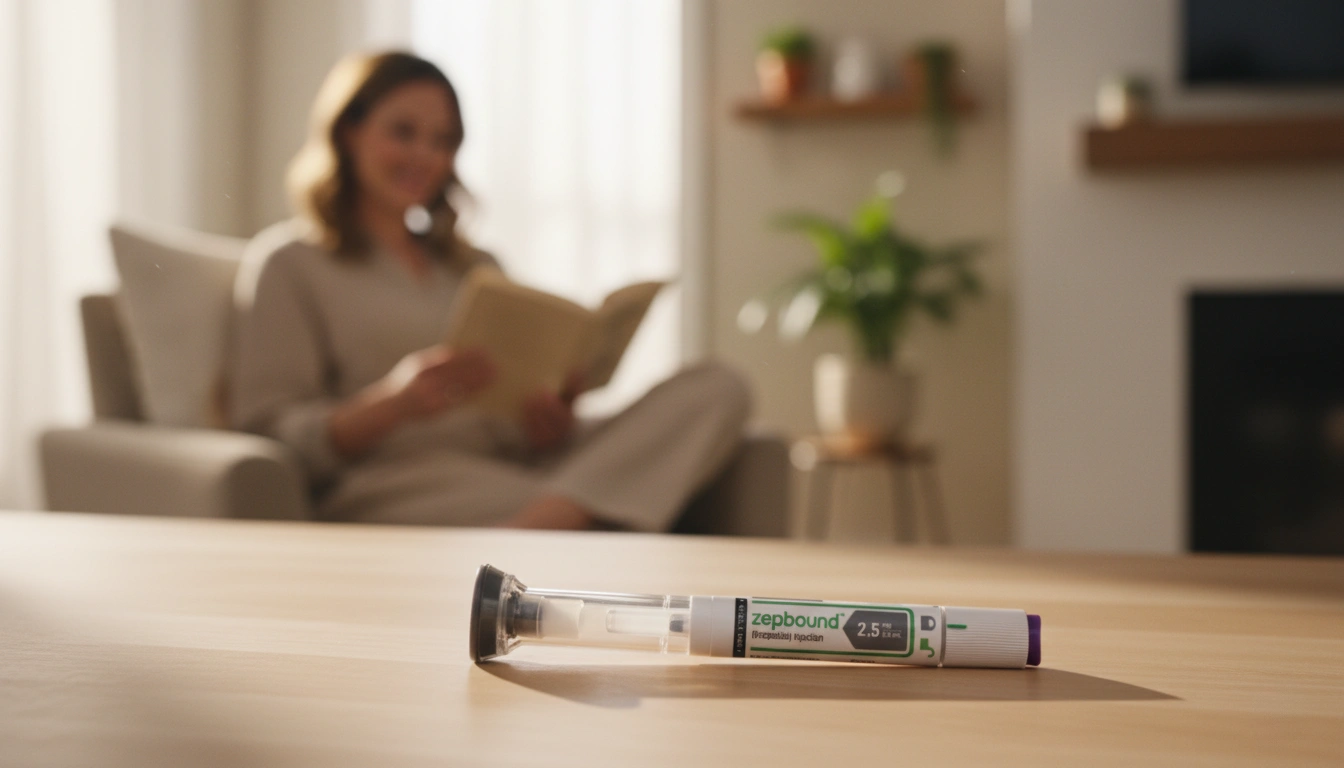
The typical journey with Zepbound begins with a starting dose of 2.5 mg injected once weekly. This initial phase is crucial, as it allows your body to gradually adapt to the medication. After four weeks on the starting dose, your healthcare provider will typically increase your dose to 5 mg. This measured, step-by-step approach is not arbitrary; it’s a carefully considered strategy to minimize the potential for side effects.
Many medications, especially those that interact with complex physiological systems like appetite regulation, can cause temporary side effects as your body adjusts. For Zepbound, common side effects often include gastrointestinal issues such as nausea, diarrhea, vomiting, and constipation, along with potential injection site reactions or fatigue. By introducing the medication at a lower dose and slowly increasing it, healthcare providers aim to give your body ample time to acclimate, thereby reducing the intensity and duration of these initial effects. This thoughtful titration process is a cornerstone of safe and effective treatment, reflecting our commitment to transparent service and patient well-being.
When Should You Increase Zepbound Dose? Key Indicators and Clinical Rationale
Deciding when to increase a Zepbound dose is a critical part of the treatment process, requiring careful consideration from both the patient and their healthcare provider. It’s a decision guided by individual response, tolerability, and progress towards health goals. At TrimRx, we believe in supporting you every step of the way, and part of that support is helping you understand the factors involved in these important discussions.
Optimizing Efficacy: The Drive Towards Maintenance Doses
Clinical trials, such as the landmark SURMOUNT studies, have demonstrated that higher doses of Zepbound are generally associated with greater average weight loss. For instance, while the 5 mg dose showed significant results, the 10 mg and 15 mg doses often yielded even more substantial body weight reductions over a 72-week period. This data underscores that reaching an optimal maintenance dose is often key to achieving the full therapeutic potential of the medication for weight reduction and long-term maintenance. For individuals treating obstructive sleep apnea alongside obesity, the recommended maintenance doses typically range from 10 mg to 15 mg per week.
Your healthcare provider will work with you to follow a step-by-step dosing process. After the initial 4 weeks on 2.5 mg, and then 4 weeks on 5 mg, further dose increases are made in 2.5 mg increments, typically after at least 4 weeks on the current dose. This continues until a recommended maintenance dosage is achieved, with the maximum dose being 15 mg once weekly. The goal is always to find the smallest effective dose that helps you meet your health objectives while maintaining good tolerability.
Navigating Plateaus and Diminished Effects
One of the most common indicators that a dose increase might be warranted is when your progress begins to plateau. If you’ve been consistently losing weight or seeing improvements in your condition, but then find that progress has stalled for several weeks, it might suggest your body has adapted to the current dose. This can manifest as:
- A Plateau in Weight Loss: Despite diligent adherence to a reduced-calorie diet and increased physical activity, the numbers on the scale stop moving.
- Return of Appetite or Cravings: You might notice that the powerful appetite-suppressing effects of Zepbound are no longer as strong as they once were, leading to increased hunger or a return of cravings.
- Unmanaged Symptoms for Other Conditions: If Zepbound is also being used to manage conditions like obstructive sleep apnea, and those symptoms are no longer adequately controlled, it could signal a need for dose adjustment.
These are natural parts of any long-term treatment plan. When these signs appear, it’s an opportune moment to discuss your experience with your healthcare provider. Our innovative approach means we are here to connect you with professionals who understand these nuances and can guide you. To see if you qualify for our personalized prescription weight loss medications, we encourage you to take our free assessment quiz today.
Sustained Tolerability and Minimal Side Effects
Another crucial factor for a dose increase is how well you are tolerating your current dosage. If you’ve been on a particular dose for at least four weeks and are experiencing minimal or manageable side effects, it indicates that your body has adjusted positively. When your body demonstrates this stability, it often signals readiness for the next increment, moving you closer to an optimal therapeutic dose.
However, if you’re experiencing significant or persistent side effects, your healthcare provider might advise against increasing the dose, or even suggest pausing the medication or returning to a lower dose until symptoms subside. Your comfort and safety are always paramount. This empathetic approach is at the core of TrimRx’s values, ensuring your journey is as smooth and effective as possible.
The Vital Role of Your Healthcare Provider in Dose Adjustment
The decision to increase your Zepbound dose should always be a collaborative one, made in consultation with a qualified healthcare provider. This is where the personalized, medically supervised care facilitated by TrimRx truly shines. Our brand is built on being trustworthy and supportive, ensuring you have expert guidance throughout your weight loss journey.
Personalized Assessment and Ongoing Monitoring
At TrimRx, our journey began with a shared vision to help individuals embrace healthier lifestyles. We believe in a personalized approach, beginning with a free assessment quiz that helps determine your eligibility for prescription weight loss medications like Zepbound, Ozempic®, Mounjaro®, or Wegovy®. This initial step helps connect you with a healthcare provider who can evaluate your unique health profile, medical history, and weight loss goals.
Once treatment begins, consistent monitoring is key. Your healthcare provider will assess your progress, evaluate any side effects you might be experiencing, and discuss how you feel overall. They will consider various factors, including your current weight, how much weight you’ve lost, your body’s response to the medication, and any other medical conditions you may have. This ongoing dialogue ensures that your treatment plan remains aligned with your evolving needs and that any dose adjustments are made safely and effectively.
Discussing Side Effects and Concerns
While Zepbound is highly effective, it’s not uncommon to experience side effects, particularly during dose increases. These typically include gastrointestinal issues like nausea, diarrhea, vomiting, and constipation. In clinical studies, most nausea, diarrhea, and vomiting occurred when doses were increased, but these effects generally decreased over time as the body adapted.
It is absolutely crucial to communicate any side effects you experience, whether mild or severe, to your healthcare provider. They can offer strategies to manage discomfort, such as recommending smaller, more frequent meals, avoiding fatty foods, and staying well-hydrated. Proper hydration is particularly important to prevent dehydration, which can sometimes lead to kidney problems, especially with persistent gastrointestinal side effects.
Your provider will help distinguish between temporary, manageable side effects and those that might warrant a pause in dose escalation or even a change in treatment strategy. They will also inform you about potential serious side effects, including the Boxed Warning regarding the risk of thyroid C-cell tumors. It’s important to report any concerning symptoms such as a lump in the neck, hoarseness, or trouble swallowing. Our commitment to safety means working with FDA-registered and inspected pharmacies for the shipping of weight loss medications, and ensuring transparent communication about all aspects of your care.
The Comprehensive Service of TrimRx
Our brand is empathetic, innovative, trustworthy, supportive, results-oriented, and personalized. We offer a comprehensive service that includes:
- Doctor Consultations: Connecting you with licensed medical professionals for personalized care.
- Medication: Access to FDA-approved branded medications like Zepbound, Mounjaro®, Ozempic®, and Wegovy®, or compounded versions of Semaglutide and Tirzepatide through FDA-registered and inspected pharmacies. It’s important to clarify that while these pharmacies are FDA-registered and inspected, compounded medications themselves are not FDA-approved.
- Lab Work: Essential for monitoring your health and tailoring your treatment plan.
- Unlimited Support: Our team is here to answer your questions and provide guidance.
- Shipping: Convenient, discreet delivery of your medication directly to you.
All of this is provided with no hidden fees, demonstrating our commitment to transparent service. Your approach to weight loss should be holistic, and we partner with you on every step of your journey.
Practical Considerations for Zepbound Administration and Management
Once your healthcare provider determines that a Zepbound dose increase is appropriate, understanding the practical aspects of administration and medication management becomes important. Our goal at TrimRx is to simplify this process, making your weight loss journey as seamless as possible.
Administering Your Zepbound Dose
Zepbound is administered as a subcutaneous injection once weekly, meaning it’s injected just under the skin. It comes in either a single-dose pen or a single-dose vial. Your healthcare provider or another medical professional will provide thorough instructions on how to properly inject the medication. Common injection sites include the stomach (abdomen), thigh, or the back of the upper arm (if administered by another person). It’s advisable to rotate injection sites each week to minimize the risk of injection site reactions like tenderness or irritation. You can take Zepbound with or without food.
Managing Your Dosing Schedule
Life can be busy, and sometimes schedules change. If you need to adjust the day of the week you take your Zepbound dose, ensure there are at least 3 days (72 hours) between doses. If you happen to miss a dose, take it as soon as you remember, provided it’s within 4 days (96 hours) of your scheduled dosing. If more than 4 days have passed, it’s best to skip the missed dose and resume your regular schedule. Crucially, do not take two doses of Zepbound within 3 days (72 hours) of each other to avoid potential overdose or exacerbated side effects. Setting a reminder on your phone can be a helpful tool to stay on track.
Proper Storage and Disposal
Proper handling and storage of your Zepbound medication are essential for maintaining its efficacy and safety. Zepbound should be stored in the refrigerator between 36°F to 46°F (2°C to 8°C). If necessary, a single-dose pen or vial can be stored at room temperature (up to 86°F or 30°C) for up to 21 days. Once stored at room temperature, it should not be returned to the refrigerator. Always discard Zepbound if it has been stored at room temperature for more than 21 days or if it has been frozen, as freezing can compromise the medication’s integrity. Always keep Zepbound in its original carton to protect it from light and out of the reach of children.
Proper disposal of used Zepbound pens or needles and syringes is also vital. These should be placed immediately into an FDA-cleared sharps disposal container. If one isn’t available, a heavy-duty plastic household container with a tight-fitting, puncture-resistant lid can be used. Never dispose of sharps in household trash or recycling bins. Follow your local community guidelines for safe sharps disposal.
The Power of Continuous Support
Our brand personality is built on being supportive and results-oriented. We understand that managing medication, understanding side effects, and staying consistent with your treatment plan requires ongoing assistance. That’s why our comprehensive service includes unlimited support, ensuring you have access to answers and guidance whenever you need it. This commitment helps you navigate the practicalities of Zepbound use and empowers you to confidently manage your treatment.
Beyond Prescription: Enhancing Your Journey with Quick-Access Supplements
While prescription medications like Zepbound form a powerful cornerstone of many weight loss journeys, we recognize that a holistic approach often yields the best results. Our dedication to individualized care extends beyond prescription solutions, offering complementary options that support overall wellness and enhance your progress.
For those actively managing their weight or simply looking to support their body’s natural processes, we offer a selection of quick-access supplements that do not require a quiz for purchase. These supplements are designed to provide immediate support and work in harmony with your weight management efforts, whether you are on a prescription medication program or pursuing other health goals.
GLP-1 Daily Support
Our GLP-1 Daily Support supplement is crafted to complement your body’s natural functions. It’s designed to provide ongoing assistance for maintaining a healthy metabolic balance and supporting the intricate processes involved in weight management. This supplement is an excellent choice for individuals who want to foster a stable internal environment, promoting feelings of satiety and aiding in digestive comfort. It can be a valuable addition for those seeking sustained well-being alongside their primary weight loss strategies.
Weight Loss Boost
Sometimes, your body needs an extra nudge to overcome hurdles in its metabolic activity. Our Weight Loss Boost supplement is formulated to provide that additional support. It’s developed with ingredients aimed at optimizing your body’s natural energy processes and contributing to a more efficient metabolism. For those periods when you feel your progress might be slowing or you simply want to ensure your body is working at its best to support your goals, the Weight Loss Boost offers a convenient way to enhance your daily regimen.
These quick-access supplements underscore our belief in providing diverse tools for your health journey. They reflect our brand’s innovative spirit, offering scientifically considered options that are readily available to support you. We believe that empowering you with choices, from personalized prescription programs to immediate support supplements, creates a more comprehensive and ultimately more successful path to wellness.
To explore all our tailored solutions and discover which options align best with your health aspirations, we invite you to take our free assessment quiz to determine your eligibility for our prescription weight loss medications. And for immediate support to aid your overall wellness, consider integrating our GLP-1 Daily Support or Weight Loss Boost into your routine.
Conclusion
The journey to sustainable weight loss and improved health is a deeply personal one, often requiring careful navigation and personalized adjustments, especially when incorporating innovative treatments like Zepbound. Understanding when to increase your Zepbound dose is not just about following a schedule; it’s about listening to your body, observing your progress, and maintaining an open dialogue with your healthcare provider. This collaborative approach, grounded in science and empathy, is precisely what we champions at TrimRx.
We’ve explored the systematic way Zepbound dosages are gradually increased to maximize effectiveness while minimizing side effects. We’ve also highlighted key indicators that might signal a need for dose adjustment, such as reaching a plateau in your weight loss journey or experiencing a return of appetite. Throughout this process, your healthcare provider serves as your essential guide, tailoring the plan to your unique physiological responses and health objectives.
At TrimRx, our commitment to your well-being is unwavering. Our platform provides not just access to medications like Zepbound—sourced through FDA-registered and inspected pharmacies—but also the medically supervised care, comprehensive support, and transparent service you deserve. We empower you with personalized insights, doctor consultations, necessary lab work, and unlimited support, ensuring every step of your journey is informed and confident.
Remember, achieving your health goals is a marathon, not a sprint. It involves consistent effort, patience, and a willingness to adapt your treatment plan as needed. If you’re considering how Zepbound or other personalized weight loss solutions might fit into your life, we encourage you to take the next proactive step. Take our free assessment quiz today to see if you qualify for our personalized prescription weight loss programs. And for immediate, accessible support for your overall wellness, explore our GLP-1 Daily Support and Weight Loss Boost supplements. Together, we can chart a course towards a healthier, more vibrant you.
Frequently Asked Questions
What is the typical Zepbound dosing schedule?
The typical Zepbound dosing schedule starts with 2.5 mg once weekly for four weeks. After this initial period, your healthcare provider will usually increase the dose to 5 mg once weekly. Subsequent dose increases are made in 2.5 mg increments, typically after at least four weeks on the current dose, until an individualized maintenance dosage is reached. The maximum recommended dose is 15 mg once weekly. This gradual approach helps your body adjust to the medication and minimizes potential side effects.
What are common side effects when increasing Zepbound dose, and how can they be managed?
When increasing a Zepbound dose, common side effects often include gastrointestinal issues like nausea, diarrhea, vomiting, and constipation. These effects are usually temporary and tend to decrease over time as your body adapts. To help manage nausea, consider eating smaller, more frequent meals, avoiding fatty foods, opting for bland foods, and staying well-hydrated. If side effects are severe or persistent, it’s crucial to discuss them with your healthcare provider, who can offer tailored advice or adjust your treatment plan.
Can I stay on a lower Zepbound dose if it’s working for me?
Yes, it is possible to remain on a lower Zepbound dose if it is effective in helping you achieve your weight loss goals or manage your condition, and if you are tolerating it well. While clinical trials show higher doses often lead to greater average weight loss, many individuals experience significant benefits at lower or intermediate doses. Your healthcare provider will work with you to find the optimal dose that balances efficacy with tolerability, making adjustments based on your individual response rather than solely aiming for the maximum dose.
What should I do if I miss a Zepbound dose?
If you miss a dose of Zepbound, take it as soon as you remember, provided it’s within 4 days (96 hours) of your scheduled dosing. If more than 4 days have passed since your missed dose, the manufacturer recommends skipping that dose and taking your next dose on your regularly scheduled day. It is very important not to take two doses of Zepbound within 3 days (72 hours) of each other. If you are unsure, always consult your healthcare provider or pharmacist for guidance.

Transforming Lives, One Step at a Time
Keep reading

How to Get Zepbound in Texas: Your Guide
Getting Zepbound in Texas is straightforward once you know your options. You can get a prescription through a telehealth provider from home, through your…

How to Get Zepbound in California: Where to Start
Zepbound (tirzepatide) is available to California residents through your primary care provider, a weight loss clinic, or a telehealth service that prescribes and delivers…
Stopping Zepbound: Managing the Transition
When you stop taking Zepbound, your appetite returns to pre-medication levels within a few weeks and most people regain a meaningful portion of their…


