Understanding Your Ozempic® Pen: Why You Absolutely Cannot Share It
Introduction
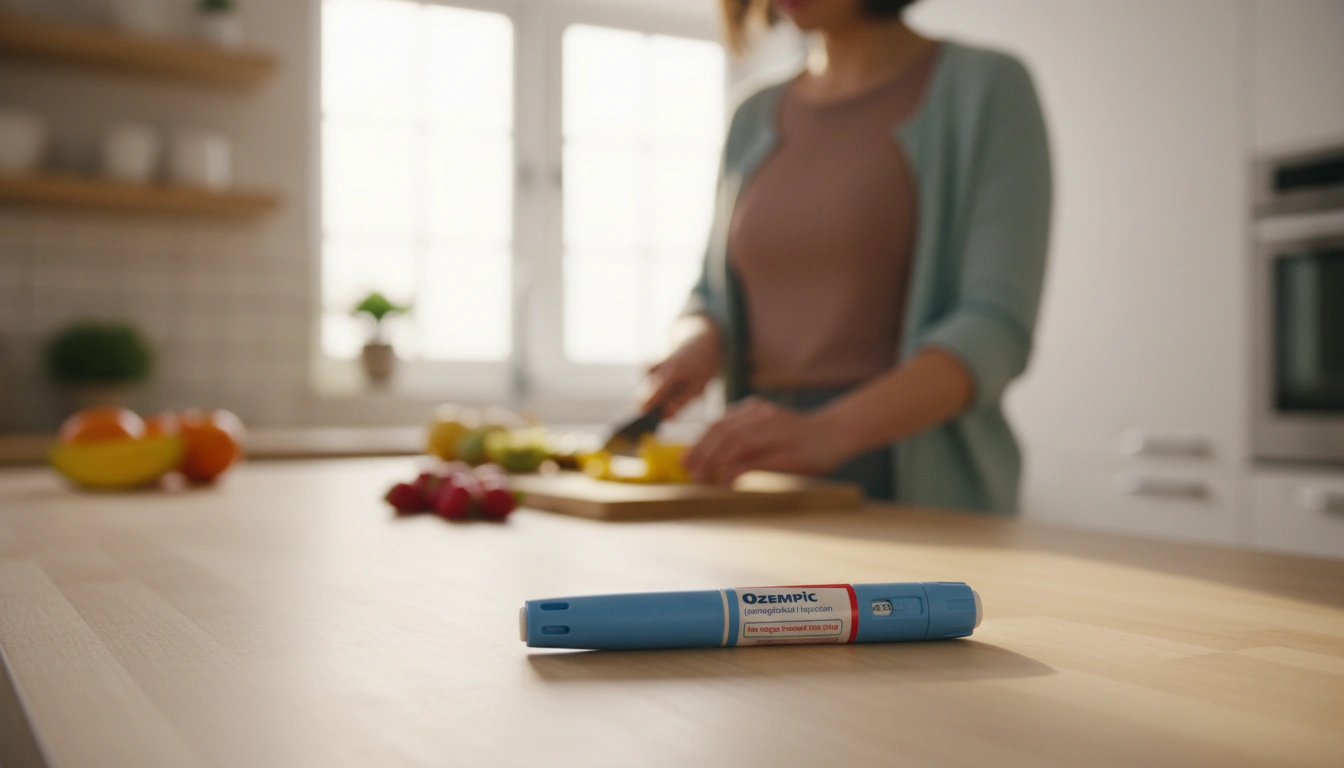
In our pursuit of health and well-being, we often encounter powerful tools designed to make a significant difference in our lives. Medications like Ozempic®, a widely discussed injectable treatment, represent a leap forward in managing certain health conditions, including type 2 diabetes. However, with the increasing awareness and demand for such treatments, questions inevitably arise about their proper usage, safety, and individual responsibility. A common question that surfaces, sometimes driven by curiosity or even necessity, is whether one can share their Ozempic® pen. The answer, unequivocally, is no. This isn’t merely a suggestion; it’s a critical safety directive rooted in fundamental medical principles and endorsed by every healthcare authority.
The allure of convenience or the desire to help a loved one might lead one to consider sharing an injector pen, but the potential risks far outweigh any perceived benefit. Understanding the intricate design and purpose of these medical devices is paramount for ensuring both personal safety and the efficacy of the treatment. At TrimRx, we are deeply committed to empowering individuals with accurate, trustworthy information, guiding them toward safer and more effective health management practices. Our journey began with a shared vision to help individuals embrace healthier lifestyles by merging cutting-edge telehealth innovations with effective weight loss solutions. We strive to create a user-friendly and supportive space where individuals receive personalized, medically supervised care, all designed to make sustainable weight loss attainable and tailored to the individual. We believe that sustainable weight loss should be achieved through science, empathy, and a transparent approach.
This comprehensive guide will delve into the critical reasons why sharing an Ozempic® pen, or any similar injector device, is strictly prohibited. We will explore the inherent biological risks, the impact on medication integrity, and the overarching guidelines from manufacturers and health agencies. Furthermore, we will illuminate the correct practices for handling and administering Ozempic®, ensuring you are fully equipped with the knowledge to manage your treatment safely. By the end of this article, you will not only understand why sharing is dangerous but also gain a clearer perspective on the responsible and personalized approaches to health that we champion at TrimRx. Our aim is to provide clarity and support, ensuring your path to better health is both informed and secure.
The Non-Negotiable Rule: Why Sharing Is Never an Option
The directive against sharing an Ozempic® pen is not a mere recommendation; it’s a fundamental principle of medication safety. This rule applies universally to all multi-dose injector pens, whether for insulin, GLP-1 agonists, or other medications. The reasons behind this strict guideline are deeply rooted in the potential for serious health risks, compromised treatment efficacy, and legal and ethical considerations. Understanding these factors is crucial for anyone using or considering an injectable medication.
Biological and Contamination Risks
The primary and most severe risk associated with sharing an Ozempic® pen is the potential for transmitting serious infections. Even if the needle is changed between users, the design of multi-dose pens makes them inherently unsafe for multiple individuals.
Understanding Backflow and Cross-Contamination
When an injection is administered, there’s a phenomenon known as “backflow” or “micro-aspiration.” This means that after the medication is injected, tiny amounts of blood, tissue fluid, or other biological material from the person receiving the injection can be drawn back into the needle or even into the medication cartridge or reservoir of the pen. While this backflow may be invisible to the naked eye, it carries significant risks.
If this contaminated pen is then used on another individual, even with a fresh, sterile needle, those minute amounts of biological material can be transferred. This creates a direct pathway for the transmission of bloodborne pathogens.
The Threat of Bloodborne Pathogens
The implications of such contamination are profound and potentially life-threatening. Sharing a pen can facilitate the transmission of serious bloodborne diseases, including:
- Hepatitis B Virus (HBV): A viral infection that attacks the liver and can cause both acute and chronic disease. Chronic infection can lead to liver cirrhosis, liver cancer, and death.
- Hepatitis C Virus (HCV): Another liver-targeting virus that can cause lifelong infection, leading to severe liver damage and liver cancer.
- Human Immunodeficiency Virus (HIV): A virus that attacks the body’s immune system. If not treated, it can lead to AIDS.
These pathogens are resilient and can survive in tiny quantities of blood or fluid, making the risk of transmission very real, even when basic precautions like needle changes are observed. The Centers for Disease Control and Prevention (CDC) and the Food and Drug Administration (FDA) have repeatedly issued warnings and clinical reminders emphasizing that injector pens must never be used for more than one person, precisely because of these well-documented risks. The human body is a complex system, and introducing even microscopic foreign biological material can have devastating consequences.
Medication Integrity and Efficacy
Beyond the direct risks of infection, sharing an Ozempic® pen can severely compromise the medication itself, impacting its safety, stability, and effectiveness.
Compromised Dosing Accuracy
Ozempic® pens are precision devices, carefully calibrated to deliver exact doses of medication. They are designed for single-patient use, ensuring that the prescribed dose is consistently delivered. When a pen is shared, several issues can arise:
- Residual Medication and Air Bubbles: The act of multiple users manipulating the pen can introduce air bubbles or alter the internal pressure dynamics, leading to inaccurate dosing. One person might receive less medication than intended, while another might receive too much.
- Dose Counter Inaccuracies: The dose counter is designed to track usage for a single individual’s regimen. Shared use can confuse this system, making it impossible to accurately determine how much medication remains or if a full dose can be delivered for either user.
- Variability in Administration: Different individuals may have slightly different injection techniques, which, over time, can subtly affect the pen’s mechanics or the integrity of the medication within the cartridge.
Receiving an incorrect dose can have serious health consequences. For individuals with type 2 diabetes, an underdose might lead to uncontrolled blood sugar levels, increasing the risk of complications. An overdose could result in hypoglycemia, a dangerously low blood sugar level that requires immediate medical attention.
Stability and Sterility of the Medication
The medication inside an Ozempic® pen is formulated to be sterile and stable under specific conditions. Once a pen is opened and used, it is introduced to the environment and the individual’s biological system. Sharing means it is exposed to multiple environments and potentially different handling practices, increasing the risk of:
- Bacterial Contamination: Even if a new needle is used, the rubber stopper on the cartridge or the internal components of the pen can become contaminated through repeated use or improper handling by multiple individuals. This can introduce bacteria directly into the medication, which is then injected into the body.
- Compromised Sterility: Injectable medications must maintain strict sterility to be safe. Any breach in this sterility, even microscopic, can lead to localized infections at the injection site or, more severely, systemic infections that spread throughout the body.
- Altered Medication Stability: Exposure to different temperatures, light conditions, or physical handling by multiple users can potentially affect the chemical stability of the semaglutide, reducing its effectiveness or, in rare cases, creating degradation products.
For these reasons, the integrity of the medication, its sterility, and its ability to deliver an accurate dose are fundamentally reliant on its exclusive use by a single individual.
Legal, Ethical, and Manufacturer Guidelines
Beyond the medical and efficacy concerns, sharing a prescription medication like Ozempic® also carries significant legal and ethical implications.
Prescription-Only Medication Status
Ozempic® is a prescription-only medication. This means it has been prescribed by a licensed healthcare professional for a specific individual based on their unique medical history, diagnosis, and needs. Sharing it with another person, even with their consent, is considered a diversion of a prescription drug and is illegal. It bypasses the necessary medical assessment and oversight required to ensure the medication is appropriate and safe for the second individual.
Manufacturer Directives and Regulatory Warnings
Pharmaceutical manufacturers, including Novo Nordisk (the maker of Ozempic®), explicitly state in their official prescribing information and patient instructions that the pen should never be shared. These directives are based on extensive research, clinical trials, and compliance with strict regulatory standards set by bodies like the FDA.
Regulatory agencies regularly issue warnings regarding the multi-patient use of injector pens. For instance, reports of insulin pen sharing have led to severe patient notification events where thousands of patients were advised to test for bloodborne pathogens. These incidents underscore the gravity of the “one pen, one person” rule. The FDA also provides clear information on how to identify authentic Ozempic® and warns against counterfeit or compounded versions that may not contain the advertised ingredients or be produced in unsterile conditions. It’s important to clarify that compounded medications are not FDA approved; however, the pharmacies we partner with at TrimRx are FDA-registered and inspected, ensuring high standards for all products shipped.
Ethical Responsibility in Healthcare
Ethically, healthcare providers are bound to ensure patient safety. Part of this involves educating patients on the correct and safe use of their medications. For individuals prescribed Ozempic®, the ethical responsibility lies in adhering to these safety guidelines to protect not only their own health but also the health of others. Sharing a pen can be seen as a breach of this ethical standard, potentially exposing others to avoidable harm.
In summary, the reasons to avoid sharing an Ozempic® pen are comprehensive and critical. From the undeniable risk of transmitting bloodborne infections to the compromise of medication efficacy and the breach of legal and ethical standards, the practice is universally condemned by medical professionals and regulatory bodies. Prioritizing individual use is a cornerstone of safe and effective treatment with injectable medications.
Understanding Your Ozempic® Pen: A Guide to Safe and Effective Use
Administering an injectable medication like Ozempic® effectively and safely requires a clear understanding of its purpose, proper handling, and the mechanics of the pen device. This knowledge is not just for compliance but for maximizing the therapeutic benefits while mitigating risks.
What is Ozempic®?
Ozempic® (semaglutide) is an injectable prescription medication primarily used in adults with type 2 diabetes. Its primary FDA-approved indications are:
- Improving Blood Sugar (Glucose): Used along with diet and exercise, Ozempic® helps improve blood sugar control. It belongs to a class of drugs known as glucagon-like peptide-1 (GLP-1) receptor agonists, which work by mimicking the natural GLP-1 hormone. This stimulates insulin release in response to high blood glucose, suppresses glucagon secretion, and slows gastric emptying.
- Lowering Risk of Major Cardiovascular Events: For adults with type 2 diabetes who also have heart disease, Ozempic® is proven to lower the risk of major cardiovascular events such as stroke, heart attack, or death.
- Reducing Risk of Worsening Kidney Disease: In adults with type 2 diabetes who also have chronic kidney disease, Ozempic® lowers the risk of worsening kidney disease, kidney failure (end-stage kidney disease), and death due to cardiovascular disease.
While some individuals in clinical studies did experience weight loss with Ozempic®, it is important to note that Ozempic® is not FDA-approved for weight loss or chronic weight management. Its primary indications are for type 2 diabetes and associated cardiovascular and kidney benefits. However, the phenomenon of weight loss associated with its use has led to interest in semaglutide-based treatments for weight management, which TrimRx addresses through specific, approved programs and medications.
Proper Handling and Storage
Correct handling and storage are vital to maintaining the medication’s efficacy and safety.
Needle Safety and Site Rotation
- Always Use a New Needle: Each injection requires a new, sterile needle. Reusing needles increases the risk of infection, dulls the needle (making injections more painful), and can lead to blocked needles or incorrect dosing. After injection, immediately dispose of the used needle in an FDA-cleared sharps disposal container. Do not recap the needle to avoid accidental needle sticks.
- Injection Sites: Ozempic® is injected subcutaneously (under the skin) into the abdomen, thigh, or upper arm. It is crucial to rotate injection sites with each injection. While you can use the same general area (e.g., the abdomen), always choose a different spot within that area to prevent lipodystrophy (changes in fat tissue under the skin) and ensure consistent absorption. Do not inject into a vein or muscle.
Storage Guidelines
Proper storage ensures the medication remains stable and effective.
- New, Unused Pens: Store new, unused Ozempic® pens in the refrigerator at 36°F to 46°F (2°C to 8°C). These can be used until the expiration date printed on the label.
- Pen in Use: Once you start using an Ozempic® pen, it can be stored for 8 weeks (56 days) either at a controlled room temperature of 59°F to 86°F (15°C to 30°C) or in a refrigerator at 36°F to 46°F (2°C to 8°C). After 8 weeks, the pen should be safely discarded, even if it still contains medication.
- Important Warnings:
- Do not freeze Ozempic®. If the medication has been frozen, do not use it; dispose of it safely. Freezing can alter the medication’s structure and render it ineffective or unsafe.
- Keep Ozempic® away from heat and direct light.
- Always keep Ozempic® and all medicines out of the reach of children.
- Before each use, check the liquid in the pen’s window. It should be clear and colorless. If it looks cloudy, discolored, or contains particles, do not use the pen and dispose of it safely.
Dosing and Pen Mechanics
Understanding how your Ozempic® pen works is key to accurate and consistent dosing.
Dosing Schedules and Pen Types
Ozempic® dosage typically starts low to allow the body to adjust, then gradually increases as prescribed by a healthcare professional. Common doses are 0.25 mg, 0.5 mg, 1 mg, and 2 mg, administered once weekly.
- Initial Pens: A first Ozempic® pen might deliver more doses than subsequent pens. For example, some initial pens are designed to deliver four 0.25-mg doses and then two 0.5-mg doses. This allows for the standard titration schedule.
- Subsequent Pens: After the initial titration, most Ozempic® pens are designed to contain four doses of a specific strength (e.g., a 1 mg pen will contain four 1 mg doses).
- Color-Coding: Pens are often color-coded and clearly labeled with the maximum dose they can deliver (e.g., red for 0.25 mg/0.5 mg, blue for 1 mg, yellow for 2 mg). Always ensure the pen label matches your prescribed dosage.
Using the Dose Counter and Flow Check
The Ozempic® pen is equipped with a dose counter and a dose selector to ensure accurate administration.
- Flow Check: Before the first injection with each new pen, a “flow check” must be performed. This ensures the needle is not blocked and that the medication is flowing correctly. Turn the dose selector to the flow check symbol, press and hold the dose button until the dose counter shows ‘0’, and a drop of Ozempic® appears at the needle tip. If no drop appears after repeating this up to six times, or after changing the needle and trying again, do not use the pen and contact the manufacturer.
- Selecting Your Dose: Turn the dose selector until your prescribed dose appears in the dose counter window. The dose counter will stop when the maximum dose in the pen for your prescription has been reached.
- Checking for Enough Medication: The dose counter is your guide. Before dialing your dose, if you attempt to set it to your prescribed amount and the counter stops before reaching that number, it means there is not enough Ozempic® left for a full dose. In such a scenario, do not attempt to use the partial dose; instead, use a new Ozempic® pen. While there might be some visible liquid left in the pen’s window, it may not be enough for a complete and effective dose.
- Injection Technique: Insert the needle into the skin, then press and hold the dose button until the dose counter shows ‘0’. Continue to hold the needle in the skin and count slowly to 6 to ensure the full dose has been delivered before carefully removing the needle.
By diligently following these instructions for proper handling, storage, and pen mechanics, individuals can ensure they are using their Ozempic® medication safely and receiving the full, intended therapeutic benefits. Always consult your healthcare professional for personalized guidance and to address any questions you may have about your treatment plan.
Your Personalized Path to Wellness with TrimRx
At TrimRx, we understand that achieving sustainable weight loss and overall wellness is a deeply personal journey, often accompanied by unique challenges and aspirations. Our mission is to provide you with a supportive, science-backed framework to navigate this path safely and effectively. We integrate advanced medical science with modern technology, offering compassionate care that respects every individual’s unique journey.
Our Commitment to Your Health Journey
Our journey began with a shared vision to help individuals embrace healthier lifestyles by merging cutting-edge telehealth innovations with effective weight loss solutions. Our platform is a user-friendly and supportive space where individuals receive personalized, medically supervised care—all designed to make sustainable weight loss attainable and tailored to the individual. We believe that sustainable weight loss should be achieved through science, empathy, and a transparent approach.
Our brand personality is defined by being empathetic, innovative, trustworthy, supportive, results-oriented, and personalized. We are committed to transparent service, highlighting that our approach remains consistent regardless of dosage changes. Safety is paramount, which is why we work exclusively with FDA-registered and inspected pharmacies for the shipping of weight loss medications. It is important to note that TrimRx partners with these pharmacies and does not provide actual medical supervision; instead, our comprehensive service includes doctor consultations from licensed medical professionals who oversee your personalized treatment plan.
Personalized Weight Loss Solutions Through TrimRx
Recognizing that one size does not fit all, we offer a range of clinically proven solutions tailored to your individual needs.
Prescription Medications for Targeted Support
If you are considering prescription weight loss medications, a personalized approach is key to ensuring the treatment is right for you. We provide access to several innovative medications through our program, each designed to support your weight loss journey when clinically appropriate.
Our prescription offerings include:
- Compounded Semaglutide: A compounded form of the GLP-1 receptor agonist.
- Oral Semaglutide: An oral tablet formulation of semaglutide.
- Ozempic®: The FDA-approved injectable semaglutide for type 2 diabetes, with some individuals experiencing weight loss.
- Compounded Tirzepatide: A compounded form of the dual GIP/GLP-1 receptor agonist.
- Oral Tirzepatide: An oral tablet formulation of tirzepatide.
- Mounjaro®: The FDA-approved injectable tirzepatide for type 2 diabetes.
- Zepbound®: The FDA-approved injectable tirzepatide specifically for chronic weight management.
- Wegovy®: The FDA-approved injectable semaglutide specifically for chronic weight management.
It is crucial to understand that Ozempic® and Mounjaro® are FDA-approved for type 2 diabetes, while Zepbound® and Wegovy® are FDA-approved for chronic weight management. Compounded medications, while provided through FDA-registered and inspected pharmacies, are not FDA-approved. These pharmacies meet stringent quality standards for their compounding processes.
To determine your eligibility and receive a personalized treatment plan for these prescription medications, we invite you to take our free assessment quiz today. Our comprehensive service ensures a seamless experience, including doctor consultations, your prescribed medication, necessary lab work, unlimited support throughout your journey, and convenient shipping, all without hidden fees.
Quick-Access Supplements for Holistic Support
Beyond prescription options, we understand that comprehensive wellness involves ongoing support that can be accessed immediately. Our quick-access supplements are designed to complement your efforts, supporting overall wellness during your weight loss journey without the need for a prior assessment quiz.
These immediate support supplements include:
- GLP-1 Daily Support: Formulated to support your body’s natural processes and provide daily wellness benefits.
- Weight Loss Boost: Designed to give your metabolism and energy levels an additional lift.
These supplements are available for immediate purchase to integrate into your daily routine. You can explore GLP-1 Daily Support or discover Weight Loss Boost to find the right addition to your personalized wellness plan.
The TrimRx Difference: Science, Empathy, Transparency
At TrimRx, we are more than just a provider; we are your partner in health. Our unique approach combines the rigor of advanced medical science with genuine empathy for your individual experience. Every aspect of our service, from the initial consultation to ongoing support, is designed with your safety, effectiveness, and comfort in mind. We stand for transparent service, ensuring you have all the information you need to make informed decisions about your health.
Whether you are exploring prescription options or seeking supportive supplements, our goal is to empower you with the tools and knowledge for a successful and sustainable health transformation. Your journey to a healthier lifestyle is a testament to your commitment, and our commitment is to provide a clear, supportive, and effective path forward.
Conclusion
The question of “can I share my Ozempic pen” is a critical one, and the definitive answer is a resounding no. As we have explored, the risks associated with sharing any multi-dose injector pen are profound, encompassing potential transmission of serious infections, compromise of medication efficacy through inaccurate dosing and contamination, and a breach of legal and ethical guidelines. Ozempic®, like other prescription injectables, is a personalized medication intended for individual use only, prescribed by a healthcare professional based on a unique medical profile. Prioritizing safety through strict adherence to proper handling, storage, and administration techniques is not just a recommendation, but a fundamental responsibility for anyone using these powerful tools for health management.
Understanding the specific indications for Ozempic®—primarily for type 2 diabetes, cardiovascular risk reduction, and kidney health—while acknowledging its association with weight loss, is key to its responsible use. Every step, from performing a flow check to correctly disposing of a used needle, contributes to a safer and more effective treatment experience.
At TrimRx, our core philosophy is built on delivering personalized, medically supervised care that is both safe and effective. Our journey began with a shared vision to merge cutting-edge telehealth innovations with robust weight loss solutions, creating a supportive and transparent platform for individuals to embrace healthier lifestyles. We champion a scientific yet empathetic approach, offering clinically proven prescription medications—like Ozempic®, Zepbound®, and Wegovy®, as well as compounded options—following a thorough assessment. We also provide immediate support through our quick-access supplements like GLP-1 Daily Support and Weight Loss Boost, all while partnering with FDA-registered and inspected pharmacies to ensure the highest standards of safety and quality for your medications.
Your health journey is uniquely yours, and it deserves a personalized, informed, and safe approach. We are here to guide you, offering not just treatments, but a comprehensive system of doctor consultations, medication, lab work, unlimited support, and shipping, all designed to ensure clarity and success. If you’re ready to embark on a safe, effective, and personalized weight loss journey, we invite you to take our free assessment quiz today. Together, we can build a healthier, more vibrant future.
Frequently Asked Questions
Why is it so dangerous to share an Ozempic® pen, even with a new needle?
Sharing an Ozempic® pen is extremely dangerous due to the risk of transmitting serious infections. After an injection, tiny amounts of blood or other biological fluids can be drawn back into the pen’s needle or cartridge (known as backflow). Even if the needle is changed, these microscopic contaminants can remain within the pen, potentially transferring bloodborne pathogens like Hepatitis B, Hepatitis C, or HIV to the next user. This risk is universally recognized by medical authorities and manufacturers, emphasizing that multi-dose pens are strictly for single-person use to prevent severe health consequences.
How do I know if my Ozempic® pen is empty or if there’s enough medication for a full dose?
Your Ozempic® pen is equipped with a dose counter. To check for sufficient medication, turn the dose selector until your prescribed dose appears in the dose counter window. If the counter stops before reaching your full prescribed dose, it indicates there isn’t enough medication left for a complete dose. In such cases, you should discard the partially used pen safely and start a new one to ensure you receive the correct dosage. Always perform a “flow check” before the very first injection with a new pen to confirm the medication is flowing properly.
What should I do if I suspect an Ozempic® pen has been shared or improperly used?
If you suspect an Ozempic® pen has been shared or improperly used, or if you have concerns about the safety or integrity of your medication, it is crucial to stop using it immediately. Do not attempt to use the pen further. Contact your prescribing healthcare provider or pharmacy right away to report the incident and seek guidance. They can assess the situation, advise on any necessary medical testing, and ensure you receive a new, safe medication supply. Patient safety is paramount, and addressing such concerns promptly is vital.
How can TrimRx help me if I’m looking for a safe and personalized weight loss solution?
TrimRx offers a comprehensive and personalized approach to weight loss, combining cutting-edge telehealth with medically supervised care. We provide access to clinically proven prescription medications, including Ozempic®, Zepbound®, Wegovy®, Compounded Semaglutide, and Compounded Tirzepatide, based on your individual needs and eligibility. Our program includes doctor consultations, necessary lab work, your prescribed medication, unlimited support, and convenient shipping, all through FDA-registered and inspected pharmacies. To begin, you can take our free assessment quiz to determine if you qualify. Additionally, we offer quick-access supplements like GLP-1 Daily Support and Weight Loss Boost for immediate purchase to support your overall wellness journey.

Transforming Lives, One Step at a Time
Keep reading

Does Ozempic Affect Sleep: What Patients Experience
Sleep changes on Ozempic catch a lot of patients off guard. You might expect nausea or reduced appetite, but disrupted rest isn’t something most…

Ozempic While Sick: Managing Colds, Flu, and Illness
Getting sick while on Ozempic raises questions that don’t always have obvious answers. Should you take your dose as usual? What happens if you…

Ozempic and Gas: Why It Happens and How to Manage It
Gas is one of those Ozempic side effects that people don’t always bring up with their doctor but absolutely notice. Excess flatulence, bloating, and…


