Why Does My Wegovy Shot Sting? 5 Common Causes and Solutions
Introduction
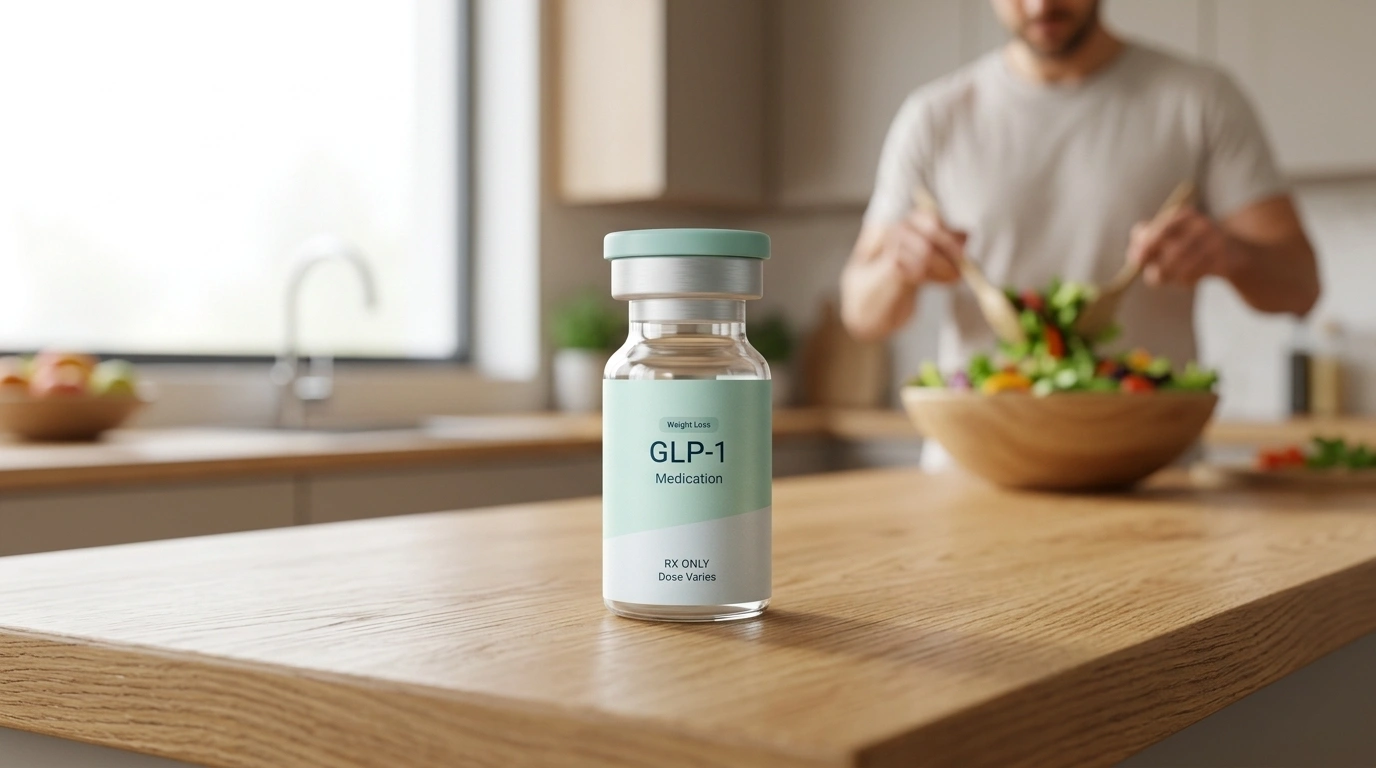
The moment of hesitation before a weekly injection is a shared experience for many on a weight loss journey. You have committed to improving your metabolic health, yet that sharp pinch or localized burn during your dose can feel like an unwelcome hurdle. If you find yourself asking why your Wegovy® shot stings, you are not alone. While the sensation is often brief, it can create unnecessary anxiety around a routine meant to support your well-being. At TrimRx, we believe that understanding the physiological and mechanical reasons behind this discomfort is the first step toward a more comfortable, sustainable experience. This post covers the science of subcutaneous sensitivity, common technical errors that cause stinging, and practical steps you can take to ensure your next dose is nearly sensation-free. By refining your technique, you can shift your focus back to your progress and long-term health goals.
Quick Answer: A stinging sensation during a Wegovy® injection is typically caused by injecting cold medication, trapped alcohol residue on the skin, or the physical pressure of the liquid entering the tissue. These reactions are generally harmless and can be prevented by allowing the pen to reach room temperature and letting the skin air dry completely after cleaning.
The Science of Subcutaneous Sensitivity
To understand why a tiny needle can cause a lingering burn, it helps to look at where the medication is delivered. Wegovy® is a semaglutide injection, which belongs to a class of drugs called GLP-1 (glucagon-like peptide-1) receptor agonists. These medications mimic a natural hormone that regulates appetite and blood sugar. Because semaglutide is a protein-based peptide, it must be delivered through a subcutaneous injection. This means the needle is designed to reach the layer of fatty tissue just beneath the skin but above the underlying muscle.
The subcutaneous layer is the ideal delivery site because it has fewer pain-sensing nerve endings than muscle tissue or the skin’s surface. However, this layer still contains a network of sensory receptors that are highly sensitive to temperature, chemical changes, and physical pressure. When you introduce a liquid into this space, your body reacts to the sudden “foreign” presence. For many individuals, this translates to a brief sting or a localized ache that fades within seconds. For more background, explore this guide to semaglutide injections and how they work.
5 Common Reasons Your Injection Stings
There is rarely a single reason for injection site discomfort. Most often, the sting is a combination of how the medication is handled and how your body responds to the physical injection process.
1. Medication Temperature and Thermal Shock
Most GLP-1 medications require refrigeration for long-term storage to maintain the stability of the active ingredients. However, injecting ice-cold liquid into a warm body is a frequent cause of a sharp sting. When a cold solution enters the warm subcutaneous space, it triggers a “thermal shock” in the local nerve endings. Cold liquid is also slightly more viscous, meaning it moves through the needle with more resistance, which can increase the perceived pressure.
2. Residual Alcohol Irritation
Standard medical protocol involves cleaning the injection site with an alcohol swab to prevent infection. Isopropyl alcohol is an excellent antiseptic, but it is also a significant irritant to open tissue. If you are in a hurry and inject while the skin is still damp, the needle can “carry” or track a small amount of liquid alcohol into the puncture site. This causes a localized chemical burn that stings intensely for several minutes until the tissue neutralizes the liquid.
3. Tissue Distension and Fluid Pressure
Even though the volume of a weekly dose is relatively small, it still occupies physical space. As the liquid is forced into the fatty layer, it must push aside tissue to make room for itself. This physical stretching—known as tissue distension—can trigger a pressure response from your sensory nerves. If you inject into an area where the tissue is particularly dense or if you press the pen too firmly against the skin, the nerves may interpret this pressure as a sharp sting or a dull ache.
4. Chemical Composition and pH Balance
Every medication has a specific pH level, which measures how acidic or basic the solution is. Human tissue maintains a very specific, neutral balance. While manufacturers design these formulas to be as comfortable as possible, some individuals have a higher sensitivity to the stabilizers or preservatives used to keep the medication sterile. If the solution’s pH or chemical makeup differs slightly from your body’s natural environment, it can cause a brief inflammatory response as the liquid disperses.
5. Hitting a Small Blood Vessel or Nerve
Even with an exceptionally thin needle, there is always a small statistical chance of hitting a tiny capillary or a superficial nerve ending. If the needle nicks a capillary, you might notice a small drop of blood or a minor bruise. If it grazes a nerve, you may feel a more intense “zap” or sharp pinch. While these occurrences are harmless and do not affect the medication’s efficacy, they can make the site feel tender for a day or two.
For another perspective on variable injection discomfort, read why a Wegovy shot may hurt from one week to the next.
Comparing Common Injection Sites for Comfort
The location you choose for your dose plays a major role in your comfort level. The manufacturer of Wegovy® recommends three primary areas: the abdomen, the front of the thigh, or the back of the upper arm.
| Injection Site | Nerve Density | Fatty Tissue Depth | Average Comfort Rating |
|---|---|---|---|
| Abdomen | Lower | Usually Highest | High |
| Front Thigh | Moderate | Moderate | Moderate |
| Upper Arm | Higher | Varies | Moderate/Low |
The Abdomen
The stomach is often the preferred site because it typically offers a consistent layer of subcutaneous fat. Most individuals find the abdomen to be the least sensitive area, provided they stay at least two inches away from the belly button. The tissue directly around the navel is more fibrous and contains more nerves, which can increase pain.
The Front of the Thigh
The thigh is a great alternative for those who find the abdomen too sensitive or who prefer to see exactly where the needle is going. To minimize stinging in the thigh, it is best to target the front or outer portion where the fat layer is thickest. Avoid the inner thigh, as the skin there is thinner and more sensitive.
The Back of the Upper Arm
The upper arm is an effective site but can be difficult to reach on your own. It often has a thinner layer of fat than the abdomen, which may make the injection feel slightly sharper. If you choose this site, it may be helpful to have a partner assist you to ensure the pen is held at the correct angle.
For more guidance on choosing and rotating injection sites, review this Wegovy injection site guide.
Key Takeaway: Most injection site stinging is a mechanical or environmental reaction—such as cold liquid or alcohol residue—rather than a sign that the medication is not working or that you are having an allergic response.
Step-by-Step Guide to a Pain-Free Injection
You do not need to settle for a painful weekly routine. By adjusting your preparation and technique, you can eliminate the most frequent causes of discomfort. We recommend following this consistent protocol for every dose.
Step 1: The Room Temperature Rule
Remove your pen from the refrigerator about 30 minutes before you plan to inject. While the medication must be stored in the cold for long-term stability, a short period at room temperature will not damage the formula. Injecting a “room-temp” solution is significantly more comfortable than injecting it straight from the fridge.
Step 2: The 60-Second Air Dry
After wiping your chosen site with an alcohol swab, wait at least 60 seconds. The skin must be completely dry to the touch before the needle enters. Do not blow on the area or fan it with your hand, as this can introduce bacteria. Letting it air dry naturally ensures the alcohol has evaporated completely, preventing “alcohol tracking” into the wound.
Step 3: Relax the Muscles
Your physical reaction is often tied to your mental state. If you are bracing for pain, your muscles will tense up. Tense muscles can push fatty tissue closer to the skin’s surface and make the needle entry more difficult. Take a few deep breaths and consciously relax the area you are about to inject.
Step 4: Steady, 90-Degree Pressure
Hold the pen at a 90-degree angle to your skin. A quick, firm entry is usually less painful than a slow, hesitant one. Ensure you are pressing firmly enough to trigger the mechanism but not so hard that you create a deep indentation in the skin.
Step 5: The “Hold and Count” Method
Once the dose is delivered, wait for a full 10 seconds before withdrawing the needle. This gives the liquid time to disperse into the tissue and reduces the chance of “back-leak,” where a tiny drop of medication escapes through the puncture. Back-leak can irritate the sensitive upper layers of the skin, causing a lingering burn.
If you are still unsure about the process, review this step-by-step Wegovy injection comfort guide.
The Importance of Systematic Site Rotation
If you inject into the exact same spot every week, the fatty tissue can become traumatized. Over time, this can lead to a condition called lipohypertrophy, where the fat cells thicken and harden, forming rubbery nodules under the skin. Not only are these areas more painful to inject into, but they can also prevent the medication from being absorbed correctly, potentially reducing the effectiveness of your treatment.
We recommend using a “clock” method for rotation. If you choose the abdomen, imagine a clock face around your belly button. One week, inject at the 12 o’clock position. The next week, move to 3 o’clock, then 6 o’clock, and so on. This gives each area of skin and fat plenty of time to heal before it is used again. If you prefer switching body parts, you might rotate from the left side of the abdomen to the right thigh, then to the right side of the abdomen to the left thigh.
Normal Reactions vs. Red Flags
It is important to distinguish between a common, temporary sting and a reaction that requires medical attention. Most people using GLP-1 medications will experience some level of localized skin reaction at some point in their journey.
What is Normal
- Mild Redness: A small pink or red circle around the puncture site that fades within 24 to 48 hours.
- Small Lump: A firm, painless bump under the skin that disappears as the medication is absorbed.
- Minor Bruising: A small bruise where the needle hit a tiny blood vessel.
- Brief Itching: A localized “tickle” or itch that lasts for a few hours.
When to Contact a Healthcare Provider
While a brief sting is normal, you should listen to your body’s signals for more serious issues.
- Spreading Redness: If the redness starts to move away from the site in lines or streaks.
- Signs of Infection: If the site becomes increasingly painful, feels very hot to the touch, or begins to drain pus.
- Severe Dysesthesia: A rare side effect where the skin becomes intensely sensitive to any touch or feels like it is persistently burning.
- Allergic Reaction: If you experience hives, swelling of the face or tongue, or difficulty breathing. This requires immediate emergency care.
Optimizing Your Journey with TrimRx
At TrimRx, our goal is to help you feel supported throughout your entire weight loss journey. We understand that the physical act of injecting can be daunting, but a few small changes to your routine can make a world of difference. Our platform merges clinical expertise with a personalized approach to ensure your program is tailored to your unique health profile.
When you participate in a program through us, you have access to a dedicated team that understands these nuances. If you find that injections are consistently uncomfortable despite following best practices, the licensed providers we partner with can help you troubleshoot your technique. We also offer options for those who may prefer different delivery methods, such as oral formats of semaglutide or tirzepatide, depending on your clinical eligibility. Our mission is to remove the stress of waiting rooms and provide a telehealth-first experience that prioritizes your comfort.
If you are exploring whether a prescription GLP-1 program may be appropriate, complete a free eligibility assessment.
Supporting Your Body Through Change
While managing the local sensations of an injection is important, supporting your overall metabolic health is the key to sustainable success. As your body adapts to GLP-1 therapy, you may also navigate systemic side effects like nausea or fatigue.
To complement your program, we offer quick-access supplements designed to bridge the gap in your daily wellness. Our GLP-1 Daily Support supplement provides essential nutrients that may help your body adjust to metabolic shifts. If you find yourself feeling sluggish during the titration process, our Weight Loss Boost supplement can provide a natural energy lift. By addressing both the local sensations at the injection site and your internal well-being, you create a more balanced path toward your goals.
Conclusion
A stinging sensation during your Wegovy® injection is a common hurdle, but it is one that is largely within your control. By mastering simple preparation steps—like warming the medication to room temperature, letting the alcohol dry, and rotating your sites—you can transform your weekly dose into a quick and comfortable habit. Remember that your body is adapting to a powerful tool for health, and a small amount of local reaction is often just a sign of your body’s natural inflammatory response doing its job.
TrimRx is committed to providing a transparent, science-backed, and empathetic weight loss experience. We are here to bridge the gap between clinical science and your daily reality, helping you achieve lasting results without the stress of navigating the process alone. If you are ready to take the next step in a program built around your specific health history and goals, we invite you to take the next step today.
Bottom Line: Preparation is your best defense against injection pain. By letting the medication reach room temperature and ensuring the skin is dry, you can eliminate the two most common causes of stinging.
Your Next Step:
Ready to see if a personalized weight loss program is right for you? Take our free assessment quiz to explore your options and get started on a medically supervised path to health.
FAQ
Why does my injection sting some weeks but not others?
The intensity of the sting often depends on the specific spot the needle lands. If you happen to hit a cluster of nerve endings or a small capillary, it may sting more. Additionally, if you were in a hurry and didn’t let the alcohol dry or the pen warm up as long as usual, you are more likely to experience a burning sensation.
Is it normal to have a small lump after my Wegovy injection?
Yes, it is very common to see or feel a small, firm lump immediately after a subcutaneous injection. This is typically just the medication sitting in the fat layer before it is fully absorbed into your bloodstream. It usually resolves within a few hours to a day.
Which injection site is generally the least painful?
Most people report that the abdomen is the least painful site because it typically has a more consistent layer of subcutaneous fat and fewer surface nerve endings. However, if you find your stomach to be sensitive, the front of the thigh is a highly effective and popular alternative.
Should I worry if I see a bruise at the injection site?
A small bruise is usually not a cause for concern. It simply means the needle hit a tiny blood vessel under the skin. To minimize bruising in the future, avoid rubbing or massaging the site after your injection and ensure you are rotating your sites weekly to allow the tissue to heal.
If you are considering prescription treatment and want to understand your options, explore semaglutide injections and eligibility considerations.
Disclaimer: This content is for informational purposes only and does not constitute medical advice. It is not intended to diagnose, treat, cure, or prevent any disease or condition. Individual results may vary. Always consult a qualified healthcare professional before starting any weight loss program or medication.

Transforming Lives, One Step at a Time
Keep reading
Can You Use a Heating Pad for Stomach Cramps on Wegovy?
When your belly is crampy from gas, constipation, or a slow-moving stomach, a warm heating pad can feel like the most comforting thing in…
Can You Take Tylenol on Wegovy?
A headache the day after your shot, sore muscles from a new workout, or a toothache that will not quit: at some point, most…
Is It Normal to Feel Hungover After a Wegovy Shot?
A dull headache, a queasy stomach, a foggy head, and a strong urge to stay on the couch: it sounds like the morning after…


