Can You Take Two 2.5 of Zepbound for a 5mg Dose?
Introduction
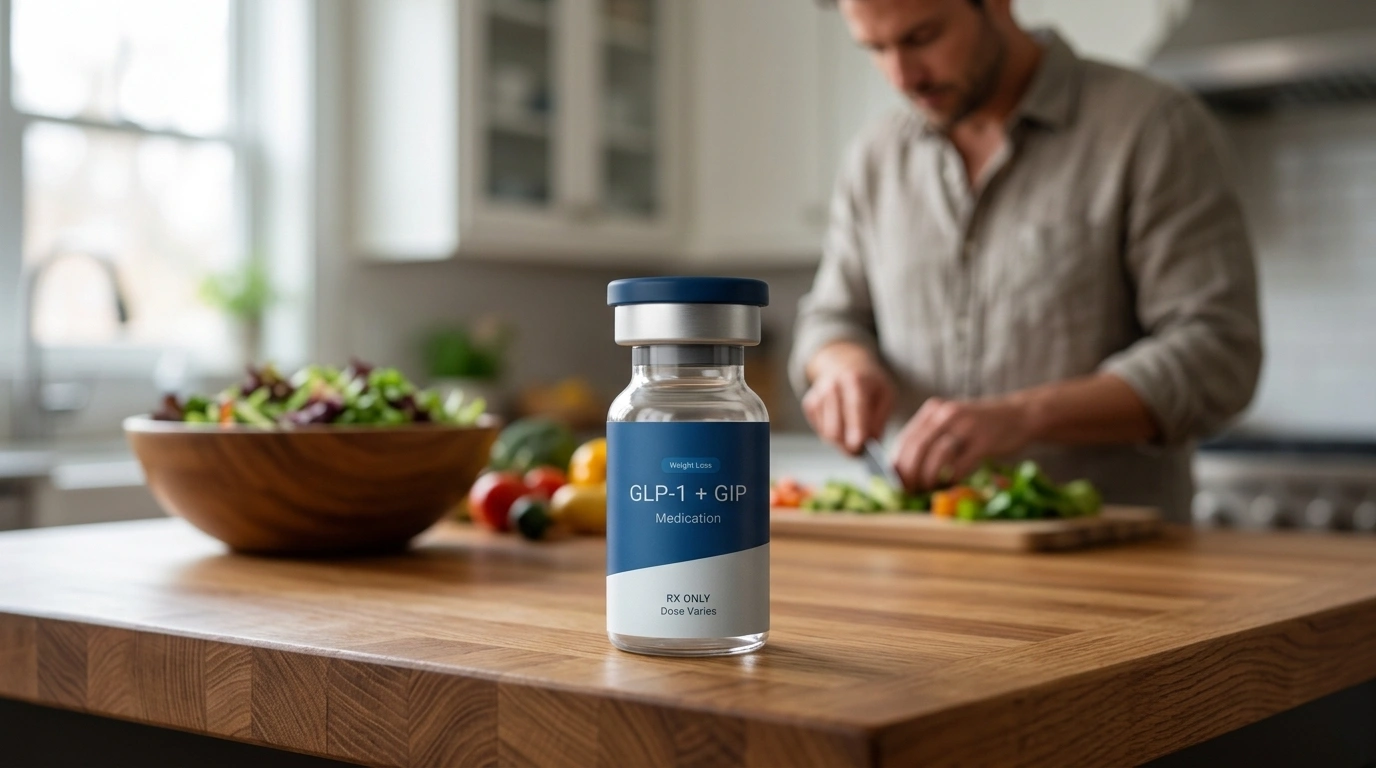
Standing in front of the refrigerator with two 2.5 mg Zepbound® pens while your prescription has just been moved up to 5 mg is a common scenario. Perhaps you have leftover medication from your first month, or maybe a supply shortage has made the 5 mg pens difficult to find at your local pharmacy. At TrimRx, we understand that navigating the logistics of GLP-1 medications can be just as challenging as the lifestyle changes themselves. If you want to see whether a personalized program is a fit for you, you can take the free assessment quiz. This article explores the clinical considerations of doubling up doses, the importance of medical supervision, and how to manage your titration schedule safely. While the math seems simple—two 2.5 mg doses equal 5 mg—applying this to a clinical setting requires a deeper understanding of safety, pen mechanics, and provider guidance. Our goal is to ensure you have the knowledge to move forward confidently in your health journey.
The Logic Behind Doubling Doses
When an individual is prescribed a 5 mg weekly dose of tirzepatide, the active ingredient in Zepbound®, they typically receive a box of four 5 mg pens. However, pharmaceutical supply chains can be volatile. If the 5 mg strength is on backorder, a patient might find themselves wondering: can you take two 2.5 of zepbound to bridge the gap?
From a purely mathematical standpoint, the answer is yes; two doses of 2.5 mg deliver a total of 5 mg of the active medication. However, medication management is rarely just about math. Each pen is designed as a single-use delivery system. Using two pens means two separate injections, two different needle sticks, and two volumes of liquid being introduced into the subcutaneous (under the skin) tissue at once.
Understanding Tirzepatide and How It Works
To understand why dosing and titration are so strictly managed, it helps to know what is happening inside your body. Zepbound® is a dual agonist. This means it targets two different hormone receptors in the body: glucagon-like peptide-1 (GLP-1) and glucose-dependent insulinotropic polypeptide (GIP). For a broader look at the hormone behind many of these effects, you can read what GLP-1 does.
The Role of GLP-1
GLP-1 is a hormone naturally produced in your gut. It signals the brain to feel full and slows down gastric emptying, which is the speed at which food leaves your stomach. This “fullness” signal is what helps many people maintain a calorie deficit without the intense hunger usually associated with dieting.
The Role of GIP
GIP is another hormone that helps regulate blood sugar levels. Research suggests that by adding GIP receptor activation to GLP-1 activation, tirzepatide may further improve how the body breaks down sugar and fat. This dual action is why many providers consider it a robust option for chronic weight management.
Key Takeaway: Tirzepatide works by mimicking two natural hormones to reduce appetite and improve metabolic efficiency, requiring a carefully managed dose to keep the body in balance.
The Standard Titration Schedule
The journey with tirzepatide almost always begins with a 2.5 mg dose. It is important to realize that the 2.5 mg strength is officially categorized as an “initiation dose.” Its primary purpose is not necessarily to cause rapid weight loss, but to prepare your body for the medication. If you are comparing treatment paths or wondering whether this medication is right for you, you can complete the free assessment quiz.
- Month 1 (Weeks 1–4): You start at 2.5 mg once weekly. This allows your metabolic pathways and digestive system to acclimate to the hormone mimics.
- Month 2 (Weeks 5–8): If the medication is tolerated well, your provider will likely move you to 5 mg once weekly.
- Ongoing Adjustments: Doses can be increased in 2.5 mg increments (7.5 mg, 10 mg, 12.5 mg, and 15 mg) every four weeks, depending on your progress and side effects.
Because the initiation phase is about preparation, skipping ahead or doubling up without a provider’s instruction can overwhelm your system. For a more detailed breakdown of dose progression, see this tirzepatide dosage guide.
Clinical Supervision: Why You Must Consult a Provider
You should never decide to combine doses on your own. Even if you have “leftover” pens from your first month, taking two 2.5 mg doses requires a conversation with your healthcare team.
Licensed providers evaluate your health history and your reaction to the starting dose before recommending an increase. If you take a 5 mg dose (via two pens) before your body is ready, you significantly increase the risk of severe gastrointestinal distress. Furthermore, your provider needs to track exactly how much medication you are taking to ensure your prescription records and insurance coverage remain accurate. If you are still deciding how to get started safely, the next step is to see if you qualify for a personalized program.
The Risk of Self-Adjustment
It can be tempting to take an extra dose if you feel your weight loss has stalled. However, weight loss is rarely linear. A “stall” for a week or two is a normal part of the process as your body adjusts to its new weight and metabolic rate. Taking two 2.5 mg pens before you are clinically ready can lead to complications like acute gallbladder issues or severe dehydration from vomiting.
Practical Considerations for Dual Injections
If your medical provider has cleared you to use two 2.5 mg pens to reach your prescribed 5 mg dose—often as a workaround for a supply shortage—there are several practical steps to follow.
Proper Injection Technique
Using two pens means two injections. To ensure the medication is absorbed correctly and to minimize discomfort, follow these steps:
- Check the Expiration: Ensure both pens are within their “use-by” date.
- Rotation of Sites: Do not inject both pens into the exact same spot. If you choose the abdomen, place the second injection at least two inches away from the first, or move to a different quadrant of the stomach entirely.
- Timing: Both injections should be administered during the same session. Splitting them by a day or two can lead to inconsistent levels of the medication in your bloodstream, which can reduce efficacy and increase side effects.
Managing Injection Site Reactions
Because you are doubling the volume of liquid and the number of needle sticks, you might be more prone to redness, itching, or bruising. Always clean the skin with an alcohol swab before each injection and avoid areas with visible veins, scars, or stretch marks.
Key Takeaway: If authorized by a provider, dual injections must be done in different spots during the same sitting to maintain consistent medication levels and skin health.
Managing Potential Side Effects
One of the greatest risks of moving from 2.5 mg to 5 mg—whether through a single pen or two—is the onset of side effects. Because these medications slow down digestion, a sudden increase can feel heavy on the system. For more background on what to expect, you can read whether GLP-1s are bad for you.
Common side effects include:
- Nausea
- Diarrhea
- Occasional vomiting
- Constipation
- Indigestion or “sulfur burps”
When you move to the 5 mg level, these symptoms may temporarily intensify. To manage this transition, we recommend staying hydrated with electrolytes and focusing on small, protein-rich meals. Avoiding high-fat or greasy foods during the 24 hours following your injection can also help mitigate nausea.
The Role of Personalization in Your Program
Every individual responds to GLP-1 and GIP agonists differently. Some people find the 2.5 mg initiation dose is enough to start seeing results, while others don’t feel the effects until they reach 10 mg or higher. This is why a personalized program is so vital.
Through a platform like TrimRx, you are not just getting a prescription; you are getting a tailored approach. Our partner providers look at your BMI, medical history, and specific weight loss goals to determine the best titration path for you. If a shortage occurs, having access to a dedicated team means you can get professional advice on whether combining lower doses or switching to an alternative is the right move for your specific health profile. If you want help getting started, you can take the free assessment quiz.
Addressing the Supply Shortage Issue
The primary reason patients ask about taking two 2.5 mg doses is the difficulty in finding specific strengths of branded medications like Zepbound®, Wegovy®, Mounjaro®, or Ozempic®. When one strength goes on the FDA shortage list, it can disrupt your progress.
In these instances, your provider might suggest two lower-dose pens, or they might suggest a different path entirely. This is where the distinction between branded and compounded medications becomes important. For a deeper look at medication access and online care, see how GLP-1 prescriptions work online.
The Compounded Alternative
For many, the frustration of “pharmacy hopping” to find a 5 mg pen is a major hurdle. Compounded semaglutide and compounded tirzepatide are alternatives that many individuals choose when branded supplies are unavailable.
Note: Compounded medications are not FDA-approved. However, they are prepared and shipped by FDA-registered, inspected compounding pharmacies. These pharmacies follow strict quality standards to ensure the medication contains the correct active ingredients.
At TrimRx, we connect you with licensed providers who can prescribe these compounded options. This can offer a more consistent supply, as the medication is prepared specifically for you rather than relying on a mass-produced branded pen strength. This flexibility can often prevent the need to “double up” on lower-strength pens.
How to Get Started with a Personalized Program
If you are currently struggling with dosing questions or supply issues, the best next step is to speak with a professional. The process is designed to be straightforward and supportive.
Step 1: Complete the Free Assessment Quiz The journey begins with a detailed quiz. This helps us understand your health history, your previous experiences with weight loss, and your current goals. It is the first step in determining your eligibility for a prescription program.
Step 2: Provider Consultation A licensed healthcare provider will review your information. They will determine if a GLP-1 or GIP/GLP-1 medication is appropriate for you and create a titration plan that fits your needs.
Step 3: Medication Delivery Once a prescription is issued, it is sent to a licensed pharmacy. Your medication—whether it is an injectable or an oral format—is shipped directly to your door.
Step 4: Ongoing Support Weight loss is a marathon, not a sprint. You will have access to a dedicated team to answer questions about side effects, dosing, and lifestyle changes throughout your program.
Why Patience is Your Best Tool
It is easy to get caught up in the numbers—the milligrams in the pen and the pounds on the scale. But the most successful weight loss journeys are built on consistency and safety. Taking two 2.5 mg pens because you are in a rush to see results is a shortcut that can backfire if your body isn’t ready.
By following a medically supervised plan, you allow your metabolism to reset in a way that is sustainable. The 2.5 mg dose is doing important work behind the scenes, even if the scale doesn’t move immediately. It is building the foundation for the higher doses to work effectively later on.
The TrimRx Approach to Sustainable Health
Our mission is to help individuals embrace healthier lifestyles through science, empathy, and a transparent, personalized approach. We believe that weight loss is not a matter of willpower, but a matter of biology. By providing access to modern telehealth services and evidence-based treatments, we empower you to take control of your metabolic health without the stress of waiting rooms or hidden fees.
Bottom line: While you can technically combine two 2.5 mg doses to equal 5 mg, you should only do so under the explicit guidance of a healthcare professional to ensure your safety and the efficacy of your treatment.
FAQ
Can I take two 2.5 mg Zepbound pens at the same time if my dose is 5 mg?
Yes, if your healthcare provider has officially moved your prescription to 5 mg and specifically instructed you to use two 2.5 mg pens due to supply issues, you can take them together. You must administer them as two separate injections during the same session, ideally in different locations on your body. Never combine doses without a direct instruction from your medical provider, as it can lead to severe side effects.
What should I do if I have leftover 2.5 mg pens after moving to a 5 mg dose?
You should contact your healthcare provider or pharmacist for instructions on what to do with leftover medication. They may advise you to use them up by taking two at a time to meet your new 5 mg dose, or they may want you to save them in case of future shortages. Do not decide to use them on your own, as your provider needs to track your total medication intake for safety.
Is taking two 2.5 mg injections more painful than one 5 mg injection?
Since you are performing two separate needle sticks, there is a slightly higher chance of minor discomfort or local skin irritation. To minimize this, ensure you rotate your injection sites and do not inject into the exact same spot twice. Most patients find that using two pens is manageable as long as proper injection techniques are followed.
Will taking two 2.5 mg pens instead of one 5 mg pen cause more side effects?
The total amount of active medication (5 mg) entering your system is the same, so the systemic side effects like nausea or diarrhea should theoretically be similar. However, the localized reaction at the injection sites might be more pronounced because you are using two pens. If you find your side effects are worse when using two pens, consult your provider to discuss your options.
Disclaimer: This content is for informational purposes only and does not constitute medical advice. It is not intended to diagnose, treat, cure, or prevent any disease or condition. Individual results may vary. Always consult a qualified healthcare professional before starting any weight loss program or medication.

Transforming Lives, One Step at a Time
Keep reading

Why Is There a Bruise Where I Injected My Zepbound?
A bruise means a small blood vessel was disturbed under the skin and blood spread into the surrounding tissue. It is one of the…
My Zepbound Pen Won’t Click Past a Certain Dose
Start by checking which device you are holding, because the answer depends entirely on that. Zepbound has commonly been supplied in the United States…
Zepbound Alternatives: Your Options Compared
If Zepbound isn’t the right fit, the main alternative is semaglutide (sold as Wegovy), which produces slightly less weight loss but works similarly, along…


