Can You Take Zepbound Every 6 Days? Dosing Safety and Rules
Introduction
Finding a weight loss rhythm that works for your body is a deeply personal journey. For many individuals using Zepbound® (tirzepatide), a common pattern emerges: the medication feels incredibly effective for the first few days, but by day six, cravings or “food noise” begin to return. If you are wondering whether GLP-1 treatment is the right fit for you, this article explores the science behind the dosing schedule, the risks of self-adjusting your timing, and how a personalized program can help you navigate these metabolic shifts safely and effectively.
Quick Answer: Zepbound® is FDA-approved for once-weekly administration (every 7 days). While the manufacturer allows for a schedule change as long as there are at least 72 hours between doses, taking it every 6 days consistently is not recommended without medical supervision, as it can lead to medication accumulation and increased side effects.
The Science of the 7-Day Cycle
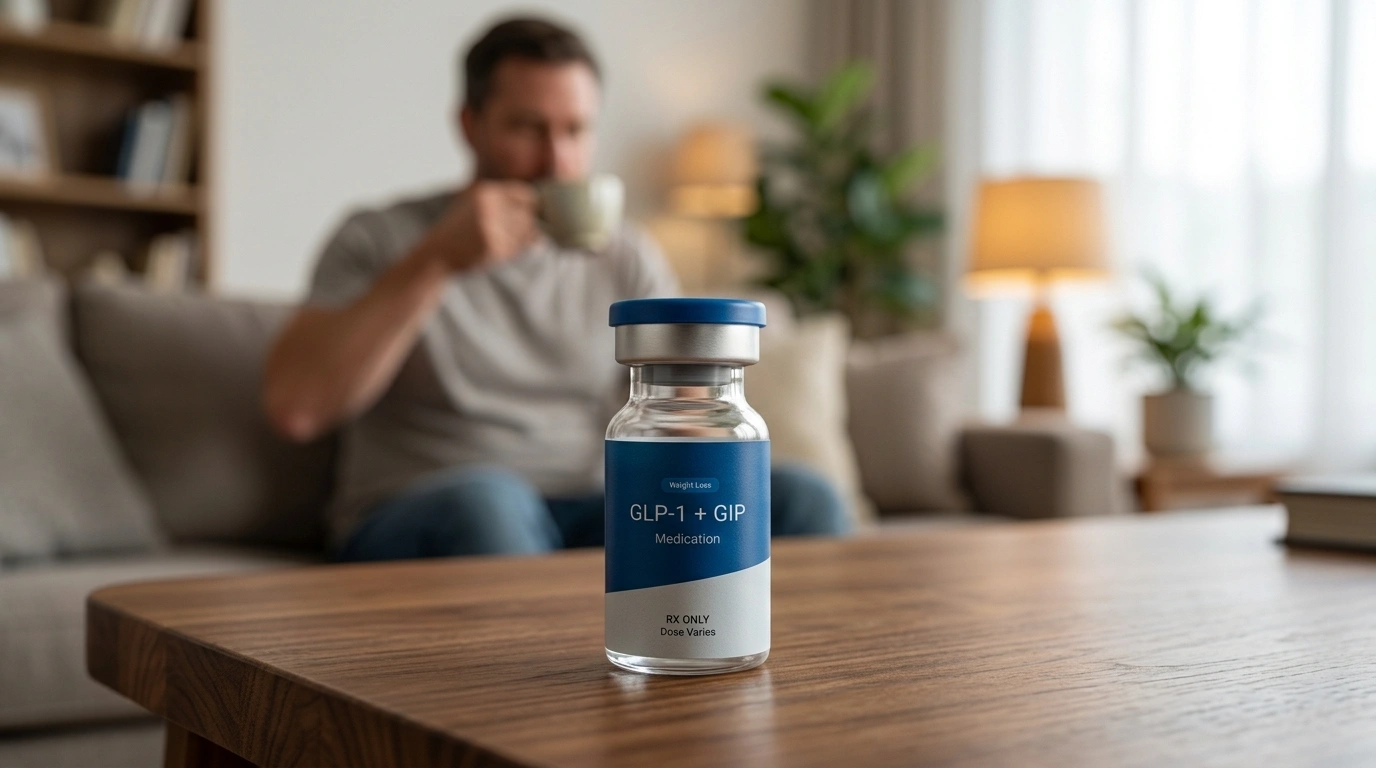
To understand why the weekly schedule exists, we first have to look at the active ingredient in Zepbound®, which is tirzepatide. Tirzepatide is a dual-receptor agonist. This means it mimics two naturally occurring hormones in the body: glucagon-like peptide-1 (GLP-1) and glucose-dependent insulinotropic polypeptide (GIP). For a broader look at how these medications fit into a weight-loss plan, see what GLP-1 support can do for your journey.
The reason most people feel the medication “wearing off” toward the end of the week is due to its half-life. A medication’s half-life is the time it takes for the concentration of the drug in your system to reduce by half. For tirzepatide, the half-life is approximately five days.
Why You Feel Hunger on Day Six
By the time you reach day six, more than half of the medication from your previous injection has been processed and cleared by your body. It is completely normal for your appetite to start returning during this window. However, the 7-day schedule is designed to reach what clinicians call a “steady state.”
Steady state occurs when the amount of medication you inject is balanced by the amount your body clears out. Clinical trials for Zepbound® were conducted using a 7-day interval specifically to find the “sweet spot” where the medication remains effective for weight loss while keeping side effects manageable. If you move the dose to every 6 days, you are adding a full new dose before the body has reached the expected “trough” or lowest point of the previous dose.
Key Takeaway: The 5-day half-life of tirzepatide explains why appetite returns late in the week, but the 7-day schedule is essential to maintain a safe “steady state” of the medication in your bloodstream.
The Risks of Shortening the Dosing Window
It might seem like a small change to move an injection up by 24 hours, but doing this consistently can lead to an “accumulation effect.” When you take the medication every 6 days, the drug level in your blood begins to climb higher than what was intended by your healthcare provider. This can lead to several complications.
Increased Gastrointestinal Side Effects
The most common side effects of tirzepatide involve the digestive system. Because the medication slows gastric emptying (the speed at which food leaves your stomach), having too much of the drug in your system can cause these effects to become severe. Risks include:
- Intense Nausea: Higher concentrations often lead to persistent waves of nausea that can interfere with daily life.
- Vomiting and Dehydration: If the dose accumulates too quickly, it may lead to vomiting, which poses a risk of dehydration and electrolyte imbalances.
- Severe Constipation or Diarrhea: The gut’s motility is highly sensitive to GLP-1 and GIP levels.
- Abdominal Pain: Excessive slowing of the digestive system can lead to cramping and bloating.
Long-Term Safety Concerns
Beyond immediate discomfort, there are clinical reasons to stick to the prescribed interval. Over-medicating the body can put extra strain on the pancreas and gallbladder. While rare, serious conditions like pancreatitis or gallbladder disease are risks associated with this class of medication. Maintaining the 7-day window helps keep these risks at the baseline established during clinical trials. If you are thinking about making any scheduling change, complete a free eligibility assessment before adjusting your routine on your own.
Myth: Taking my dose a day early will help me lose weight faster. Fact: Shortening the window frequently leads to “dose stacking,” which increases side effects and may force you to stop the medication entirely due to intolerance, ultimately slowing your progress.
Managing the “End-of-Week” Cravings
If you find yourself struggling on day six or seven, there are ways to manage your hunger without altering your medication schedule. Many people find that these days are actually a valuable time to practice the lifestyle habits that support long-term weight maintenance.
Prioritize Protein and Fiber
Since the medication is at its lowest concentration in your blood on day six, your body’s natural hunger signals will be louder. You can manage this by focusing on high-satiety foods. Lean proteins (like chicken, fish, or tofu) and high-fiber vegetables take longer to digest and can help you feel full even when the medication’s effects are tapering. If you want more support around meal composition, this protein guide for weight loss is a helpful place to start.
Hydration Strategies
Sometimes, the brain confuses thirst signals for hunger. Increasing your water intake on the final two days of your dosing cycle can help curb the urge to snack. Many participants in our programs use these days to be extra mindful of their hydration goals.
Nutritional Support
During a weight loss journey, your body’s nutritional needs change. Taking a daily supplement can help bridge the gap. Our GLP-1 Daily Support supplement is formulated to provide essential nutrients that support metabolic health, which can be particularly helpful during the “trough” days of your injection cycle. If you feel your energy lagging toward the end of the week, our Weight Loss Boost supplement may also provide the necessary support to keep you active.
When Is It Okay to Change Your Injection Day?
There are certain circumstances where you might need to move your injection day—such as for travel, a special event, or because you simply forgot your dose. The manufacturer of Zepbound® provides specific guidelines for these instances.
Step 1: Check the 72-hour rule. / You should never take two doses of tirzepatide within 3 days (72 hours) of each other. This is the absolute minimum safety window to prevent acute toxicity. If you want a broader overview of weekly tirzepatide timing, this dosing schedule guide is a useful reference.
Step 2: Plan the shift. / If you want to move your injection day from Sunday to Saturday, you can do so, provided your last dose was at least 3 days ago.
Step 3: Consult your provider. / If you find yourself needing to change your day frequently, talk to your specialist. At TrimRx, our clinical partners can help you adjust your schedule safely to fit your lifestyle.
Step 4: Monitor side effects. / Pay close attention to how your body reacts to the shorter window during the transition week.
The Importance of the Titration Schedule
One reason people consider taking their dose every 6 days is that they feel the current dose is no longer working. However, the correct clinical response to this is “titration”—the process of gradually increasing the strength of the dose while keeping the 7-day interval.
The standard titration for Zepbound® begins at 2.5 mg for four weeks. This starting dose is primarily to get your body used to the medication. After four weeks, many patients move up to 5 mg. This continues in 2.5 mg increments (7.5 mg, 10 mg, 12.5 mg, 15 mg) until you reach the maintenance dose that works best for you.
If day six is consistently difficult, it is often a sign that it is time to move to the next dosage level, rather than shortening the week. Increasing the dose strength raises the “trough” level of the medication in your blood, meaning even on day seven, you still have a sufficient amount of the drug in your system to manage your appetite. For a deeper look at how GLP-1 support fits into a structured plan, what GLP-1 does in the body offers a helpful overview.
Personalized Weight Loss with TrimRx
Every metabolic profile is different. What works for one person may not be the ideal path for another. This is why we focus on a telehealth-first model that prioritizes personalization. Through our platform, you aren’t just getting a prescription; you are gaining access to a structured, medically supervised program.
We provide a bridge between modern science and your daily life. Our platform connects you with licensed healthcare providers who can review your progress and help you decide if a dosage increase or a schedule adjustment is the right move for your health. If you are ready to see whether treatment is appropriate, take the free assessment quiz to get started.
What Our Program Includes:
- Medical Consultations: Online doctor visits to discuss your goals and medical history.
- Compounded Medication Options: Access to compounded tirzepatide or compounded semaglutide through licensed pharmacy partners.
- Ongoing Specialist Access: Support to answer questions about side effects or dosing.
- Convenience: No waiting rooms or in-person appointments—everything is handled through our secure online portal.
By choosing a personalized approach, you ensure that your weight loss journey is sustainable. We believe that weight loss is not just about a number on the scale, but about metabolic health and long-term wellness.
Understanding Your Medication Options
When researching tirzepatide, you will encounter both branded and compounded versions. It is important to understand the distinctions between them to make an informed choice for your health.
Branded Medications
Zepbound® and Mounjaro® are branded versions of tirzepatide manufactured by Eli Lilly and Company. These medications are FDA-approved for the treatment of chronic weight management and type 2 diabetes, respectively. While these brands are well-known, they can sometimes be difficult to access due to supply chain issues or insurance coverage limitations.
Compounded Tirzepatide
Compounded Tirzepatide is a customized medication prepared by a licensed pharmacist in a regulated compounding pharmacy. While compounded medications themselves are not FDA-approved, they are a common alternative when branded medications are in short supply or when a patient requires a specific strength not available in branded form.
At TrimRx, we focus on transparency. We connect you with providers who can prescribe compounded versions of these medications, helping you stay consistent with your treatment without the stress of pharmacy shortages.
Bottom line: Whether you are using branded Zepbound® or a compounded version, the 7-day dosing rule remains the clinical standard for safety and efficacy.
How to Get Started
If you are ready to stop guessing and start a professional weight loss program, the process is straightforward. We have designed our onboarding to be as simple as possible while maintaining high clinical standards.
Step 1: Complete the Assessment. / Take our free assessment quiz to share your health history, current weight, and goals.
Step 2: Provider Review. / A licensed healthcare provider will review your profile to determine if you are a candidate for a GLP-1 or GIP/GLP-1 medication.
Step 3: Personalized Plan. / If approved, you will receive a treatment plan tailored to your needs, which may include medication and nutritional support for GLP-1 treatment.
Step 4: Medication Delivery. / Your medication is shipped directly to your door with clear instructions on how to begin your 7-day injection cycle.
Conclusion
While the “day six” return of appetite is a common experience, taking Zepbound every 6 days is generally not the recommended solution. The once-weekly schedule is a carefully calculated balance designed to keep you safe while helping you achieve sustainable results. By sticking to the 7-day window, you avoid the risks of medication accumulation and severe side effects. Instead of shortening your window, focus on high-protein nutrition, proper hydration, and working with your provider to determine if a dosage increase is appropriate.
At TrimRx, we are committed to being your partner in this process. Our mission is to provide empathetic, science-backed support that takes the guesswork out of weight loss. If you are struggling with your current routine or are ready to start your journey, take the free assessment quiz today to see which personalized program is right for you.
FAQ
Can I take my Zepbound dose 24 hours early?
While the manufacturer allows for a change in your injection day as long as there are at least 72 hours since your last dose, you should not make this a regular habit. Taking your dose early once for a specific scheduling conflict is generally safe, but doing it every week can lead to the medication building up in your system, which increases the risk of side effects.
What should I do if my hunger returns on day 6?
If your appetite returns toward the end of your weekly cycle, focus on increasing your protein and fiber intake to stay full. This “wearing off” feeling often happens because the medication’s levels are at their lowest point, and it may be a sign to talk to your healthcare provider about increasing your dosage strength while staying on the 7-day schedule.
Is it safe to skip a week of Zepbound?
If you miss a dose, you should take it as soon as you remember within 4 days (96 hours). If more than 4 days have passed, you should skip the dose and wait until your next regularly scheduled day. Do not take two doses at once to make up for a missed one, as this can cause severe gastrointestinal distress.
Does taking Zepbound every 6 days lead to faster weight loss?
There is no clinical evidence that taking the medication every 6 days leads to faster or more sustainable weight loss. In fact, increasing the frequency without supervision can lead to severe side effects that might require you to stop the medication entirely, which can hinder your long-term progress.
Disclaimer: This content is for informational purposes only and does not constitute medical advice. It is not intended to diagnose, treat, cure, or prevent any disease or condition. Individual results may vary. Always consult a qualified healthcare professional before starting any weight loss program or medication.

Transforming Lives, One Step at a Time
Keep reading

Why Is There a Bruise Where I Injected My Zepbound?
A bruise means a small blood vessel was disturbed under the skin and blood spread into the surrounding tissue. It is one of the…

My Zepbound Pen Won’t Click Past a Certain Dose
Start by checking which device you are holding, because the answer depends entirely on that. Zepbound has commonly been supplied in the United States…

Zepbound Alternatives: Your Options Compared
If Zepbound isn’t the right fit, the main alternative is semaglutide (sold as Wegovy), which produces slightly less weight loss but works similarly, along…


