How Long After Zepbound Injection Do Side Effects Start
Introduction
Standing over a kitchen counter with a medication pen in hand can be a moment of both hope and hesitation. For many starting their weight loss journey, the primary concern isn’t just whether the medication will work, but when they might start feeling “the catch”—those common gastrointestinal side effects often discussed in online forums. At TrimRx, we believe that understanding the timeline of your treatment is the best way to replace anxiety with confidence. Whether you are using Zepbound® or a compounded alternative, knowing exactly what to expect in the hours and days following your dose allows you to plan your week and manage your health effectively. This article covers the typical onset of symptoms, the peak window for side effects, and practical strategies to navigate your first few months of treatment. Our goal is to ensure your path to metabolic health is as smooth and predictable as possible.
If you are considering prescription treatment, you can complete a free eligibility assessment to see whether a personalized program may be appropriate for you.
Quick Answer: Most individuals notice the onset of side effects between 8 and 24 hours after a Zepbound® injection. This timing aligns with when the medication reaches its peak concentration in the bloodstream, though some may feel mild effects sooner or several days later.
The Science of Timing: Why Onset Varies
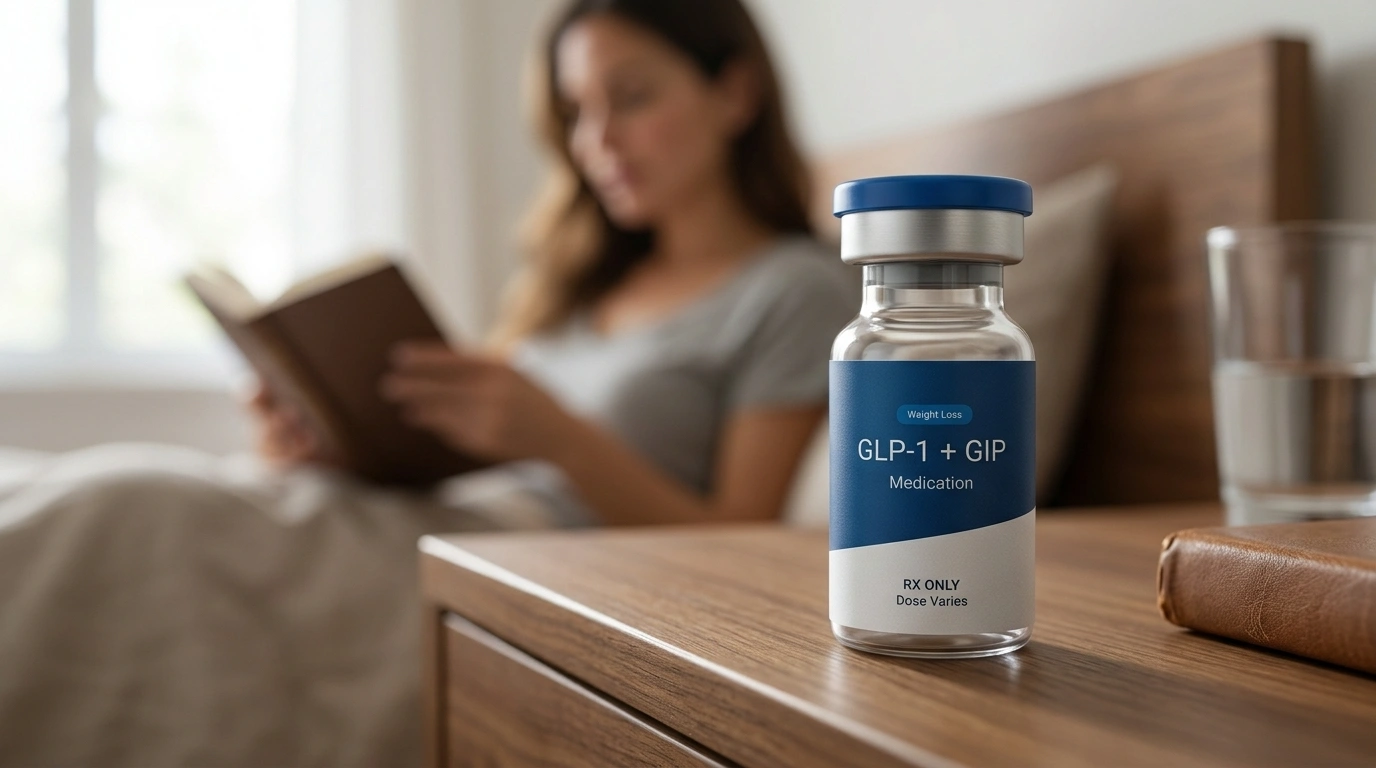
The timing of side effects is directly linked to the medication’s pharmacokinetics, or how the drug moves through your body. Zepbound®, which contains the active ingredient tirzepatide, is a dual-receptor agonist. This means it mimics two different hormones in the body: glucagon-like peptide-1 (GLP-1) and glucose-dependent insulinotropic polypeptide (GIP). These hormones work together to slow down digestion and signal to your brain that you are full.
For a broader explanation of how these medications work, read this GLP-1 weight loss overview.
Because the medication is injected subcutaneously (under the skin), it takes time for the body to absorb the dose and for blood levels to rise. Clinical data suggests that tirzepatide reaches its maximum concentration in the blood—a point known as Tmax—anywhere from 8 to 72 hours after the injection. This window is precisely when most people report the highest intensity of side effects.
Individual metabolism plays a significant role in how quickly you feel the medication. Some people have a faster absorption rate, leading to symptoms appearing on the “morning after” an evening shot. Others may not feel much until the second or third day. Your hydration levels, the injection site chosen, and even your activity level can subtly influence this biological clock.
The First 24 Hours: What to Expect
The first few hours after an injection are usually quiet. It is rare to feel significant gastrointestinal distress immediately after clicking the pen. Most patients report that the first 6 to 12 hours are asymptomatic as the tirzepatide begins its slow climb into the systemic circulation.
As you cross the 12-hour mark, the initial “signals” of the medication may appear. This often starts as a subtle change in appetite or a feeling of “fullness” that persists even if you haven’t eaten recently. For those who do experience side effects early, the most common first signs include:
- A mild, dull headache.
- Slight queasiness or a “fluttery” stomach.
- A metallic taste in the mouth.
- Increased thirst.
For additional context about the first dose, review what to expect after your first Zepbound injection.
By the 24-hour mark, the medication is nearing its peak. This is the most common time for nausea or indigestion to become noticeable. If you take your dose on a Friday night, Saturday evening is frequently the “low point” for many patients in terms of how they feel physically. This is why many people choose to dose before a weekend or a period of rest.
The Peak Window: 24 to 72 Hours
The “peak window” is the timeframe where side effects are most likely to be at their strongest. Because tirzepatide has a long half-life (about five days), the medication stays in your system for a significant amount of time, but the initial “surge” after the injection is what usually triggers the body’s reaction.
Digestive changes are most prominent during these two days. As the GLP-1 and GIP receptors are activated, the rate at which your stomach empties (gastric emptying) slows down significantly. This is a primary mechanism for weight loss, but it is also the primary cause of discomfort. Food sitting in the stomach longer than usual can lead to:
- Nausea: This is the most frequently reported side effect and typically peaks within 48 hours.
- Heartburn or Acid Reflux: Delayed digestion can push stomach acid upward, especially if you lie down shortly after eating.
- Bloating: As the digestive tract adjusts to the new hormonal signals, gas can become trapped.
For more detail about the timing and management of digestive symptoms, read this guide to tirzepatide side effects and what to expect.
Fatigue is another common peak-window symptom. Many individuals report a “slump” in energy levels during the second day after their injection. This isn’t always a direct side effect of the drug itself; it is often a result of decreased caloric intake or the body adjusting to a new metabolic state.
Key Takeaway: Side effects typically peak between 24 and 72 hours post-injection. Planning for lighter meals and increased hydration during this 48-hour window can significantly improve the experience.
The Taper: Days 4 Through 7
As you move further away from your injection day, side effects generally begin to fade. By the fourth or fifth day, the concentration of the medication in your blood starts to stabilize and slowly decline. For most people, this is the “sweet spot” of the week—appetite suppression remains strong, but the acute nausea or digestive discomfort has usually subsided.
However, some side effects may shift rather than disappear. For example, while nausea might peak early, constipation might become more noticeable toward the end of the week. This is because the cumulative effect of slowed digestion over several days can lead to a backup in the lower GI tract.
For a closer look at this digestive change, read why tirzepatide can cause constipation.
If side effects do not taper off by day six, it is a sign to discuss your dosage with a provider. The goal of a personalized program, like those facilitated through the providers we partner with, is to find the “minimum effective dose”—the amount of medication that provides weight loss benefits without causing persistent, week-long illness.
Common Side Effects and Their Specific Timelines
While everyone’s body reacts differently, clinical trials for Zepbound® have identified a consistent pattern of symptoms. Understanding the specific timeline for each can help you distinguish between a normal reaction and something that requires medical attention.
Nausea and Vomiting
Nausea is the hallmark side effect of GLP-1 medications. It typically appears within 12–24 hours and usually resolves by day 3 or 4. Vomiting is less common but follows the same timeline. It is often triggered by eating a meal that is too large or too high in fat during the peak window.
For practical strategies, review how tirzepatide nausea develops and how to manage it.
Diarrhea vs. Constipation
These two symptoms often occur at opposite ends of the week. Diarrhea tends to be an early-week symptom, appearing as the body reacts to the initial dose. Constipation is more likely to develop later in the week (days 4–7) as the slowed gastric emptying affects the entire digestive cycle.
Injection Site Reactions
Unlike internal side effects, injection site reactions (redness, itching, or swelling) usually appear within minutes to hours of the shot. These are typically mild and localized. If a rash develops elsewhere on the body or spreads, you should contact a healthcare provider immediately.
Sulfur Burps
This is a specific and often surprising side effect where burps smell like rotten eggs. This happens because food is sitting in the stomach longer and undergoing a different fermentation process. This symptom often peaks 24–48 hours after the injection.
How Dosage Impacts Side Effect Timing
The severity and onset of side effects are often tied to your current dose. Most patients start on a “loading dose” (2.5 mg) for the first four weeks. During this time, side effects may be very mild or even non-existent. The body is simply being introduced to the hormone.
When you “titrate” or move up to a higher dose, the side effect timeline can reset. For example, you might have no side effects on the 2.5 mg dose, but when you move to 5 mg, you may suddenly experience the 24-hour peak nausea described earlier. This is why medical supervision is vital. A provider can help determine if you should stay at a current dose longer to allow your body to acclimate before increasing the strength.
Note: Never increase your dose without the explicit direction of your licensed healthcare provider. Rapid titration is the leading cause of severe, unmanageable side effects.
Comparison: Injection vs. Oral Administration
While Zepbound® is an injectable medication, some patients explore oral versions of GLP-1 medications, such as oral semaglutide. The timing of side effects differs significantly between these formats.
| Feature | Injectable (Zepbound®) | Oral GLP-1 Medications |
|---|---|---|
| Dosing Frequency | Once weekly | Once daily |
| Side Effect Onset | 8–24 hours post-injection | Constant, mild “background” onset |
| Peak Intensity | High during first 72 hours | Generally lower but more frequent |
| Systemic Absorption | Slow and steady over days | Rapid daily peaks |
Injectables like Zepbound® create a “wave” pattern: a peak of effectiveness and side effects, followed by a gentle decline. Oral medications create a more consistent, daily level of the drug in your system, which some find easier to manage, though the overall weight loss results may vary.
Managing the “Morning After”
If you find that your side effects consistently start 12 to 24 hours after your shot, you can use that data to your advantage. Strategic planning can mitigate much of the discomfort.
1. Timing your injection. Many people prefer to take their dose on Friday evening. This allows the 24-to-72-hour peak window to occur during the weekend when they have more control over their environment, food, and rest. If your side effects are delayed, you might choose Thursday evening instead.
2. Pre-hydration and “Clear” Eating. On the day of your injection, focus on high hydration and light, easily digestible meals. Avoid heavy, fried, or high-fiber foods immediately before and after your shot. This gives your stomach less “heavy lifting” to do as the medication begins to slow down digestion.
3. Strategic Supplementation. Supporting your body’s natural processes can make a difference. Our GLP-1 Daily Support supplement is designed to help maintain nutrient balance and digestive comfort while using these medications. Many users find that addressing common deficiencies and supporting gut health helps lessen the intensity of the “peak window.”
When to Contact a Healthcare Provider
While discomfort is common, it should never be debilitating. It is important to distinguish between “expected” side effects and “red flag” symptoms that require professional intervention.
You should seek medical advice if:
- You experience severe, persistent abdominal pain that may radiate to your back (a potential sign of pancreatitis).
- You are unable to keep any liquids down for more than 24 hours, leading to signs of dehydration like extreme thirst or dark urine.
- You experience a rapid heartbeat that does not subside.
- You have symptoms of a serious allergic reaction, such as swelling of the face, tongue, or throat, or difficulty breathing.
At TrimRx, the providers we partner with are available to help navigate these concerns. A personalized program means you aren’t just given a prescription; you are given a support system to ensure your safety throughout the process.
Why Do Some People Have No Side Effects?
It is a common myth that the medication “isn’t working” if you don’t feel sick. The absence of side effects does not mean the medication is ineffective.
Some individuals simply have a more robust digestive system or a different density of GLP-1 receptors in the gut. These “low responders” in terms of side effects often still see excellent results on the scale. Weight loss is driven by the hormonal signaling in the brain and the metabolic shifts in the body, not by the level of nausea you feel. If you are losing weight and feeling fine, you are in the ideal position.
The Role of Compounded Medications
For many, access to branded medications like Zepbound® or Wegovy® can be limited by supply shortages or insurance hurdles. This has led many to turn to compounded medications.
Compounded tirzepatide works on the same biological timeline as the branded version. Because the active ingredient is the same, you can expect a similar 8-to-72-hour window for side effect onset and peaking. These medications are prepared by FDA-registered, inspected compounding pharmacies to ensure quality and consistency.
When you join a program through our platform, we connect you with licensed providers who can prescribe compounded options when appropriate. This ensures you receive a personalized dose tailored to your tolerance levels, which can be a key factor in managing the side effect timeline.
Long-Term Expectations: The “Adaptation” Phase
The good news for most patients is that the side effect timeline changes over time. Your body is remarkably adaptable.
- Month 1: The most “surprising” month. Side effects may feel unpredictable as your body learns to handle the hormone.
- Months 2–3: Side effects often become more predictable. You will likely know exactly which day of the week you’ll feel “off” and can plan accordingly.
- Month 4 and Beyond: For many, side effects diminish significantly. Once you reach a maintenance dose and your body has fully adjusted to the slowed gastric emptying, the “peak window” becomes much less intense.
Bottom line: While the first 72 hours after an injection are the most likely time for side effects, these symptoms are usually temporary and diminish as your body adapts to the medication.
Moving Forward with TrimRx
Navigating the world of GLP-1 and GIP medications can feel overwhelming, but you don’t have to do it alone. We focus on a telehealth-first approach that prioritizes your comfort and success. By combining medical expertise with a personalized touch, we help you understand not just what you are taking, but how it will affect your daily life.
The journey to a healthier weight is a marathon, not a sprint. Managing the “morning after” your injection is just one small part of a larger, science-backed strategy. We are here to provide the tools, the medication access, and the ongoing support needed to turn your goals into a sustainable reality.
Our GLP-1 Daily Support supplement may provide nutritional support during periods when appetite is reduced.
If you are ready to see if a personalized weight loss program is right for you, the next step is simple. By taking the free assessment quiz, you can get the clarity you need to start your journey with confidence.
FAQ
Can I change my injection day if the side effects start at a bad time?
Yes, you can generally shift your injection day, but you should consult your provider first. Most manufacturers suggest that as long as there are at least three days (72 hours) between doses, you can adjust your schedule. This is often done gradually, moving the dose by one day each week until you reach your desired timing.
Does the injection site affect how fast side effects start?
Some clinical evidence and many patient reports suggest that injection site can influence side effects. Injections in the stomach may lead to slightly faster absorption and more noticeable GI side effects, while injections in the thigh or back of the arm may result in a slower onset and potentially milder symptoms for some people.
For more information about injection locations and site reactions, read this guide to where to take Zepbound injections.
What should I eat right after my injection to avoid nausea?
In the 24 hours following your injection, it is best to stick to small, bland meals. Focus on “BRAT” foods (bananas, rice, applesauce, toast) or lean proteins like grilled chicken. Avoid high-fat, greasy, or very sugary foods, as these are the most likely to trigger nausea and vomiting when gastric emptying is slowed.
How long will Zepbound® side effects last in total?
For most people, acute side effects last for 24 to 48 hours during the peak window each week. In terms of the overall treatment, most patients find that side effects subside significantly after the first 4 to 8 weeks of treatment as the body becomes accustomed to the medication.
If you are considering a personalized prescription program, you can see if you qualify for a medical weight loss assessment.
Disclaimer: This content is for informational purposes only and does not constitute medical advice. It is not intended to diagnose, treat, cure, or prevent any disease or condition. Individual results may vary. Always consult a qualified healthcare professional before starting any weight loss program or medication.

Transforming Lives, One Step at a Time
Keep reading

Surfing on Zepbound: Paddling Strength, Cold Water, and Dawn Patrol
Surfing asks a lot of your body. Paddling out through broken waves takes shoulder, back, and core strength. Cold water drains energy. Dawn sessions…

Skydiving on Zepbound: Planning a Tandem Jump
For many people who have lost weight, a skydive is a goal they set years ago and finally feel ready for. Some dropzones have…
A Day at the Renaissance Faire on Zepbound
A Renaissance faire is a full day out: jousts, stage shows, artisan stalls, dusty lanes, and food built for spectacle, from giant turkey legs…


