How Long Does It Take for Zepbound to Wear Off?
Introduction
If you have recently started a weight loss journey using GLP-1 medications, you might find yourself checking the clock or the calendar quite often. Perhaps you are experiencing a few pesky side effects and want to know when they will subside, or maybe you have noticed your appetite returning a day or two before your next scheduled injection. Understanding exactly how long it takes for a medication to leave your system is a common concern for many individuals navigating modern weight management.
At TrimRx, we believe that clarity is the foundation of a successful health transformation. Whether you are curious about the “half-life” of your medication or trying to plan for a potential gap in your treatment, knowing the timeline of how these substances interact with your body is essential. This article covers the metabolic lifecycle of Zepbound®, how its active ingredients linger in your system, and what you can expect when the effects begin to fade. Understanding these timelines will help you manage your expectations and stay on track with your long-term wellness goals. If you are considering prescription support, you can complete a free eligibility assessment.
The Science of the “Wear-Off” Effect
When people ask how long it takes for a medication to wear off, they are usually talking about one of two things: how long the weight-suppressing effects last or how long the physical substance remains in the bloodstream. To understand both, we have to look at the pharmacology of tirzepatide (the active ingredient in Zepbound®).
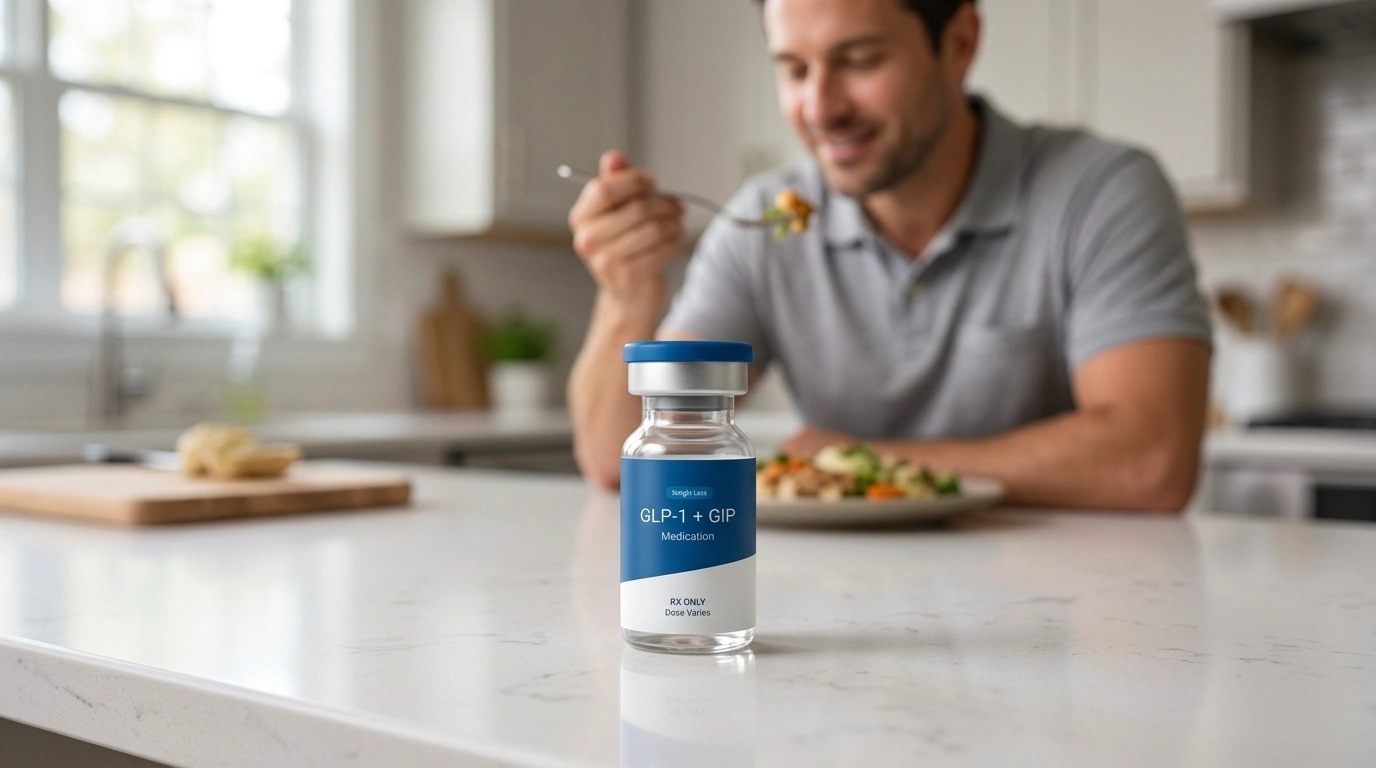
Tirzepatide is a dual agonist, meaning it targets two different hormone receptors in the body: glucagon-like peptide-1 (GLP-1) and glucose-dependent insulinotropic polypeptide (GIP). These hormones work together to slow digestion, signal fullness to the brain, and improve how your body processes sugar. Because the medication is designed to be injected only once per week, it is engineered to break down slowly.
Understanding the Half-Life
The most important term to learn is “half-life.” This is the amount of time it takes for the concentration of a drug in your body to reduce by exactly one-half.
The half-life of Zepbound® is approximately five days.
This means that five days after your injection, about 50% of the medication is still active in your system. Ten days after your injection (five days after that), about 25% remains. This cycle continues until the amount is so small it can no longer be detected. For a more detailed explanation, read how long one dose of Zepbound lasts.
Key Takeaway: Because of its five-day half-life, the medication does not disappear the moment you feel your appetite returning. It is a gradual decline that allows for a steady state of the drug to build up over several weeks of consistent use.
How Long Does Zepbound Stay in Your System?
While you might feel the “peak” effects of the medication within the first few days of your weekly dose, the actual medication stays in your system much longer than seven days.
Most clinical experts agree that it takes about five half-lives for a medication to be considered fully cleared from the human body. If we multiply the five-day half-life by five, we get a window of about 25 to 30 days.
For most individuals, Zepbound® will stay in the system for approximately 30 days after the final dose.
This long duration is why many people do not notice an immediate “crash” if they miss a single dose. However, it is also why side effects can sometimes linger even after you stop taking the medication. Your body needs time to metabolize and clear the remaining molecules of the drug. You can also review this tirzepatide longevity overview for a closer look at medication clearance.
Reaching a “Steady State”
When you first start a personalized program through a platform like ours, your body isn’t yet accustomed to the medication. It usually takes about four to five weeks of consistent weekly dosing to reach a “steady state.” This is the point where the amount of medication you are injecting is equal to the amount your body is clearing out. Once you hit this level, the “wear-off” feeling at the end of the week often becomes less noticeable because you always have a baseline level of tirzepatide in your blood.
Why You Might Feel It “Wearing Off” Early
It is very common for patients to report that they feel hungrier on day six or seven of their injection cycle. This is often referred to as “the end-of-week surge” in appetite or “food noise.”
There are a few reasons why this happens:
- The Concentration Drop: Since the half-life is five days, by day six or seven, the levels of medication in your blood are at their weekly lowest.
- Metabolic Variation: Everyone processes medication differently. Some people may have a slightly faster metabolism that clears the drug more quickly than the average five-day estimate.
- Initial Dosing: If you are on the starting dose (2.5 mg), the total amount of medication in your system is low. As you titrate up to higher doses under the guidance of a licensed provider, the “wear-off” effect usually diminishes.
Quick Answer: Zepbound® takes about 30 days to fully leave your system, but you may start feeling its effects diminish after 5 days as the medication concentration in your blood drops by half.
Managing Side Effects After Stopping
One of the primary reasons people want to know how long the medication takes to wear off is to find relief from side effects. If you are experiencing gastrointestinal issues like nausea, indigestion, or changes in bowel movements, these symptoms are directly tied to the concentration of the medication in your body. For additional context, see this guide to tirzepatide side effects and management.
Timeline for side effect relief:
- 1–3 Days: Most acute side effects (like nausea immediately following an injection) begin to subside as the drug moves past its peak concentration.
- 5–7 Days: As you approach your next dose, most people feel significantly better as levels drop.
- 2–4 Weeks: If you stop the medication entirely, most lingering side effects will disappear within this window as the drug concentration falls below a therapeutic level.
If side effects are severe or persistent, it is vital to consult with a healthcare professional. Our team of specialists is available to help our members navigate these challenges through the TrimRx platform, ensuring that your program remains comfortable and sustainable.
What Happens When the Medication Is Gone?
When the medication fully wears off—meaning it has been more than 30 days since your last dose—your body returns to its baseline metabolic state. This transition is a critical period for anyone on a weight loss journey.
The Return of “Food Noise”
“Food noise” is a term used to describe the intrusive, constant thoughts about food and cravings that many people with metabolic struggles experience. One of the primary functions of tirzepatide is to quiet this noise. When the medication wears off, those signals to the brain will likely return.
Digestion Speed
The medication works partly by slowing down gastric emptying (the speed at which food leaves your stomach). Once the drug is cleared, your digestion will return to its normal speed. This means you might feel hungry more frequently and will no longer feel as “full” for as long after a meal.
Weight Maintenance
Research suggests that without the hormonal support of GLP-1 or GIP agonists, the body may attempt to return to its previous “set point” weight. This is why we emphasize that these medications are tools to be used alongside long-term lifestyle changes. Our personalized programs are designed to help you build the habits necessary to maintain your progress, even if your treatment plan changes.
Factors That Influence the Timeline
Not every person will clear the medication at the exact same rate. Several biological and lifestyle factors can influence how long it takes for Zepbound® to wear off for you specifically.
- Metabolic Rate: Individuals with a higher basal metabolic rate may process and clear medications slightly faster than those with a slower metabolism.
- Hydration and Kidney Function: Since the body clears medication through various metabolic pathways, staying well-hydrated is essential for healthy processing.
- Current Dosage: While the half-life remains the same regardless of dose, a 15 mg dose leaves a much higher absolute amount of medication in the body than a 2.5 mg dose. It may take slightly longer for the “effects” to become completely unnoticeable when coming off a higher dose.
- Body Composition: Differences in body fat percentage and lean muscle mass can occasionally influence how subcutaneous injections are absorbed and distributed.
Note: Never attempt to “speed up” the clearing of medication from your system. The body has its own natural pace for metabolism. If you are concerned about side effects, speak with a provider about dosage adjustments rather than trying to flush the medication out.
What to Do If You Miss a Dose
Because of the long half-life, there is a specific protocol for what to do if you miss your injection. You do not need to panic if you are a day or two late. This missed Zepbound injection guide provides another practical overview.
Step-by-Step Guide for Missed Doses:
- Step 1: Check the Calendar. / If it has been 4 days or less since your scheduled dose, take the missed dose as soon as you remember.
- Step 2: Evaluate the Gap. / If it has been more than 4 days, skip the missed dose entirely. Take your next dose on your usual scheduled day.
- Step 3: Space Your Injections. / Ensure there are at least 3 days (72 hours) between any two doses to avoid an unsafe buildup of the medication in your system.
- Step 4: Consult Your Provider. / If you have missed your medication for more than 2 weeks, do not simply restart at your previous dose. The “steady state” in your body will have dropped significantly, and restarting at a high dose could cause severe side effects. Consult a licensed provider to see if you need to temporarily “re-start” at a lower dose to let your body re-adjust.
Moving Toward Sustainable Health with TrimRx
Understanding the mechanics of your medication is just one part of the journey. At TrimRx, we know that sustainable weight loss isn’t just about what happens in the five days following an injection. It is about the comprehensive support, the personalized medical guidance, and the lifestyle shifts that happen in between.
We provide a telehealth-first experience that connects you with licensed providers who understand the nuances of GLP-1 and GIP medications. Whether you are prescribed compounded semaglutide (a GLP-1 receptor agonist) or compounded tirzepatide (a dual GLP-1/GIP receptor agonist), our goal is to ensure you feel supported every step of the way.
Our programs are designed to be transparent and accessible. We handle the lab work, the doctor consultations, and the coordination with FDA-registered compounding pharmacies so you can focus on your health. By choosing a personalized program, you are not just getting a prescription; you are getting a dedicated team that helps you manage the “wear-off” periods, the side effects, and the long-term transitions.
Maximizing the Medication’s Effectiveness
While waiting for the medication to reach a steady state or manage the end-of-week surge, there are lifestyle steps you can take to support your body’s natural pathways.
Focus on Protein and Fiber
Since the medication slows your digestion, eating high-quality protein and fiber-rich vegetables can help maintain that feeling of fullness even as the medication levels begin to dip toward the end of the week.
Stay Hydrated
Dehydration can mimic the feeling of hunger and can also make side effects like nausea feel much worse. Aim for consistent water intake throughout the day.
Use Targeted Support
Sometimes, your body needs a little extra help managing the metabolic changes that come with weight loss. We offer quick-access products like GLP-1 Daily Support that are designed to complement your journey. These supplements do not require a prescription and can be a helpful addition to your daily routine.
For additional energy and metabolic support during weight loss, Weight Loss Boost may be another option to consider alongside your routine.
Listen to Your Body
The “wear-off” period is actually a great time to practice mindful eating. Use those days when your appetite is slightly higher to practice choosing nutrient-dense foods and listening to your body’s natural hunger cues. This builds the “muscle memory” you will need for long-term maintenance.
When to Contact a Healthcare Professional
While feeling a slight return of appetite is normal, there are certain situations where the “wearing off” or the “staying in” of the medication requires medical attention.
Contact a provider if:
- You have severe abdominal pain that does not go away as the medication wears off.
- You experience persistent vomiting or inability to keep liquids down.
- You have been off the medication for more than 14 days and want to restart.
- You experience signs of an allergic reaction, such as a rash, itching, or swelling.
Our specialists at TrimRx are here to provide 24/7 access to guidance, ensuring that you never have to navigate these questions alone.
Summary of the Wearing-Off Timeline
To help you visualize the process, here is a general summary of the tirzepatide timeline in the body:
| Timeframe | Concentration Level | What You Feel |
|---|---|---|
| 8–72 Hours | Peak Concentration | Maximum appetite suppression; side effects may be most noticeable. |
| 5 Days | 50% Concentration | Half-life reached; effects may begin to subtly diminish. |
| 7 Days | Lowest Weekly Level | “Food noise” may return; side effects usually subside. |
| 4 Weeks | Steady State | Medication levels remain consistent; “wearing off” feel decreases. |
| 30 Days | Full Clearance | Medication is entirely out of the system. |
Conclusion
The journey to better metabolic health is a marathon, not a sprint. Understanding that Zepbound® has a five-day half-life and stays in your system for about a month helps take the guesswork out of your treatment. It explains why you might feel a bit hungrier on day six, and it provides a safety net if you happen to miss a dose by a day or two.
At TrimRx, our mission is to empower you with the science and support needed to embrace a healthier lifestyle. We believe that through a combination of cutting-edge medication, expert medical supervision, and a personalized approach, sustainable weight loss is within reach for everyone. By focusing on the unique needs of your body and providing a transparent, telehealth-first platform, we help turn the complexity of weight loss into a clear, manageable path forward.
If you are ready to stop wondering and start seeing results, the next step is simple. By taking the free assessment quiz, you can begin the process of finding a program tailored specifically to your health profile and goals. Whether you are just starting out or looking for a more personalized level of care, we are here to guide you toward a healthier, more confident future.
FAQ
Can I skip a week of Zepbound if I am going on vacation?
While you can technically skip a dose, it is generally recommended to stay consistent to maintain a steady state of the medication in your system. If you skip a week, the levels in your blood will drop by about 75% over 14 days, which may lead to a return of appetite and “food noise.” Always consult with your healthcare provider before intentionally skipping a dose to ensure you have a plan for restarting safely. For more guidance, review this article about how many days to leave between Zepbound injections.
Why do I still have side effects even though it has been a week since my last shot?
Because the half-life of the medication is five days, you still have approximately 50% of the dose in your system seven days later. For individuals who are particularly sensitive to the medication, even this lower amount can be enough to cause lingering symptoms like nausea or indigestion. These effects should continue to diminish each day as the medication levels further decline.
Will I gain weight back as soon as the medication wears off?
The medication is a tool that helps manage the biological drivers of weight gain, such as appetite and insulin response. If you stop the medication and have not implemented lifestyle and dietary changes, it is common for the weight to gradually return as your original metabolic signals resume. Our programs focus on a holistic approach to help you maintain your results for the long term.
Is it safe to exercise while the medication is at its peak concentration?
Yes, exercise is generally safe and highly recommended as part of a weight loss program. However, because the medication can slow digestion and affect blood sugar, you may want to monitor how you feel during high-intensity workouts. Ensure you are adequately hydrated and have a small, protein-rich snack if you feel lightheaded, especially during the first few days after your injection when the medication is most potent.
Disclaimer: This content is for informational purposes only and does not constitute medical advice. It is not intended to diagnose, treat, cure, or prevent any disease or condition. Individual results may vary. Always consult a qualified healthcare professional before starting any weight loss program or medication.

Transforming Lives, One Step at a Time
Keep reading

Why Is There a Bruise Where I Injected My Zepbound?
A bruise means a small blood vessel was disturbed under the skin and blood spread into the surrounding tissue. It is one of the…

My Zepbound Pen Won’t Click Past a Certain Dose
Start by checking which device you are holding, because the answer depends entirely on that. Zepbound has commonly been supplied in the United States…
Zepbound Alternatives: Your Options Compared
If Zepbound isn’t the right fit, the main alternative is semaglutide (sold as Wegovy), which produces slightly less weight loss but works similarly, along…


