How to Measure Semaglutide Dose for Weight Loss Success
Introduction
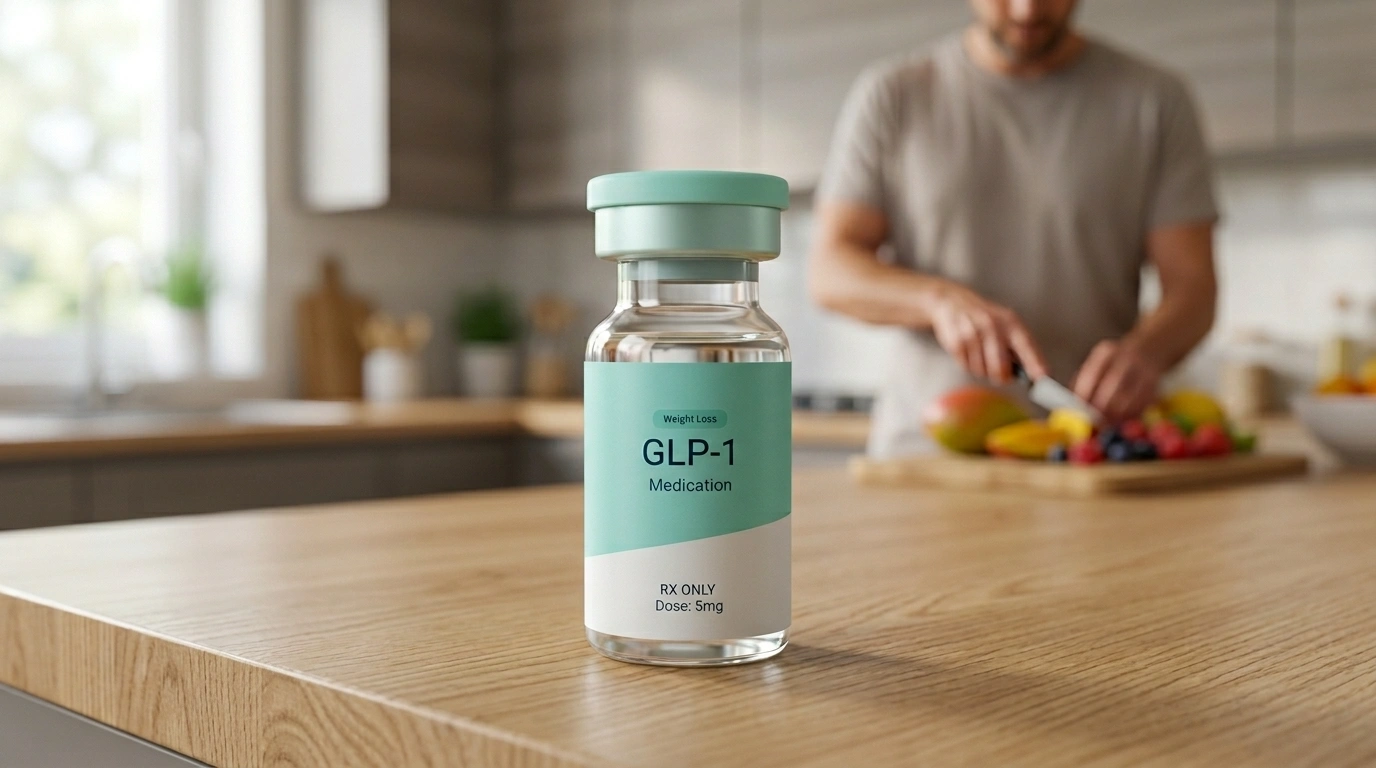
Standing in front of a bathroom mirror with a small vial and a syringe can feel intimidating the first time. You are likely filled with a mix of hope for your health journey and a touch of anxiety about getting the numbers right. Whether you are using a multi-dose pen or a vial of compounded medication, understanding how to measure semaglutide dose accurately is the most important step in ensuring your treatment is both safe and effective.
At TrimRx, we believe that clarity is the foundation of confidence. This guide will walk you through the differences between milligrams and units, the standard titration schedule, and the step-by-step process for preparing your injection. By mastering these basics, you can focus less on the mechanics and more on the progress you are making toward your wellness goals. We provide the professional oversight and personalized plans necessary to help you navigate every step of this metabolic transition. If you are considering a medically supervised program, you can complete a free eligibility assessment.
Quick Answer: To measure a semaglutide dose, you must first identify whether you are using a branded pen or a syringe and vial. In a pen, you turn the dial until the prescribed milligram (mg) amount appears in the window. For a vial, you must convert your mg dose into volume (units or mL) based on the specific concentration listed on your pharmacy label.
Milligrams vs. Units: Understanding the Difference
The most common source of confusion when learning how to measure semaglutide dose is the difference between milligrams (mg) and units. It is essential to understand that these two terms are not interchangeable. For another detailed explanation, review this guide to semaglutide dosing and unit conversions.
Milligrams (mg) refer to the actual weight of the medication—the “active ingredient” that helps regulate your appetite and blood sugar. When a healthcare provider discusses your dosage, they will almost always speak in terms of milligrams. For example, a starting dose is typically 0.25 mg.
Units or Milliliters (mL) refer to the volume of liquid in the syringe. Because the medication is dissolved in a liquid, the amount of liquid you draw up depends on the concentration of that specific batch. Concentration is usually written as something like “5mg/mL” or “2.5mg/0.5mL.”
Key Takeaway: Always follow the “Units to Inject” instructions on your specific pharmacy prescription label rather than trying to calculate the math yourself. Concentrations vary between different pharmacies and preparations.
If your concentration changes between refills, the number of units you pull into a syringe might change even if your milligram dose stays the same. This is why it is vital to read the label every single time you receive a new shipment. A semaglutide starting-dose conversion guide can provide additional context.
The Standard Semaglutide Titration Schedule
The body needs time to adjust to semaglutide, which is a GLP-1 (glucagon-like peptide-1) receptor agonist. This type of medication mimics a natural hormone in your body that manages hunger signals and digestion. If you take too much too soon, your digestive system may react with significant nausea or discomfort.
To prevent this, we use a process called titration. This means starting at a very low “introductory” dose and gradually increasing it every four weeks. This slow climb allows your metabolic system to adapt.
The Typical 5-Month Escalation
Most patients follow a standard schedule, though your provider may adjust this based on how you feel.
- Month 1: 0.25 mg once weekly.
- Month 2: 0.5 mg once weekly.
- Month 3: 1.0 mg once weekly.
- Month 4: 1.7 mg once weekly.
- Month 5 and Beyond: 2.4 mg once weekly (often referred to as the maintenance dose).
It is important to note that while Wegovy® is FDA-approved for weight management at the 2.4 mg dose, and Ozempic® is FDA-approved for Type 2 diabetes at doses up to 2.0 mg, many people find success at lower maintenance doses. Your clinical provider will help determine the right plateau for your body. For more information about how GLP-1 treatment begins, read this guide to getting GLP-1 injections.
How to Measure a Dose from a Vial
If you are using compounded semaglutide, which is prepared in FDA-registered and inspected compounding pharmacies, you will likely receive a small glass vial and a pack of thin insulin syringes. Compounded medications provide a personalized way to access treatment, especially during national shortages of branded products. You can also review this overview of compounded semaglutide and pharmacy preparation.
Step 1: Preparation
Wash your hands thoroughly with soap and water. Find a clean, well-lit surface to work on. Check the vial label to ensure the medication is clear and colorless. If it looks cloudy, contains particles, or is past its expiration date, do not use it.
Step 2: Clean the Vial
Pop the plastic cap off the vial if it is new. Use an alcohol prep pad to wipe the rubber stopper on top of the vial. Let the alcohol air dry for a few seconds. This prevents bacteria from being pushed into the medication by the needle.
Step 3: Draw Air into the Syringe
Remove the cap from the needle. Pull the plunger back to the exact unit mark your provider prescribed. For example, if your dose is 10 units, pull the plunger back until the top of the black rubber stopper reaches the 10-unit line. This fills the syringe with air.
Step 4: Equalize the Pressure
Push the needle through the rubber stopper of the vial. Press the plunger down to push the air into the vial. This creates “positive pressure,” making it much easier to draw the liquid out.
Step 5: Draw the Medication
Turn the vial upside down with the needle still inside. Pull the plunger back slowly until the liquid reaches your prescribed unit mark.
Step 6: Check for Air Bubbles
While the needle is still in the vial, look for large air bubbles in the syringe. Tap the side of the syringe with your finger to make the bubbles rise to the top, then gently push the plunger to move the air back into the vial. Re-adjust the plunger to your correct dose line if necessary.
How to Measure a Dose with a Pre-filled Pen
Branded medications like Wegovy® or Ozempic® often come in pre-filled pens. While Ozempic® pens are often multi-dose (allowing you to select different amounts), Wegovy® pens are typically single-use, auto-injectors where the dose is pre-set.
Using a Multi-Dose Pen
If your provider has prescribed a multi-dose pen, measuring the dose is done by “dialing” the pen.
- Attach the Needle: Peel the paper tab off a new needle and screw it onto the pen.
- Prime the Pen (First Use Only): Turn the dial to the “flow check” symbol (usually a small drop icon). Point the needle up and hold the button until a drop appears. This ensures there is no air in the needle.
- Dial the Dose: Turn the dose selector until your specific milligram dose (e.g., 0.25 or 0.5) appears in the window. You will hear a clicking sound as you turn it.
- Verify: Double-check that the number in the window matches exactly what your doctor told you to take.
Using a Single-Dose Auto-Injector
For single-dose pens, there is no measuring required. The entire contents of the pen equal one dose. You simply remove the cap, press the pen against your skin, and wait for the “click” or the yellow bar to finish moving, indicating the medication has been delivered.
Converting Milligrams to Units: The Math Explained
While you should always rely on your prescription label, understanding the math can help demystify the process. At TrimRx, we ensure your instructions are written in plain English, but here is how the clinical calculation works.
The formula is: (Prescribed Dose in mg) ÷ (Concentration in mg/mL) = Volume in mL.
To convert mL to units on a standard U-100 insulin syringe, you multiply the mL by 100.
Example Calculation:
- Prescribed Dose: 0.5 mg
- Vial Concentration: 5 mg/mL
- 0.5 ÷ 5 = 0.1 mL
- 0.1 mL x 100 = 10 Units
Note: Never assume the math from your last vial applies to your new vial. If the pharmacy changes the concentration from 5 mg/mL to 2.5 mg/mL, your 10-unit dose would suddenly need to be 20 units to get the same 0.5 mg of medication.
Common Dosing Mistakes to Avoid
When learning how to measure semaglutide dose, a few common errors can lead to either an ineffective treatment or an increase in side effects.
- Confusing the Lines on the Syringe: On a 0.5 mL (50 unit) syringe, each small line usually represents 1 unit. On a 1.0 mL (100 unit) syringe, the lines might represent 2 units. Always check the scale of the syringe you are using.
- Drawing to the Tip of the Plunger: You should measure your dose based on the top ring of the black rubber plunger, not the pointed tip that sticks out into the needle area.
- Reusing Needles: Needles are designed for a single use. They become dull and contaminated after one injection. Reusing them can cause skin infections and make the injection painful.
- Not Alternating Injection Sites: If you always inject in the exact same spot on your stomach, you may develop “lipohypertrophy”—small lumps of fatty tissue that can prevent the medication from absorbing correctly. Rotate between your stomach, thighs, and the back of your upper arms.
Managing Side Effects During Dose Increases
As you move up the titration schedule and your measured dose increases, you may notice changes in how your body feels. This is most common during the first 48 hours after an injection.
Nausea and Digestive Changes
Because semaglutide slows down gastric emptying (the speed at which food leaves your stomach), you may feel full very quickly. Measuring a larger dose than your body is ready for can lead to nausea. To manage this, we recommend eating smaller, more frequent meals and focusing on lean proteins.
Hydration and Electrolytes
Maintaining proper hydration is essential, especially as your dose increases. Many patients find that using a supplement like our GLP-1 Daily Support can help provide the necessary nutrients and ease the transition during dose increases.
When to Consult Your Provider
If you experience severe abdominal pain, persistent vomiting, or signs of an allergic reaction, contact your healthcare provider immediately. At TrimRx, our platform connects you with specialists who can help you adjust your titration schedule if the standard pace is too fast for your system.
Storage and Handling for Accuracy
The integrity of the medication affects how well it works. If semaglutide is exposed to extreme heat or light, the peptide bonds can break down, meaning the 0.5 mg you measure might not actually have 0.5 mg of active power.
- Refrigeration: Unopened vials and pens should be kept in the refrigerator between 36°F and 46°F.
- Post-Opening: Once a vial or pen is in use, most can stay at room temperature (up to 86°F) for 28 to 56 days, depending on the specific brand or pharmacy formulation. Check your packaging for the exact “discard after” date.
- Light Protection: Keep your medication in its original box to protect it from light.
- No Freezing: If your medication freezes, do not use it. Throw it away and contact your provider for a replacement.
Creating a Sustainable Routine
Measuring your dose is just one part of a larger lifestyle change. Success with GLP-1 medications is highest when they are paired with a personalized program that addresses nutrition, movement, and emotional health.
Our mission at TrimRx is to help individuals embrace healthier lifestyles through science, empathy, and a transparent, personalized approach. We provide a telehealth-first experience, meaning you never have to wait in a doctor’s office or navigate a confusing pharmacy counter. Everything you need—from the clinical consultation to the medication and supplies—is handled through our platform. For additional energy support during weight loss, explore the Weight Loss Boost supplement.
Bottom Line: Measuring your semaglutide dose accurately requires attention to detail and an understanding of your specific medication’s concentration. By following a slow titration schedule and using proper injection techniques, you maximize your chances of long-term weight loss success.
Getting Started with a Personalized Program
If you are ready to take the next step in your weight loss journey, the process is simple and begins with understanding your unique health profile. We offer a comprehensive service model that includes doctor consultations, lab work, and unlimited support. Take the free assessment quiz to begin sharing your health history and goals.
- Complete the Assessment: Take our free online assessment quiz to share your health history and goals.
- Clinical Review: A licensed provider will review your information to determine if a GLP-1 medication, such as compounded semaglutide, is appropriate for you.
- Personalized Plan: If eligible, you will receive a personalized treatment program with medications shipped directly from an FDA-registered compounding pharmacy to your door.
- Ongoing Support: You will have 24/7 access to our team to help you with dosing questions, side effect management, and lifestyle guidance.
FAQ
How do I know if I am measuring my dose in units or milligrams?
You should always measure your actual injection in units (volume) as marked on the syringe, but your milligrams (dose) is the strength of the medication prescribed by your doctor. The pharmacy label will tell you exactly how many units to draw up to equal your required milligram dose. For example, the label might say “Inject 10 units (0.25 mg) once weekly.”
What should I do if I see a small air bubble in my syringe?
Small, pinhead-sized bubbles are generally not a safety concern for subcutaneous injections, but they can slightly decrease the accuracy of your dose. To remove them, tap the side of the syringe so the bubbles rise to the needle end, then gently push the plunger to expel the air back into the vial. If you cannot get a tiny bubble out, it is usually okay to proceed, as long as it isn’t taking up a significant portion of the dose space.
Can I measure two doses at once if I missed last week’s injection?
No, you should never “double up” on semaglutide doses to make up for a missed one. If you miss a dose and it has been five days or less since your scheduled day, take it as soon as you remember. If more than five days have passed, skip the missed dose entirely and take your next dose on your usual scheduled day.
Why does my unit measurement change even though my milligram dose is the same?
This usually happens if the concentration of the medication has changed. If one vial has 5 mg of medication per 1 mL of liquid and a second vial has 2.5 mg per 1 mL, you would need twice as much liquid (more units) from the second vial to get the same amount of medication. Always check your most recent pharmacy label for the “Units to Inject” instructions. If you are considering treatment through telehealth, you can see whether you qualify for a personalized program.
Disclaimer: This content is for informational purposes only and does not constitute medical advice. It is not intended to diagnose, treat, cure, or prevent any disease or condition. Individual results may vary. Always consult a qualified healthcare professional before starting any weight loss program or medication.

Transforming Lives, One Step at a Time
Keep reading
Semaglutide vs Tirzepatide: Comparing Weight Loss, Blood Sugar, and Side Effects
Semaglutide and Tirzepatide are one of the most common comparisons in medical weight loss. The two medications share a clear family resemblance. Both are…

How Much Weight Can You Lose on Semaglutide?
How much weight can you lose on semaglutide? The answer varies depending on your starting weight, dosage, treatment duration, and individual response to the…

Hair Shedding Months Into Semaglutide
It shows up in the shower drain first, then on the pillow, then in the brush. By the time most people search this, they…


