Unpacking the Ozempic Microdosing Trend: Dosing, Benefits, and Important Considerations
Introduction
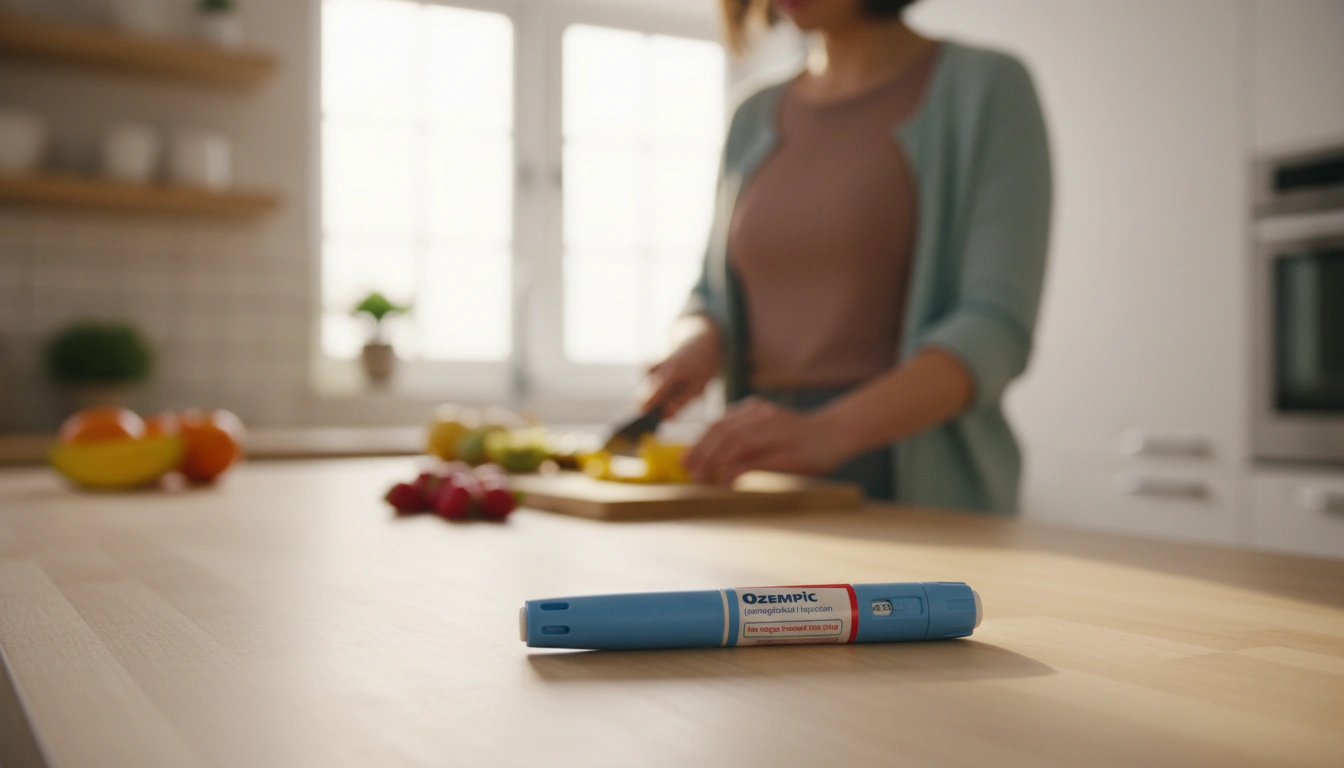
Many of us strive for better health and a body that feels right, often navigating a complex landscape of diets, exercise regimens, and emerging medical solutions. It’s a journey that can feel deeply personal and, at times, overwhelming. In this pursuit, a fascinating trend has emerged around certain weight loss medications, particularly Ozempic: microdosing. Much like the subtle refinements people seek with “baby Botox” for a natural look, individuals are exploring smaller, more nuanced doses of GLP-1 medications to achieve their health goals while often aiming to minimize potential side effects. The conversation around these powerful drugs, known as GLP-1 receptor agonists, has expanded beyond traditional uses, with new research hinting at broader health benefits reaching into areas like cognitive health and addiction support.
At TrimRx, our journey began with a shared vision to help individuals embrace healthier lifestyles. We merge cutting-edge telehealth innovations with effective, clinically proven weight loss solutions. We understand that sustainable weight loss should be achieved through science, empathy, and a transparent approach, providing a user-friendly and supportive space where individuals receive personalized, medically supervised care. We believe that every individual’s path to wellness is unique, and tailoring treatment is paramount.
This article delves into the intriguing world of GLP-1 microdosing, specifically addressing what is the dose for microdosing Ozempic. We will explore the science behind these medications, the standard dosing protocols, and the motivations driving the microdosing trend. Crucially, we will examine the available data, expert perspectives, and the potential benefits and risks associated with this approach. By the end, you’ll have a comprehensive understanding of microdosing GLP-1s, empowering you to have informed conversations about your weight loss journey and how our personalized programs might support your unique needs. We will also highlight how TrimRx stands as a trustworthy and supportive partner, offering transparent and results-oriented solutions, ensuring that safety and individual care remain at the forefront.
Understanding GLP-1 Medications and Their Role in Weight Management
The landscape of weight management has been significantly reshaped by the advent of glucagon-like peptide-1 (GLP-1) receptor agonists. These medications have garnered considerable attention for their remarkable effectiveness in supporting weight loss and managing blood sugar levels. For many, they represent a significant step forward in addressing the complexities of metabolic health.
How GLP-1s Work: Beyond Blood Sugar Control
At its core, a GLP-1 receptor agonist mimics the action of a natural hormone called glucagon-like peptide-1, which your body produces in the gut. This hormone plays a crucial role in several physiological processes related to metabolism and appetite. When activated by a GLP-1 medication, these receptors orchestrate a cascade of effects:
- Improved Blood Sugar Control: For individuals with type 2 diabetes, GLP-1s stimulate the pancreas to release insulin only when blood sugar levels are high, helping to lower glucose. They also reduce the amount of sugar the liver produces.
- Slowed Gastric Emptying: These medications slow down how quickly food leaves your stomach. This leads to a prolonged feeling of fullness, which can reduce overall food intake and prevent rapid blood sugar spikes after meals.
- Appetite Suppression and Reduced Cravings: One of the most impactful effects for weight management is the direct influence on appetite and satiety signals in the brain. Many individuals report a significant reduction in hunger, fewer cravings, and a quieter “food noise”—those constant thoughts about food that can undermine weight loss efforts. This makes it easier to adhere to a reduced-calorie diet.
This multifaceted action makes GLP-1 medications powerful tools, not just for glycemic control but also for promoting substantial and sustained weight loss when combined with healthy lifestyle changes. Our dedicated approach at TrimRx leverages this advanced medical science to provide effective solutions for individuals seeking a healthier weight.
The Standard Approach to GLP-1 Dosing
The development of GLP-1 medications involved rigorous clinical trials to establish safe and effective dosing protocols. These protocols are designed to help the body gradually adjust to the medication, thereby minimizing potential side effects.
Ozempic and Wegovy: Approved Dosing Protocols
Ozempic (semaglutide) is primarily FDA-approved for adults with type 2 diabetes to improve blood sugar control and reduce the risk of major cardiovascular events. While it’s frequently used off-label for weight loss due to its known effects, Wegovy (also semaglutide) is specifically FDA-approved for chronic weight management in adults with obesity or those who are overweight with at least one weight-related condition. Similarly, other GLP-1 medications like Mounjaro® and Zepbound® (tirzepatide) are approved for similar indications.
The standard dosing regimens for these medications typically involve a gradual increase in dose over several weeks or months. For instance, the starting dose for Ozempic is often 0.25 mg once weekly for the first four weeks. This introductory period allows the body to acclimate.
The Gradual Titration Process
Following the initial starter dose, the medication dosage is typically increased in a process called titration. For Ozempic, this might mean increasing to 0.5 mg weekly after the first month, then potentially to 1.0 mg, and sometimes up to 2.0 mg weekly, depending on individual response, tolerability, and treatment goals. For Wegovy, the titration can continue up to a maintenance dose of 2.4 mg weekly.
This gradual titration is crucial for several reasons:
- Minimizing Side Effects: By starting low and increasing slowly, the body has more time to adapt, which can significantly reduce the incidence and severity of common gastrointestinal side effects such as nausea, vomiting, diarrhea, and constipation.
- Optimizing Efficacy: The titration process helps healthcare providers find the lowest effective dose for each individual, ensuring they receive the benefits without unnecessary exposure to higher doses.
- Ensuring Safety: Adhering to scientifically studied dosing schedules helps ensure the medication is used safely and effectively, based on the robust data from clinical trials.
Our commitment at TrimRx is to provide medically supervised care that aligns with these evidence-based practices. When you explore our personalized weight loss program, you’ll find that our plans are designed with this careful, individualized titration in mind, always prioritizing your safety and well-being.
What Exactly Is Ozempic Microdosing?
The concept of “microdosing” has garnered significant attention across various wellness trends, often suggesting that smaller, carefully managed doses can yield benefits while mitigating common drawbacks. In the context of GLP-1 medications like Ozempic, microdosing refers to taking a lower dosage of the drug than what is typically recommended by the manufacturer or the FDA for its approved indications. This practice often involves alternative dosing regimens, either by taking a smaller amount of the drug at the recommended frequency or by taking the recommended dose less frequently.
Defining “Microdosing” in the Context of GLP-1s
When individuals discuss microdosing Ozempic, they are generally referring to administering amounts significantly below the standard starting dose of 0.25 mg weekly, or carefully adjusting doses to be less than the typical increments during the titration phase. For example, some anecdotal reports suggest doses as low as 0.05 mg of semaglutide per week. The underlying idea is to achieve the desired effects—such as appetite suppression or weight loss—with potentially fewer or milder side effects, or to make a medication supply last longer.
It’s important to acknowledge that this approach, while gaining traction, is considered off-label, meaning it’s not part of the official prescribing information from the manufacturer. However, some medical professionals, observing the efficacy of even the lowest standard doses for weight loss, have engaged in a form of individualized dosing that aligns with the principles of microdosing, tailoring treatment to patient sensitivity and response.
The Concept of “Click Counting” with Injectable Pens
For injectable GLP-1 medications like Ozempic and Wegovy, which come in prefilled, adjustable auto-injector pens, the practice of microdosing often involves “click counting.” When preparing an injection, users turn a dial on the pen, which clicks as it moves to specific dose increments (e.g., 0.25 mg, 0.5 mg, 1.0 mg, 2.0 mg). In theory, by carefully counting the clicks, an individual might attempt to dispense an intermediate or lower-than-standard dose.
While the pen mechanism allows for precise delivery of prescribed doses, manufacturers explicitly advise against relying solely on click counts to select a dose, emphasizing the importance of the dose counter displaying the correct milligram amount. Attempting to create unconventional doses via click counting can introduce a margin of error and potentially lead to inconsistent or inaccurate dosing. This highlights the vital need for clear guidance and supervision from a healthcare provider.
The Rise of Compounded GLP-1s and Dosing Flexibility
The increasing popularity of GLP-1 medications has coincided with the rise of compounded versions, which are custom-made by pharmacies. These compounded medications can offer greater flexibility in dosing, potentially allowing for more precise microdoses than what is available in standard branded pens. This flexibility is a key factor for individuals seeking highly personalized treatment regimens.
However, it is crucial to understand that compounded medications are not FDA-approved. This means they do not undergo the same rigorous testing for safety, efficacy, and quality that branded, FDA-approved medications do. While they can provide a valuable alternative for some patients, concerns about quality control and inconsistent ingredients have been raised. At TrimRx, we prioritize your safety and peace of mind. We partner exclusively with FDA-registered and inspected pharmacies for the shipping of any weight loss medications, including compounded options. This ensures that the products you receive meet stringent quality and safety standards, providing you with a reliable and transparent path forward.
Why Individuals Consider Microdosing Ozempic
The motivations behind exploring microdosing for GLP-1 medications are varied and deeply personal, often stemming from a desire to optimize treatment outcomes while minimizing potential downsides. For many, it’s about finding a more harmonious balance on their weight loss journey.
Mitigating Unwanted Side Effects
One of the most frequently cited reasons for considering microdosing is to lessen the incidence and severity of the well-known gastrointestinal side effects associated with GLP-1 medications. Nausea, vomiting, diarrhea, and constipation are common, especially during the initial titration phases or when stepping up to higher doses. These symptoms can be disruptive and, for some, severe enough to consider discontinuing treatment altogether.
Gastrointestinal Comfort and Beyond
A gentler introduction to GLP-1s through microdosing is believed by many to allow the body more time to adjust, thereby reducing the intensity of these uncomfortable symptoms. Medical professionals who have observed patients using lower doses have noted anecdotally that this approach can indeed help with GI side effects. Beyond the gut, some individuals report that smaller doses have also helped them avoid less common symptoms like “brain fog.” This focus on comfort and tolerability is a cornerstone of our empathetic approach at TrimRx; we believe your weight loss journey should be as supportive and manageable as possible.
Navigating Medication Shortages
Periods of medication shortages, as have occurred with some GLP-1 drugs due to high demand, have also driven interest in microdosing. When access to prescribed doses becomes difficult, individuals and their providers may explore strategies to extend their current supply. If higher-dose pens are more readily available than lower-dose ones during a shortage, a doctor might prescribe a larger pen with instructions for a patient to administer a smaller, precise dose, effectively “microdosing” from a higher-capacity pen to avoid gaps in treatment. This approach aims to prevent the disruption of progress and the potential need to restart at the lowest dose after a lapse.
Managing Costs and Maximizing Supply
While we do not discuss pricing, the cost of prescription medications is a significant factor for many individuals. Some may explore microdosing strategies with the intention of extending the lifespan of an injection pen or making a larger-capacity pen last longer, thereby reducing the frequency of refills. This practical consideration reflects the real-world challenges individuals face when accessing long-term treatment. It underscores the importance of our transparent service model at TrimRx, which includes doctor consultations, medication, lab work, unlimited support, and shipping with no hidden fees, aiming to provide a comprehensive and clear pathway for your journey.
Tailoring Treatment to Individual Needs and Goals
The philosophy behind microdosing often aligns with the broader principle of personalized medicine: that no two bodies are exactly alike, and therefore, treatment plans should be adaptable.
Achieving Specific Weight Loss Targets
Some individuals may feel they do not need to lose a large amount of weight and prefer a more controlled, gradual weight loss trajectory. They might believe that a full, standard dose is “too much” for their specific goals or body composition. For instance, studies have shown that for type 2 diabetes, doses of Ozempic up to 1 mg per week were effective for weight loss, and increasing to 2 mg didn’t necessarily yield more weight loss for everyone. This suggests that for some, lower doses can still be therapeutically effective for weight management.
Quieting “Food Noise” at Lower Doses
Many patients taking GLP-1s report a profound reduction in “food noise”—the constant thoughts and cravings related to eating. For some, even a very low dose can be enough to experience this mental shift, helping them feel more in control of their eating habits without the need for higher doses that might induce more side effects.
Weight Maintenance After Initial Loss
After achieving their initial weight loss goals, some individuals transition to a lower dose, or microdose, as a maintenance strategy. The idea is to find the minimum effective dose required to sustain weight loss, help manage appetite, and prevent weight regain. This flexible dosing allows for a more tailored and sustainable long-term approach, helping individuals integrate the medication into their long-term health strategy. Our TrimRx programs are designed with this kind of personalized flexibility in mind, supporting you not just in losing weight but in maintaining your success over time. We encourage you to take our free assessment quiz to explore a plan tailored to your unique maintenance needs.
The Dosing Landscape: What the Data Says About Microdosing Ozempic
When exploring an emerging practice like microdosing, it’s critical to weigh anecdotal experiences against scientific evidence. While individual reports can be compelling, robust clinical data provides the foundation for safe and effective medical practice.
Standard Starting Doses vs. Microdosing Ranges
The standard starting dose for Ozempic is typically 0.25 mg once weekly, gradually increasing. Microdosing, by contrast, involves doses potentially much lower than this initial amount. While the American Diabetes Association (ADA) has, in the past, provided charts suggesting intermediate doses for specific pen strengths (e.g., 0.06 mg, 0.12 mg, 0.25 mg, 0.33 mg, 0.4 mg) as temporary solutions during semaglutide shortages, they do not endorse these as proven methods for weight loss or other therapeutic uses outside of managing supply issues.
It’s clear that the gap between common microdosing practices and formally studied dosages exists, prompting important questions about efficacy and safety.
The Lack of Formal Research on Microdosing Efficacy
A significant point in the discussion of microdosing GLP-1s is the current lack of dedicated clinical trials. Most clinical research on Ozempic has focused on its FDA-approved doses, typically comparing 0.5 mg, 1 mg, and 2 mg once weekly for individuals with type 2 diabetes. For weight loss, studies for medications like Wegovy have shown significant results at doses up to 2.4 mg weekly.
While these studies confirm the effectiveness of standard doses, there isn’t extensive scientific research to support the safety or effectiveness of consistently using microdoses (e.g., 0.05 mg or 0.1 mg) for long-term weight management or other emerging health benefits. Reports of microdosing success are primarily anecdotal, shared through personal experiences rather than published, peer-reviewed studies. This doesn’t invalidate individual experiences but highlights a gap in comprehensive scientific understanding. Researchers acknowledge that while lower doses can be effective for weight loss, the optimal microdose for broad application remains undefined and unstudied in formal trials.
Off-Label Use and Expert Perspectives
Microdosing Ozempic is considered an off-label use, meaning it’s not explicitly outlined in the manufacturer’s guidelines for that specific dosing strategy. However, some endocrinologists and obesity specialists have been instructing patients to use lower, tailored doses for years, even before the current GLP-1 revolution. Their rationale often stems from observing that even the lowest standard doses of Ozempic were effective for weight loss, and that tailoring doses to the individual, much like personalized nutrition, simply makes sense. The medical mission, as some experts note, is to treat the patient with the lowest therapeutic dose that works for them.
This perspective emphasizes individualized care, recognizing that a “one-size-fits-all” approach may not be ideal. However, it also underscores the need for such individualized dosing to be conducted under strict medical supervision, ensuring that decisions are evidence-based where possible and patient safety is paramount. Our approach at TrimRx embodies this personalized philosophy, where medical science and individual needs guide our programs.
The Role of Personalized Medical Supervision
Given the current research landscape, expert consensus strongly advises against self-administering or self-adjusting GLP-1 medication dosages without professional medical guidance. A qualified healthcare provider can assess an individual’s unique health profile, discuss potential benefits and risks, and help determine if a lower-than-standard dose is appropriate, particularly if it’s for off-label use.
This is precisely where TrimRx excels. Our platform connects you with experienced medical professionals who provide personalized, medically supervised care. We offer comprehensive service that includes doctor consultations, medication (provided through FDA-registered and inspected pharmacies), lab work, unlimited support, and shipping with no hidden fees. Our goal is to ensure your weight loss journey is safe, effective, and tailored to your specific needs, always under expert guidance. To explore your personalized options, we invite you to take our free assessment quiz.
The Potential Benefits and Considerations of a Personalized Approach to GLP-1s
The conversation around GLP-1 medications is rapidly evolving, moving towards a more individualized understanding of their application. A personalized approach, which can sometimes involve doses lower than the maximum, offers several potential benefits, enhancing both the immediate experience and long-term success of a weight management program.
Enhancing Adherence Through Reduced Side Effects
One of the most immediate and tangible benefits of carefully adjusting GLP-1 doses, potentially starting with a lower amount, is the reduction in side effects. As discussed, common gastrointestinal issues like nausea, vomiting, and constipation can deter individuals from continuing their treatment. By starting with a more gentle dose and titrating slowly, the body has more time to adapt, making the treatment more tolerable. This increased tolerability directly leads to better adherence, meaning individuals are more likely to stay on their medication consistently, which is crucial for achieving sustained results. Our commitment at TrimRx is to compassionate care that respects every individual’s unique journey, prioritizing your comfort and ensuring you can adhere to your personalized plan effectively.
Supporting a More Sustainable Weight Loss Journey
Crash diets and rapid weight loss often lead to rebound weight gain, creating a frustrating cycle. A personalized approach, including the judicious use of tailored GLP-1 doses, promotes more gradual and sustainable weight loss. This slower, more controlled pace allows the body to adjust metabolically and psychologically, reducing the stress that often accompanies rapid changes. When individuals feel good, are losing weight at a healthy pace (typically 1-2 pounds per week), and are supported by a medication that manages appetite effectively, they are better equipped to integrate healthy lifestyle changes for the long term. This aligns perfectly with TrimRx’s results-oriented philosophy—we focus on creating paths to lasting health, not just temporary fixes.
Broader Health Implications: Emerging Research
Beyond their established roles in diabetes management and weight loss, GLP-1 medications are a subject of exciting and ongoing research exploring a wide array of potential health benefits. Emerging studies, though often observational and conducted with standard therapeutic doses in specific populations (e.g., those with type 2 diabetes), suggest promising implications that extend far beyond weight.
For example, research indicates that GLP-1 drugs may offer cardiovascular protection, reducing the risk of heart attacks and strokes. There’s also growing interest in their potential impact on neurological conditions, with some studies pointing to a reduced risk of Alzheimer’s disease and dementia. Furthermore, GLP-1s are being investigated for their effects on substance abuse disorders, suicidal ideation, and various metabolic dysfunctions like fatty liver disease. While it’s tempting to draw direct cause-and-effect conclusions, these studies generate more questions than answers, particularly regarding whether microdosing would offer similar benefits. Nonetheless, they paint a picture of GLP-1s as potentially transformative beyond just weight management. At TrimRx, we are committed to staying abreast of advanced medical science, continuously seeking innovative ways to support your overall well-being.
Metabolic Health and Beyond
A healthy metabolism is fundamental to both weight management and overall wellness. By improving insulin response and stabilizing blood sugar levels, even in individuals without diagnosed diabetes, GLP-1s can enhance metabolic efficiency. This means the body can process food more effectively, potentially burning calories more efficiently even at rest.
Moreover, GLP-1s can contribute to improved body composition. While weight loss is a primary outcome, the focus should also be on preserving lean muscle mass while reducing fat. Incorporating lifestyle changes like a balanced diet rich in protein and regular exercise, alongside GLP-1 therapy, is crucial for maximizing these benefits. To support your metabolic health and overall wellness during your weight loss journey, consider our GLP-1 Daily Support supplement, designed to complement your efforts. For an added boost, explore our Weight Loss Boost supplement, readily available to enhance your path to better health.
Risks and Important Safeguards When Considering Microdosing
While the concept of microdosing GLP-1s can appear appealing, it is essential to approach this practice with a full understanding of the associated risks and to prioritize safety above all else. Any deviation from FDA-approved dosing regimens warrants careful consideration and strict medical oversight.
Reduced Effectiveness for Approved Indications
The primary risk of microdosing is that the lower dose may simply not be effective enough to achieve the desired therapeutic outcomes, whether for weight loss or blood sugar control. Clinical trials rigorously establish the doses at which these medications demonstrate significant efficacy that outweighs potential risks. When doses fall below these studied thresholds, there is no guarantee that individuals will experience the same benefits. For instance, if someone is microdosing Ozempic with the goal of managing type 2 diabetes, an insufficient dose could lead to uncontrolled blood sugar levels, posing serious health risks. Our results-oriented approach at TrimRx ensures that your treatment plan is designed for maximum effectiveness and safety.
Inconsistent Dosing and Metabolic Health
GLP-1 medications are designed for consistent, long-term use. Inconsistent dosing, whether due to attempts at “click counting” or self-adjusting regimens, can disrupt the steady state of the medication in the body. This inconsistency can lead to fluctuating effects, making it harder to gauge the medication’s true impact and potentially hindering stable metabolic improvement. Furthermore, abrupt cessation or irregular use can be detrimental to metabolic health, much like “yo-yo dieting,” and may lead to weight regain. At TrimRx, we emphasize that medication dosage should never be adjusted without consulting your prescribing provider, reinforcing our commitment to medically supervised care.
Concerns with Unregulated Compounded Medications
The increasing demand for GLP-1s has led to a proliferation of compounded versions. While compounded medications can offer flexibility in dosing, particularly for microdosing strategies, they come with significant concerns regarding quality and safety. Unlike branded, FDA-approved medications, compounded drugs are not evaluated by the FDA for safety, effectiveness, or manufacturing quality. This means there’s a risk of:
- Inaccurate Ingredients: The strength, purity, and even the active ingredient itself may vary or be incorrect in unregulated compounded products.
- Contamination: Compounding facilities may not adhere to the same stringent sterile manufacturing standards as those for FDA-approved drugs, increasing the risk of contamination.
- Adverse Events: The FDA has issued warnings about reports of adverse events associated with using compounded injectable semaglutide products, including severe gastrointestinal symptoms, headaches, fainting, dehydration, and even serious conditions like acute pancreatitis.
The Importance of FDA-Registered and Inspected Pharmacies
Addressing these concerns is paramount for TrimRx. We understand the importance of trust and safety in your weight loss journey. While we offer compounded options as part of our personalized programs, we want to make it unequivocally clear: TrimRx partners exclusively with FDA-registered and inspected pharmacies for the shipping of weight loss medications. This means that all medications, whether branded like Ozempic® and Zepbound® (which are FDA-approved) or compounded, come from facilities that meet rigorous federal standards for quality, safety, and manufacturing practices. We do not claim that compounded medications are FDA approved, but we assure you of our commitment to sourcing from regulated pharmacies. Our transparent service highlights our dedication to your safety.
The Critical Role of Medical Oversight
Ultimately, the most crucial safeguard when considering any GLP-1 medication, especially if exploring microdosing, is comprehensive medical supervision. A healthcare professional can:
- Assess Eligibility: Determine if GLP-1s are appropriate for your health conditions and medical history, identifying any contraindications (e.g., personal or family history of medullary thyroid carcinoma, MEN 2, pancreatitis, severe gastrointestinal conditions, pregnancy, or breastfeeding).
- Personalize Dosing: Work with you to find the lowest effective dose that maximizes benefits while minimizing side effects, aligning with your individual health goals.
- Monitor Progress: Regularly track your weight, metabolic markers, and overall health to ensure the medication is working safely and effectively.
- Manage Side Effects: Provide guidance and support for any adverse reactions, adjusting the treatment plan as needed.
- Provide Education: Offer clear, evidence-based information about the medication, its use, and what to expect.
Our core value at TrimRx is trust. We are dedicated to safe, effective weight loss and individualized care, ensuring that every step of your journey is guided by medical expertise and compassion.
Embracing a Personalized Weight Loss Journey with TrimRx
Navigating the path to sustainable weight loss can be complex, but with the right guidance and support, it becomes a journey of empowerment and transformation. At TrimRx, we stand as your dedicated partner, blending cutting-edge innovation with a deeply empathetic approach to help you achieve your health goals.
Our Vision: Telehealth, Science, and Empathy
Our journey at TrimRx began with a clear vision: to make effective, medically supervised weight loss attainable and tailored to the individual. We recognized the need to merge the convenience of telehealth with clinically proven solutions, creating a platform that is not only user-friendly but also profoundly supportive. We believe that sustainable weight loss isn’t just about a number on the scale; it’s about fostering healthier lifestyles through science, empathy, and transparent processes. We’re here to offer compassionate care that respects every individual’s unique journey, combining advanced medical science with modern technology to deliver results that truly matter.
How TrimRx Supports Your Unique Path
We understand that you deserve a weight loss program that is as unique as you are. That’s why our approach is comprehensive, designed to cover all aspects of your treatment with transparency and unwavering support.
Comprehensive Care: Consultations, Medication, Support
When you choose TrimRx, you’re choosing a complete ecosystem of care. Our service includes:
- Doctor Consultations: You’ll connect with licensed medical professionals who will conduct thorough assessments, discuss your health history, and determine the most appropriate treatment plan for you.
- Medication Access: For those who qualify, we facilitate access to powerful weight loss medications, provided through our partnerships with FDA-registered and inspected pharmacies. Whether you’re prescribed a branded medication like Ozempic®, Zepbound®, or Wegovy® (which are FDA-approved), or a carefully sourced compounded option like Compounded Semaglutide or Compounded Tirzepatide, you can trust in the quality and safety. We never claim compounded medications are FDA approved, but we assure you of our stringent sourcing standards.
- Lab Work: Essential lab tests are included to ensure your treatment is safe and effective, continuously monitored for your well-being.
- Unlimited Support: Your journey doesn’t end after a consultation. Our team provides ongoing, unlimited support to answer your questions, address concerns, and keep you motivated.
- Shipping: We ensure your medication is conveniently shipped directly to you, with no hidden fees, making your experience seamless and stress-free.
Our commitment to transparent service means our approach remains consistent, regardless of dosage changes. We’re here to guide you every step of the way.
Our Range of Personalized Prescription Options
For those seeking a medically supervised weight loss program, we offer a range of powerful, clinically proven medications. To determine your eligibility and receive a personalized treatment plan, you’ll complete our free assessment quiz. Our offerings include:
- Compounded Semaglutide
- Oral Semaglutide
- Ozempic®
- Compounded Tirzepatide
- Oral Tirzepatide
- Mounjaro®
- Zepbound®
- Wegovy®
These options are carefully selected to provide you with a personalized path to achieving your weight loss goals under expert medical supervision.
Quick-Access Supplements for Immediate Support
We also understand that wellness is a continuous journey, and sometimes you need immediate support. Our quick-access supplements are designed to complement your personalized program or simply provide valuable support for overall wellness:
- GLP-1 Daily Support: This supplement is available for immediate purchase to support your body’s natural processes.
- Weight Loss Boost: For an extra push, this supplement can be purchased directly to enhance your weight loss efforts.
These supplements do not require the assessment quiz, offering convenient support for your health journey.
Your First Step: The Free Assessment Quiz
Ready to explore a personalized, safe, and effective path to a healthier you? Your journey begins with a simple yet powerful step. We encourage you to take our free assessment quiz today. It’s designed to help our medical team understand your unique health profile and determine if you qualify for our prescription weight loss medications, leading to a tailored treatment plan that works for you. Let us support you in transforming your life with an innovative, trustworthy, and results-oriented approach.
Conclusion
The exploration of microdosing Ozempic and other GLP-1 medications reveals a nuanced landscape where personal experiences intersect with scientific evidence and medical guidance. While the idea of achieving benefits with fewer side effects and greater flexibility is undeniably appealing, it’s crucial to approach any deviation from standard dosing protocols with caution and under the strict supervision of a healthcare professional. We’ve seen that while anecdotal reports suggest potential benefits, robust clinical trials specifically on microdosing remain limited, underscoring the importance of informed decision-making.
Understanding the mechanisms of GLP-1s, the rationale behind standard titration, and the various motivations for exploring microdosing equips you with valuable knowledge. It highlights that an effective weight loss journey is deeply personal and often benefits from a tailored approach. However, this personalization must be grounded in safety, quality, and expert oversight, particularly given concerns surrounding unregulated compounded medications.
At TrimRx, our commitment is to provide a clear, supportive, and medically supervised path to sustainable weight loss. Our platform merges the convenience of telehealth with clinically proven solutions, ensuring that you receive personalized care from FDA-registered and inspected pharmacies. We offer comprehensive support, from doctor consultations and lab work to ongoing guidance, all designed to make your journey safe and effective.
Your well-being is our priority, and we believe that every individual deserves a clear, results-oriented pathway to better health. We encourage you to take proactive steps towards your goals. Discover your personalized treatment options by taking our free assessment quiz today. For immediate wellness support, explore our GLP-1 Daily Support and Weight Loss Boost supplements. Let TrimRx be your trusted partner in embracing a healthier, more vibrant future.
Frequently Asked Questions (FAQ)
What is the typical starting dose for Ozempic, and how does microdosing differ?
The typical starting dose for Ozempic is 0.25 mg once weekly, gradually increasing over several weeks. Microdosing refers to taking doses lower than this standard starting amount, or adjusting increments to be smaller than manufacturer recommendations during titration. This is often done with the aim of reducing side effects or personalizing the dose, but it is considered an off-label use and lacks extensive dedicated clinical trial data.
Is microdosing Ozempic recommended by medical professionals?
While some medical professionals may tailor GLP-1 doses to individual patient sensitivity and response, particularly to mitigate side effects, formal microdosing regimens are not typically part of FDA-approved prescribing information. There is currently no robust scientific evidence from dedicated clinical trials supporting the efficacy or safety of using significantly lower-than-standard microdoses for long-term weight loss or other therapeutic uses. It is crucial to only consider such an approach under strict medical supervision from a qualified healthcare provider.
What are the risks associated with microdosing GLP-1s, especially with compounded medications?
Risks can include reduced effectiveness for weight loss or blood sugar control, inconsistent dosing, and potential harm from unregulated compounded products. Compounded medications are not FDA-approved and may vary in quality, purity, and active ingredients, leading to adverse events. At TrimRx, we mitigate this by partnering exclusively with FDA-registered and inspected pharmacies for the shipping of all our medications, ensuring that any compounded options meet stringent quality standards.
How does TrimRx ensure a safe and personalized weight loss journey?
TrimRx prioritizes a safe, effective, and personalized weight loss journey through medically supervised care. We offer comprehensive services including doctor consultations, lab work, access to medications from FDA-registered and inspected pharmacies, unlimited support, and transparent shipping—all without hidden fees. Our personalized approach means your treatment plan is tailored to your unique needs, guided by medical expertise. To begin, you can take our free assessment quiz to determine your eligibility for our prescription programs.

Transforming Lives, One Step at a Time
Keep reading

Ozempic Face: How to Prevent and Minimize Facial Changes
Ozempic face refers to the gaunt, hollowed, or aged appearance that some patients develop during rapid weight loss on semaglutide. It’s not a direct…
How to Lose Belly Fat on Ozempic: Why It Comes Off First
One of the most consistent things patients report on Ozempic is that belly fat seems to come off before fat in other areas. That’s…

How Ozempic Changes Your Body Beyond the Scale
Ozempic changes your body in ways that go well beyond what the scale shows. Within the first few weeks, appetite signaling shifts, gastric emptying…


