Unveiling the Maximum Zepbound Dose: A Guide to Personalized Weight Management

Introduction
Embarking on a weight loss journey often brings a mix of hope, determination, and perhaps a few questions about the path ahead. Many individuals explore a variety of solutions, seeking effective and sustainable ways to achieve their health goals. Among the clinically proven options available, medications like Zepbound (tirzepatide) have emerged as significant tools for weight management and addressing related health conditions. However, navigating the specifics of such treatments, including understanding dosages and what to expect, can sometimes feel overwhelming. It’s natural to wonder how these advanced solutions work, what a typical treatment plan entails, and for those considering this option, a common question arises: what is the highest dose of Zepbound you can take to support your journey effectively?
This blog post aims to demystify Zepbound’s dosing regimen, particularly focusing on its maximum recommended dose, and provide a comprehensive overview of its role in personalized weight management. We will explore the science behind tirzepatide, its approved indications, and the careful titration process designed to optimize results while minimizing potential side effects. Our journey at TrimRx began with a shared vision to help individuals embrace healthier lifestyles by merging cutting-edge telehealth innovations with effective weight loss solutions. We understand that sustainable weight loss should be achieved through science, empathy, and a transparent approach, and we believe in empowering you with accurate and actionable information.
Throughout this guide, we’ll delve into the recommended dosage schedules for Zepbound, discuss crucial safety considerations, potential interactions, and practical administration tips. We’ll also highlight how a personalized, medically supervised approach, like the one we offer at TrimRx, integrates these powerful medications into a holistic framework, encompassing doctor consultations, necessary lab work, and continuous support. Our commitment is to offer compassionate care that respects every individual’s unique journey, combining advanced medical science with modern technology to make sustainable weight loss attainable and tailored to you. By the end of this article, you will have a clear understanding of Zepbound’s dosage protocols and how such a treatment can be part of a safe and effective weight loss strategy.
Understanding Zepbound: A Modern Approach to Weight Management
Zepbound, with its active ingredient tirzepatide, represents a significant advancement in the field of weight management. Approved by the FDA for adults with obesity (defined as a Body Mass Index, or BMI, of 30 kg/m² or greater) or those who are overweight (BMI of 27 kg/m² or greater) and have at least one weight-related condition—such as high blood pressure, type 2 diabetes, heart disease, high cholesterol, or obstructive sleep apnea (OSA)—Zepbound offers a new pathway for individuals seeking substantial weight loss. It is also specifically indicated for treating moderate to severe obstructive sleep apnea in adults who also have obesity.
At its core, Zepbound is a dual glucose-dependent insulinotropic polypeptide (GIP) and glucagon-like peptide-1 (GLP-1) receptor agonist. This means it mimics the effects of two natural hormones in your body, GIP and GLP-1. These hormones play a crucial role in regulating appetite, controlling blood sugar, and slowing gastric emptying. By activating both GIP and GLP-1 receptors, tirzepatide works synergistically to reduce food intake, decrease appetite, and improve metabolic control, ultimately leading to significant weight loss. This innovative mechanism of action sets it apart, offering a powerful tool when combined with a reduced-calorie diet and increased physical activity, which are fundamental pillars of any successful weight management program.
Our platform at TrimRx is built on the belief that integrating such cutting-edge medical solutions with personalized support can lead to life-changing outcomes. We are dedicated to providing a user-friendly and supportive space where individuals receive medically supervised care, all designed to make sustainable weight loss attainable. If you’re wondering if Zepbound or a similar prescription medication is right for you, we encourage you to take our free assessment quiz to explore your personalized treatment options.
The Role of Tirzepatide in Weight Loss
Tirzepatide’s effectiveness stems from its dual action on GIP and GLP-1 receptors. Both GLP-1 and GIP are incretin hormones that are released by the intestine in response to food intake. They signal the pancreas to release insulin, helping to lower blood glucose. Beyond this, these hormones influence appetite regulation in the brain. GLP-1 is well-known for its role in reducing appetite and delaying gastric emptying, contributing to feelings of fullness. GIP also plays a part in fat metabolism and reducing fat storage, alongside its effects on blood sugar and appetite.
By leveraging both pathways, tirzepatide offers a more comprehensive approach to weight management than medications targeting only one receptor. This dual agonism leads to enhanced glucose control, significant reductions in body weight, and improvements in various cardiometabolic risk factors often associated with obesity. The robust clinical trial data supporting Zepbound’s efficacy underscores its potential as a transformative option for many individuals struggling with excess weight.
The Journey to Your Optimal Dose: Understanding Zepbound’s Escalation
When considering a medication like Zepbound, understanding the dosing schedule is paramount. It’s not a one-size-fits-all approach, but rather a carefully titrated process designed to optimize both effectiveness and tolerability. This methodical escalation helps your body adapt to the medication and minimizes the risk of gastrointestinal side effects, which are common with GLP-1 and GIP receptor agonists.
Starting Your Zepbound Journey
The recommended starting dosage of Zepbound for all indications is 2.5 mg, injected subcutaneously once weekly for four weeks. This initial dose serves as an introduction for your body to the medication. It’s important to understand that this 2.5 mg dosage is purely for treatment initiation and is not considered a maintenance dose. It sets the foundation for your body to gradually adjust to tirzepatide.
At TrimRx, our personalized weight loss programs, including options like Zepbound, begin with a thorough doctor consultation. This ensures that any prescription medication, whether it’s Ozempic®, Zepbound®, Compounded Semaglutide, or Compounded Tirzepatide, is prescribed as part of a tailored and medically appropriate plan. We prioritize safety and efficacy from your very first step.
Gradual Escalation for Optimal Results
After the initial four weeks on 2.5 mg, the dosage is typically increased to 5 mg, injected subcutaneously once weekly. This marks the first step up in your treatment. Subsequent dosage increases are made in 2.5 mg increments, but only after you have been on your current dose for at least four weeks. This slow and steady approach is critical for managing potential side effects and allowing your body ample time to adjust to each new level of medication.
The goal of this gradual escalation is to find the lowest effective maintenance dose that provides the desired therapeutic effect with acceptable tolerability. Your healthcare provider will consider your individual treatment response and any side effects you experience when deciding whether to increase your dose. If you find a particular maintenance dosage challenging to tolerate, a lower maintenance dosage may be considered, demonstrating the flexible and patient-centric nature of these treatment plans.
Reaching the Maximum Dosage: What is the Highest Dose of Zepbound You Can Take?
For individuals utilizing Zepbound for weight reduction and long-term weight management, the recommended maintenance dosages are typically 5 mg, 10 mg, or 15 mg, injected subcutaneously once weekly. For those treating obstructive sleep apnea (OSA) in conjunction with obesity, the recommended maintenance dosage is 10 mg or 15 mg once weekly.
Addressing the core question: the maximum dosage of Zepbound for all approved indications is 15 mg, injected subcutaneously once weekly. This 15 mg dose represents the highest strength available and the ceiling for treatment, established through rigorous clinical trials to balance efficacy with safety. It’s important to reiterate that dose adjustments should always be made under the guidance of a healthcare professional.
Why Dose Escalation is Key
The practice of gradually increasing the dose, known as titration, is a cornerstone of safe and effective GLP-1 and GIP receptor agonist therapy. Rapid escalation can overwhelm the body, leading to more pronounced and uncomfortable side effects, particularly gastrointestinal issues like nausea, vomiting, and diarrhea. By allowing your system to slowly adapt, the titration schedule aims to ensure a smoother transition to higher, more effective doses, improving the likelihood of long-term adherence and successful weight loss outcomes.
Our transparent service at TrimRx ensures that our approach remains consistent regardless of dosage changes. We work exclusively with FDA-registered and inspected pharmacies for the shipping of weight loss medications, underscoring our commitment to your safety and the quality of your treatment.
Beyond the Injection: What Zepbound Requires
While Zepbound is a powerful tool, it is not a standalone solution. Its effectiveness is maximized when used in combination with a reduced-calorie diet and increased physical activity. This holistic approach is fundamental to achieving and sustaining significant weight loss and improving overall health.
Incorporating healthy eating habits and regular exercise into your daily routine amplifies the benefits of Zepbound, promoting better metabolic health and a more active lifestyle. This comprehensive strategy aligns perfectly with TrimRx’s values, as we emphasize personalized, medically supervised care designed to help you embrace healthier lifestyles. Our programs include unlimited support to help you integrate these essential lifestyle changes into your life, ensuring you have the guidance you need every step of the way.
To further support your wellness journey, we also offer quick-access supplements. For instance, our GLP-1 Daily Support is designed to complement the effects of GLP-1 receptor agonists and support metabolic health, while our Weight Loss Boost can provide additional support for your weight management efforts. These supplements are available for immediate purchase to bolster your overall well-being.
Safety First: Important Considerations and Potential Side Effects
While Zepbound offers significant benefits for weight management, it’s crucial to be fully aware of potential side effects and important safety considerations. Transparency is a core value at TrimRx, and we believe in providing all the necessary information for you to make informed decisions about your health.
Important Contraindications
Zepbound is contraindicated in patients with a personal or family history of medullary thyroid carcinoma (MTC) or in patients with Multiple Endocrine Neoplasia syndrome type 2 (MEN 2). It is also contraindicated in individuals with known serious hypersensitivity to tirzepatide or any of its excipients, as serious hypersensitivity reactions, including anaphylaxis and angioedema, have been reported.
Thyroid C-Cell Tumor Warning
A significant warning associated with tirzepatide (the active ingredient in Zepbound) is the risk of thyroid C-cell tumors. In animal studies (rats), tirzepatide caused dose-dependent and treatment-duration-dependent thyroid C-cell tumors at clinically relevant exposures. It is currently unknown whether Zepbound causes these tumors, including MTC, in humans. Patients should be counseled on this potential risk and informed about symptoms of thyroid tumors, such as a mass in the neck, difficulty swallowing (dysphagia), shortness of breath (dyspnea), or persistent hoarseness. Routine monitoring of serum calcitonin or using thyroid ultrasound is of uncertain value for early detection of MTC in patients treated with Zepbound and may lead to unnecessary procedures. However, if significantly elevated serum calcitonin values are found or thyroid nodules are noted, further evaluation is indicated.
Gastrointestinal Considerations
Gastrointestinal adverse reactions are among the most common and can sometimes be severe. These include nausea, diarrhea, vomiting, and constipation. In clinical trials, severe gastrointestinal adverse reactions were reported more frequently in patients receiving Zepbound compared to placebo. It is not recommended for patients with severe gastrointestinal disease, including severe gastroparesis.
Risks of Pancreatitis and Gallbladder Disease
Acute pancreatitis, a serious inflammation of the pancreas, has been observed in patients treated with GLP-1 receptor agonists and tirzepatide. Patients should be vigilant for symptoms such as persistent severe abdominal pain, sometimes radiating to the back, which may or may not be accompanied by vomiting. If pancreatitis is suspected, Zepbound should be discontinued, and appropriate medical management initiated.
Treatment with Zepbound and other GLP-1 receptor agonists is also associated with an increased occurrence of acute gallbladder disease, including cholelithiasis (gallstones) and cholecystitis (inflammation of the gallbladder), and in some cases, cholecystectomy (gallbladder removal). These events are associated with weight reduction. If gallbladder disease is suspected, diagnostic studies and clinical follow-up are necessary.
Hypoglycemia Risk
Zepbound can lower blood glucose levels and cause hypoglycemia (low blood sugar), especially when used in combination with an insulin secretagogue (like sulfonylureas) or insulin. Patients with type 2 diabetes mellitus taking Zepbound alongside these medications have an increased risk of hypoglycemia. Even in adults without type 2 diabetes, hypoglycemia has been reported. It is important for patients to be aware of the signs and symptoms of hypoglycemia and, for those with diabetes, to monitor blood glucose. Adjustments to insulin or sulfonylurea doses may be necessary to mitigate this risk.
Other Noteworthy Side Effects
- Acute Kidney Injury: Dehydration due to severe gastrointestinal adverse reactions can lead to acute kidney injury. Patients experiencing nausea, vomiting, or diarrhea should monitor renal function.
- Hypersensitivity Reactions: Serious reactions like anaphylaxis and angioedema have been reported. Patients should seek immediate medical attention if these occur and discontinue Zepbound.
- Diabetic Retinopathy Complications: In patients with type 2 diabetes, rapid improvement in glucose control has been associated with a temporary worsening of diabetic retinopathy. Monitoring for progression of diabetic retinopathy is advised for those with a history of the condition.
- Suicidal Behavior and Ideation: Suicidal thoughts or behaviors have been reported with other weight management products. Patients treated with Zepbound should be monitored for changes in mood or behavior, emergence of depression, or suicidal ideation. Zepbound should be discontinued if such thoughts or behaviors arise, and avoided in patients with a history of suicidal attempts or active suicidal ideation.
- Pulmonary Aspiration During Anesthesia: Zepbound delays gastric emptying, which poses a potential risk of pulmonary aspiration during surgeries or procedures requiring general anesthesia or deep sedation. Patients should inform healthcare providers about Zepbound use prior to any planned procedures.
This detailed overview of side effects and warnings is provided to ensure full transparency. Our approach at TrimRx emphasizes the importance of a thorough medical evaluation through our free assessment quiz and ongoing medical supervision to mitigate these risks and ensure the safest possible treatment path for you.
Medication Interactions: A Crucial Dialogue
Understanding how Zepbound might interact with other medications is a critical part of your treatment plan. Tirzepatide, by delaying gastric emptying, can influence the absorption of orally administered medications. This means open communication with your healthcare provider about all medications you are taking—including prescriptions, over-the-counter drugs, and supplements—is essential.
Several types of medications warrant particular attention when considering Zepbound:
- Oral Contraceptives: Zepbound can decrease the effectiveness of oral hormonal contraceptives. It’s recommended that patients using oral contraceptives switch to a non-oral contraceptive method or add a barrier method for at least four weeks after initiating Zepbound and for four weeks after each dose escalation. This ensures continued protection and avoids unintended pregnancies.
- Insulin Secretagogues and Insulin: As previously mentioned, Zepbound lowers blood glucose. When combined with medications that also lower blood sugar, such as sulfonylureas (e.g., glimepiride, glipizide, glyburide) or insulin, there is an increased risk of hypoglycemia. Close monitoring of blood glucose levels is necessary, and dose adjustments for these concomitant medications may be required to prevent low blood sugar episodes.
- Other Oral Medications with Narrow Therapeutic Index: Medications like cyclosporine, digoxin, divalproex sodium, and levothyroxine, which depend on specific blood concentrations for efficacy and have a narrow therapeutic index, may have their absorption impacted. Monitoring is advised to ensure these medications remain effective.
- Lonapegsomatropin: This medication may decrease insulin sensitivity, especially at higher doses, potentially affecting the efficacy of tirzepatide or requiring adjustments in blood glucose monitoring and antidiabetic agent doses.
Our doctor consultations are a cornerstone of our service, providing an opportunity to discuss your full medical history and current medications. This personalized approach ensures that potential interactions are thoroughly reviewed, and your treatment plan is safely integrated with your existing health regimen. We aim to offer compassionate care that respects every individual’s unique journey, leveraging advanced medical science to support you safely.
Managing Your Zepbound Journey with TrimRx
Navigating a weight loss journey with a prescription medication like Zepbound requires more than just a prescription; it demands a comprehensive, supportive ecosystem. At TrimRx, we are proud to offer exactly that – a clinically proven, personalized weight loss solution designed with your safety and success at its heart. Our dedication to safe, effective weight loss and individualized care is woven into every aspect of our program.
Personalized Care with TrimRx
Our journey began with a shared vision to help individuals embrace healthier lifestyles by merging cutting-edge telehealth innovations with effective weight loss solutions. We understand that each person’s journey is unique, which is why our platform is a user-friendly and supportive space where you receive personalized, medically supervised care. From your initial doctor consultation to ongoing support and medication delivery, we ensure a seamless and empowering experience.
To determine if Zepbound, Mounjaro®, Wegovy®, or one of our other prescription weight loss medications like Oral Semaglutide or Oral Tirzepatide is right for you, we invite you to take our free assessment quiz. This quiz helps us understand your health profile and determine your eligibility for a personalized treatment plan tailored to your specific needs and goals.
Our Commitment to Transparency and Safety
Our brand is empathetic, innovative, trustworthy, supportive, results-oriented, and personalized. We combine advanced medical science with modern technology to deliver compassionate care. A cornerstone of our service is transparency, ensuring that our approach remains consistent, whether it’s your initial dose or a maintenance dose.
We also prioritize your safety by working exclusively with FDA-registered and inspected pharmacies for the shipping of all weight loss medications. For branded medications like Ozempic® and Zepbound®, we acknowledge their FDA approval. For compounded medications, it’s important to clarify that they are provided through these same FDA-registered, inspected, and approved pharmacies, ensuring quality and adherence to strict standards.
Our comprehensive service includes doctor consultations, any necessary lab work, the medication itself, unlimited support throughout your journey, and convenient shipping, all with no hidden fees. We partner with these pharmacies for the shipping of weight loss medications and do not provide actual medical supervision ourselves, but ensure you are connected with licensed healthcare providers for your medical care.
Supporting Your Journey Beyond Prescription Medications
We believe that a holistic approach often yields the best and most sustainable results. Beyond our personalized prescription medication programs, we also offer quick-access supplements designed to support your overall wellness during your weight loss journey. These are available for immediate purchase without needing a quiz:
- GLP-1 Daily Support: This supplement is crafted to support the body’s natural metabolic processes and complement the effects of GLP-1 receptor agonists, aiding in digestion and nutrient absorption.
- Weight Loss Boost: Designed to provide additional support, this supplement can help enhance your body’s ability to manage weight when combined with a healthy diet and active lifestyle.
These quick-access options are part of our broader commitment to providing diverse tools to help you achieve your health objectives, reflecting our dedication to individualized care and comprehensive support.
Practical Administration of Zepbound
Proper administration is key to the safe and effective use of Zepbound. Our programs ensure that patients and caregivers receive thorough training on correct injection techniques.
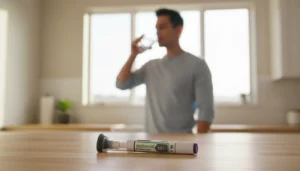
Zepbound is administered as a subcutaneous injection once weekly. You can choose to inject it at any time of day, with or without meals, which offers flexibility in your routine. The recommended injection sites are the abdomen, thigh, or upper arm. It is crucial to rotate injection sites with each dose to avoid irritation and ensure proper absorption. When using a single-dose vial, an appropriate syringe (e.g., a 1 mL syringe capable of measuring a 0.5 mL dose) should be used. Always visually inspect Zepbound before use; it should appear clear and colorless to slightly yellow. Do not use if particulate matter or discoloration is observed.
What if You Miss a Dose?
Life happens, and sometimes a dose might be missed. If you miss a dose of Zepbound, administer it as soon as possible within four days (96 hours) after the missed dose. If more than four days have passed, it is generally recommended to skip the missed dose and administer the next dose on your regularly scheduled day. Do not inject two doses to make up for a missed one. The day of weekly administration can be changed if needed, as long as at least three days (72 hours) pass between two doses. Always consult with your healthcare provider if you are unsure about a missed dose.
Long-Term Treatment and Monitoring
Zepbound is typically prescribed as a long-term treatment. If you and your healthcare provider determine that it is safe and effective for you, you will likely continue using it long-term. Throughout your treatment, your provider will monitor your progress, assess your body’s response to the medication, and discuss any side effects you may experience. This ongoing evaluation ensures that your treatment plan remains optimized for your health and weight loss goals. This commitment to continuous, personalized care is a cornerstone of the TrimRx experience.
Conclusion
Understanding Zepbound, particularly its dosage and maximum recommended strength, is an important step for anyone considering this medication as part of their weight management strategy. We’ve explored that the highest dose of Zepbound you can take is 15 mg once weekly, a culmination of a carefully titrated journey designed to maximize benefits while managing potential side effects. This dual GIP and GLP-1 receptor agonist offers a powerful, clinically proven pathway to significant weight loss and improved health, especially when integrated with a reduced-calorie diet and increased physical activity.
However, the efficacy of Zepbound is profoundly linked to a clear understanding of its administration, potential side effects, and critical drug interactions. We have underscored the importance of comprehensive medical supervision, from the initial assessment through ongoing monitoring, to ensure a safe and effective treatment experience. The warnings associated with Zepbound, including the risk of thyroid C-cell tumors, severe gastrointestinal issues, and other serious adverse reactions, highlight why a medically guided approach is not just beneficial, but essential.
At TrimRx, our entire platform is built around providing such a supportive and expertly guided environment. Our mission to merge cutting-edge telehealth with effective weight loss solutions means we offer personalized, medically supervised care, including doctor consultations, lab work, medication from FDA-registered and inspected pharmacies, and unlimited support—all designed to make sustainable weight loss attainable and tailored to you. We believe in science, empathy, and a transparent approach, ensuring you have the information and tools to make informed decisions and achieve your health goals.
Whether you are just beginning to explore your options or are ready to take a definitive step towards a healthier lifestyle, we invite you to take advantage of the resources we offer. To see if a prescription weight loss medication like Zepbound is suitable for your individual needs, take our free assessment quiz today. Additionally, for immediate support in your wellness journey, explore our GLP-1 Daily Support and Weight Loss Boost supplements. Your journey to sustainable weight loss is a significant one, and we are here to support you every step of the way, ensuring it is both safe and effective. What step will you take next to invest in your long-term health and well-being?
FAQ
What is the maximum Zepbound dose for weight management?
The maximum Zepbound dose is 15 mg weekly, representing the highest FDA-approved level in this guide to personalized weight management for optimal therapeutic benefits. TrimRx provides guidance on unveiling the maximum Zepbound dose, explaining how this maximum amount in personalized weight management delivers peak appetite suppression and metabolic effects.
How long does it take to reach the maximum Zepbound dose in personalized weight management?
Reaching the maximum Zepbound dose typically takes 16-20 weeks through gradual escalation, unveiling appropriate progression timelines in a guide to personalized weight management protocols. TrimRx follows unveiling the maximum Zepbound dose schedules, ensuring personalized weight management approaches allow adequate tolerance development before reaching the maximum therapeutic level.
Is the maximum Zepbound dose necessary for everyone’s personalized weight management plan?
The maximum Zepbound dose isn’t necessary for everyone, as unveiling personalized weight management shows many patients achieve goals at intermediate levels like 7.5 mg or 10 mg. TrimRx customizes unveiling the maximum Zepbound dose based on individual needs, recognizing personalized weight management means some patients succeed without reaching the maximum dose.
What benefits come from unveiling the maximum Zepbound dose in weight management?
Unveiling the maximum Zepbound dose provides strongest appetite suppression, maximum metabolic benefits, and optimal blood sugar control in personalized weight management strategies. TrimRx explains benefits of unveiling the maximum Zepbound dose, showing how reaching this level in personalized weight management maximizes therapeutic outcomes for appropriate patients.
How does unveiling the maximum Zepbound dose fit into personalized weight management approaches?
Unveiling the maximum Zepbound dose represents one option in personalized weight management, with the guide showing individualization determines whether maximum dosing is appropriate. TrimRx emphasizes that unveiling the maximum Zepbound dose must align with personalized weight management principles, tailoring maximum dose decisions to individual response patterns and goals.
What side effects occur when unveiling the maximum Zepbound dose in weight management?
Unveiling the maximum Zepbound dose may intensify side effects like nausea initially, though personalized weight management strategies help minimize discomfort at this maximum level. TrimRx prepares patients for unveiling the maximum Zepbound dose effects, implementing personalized weight management techniques that support tolerating the maximum dose successfully.
Can I stay on the maximum Zepbound dose long-term for personalized weight management?
You can maintain the maximum Zepbound dose indefinitely for personalized weight management if needed, with unveiling long-term maximum dosing supporting sustained weight maintenance. TrimRx monitors patients unveiling the maximum Zepbound dose chronically, ensuring personalized weight management at the maximum level remains safe and effective throughout extended treatment.
How does a guide to personalized weight management determine if I need the maximum Zepbound dose?
A guide to personalized weight management determines maximum Zepbound dose necessity by unveiling individual response patterns, weight loss velocity, and tolerance at lower levels. TrimRx uses personalized weight management assessment, unveiling whether the maximum Zepbound dose is required by evaluating your unique therapeutic needs and treatment goals.
What happens after unveiling the maximum Zepbound dose in my weight management journey?
After unveiling the maximum Zepbound dose, personalized weight management focuses on maintenance, monitoring results, and adjusting strategies to preserve achieved weight loss. TrimRx continues personalized weight management support after unveiling the maximum Zepbound dose, ensuring the maximum level sustains benefits through ongoing optimization and lifestyle integration.
Why is unveiling the maximum Zepbound dose important for personalized weight management success?
Unveiling the maximum Zepbound dose is important for personalized weight management because some patients require maximum therapeutic levels to overcome significant obesity. TrimRx recognizes that unveiling the maximum Zepbound dose enables personalized weight management success for individuals who need the maximum dose to achieve meaningful, sustainable results.
Can the maximum dose help if I’ve plateaued at lower Zepbound levels?
Escalating to the maximum 15 mg dose often breaks through plateaus experienced at 10 mg or 12.5 mg by providing enhanced therapeutic effects. Many patients experience renewed weight loss momentum after reaching the highest available dosing level.
Are there risks to reaching the maximum Zepbound dose too quickly?
Rapid escalation to maximum dosing increases risks of severe nausea, vomiting, and treatment discontinuation due to poor tolerance. Standard monthly progressions allow gradual adaptation that makes the highest dose more tolerable when reached appropriately.
How much weight can I expect to lose at the maximum Zepbound dose?
Clinical trials show patients on 15 mg Zepbound lose approximately 20-25% of starting body weight over 72 weeks. Individual results vary based on adherence, baseline weight, metabolism, and lifestyle factors beyond medication alone.
Will insurance cover the maximum Zepbound dose for weight management?
Insurance coverage for maximum dosing depends on policy terms, medical necessity documentation, and whether treatment is for diabetes versus weight loss. Prior authorization often requires demonstrating progressive response at lower doses before approving maximum levels.
Can I reduce from the maximum dose once I reach my goal weight?
Some patients successfully reduce to lower maintenance doses after achieving goals, though weight regain risk increases with dose reduction. Careful monitoring during down-titration helps determine the minimum effective dose for sustaining your weight loss achievements.

Transforming Lives, One Step at a Time
Keep reading

How to Get Zepbound in Texas: Your Guide
Getting Zepbound in Texas is straightforward once you know your options. You can get a prescription through a telehealth provider from home, through your…

How to Get Zepbound in California: Where to Start
Zepbound (tirzepatide) is available to California residents through your primary care provider, a weight loss clinic, or a telehealth service that prescribes and delivers…
Stopping Zepbound: Managing the Transition
When you stop taking Zepbound, your appetite returns to pre-medication levels within a few weeks and most people regain a meaningful portion of their…


