Can You Take Wegovy If You Have Celiac Disease?
Introduction
Living with celiac disease means you are already an expert at reading labels and questioning every ingredient that enters your body. When you are considering a medication like Wegovy® for weight management, that caution is naturally amplified. You might wonder if the medication contains hidden gluten or if its effects on the digestive system will interfere with your autoimmune health. At TrimRx, we understand that weight loss is never a one-size-fits-all journey, especially when you are managing a chronic condition that dictates your entire diet.
This article explores the safety profile of semaglutide (the active ingredient in Wegovy) for those with celiac disease, how the medication interacts with a gluten-free lifestyle, and the importance of clinical supervision. While celiac disease is not a barrier to treatment, there are specific considerations regarding symptom management and nutrition that you should know. Ultimately, Wegovy is generally considered safe for individuals with celiac disease when managed under the guidance of a licensed healthcare provider.
Quick Answer: Yes, you can generally take Wegovy if you have celiac disease. It is an injectable medication that does not contain gluten, and celiac disease is not a medical contraindication for its use. However, because both the medication and the condition affect the digestive system, careful monitoring of gastrointestinal symptoms is essential.
How Wegovy Works in the Body
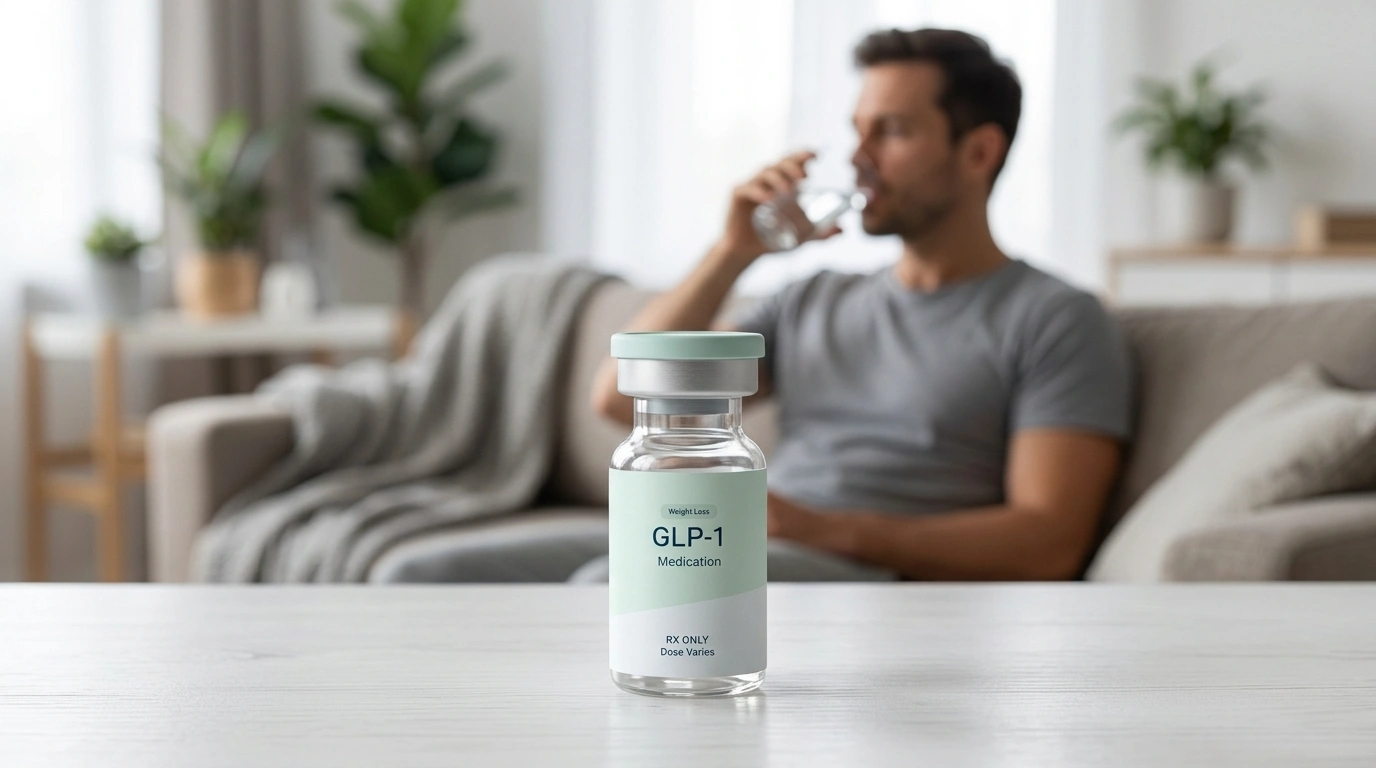
Wegovy is a GLP-1 receptor agonist, which stands for glucagon-like peptide-1. This is a synthetic version of a hormone your body naturally produces in the gut after you eat. Its primary job is to tell your brain that you are full and to slow down the rate at which your stomach empties. For someone struggling with weight, this “fullness signal” can be a powerful tool to help reduce calorie intake without the constant “food noise” or intense hunger that often derails traditional dieting. You can also review this overview of how GLP-1 medications work.
The medication is administered as a weekly injection under the skin. Because it is an injectable, it bypasses the initial stages of digestion where gluten would typically cause an immune reaction in the small intestine. For those with celiac disease, the fact that it is not an oral tablet—which often contains binders and fillers—is often a point of relief.
Semaglutide influences the metabolic system by improving insulin sensitivity and slowing gastric emptying. Gastric emptying is simply the process of food moving from your stomach into your small intestine. By slowing this down, the medication helps you feel satisfied for longer periods. However, this same mechanism is what leads to the most common side effects, many of which can mimic the discomfort of a celiac flare.
Is There Gluten in Wegovy?
One of the first questions any person with celiac disease asks is about the “excipients,” or the inactive ingredients, in a drug. For a medication to be safe for someone with celiac disease, it must be free of gluten-derived fillers like wheat starch.
The injectable form of Wegovy does not contain gluten. According to the manufacturer’s labeling, the ingredients include semaglutide, disodium phosphate dihydrate, sodium chloride, and water for injection. None of these components are derived from wheat, barley, or rye. Because it is a liquid solution intended for subcutaneous injection, the risk of cross-contamination with gluten during the manufacturing process is extremely low compared to oral medications produced in facilities that may handle various grain-based binders.
Key Takeaway: Wegovy is considered gluten-free and safe for celiac patients from an ingredient standpoint. The injection bypasses the gut’s primary gluten-response mechanism, making it a viable option for those on a strict gluten-free diet.
The Overlap of Symptoms: Wegovy vs. Celiac Disease
The most significant challenge for a person with celiac disease taking Wegovy is not the medication’s ingredients, but its side effects. Both celiac disease and GLP-1 medications primarily affect the gastrointestinal (GI) tract. If you experience stomach pain or nausea, it can be difficult to determine if you have accidentally consumed gluten or if you are simply experiencing the standard adjustment period of the medication.
Common side effects of Wegovy include:
- Nausea and vomiting
- Diarrhea or constipation
- Abdominal bloating and pain
- Heartburn or acid reflux
Common symptoms of a “glutening” (celiac flare) include:
- Abdominal pain and cramping
- Diarrhea or bulky, foul-smelling stools
- Bloating and gas
- Fatigue and “brain fog”
Because these lists are so similar, you must have a clear baseline of your celiac health before starting. A licensed provider will usually want to ensure your celiac disease is well-managed and that you are strictly adhering to a gluten-free diet before initiating treatment. This makes it easier to identify the source of any new GI distress.
Comparing Symptom Profiles
| Symptom | Wegovy Side Effect | Celiac Disease Flare |
|---|---|---|
| Nausea | Very common, usually peaks 24-48 hours after injection. | Common, often accompanied by a “sour” stomach. |
| Diarrhea | Possible, often related to high-fat meals. | Common, usually follows gluten ingestion. |
| Bloating | Common due to slowed digestion. | Very common due to inflammation in the small intestine. |
| Timeline | Usually improves as the body adjusts to the dose. | Usually persists until gluten is cleared and the gut heals. |
Bottom line: While Wegovy side effects can mimic celiac symptoms, they are generally tied to the timing of your weekly dose and tend to diminish over time as your body acclimates to the medication. For additional context, review these common GLP-1 side effects.
Nutritional Considerations for Celiac Patients
Celiac disease is characterized by damage to the villi—the tiny, finger-like projections in the small intestine that absorb nutrients. Even when the disease is well-managed, many individuals with celiac have a history of malabsorption. Common deficiencies include iron, Vitamin B12, Vitamin D, and folate.
Wegovy reduces your overall food intake. While this is the goal for weight loss, it means you have fewer opportunities to take in essential vitamins and minerals. If your body is already struggling with absorption due to past intestinal damage, a significant reduction in food volume could potentially worsen nutritional gaps.
Protein intake becomes a priority. When losing weight on a GLP-1 program, there is a risk of losing muscle mass along with fat. For someone with celiac disease, finding high-quality, gluten-free protein sources is essential. We recommend focusing on lean meats, eggs, beans, and certified gluten-free protein supplements to support your metabolic health during the program.
Hydration is equally critical. Diarrhea and vomiting, which can be side effects of the medication or a celiac reaction, can lead to rapid dehydration. Dehydration can stress the kidneys and increase feelings of fatigue. Ensuring you are drinking enough water and potentially using gluten-free electrolyte supports can help manage these risks.
Note: If you have celiac disease, you should have your nutrient levels (specifically B12, Iron, and Vitamin D) checked regularly by a healthcare professional while on a weight loss medication to ensure your body is getting what it needs.
Managing the “Slowed Digestion” Factor
Wegovy works by slowing down gastric emptying. For most, this is a benefit that leads to satiety. However, for those with digestive disorders, this change can feel significant. If food sits in your stomach longer, you may feel “heavy” or bloated, which can be a trigger for those used to the discomfort of celiac disease.
To manage this, we suggest a “low and slow” approach. This means starting at the lowest possible dose and only increasing when your body has fully adjusted. Our platform connects you with licensed providers who specialize in this type of titration, ensuring that your transition into the program is as smooth as possible.
Small, frequent meals are often better tolerated. Instead of three large meals, many people on GLP-1s find that five very small, nutrient-dense snacks keep their energy up without overwhelming their slowed digestive system. For a celiac patient, this might look like a small portion of quinoa, a few slices of turkey, or a gluten-free yogurt. These strategies are also covered in this guide to why GLP-1 medications can cause GI issues.
Key Takeaway: Slowed digestion is a normal part of how GLP-1s work, but it requires a strategic approach to eating—focusing on small portions and high-quality, gluten-free nutrients.
The Role of Personalized Telehealth Programs
Managing weight loss while navigating an autoimmune condition like celiac disease requires a level of personalization that traditional “diet clubs” often lack. This is where a clinical platform like ours can provide significant value.
At TrimRx, our approach is built on the understanding that your medical history is the foundation of your treatment. When you complete the free assessment quiz, you provide information about your health goals and medical background. This allows the licensed providers we partner with to review your case with your specific needs in mind.
Why personalization matters for celiac patients:
- Provider Oversight: Having a licensed professional review your history ensures that Wegovy is appropriate for your specific health profile.
- Dose Management: If you experience significant GI overlap, your provider can help you stay at a lower dose longer to allow your gut to adapt.
- Ongoing Support: Access to specialists means you don’t have to guess whether a symptom is a side effect or a flare-up.
- Convenience: For someone already busy managing a complex diet, the ability to handle consultations and medication delivery online is a major stress-reducer.
We believe that medical weight loss should be accessible and empathetic. By merging technology with clinical expertise, we help you navigate the complexities of medications like Wegovy without the need for stressful, in-person waiting rooms.
Myth vs. Fact: Celiac Disease and GLP-1s
Myth: Wegovy can “cure” the inflammation caused by celiac disease. Fact: While some early research suggests that GLP-1 medications may have mild anti-inflammatory properties, they are not a treatment for celiac disease. You must maintain a strict gluten-free diet even while taking weight loss medication.
Myth: You cannot take compounded semaglutide if you have celiac disease. Fact: Compounded semaglutide, which is prepared by FDA-registered, inspected compounding pharmacies, can be an option for those with celiac disease. However, you must always confirm with the pharmacist that the specific base and any additives used in the compound are gluten-free.
Myth: Weight loss on Wegovy is “guaranteed” for people with autoimmune issues. Fact: No medication guarantees a specific outcome. Weight loss results vary based on your metabolism, adherence to the program, and lifestyle changes like movement and hydration.
Clinical Safety and When to Call Your Provider
While Wegovy is generally safe, there are rare but serious side effects that everyone—especially those with pre-existing digestive conditions—should be aware of.
Pancreatitis is a serious concern. This is inflammation of the pancreas that causes severe, persistent abdominal pain that may radiate to your back. Because celiac disease also involves abdominal pain, you must know the difference. Pancreatitis pain is usually much more intense and is often accompanied by persistent vomiting.
Gallbladder problems can also occur. Rapid weight loss, regardless of the method, can increase the risk of gallstones. Symptoms include pain in the upper right side of your stomach, fever, or yellowing of the skin and eyes (jaundice).
You should contact a healthcare provider if:
- Your GI symptoms become so severe that you cannot keep down fluids or food.
- You experience a “flare” of celiac symptoms that does not resolve after clearing gluten from your diet.
- You feel significant weakness or dizziness, which could indicate a nutritional deficiency or dehydration.
- You notice any signs of an allergic reaction, such as a rash, itching, or swelling.
Our platform provides 24/7 access to a dedicated team, ensuring you never have to navigate these concerns alone. Having a specialist to talk to can help you distinguish between the expected “niggles” of a new medication and something that requires clinical intervention. You can also review this resource on when GLP-1 side effects need medical attention.
Step-by-Step: Starting Your Journey with TrimRx
If you are ready to see if a GLP-1 program is right for your lifestyle, the process is designed to be transparent and straightforward.
Step 1: Complete the free assessment quiz. Fill out our online health profile, where you will mention your celiac disease and any other health conditions. This information is critical for the licensed provider’s review.
Step 2: Connect with a licensed provider. A provider will review your medical history, BMI, and goals to determine if you are a candidate for a weight loss program. They can answer specific questions about how the medication might interact with your celiac disease.
Step 3: Receive your personalized program. If eligible, your program includes the medication (shipped from an FDA-registered compounding pharmacy), all supplies, and ongoing support. There are no hidden fees or “dosage jump” costs.
Step 4: Begin your treatment and monitor progress. Start your weekly injections and focus on your gluten-free, nutrient-dense nutrition plan. Use our support team whenever you have questions about side effects or lifestyle adjustments.
Practical Tips for Success
Navigating weight loss with celiac disease is about balance. You want to leverage the benefits of the medication while protecting your sensitive digestive system.
- Keep a Food and Symptom Journal: Track what you eat, when you take your injection, and how you feel. This is the best way to identify if certain “safe” gluten-free foods are harder to digest while on the medication.
- Prioritize Fiber Carefully: While fiber helps with the constipation often caused by GLP-1s, too much fiber at once can cause bloating. Choose gentle, gluten-free sources like cooked carrots, berries, or chia seeds.
- Don’t Rush the Dose: If you feel good at a lower dose and are losing weight, there is no need to rush to a higher dose. Your provider can help you find your “sweet spot” for efficacy and comfort.
- Focus on Nutrient Density: Since you will be eating less, every bite counts. Choose foods that are high in vitamins and minerals to compensate for potential absorption issues.
Bottom line: A successful journey involves more than just a weekly injection; it requires a mindful approach to nutrition, hydration, and communication with your care team.
Conclusion
Taking Wegovy while managing celiac disease is not only possible but can be highly effective for achieving your weight loss goals. Because the medication is gluten-free and administered via injection, it avoids the primary triggers associated with your autoimmune condition. The key to success lies in understanding the overlap of gastrointestinal symptoms and ensuring that your nutritional needs are met even as your appetite decreases.
At TrimRx, our mission is to empower you with a science-backed, personalized approach to metabolic health. We believe that a weight loss journey should be supported by empathy and clinical expertise, rather than a “one-size-fits-all” mentality. By connecting you with licensed providers and providing high-quality medication through a telehealth-first model, we make it possible to prioritize your health without the stress of the traditional medical system.
Key Takeaways for Celiac Patients:
- Wegovy is gluten-free and does not interact directly with celiac-related gluten triggers.
- GI side effects are common but usually manageable with a slow dose increase.
- Monitoring for nutritional deficiencies is essential due to reduced food intake.
- A personalized program ensures that your medical history is always at the forefront of your care.
“Weight loss is a marathon of small, healthy choices. When you have the right tools and a team that understands your unique health profile, those choices become much easier to sustain.”
If you are ready to take the first step toward a healthier, more vibrant you, we invite you to begin your journey today. Your path to sustainable weight loss starts with a clear understanding of your body and a program built just for you.
Start your free assessment quiz now to see if you are eligible for a personalized program.
FAQ
Does Wegovy contain wheat or gluten-based fillers?
No, the injectable form of Wegovy does not contain any wheat, barley, rye, or gluten-derived ingredients. Its inactive ingredients are primarily salts and water, making it safe for individuals with celiac disease or gluten sensitivity.
Can I tell the difference between a Wegovy side effect and a celiac flare?
It can be difficult because symptoms like nausea and bloating overlap, but the timing is often a clue. Wegovy side effects usually peak shortly after your weekly injection and improve over a few days, whereas a celiac flare typically follows gluten exposure and may last until the gut begins to heal. This guide to managing common GLP-1 side effects offers additional context.
Will Wegovy affect how I absorb my gluten-free nutrients?
Wegovy slows down how quickly food leaves your stomach, which generally does not stop nutrient absorption but can change the timing. However, because you will be eating less overall, it is important to work with a healthcare provider to monitor your levels of iron, B12, and other key nutrients often affected by celiac disease.
Is celiac disease a reason my doctor might say “no” to Wegovy?
Celiac disease itself is not a contraindication, but a doctor might advise caution if your disease is currently “active” or poorly managed. The goal is to have your digestion as stable as possible before introducing a medication that affects the GI tract, which is why a personalized medical review is so important. If you are considering a prescription program, you can complete the free eligibility assessment.
TrimRX does not practice medicine or prescribe medications. Compounded medications are not FDA-approved and are not evaluated by the FDA for safety or efficacy. Results vary by individual and are not guaranteed.
Disclaimer: This content is for informational purposes only and does not constitute medical advice. It is not intended to diagnose, treat, cure, or prevent any disease or condition. Individual results may vary. Always consult a qualified healthcare professional before starting any weight loss program or medication.

Transforming Lives, One Step at a Time
Keep reading

Is It Normal for a Wegovy Injection Site to Itch?
A small red patch, a slightly raised spot, or an itch that shows up a few hours or a day after your injection is…

Is It Normal to Have Brain Fog on Wegovy?
Losing your train of thought mid-sentence, rereading the same email three times, or feeling like your head is wrapped in cotton wool: brain fog…

Is It Normal to Sweat More on Wegovy?
Waking up damp, feeling clammy after your injection, or sweating more than usual during the day can be unsettling when you have just started…


