What Can You Not Take with Wegovy?
Introduction
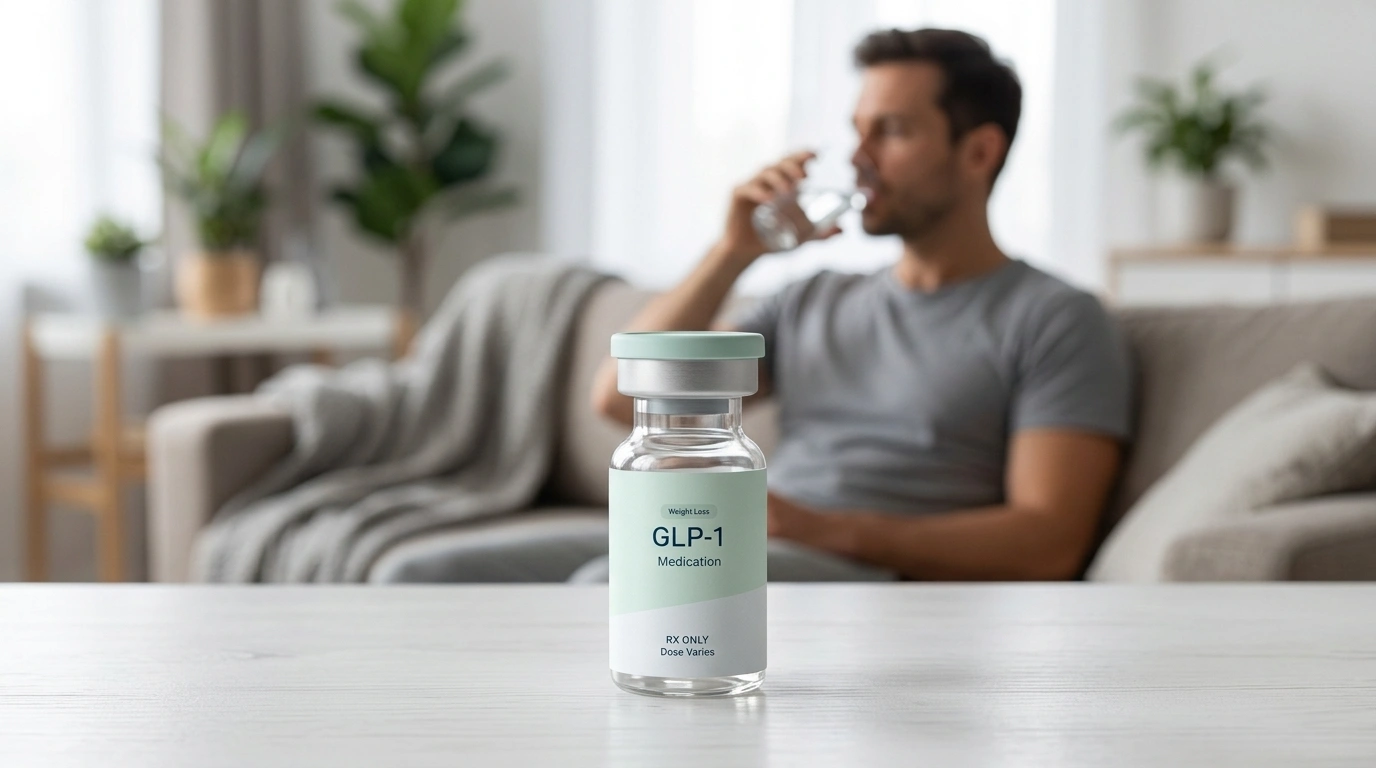
Starting a weight loss journey with a GLP-1 medication can feel like a fresh start. However, when you introduce a powerful medication like Wegovy® into your daily routine, it is natural to worry about how it might react with other things you are taking. Whether it is a daily multivitamin, a prescription for blood pressure, or even your morning cup of green tea, understanding potential interactions is the first step toward a safe and successful experience. At TrimRx, we believe that informed patients are empowered patients. This article explores the specific medications, supplements, and lifestyle factors that may interfere with your treatment or increase the risk of side effects. By knowing what to avoid, you can better support your metabolic health and ensure your medication works exactly as intended.
Quick Answer: You should not take Wegovy with other GLP-1 medications, such as Ozempic® or Zepbound®. It can also interact with insulin and sulfonylureas, increasing the risk of low blood sugar. Because it slows digestion, it may affect how your body absorbs other oral medications, particularly those with a narrow therapeutic index like warfarin or levothyroxine.
Understanding Wegovy and Drug Interactions
Wegovy is a brand-name prescription medication that contains the active ingredient semaglutide. Semaglutide belongs to a class of drugs known as GLP-1 receptor agonists (glucagon-like peptide-1 receptor agonists). These medications mimic a natural hormone in your body that helps regulate appetite and blood sugar levels. While it is highly effective for many, its presence in your system changes how your body processes other substances. For additional background, read this guide to how GLP-1 medications affect digestion.
A drug interaction occurs when one substance changes the way another medication works. This can happen in a few ways. It might make the second drug more powerful, which can lead to toxicity or dangerous side effects. Alternatively, it might make the medication less effective, meaning you are not getting the treatment you need for other health conditions.
In the case of semaglutide, the most significant factor is how it affects your digestive system. It is designed to slow down the rate at which food leaves your stomach. This process, called delayed gastric emptying, is excellent for keeping you feeling full for longer, but it can also change the timing and amount of other oral medications your body absorbs. Learn more about semaglutide and delayed gastric emptying.
Medications That Impact Blood Sugar
The most common and potentially serious interactions involve other medications that affect your blood glucose (blood sugar) levels. Because semaglutide naturally lowers blood sugar by encouraging your pancreas to release insulin when you eat, adding other sugar-lowering drugs to the mix can cause your levels to drop too low. This condition is known as hypoglycemia.
Insulin and Sulfonylureas
If you are managing type 2 diabetes, you may already be taking insulin or a class of drugs called sulfonylureas. Common sulfonylureas include glipizide, glimepiride, and glyburide. These medications are very effective at lowering blood sugar, but when combined with a GLP-1, the effect can be additive.
If your blood sugar drops too low, you may experience:
- Dizziness or lightheadedness
- Shakiness and sweating
- Confusion or irritability
- A rapid heartbeat
- Extreme hunger
If you are on these medications, a healthcare provider will likely need to adjust your dosages before you start a weight loss program. Monitoring your glucose levels more frequently during the first few weeks is often a standard recommendation. If you need a personalized review of your medication list, complete the free eligibility assessment.
Meglitinides and Other Diabetes Drugs
Similar to sulfonylureas, meglitinides (such as repaglinide and nateglinide) stimulate insulin production. Taking these alongside semaglutide increases the risk of a hypoglycemic event. It is also important to be cautious with other oral diabetes medications like metformin, although the risk of low blood sugar with metformin alone is generally lower than with insulin or sulfonylureas.
Key Takeaway: Combining Wegovy with insulin or other glucose-lowering medications can lead to dangerously low blood sugar. Always share your full list of diabetes medications with your provider to ensure your dosages are safely balanced.
The Risks of Combining GLP-1 Medications
One of the most important rules for safety is that you should not “double up” on medications within the same class. Wegovy should not be taken at the same time as other GLP-1 receptor agonists or dual agonists. This includes both branded and compounded versions of these medications.
Taking more than one GLP-1 medication does not necessarily lead to faster weight loss; instead, it significantly increases the risk of severe gastrointestinal side effects. You might experience intense nausea, repeated vomiting, or severe dehydration. For more information, review this guide to GLP-1 side effects.
Medications to avoid combining include:
- Ozempic® (another brand of semaglutide)
- Rybelsus® (an oral form of semaglutide)
- Mounjaro® or Zepbound® (tirzepatide)
- Saxenda® or Victoza® (liraglutide)
- Trulicity® (dulaglutide)
At TrimRx, our clinical approach focuses on finding the single most effective medication for your health profile rather than stacking multiple similar drugs, which can be unsafe.
| Medication Class | Example Brand Names | Interaction Risk with Wegovy |
|---|---|---|
| GLP-1 Receptor Agonists | Ozempic®, Saxenda®, Trulicity® | High: Increased risk of severe GI side effects. |
| GLP-1/GIP Dual Agonists | Mounjaro®, Zepbound® | High: Overlapping mechanisms increase side effect risk. |
| Insulin | Lantus®, Humalog®, Novolog® | Moderate to High: Risk of severe low blood sugar. |
| Sulfonylureas | Glucotrol®, Amaryl® | Moderate: Risk of hypoglycemia. |
Delayed Gastric Emptying and Oral Medications
As mentioned earlier, semaglutide slows down the movement of food and medicine through your stomach. This delay can be problematic for medications that need to be absorbed quickly or those where the exact level in your blood is critical.
Narrow Therapeutic Index Drugs
A narrow therapeutic index drug is a medication where the difference between a safe dose and a dangerous dose is very small. Because Wegovy changes how these drugs are absorbed, even a small shift in blood levels can be risky.
Common examples include:
- Warfarin: A blood thinner used to prevent clots.
- Levothyroxine: A thyroid hormone replacement.
- Phenytoin: An anti-seizure medication.
- Digoxin: Used for certain heart conditions.
If you take any of these, your doctor may want to perform more frequent blood tests to monitor the levels of these drugs in your system after you start your weight loss program.
Antibiotics and Antidepressants
Some research suggests that certain antibiotics (like ciprofloxacin or levofloxacin) and specific antidepressants (like Prozac® or MAOIs) may also interact with semaglutide. In some cases, these combinations can also contribute to lower-than-normal blood sugar levels. While these interactions are often manageable, they require the oversight of a professional who can monitor your response to the treatment.
Supplements and Over-the-Counter Products
Many people assume that “natural” products are always safe to take with prescription drugs. However, several common herbal supplements and vitamins can interact with Wegovy, primarily by affecting your blood sugar or your digestion. For more context, read about vitamins and supplements with Wegovy.
Blood Sugar Lowering Supplements
If you take herbs or supplements known to lower blood glucose, you face the same risk as those taking diabetes medications: hypoglycemia. You should use caution with:
- Garlic: While culinary garlic is fine, high-dose garlic supplements can lower blood sugar.
- Green Tea: Both green tea extracts and large amounts of brewed green tea can impact glucose levels.
- Chromium: Often found in weight loss supplements, chromium is used to help with insulin sensitivity.
- DHEA: A hormone supplement that may interfere with how your body regulates sugar.
- Fenugreek or Ginseng: These are common in many “metabolism-boosting” formulas.
Weight Loss Supplements
It is generally not recommended to take over-the-counter weight loss pills or appetite suppressants while on a GLP-1 program. Medications like phentermine or herbal “fat burners” can put unnecessary strain on your heart and nervous system. Furthermore, since Wegovy is already a potent appetite suppressant, adding more stimulants or blockers can lead to malnutrition or extreme fatigue because you may not be able to consume enough essential nutrients.
If you are looking for nutritional support during treatment, consider the GLP-1 Daily Support supplement.
Bottom line: Even natural supplements like garlic or green tea extract can lower your blood sugar further when combined with Wegovy. Always clear your supplement list with your healthcare team.
Alcohol and Lifestyle Considerations
While there is no direct chemical interaction that makes alcohol toxic when combined with semaglutide, there are several reasons to be cautious.
1. Blood Sugar Instability: Alcohol can cause blood sugar levels to fluctuate wildly. It can cause a temporary spike followed by a significant drop, especially if consumed on an empty stomach. This increases the risk of hypoglycemia.
2. Gastrointestinal Distress: The most common side effects of GLP-1 medications are nausea and stomach upset. Alcohol is a known stomach irritant and can make these side effects much worse. Many people find that their tolerance for alcohol decreases significantly while on this medication.
3. Nutritional Goals: Alcohol provides “empty calories” that can hinder your weight loss progress. Part of our mission is to help you build sustainable habits, and reducing alcohol intake is often a key part of that transition.
Foods to Limit
While not a “drug interaction,” certain foods can make your experience with Wegovy much more difficult. To avoid severe nausea or vomiting, it is often best to limit:
- Fried and greasy foods
- High-sugar snacks and beverages
- Carbonated drinks (which can increase bloating)
- Large portions (which can cause extreme discomfort due to slow digestion)
For additional guidance, read about why GLP-1 medications can cause gastrointestinal issues.
Who Should Avoid Wegovy? (Contraindications)
Beyond drug interactions, there are certain medical histories that may make Wegovy unsafe for some individuals. These are known as contraindications. A licensed healthcare provider will review these during your initial assessment to determine if the medication is appropriate for you.
You should not take Wegovy if you have:
- A history of Medullary Thyroid Carcinoma (MTC): Either a personal or family history of this specific type of thyroid cancer.
- Multiple Endocrine Neoplasia syndrome type 2 (MEN 2): A rare genetic condition.
- A history of Pancreatitis: Inflammation of the pancreas can be a serious side effect, and those with a history may be at higher risk.
- Severe Gastroparesis: Since the drug already slows stomach emptying, those with existing “slow stomach” conditions may face severe complications.
- Pregnancy or Breastfeeding: Semaglutide is not safe for use during pregnancy or while nursing. It is generally recommended to stop the medication at least two months before attempting to conceive.
Note: If you have a history of suicidal thoughts or depression, it is vital to discuss this with your provider. While rare, mood changes have been reported in some patients taking weight loss medications.
Managing Your Medications Safely
The key to a safe experience is transparency. When you begin a program, you should provide a complete and honest list of every medication, supplement, and herb you take.
Step 1: Create a Master List
Write down the names, dosages, and reasons for every pill or injection you use. Include things you only take occasionally, like aspirin or sleep aids.
2. Consult Your Provider
During your telehealth consultation, review this list. Ask specifically about how your current medications might interact with semaglutide.
3. Monitor Your Body
Pay attention to new or worsening symptoms. If you feel unusually dizzy, have persistent vomiting, or notice changes in the effectiveness of your other medications, contact your healthcare team immediately.
4. Update as Needed
If a different doctor prescribes a new medication (like an antibiotic for an infection) while you are on Wegovy, make sure they know you are taking a GLP-1.
Key Takeaway: Safety starts with communication. Never start a new prescription or high-dose supplement without checking for potential interactions with your weight loss medication.
How TrimRx Personalizes Your Journey
We understand that weight loss is not a one-size-fits-all process. Each person comes to us with a unique medical history and a different set of health goals. That is why our programs are fully personalized. When you complete our free assessment quiz, you are providing the information needed for a licensed provider to evaluate your eligibility safely.
We focus on more than just the medication. Our team provides ongoing support to help you manage potential side effects and navigate any concerns about drug interactions. We also offer specialized supplements like GLP-1 Daily Support, which is designed to provide the specific nutrients your body needs while on a GLP-1 program, helping you stay balanced as your appetite changes. By merging clinical expertise with a telehealth-first approach, we make it possible to manage your health from the comfort of home without sacrificing the quality of medical supervision.
Conclusion
Understanding what you cannot take with Wegovy is essential for protecting your health and ensuring your weight loss journey is successful. From avoiding other GLP-1 medications to being cautious with insulin and herbal supplements like green tea, being proactive about interactions allows you to focus on your progress. Remember that your body is undergoing significant metabolic changes, and it needs a stable environment to thrive.
Our mission at TrimRx is to help you navigate these complexities with empathy and science-backed guidance. We are here to ensure that your path to a healthier lifestyle is clear, safe, and transparent. If you are ready to see if a personalized program is right for you, your next step is simple.
Next Step: Take the free assessment quiz to see which personalized weight loss program fits your health profile and goals.
FAQ
Can I take ibuprofen or aspirin with Wegovy?
Yes, there is no known direct interaction between common over-the-counter painkillers like ibuprofen or aspirin and Wegovy. However, aspirin can sometimes lower blood sugar levels in people with diabetes, so those individuals should monitor their glucose closely. Always consult a healthcare provider if you find yourself needing these medications frequently, as persistent pain can sometimes be a sign of an underlying issue.
Is it safe to take multivitamins while on this medication?
Generally, multivitamins are safe and often recommended, as your food intake will likely decrease during treatment. You should check the label to ensure your multivitamin does not contain high doses of minerals like chromium, which can affect blood sugar levels. We recommend specialized support like our GLP-1 Daily Support supplement to ensure you are getting the right nutrients for this specific journey.
Can I take birth control pills with Wegovy?
Wegovy may slow the absorption of oral birth control pills due to delayed gastric emptying. While clinical trials did not show a significant decrease in the effectiveness of oral contraceptives, some providers suggest using a backup method of birth control (like condoms) for the first few months or when increasing your dose. Talk to your healthcare provider about the best contraceptive option for your situation.
What should I do if I need to take an antibiotic?
Most antibiotics are safe to take while on Wegovy, but some classes, like fluoroquinolones (e.g., Cipro®), may increase the risk of low blood sugar. If you are prescribed an antibiotic, inform the prescribing doctor that you are on a GLP-1 medication. They can help you monitor for any signs of hypoglycemia or increased stomach upset during your course of treatment. If you need help determining whether a prescription program is appropriate for you, start with the free assessment.
Disclaimer: This content is for informational purposes only and does not constitute medical advice. It is not intended to diagnose, treat, cure, or prevent any disease or condition. Individual results may vary. Always consult a qualified healthcare professional before starting any weight loss program or medication.

Transforming Lives, One Step at a Time
Keep reading

Horseback Riding on Wegovy or Ozempic
For a lot of people, horseback riding is one of the activities weight once put out of reach. Stables and trail outfitters set rider…
Should You Suggest Wegovy to a Family Member?
When a treatment changes your life, you want the people you love to have the same chance. Maybe your sister has struggled with her…
Injecting Wegovy With Stiff or Shaky Hands
A weekly injection takes a minute for most people. If you have arthritis in your hands, a tremor, weak grip strength, or numb fingers,…


