Can You Take Wegovy with Ozempic?
Introduction
It is a common scenario: you have started your weight management journey and are beginning to see progress, but you wonder if adding another medication could speed things up. You might currently have a prescription for one medication but find yourself curious about another you have seen in the news. At TrimRx, we believe that understanding your treatment is the first step toward lasting health. Many people ask if they can take Wegovy® alongside Ozempic® to enhance their results. This article will explain why combining these two treatments is not recommended and how you can safely navigate your options for weight management. We will look at the risks of duplicate therapy and the importance of a clinical plan that prioritizes your safety. Taking both medications together is unsafe because they contain the same active ingredient and can lead to a dangerous overdose.
Quick Answer: No, you should not take Wegovy and Ozempic at the same time. Both medications contain semaglutide, which means taking them together results in a duplicate dose that significantly increases the risk of severe side effects and medical complications. If you are considering a prescription weight-management program, you can complete a free eligibility assessment.
Understanding the Active Ingredient: Semaglutide
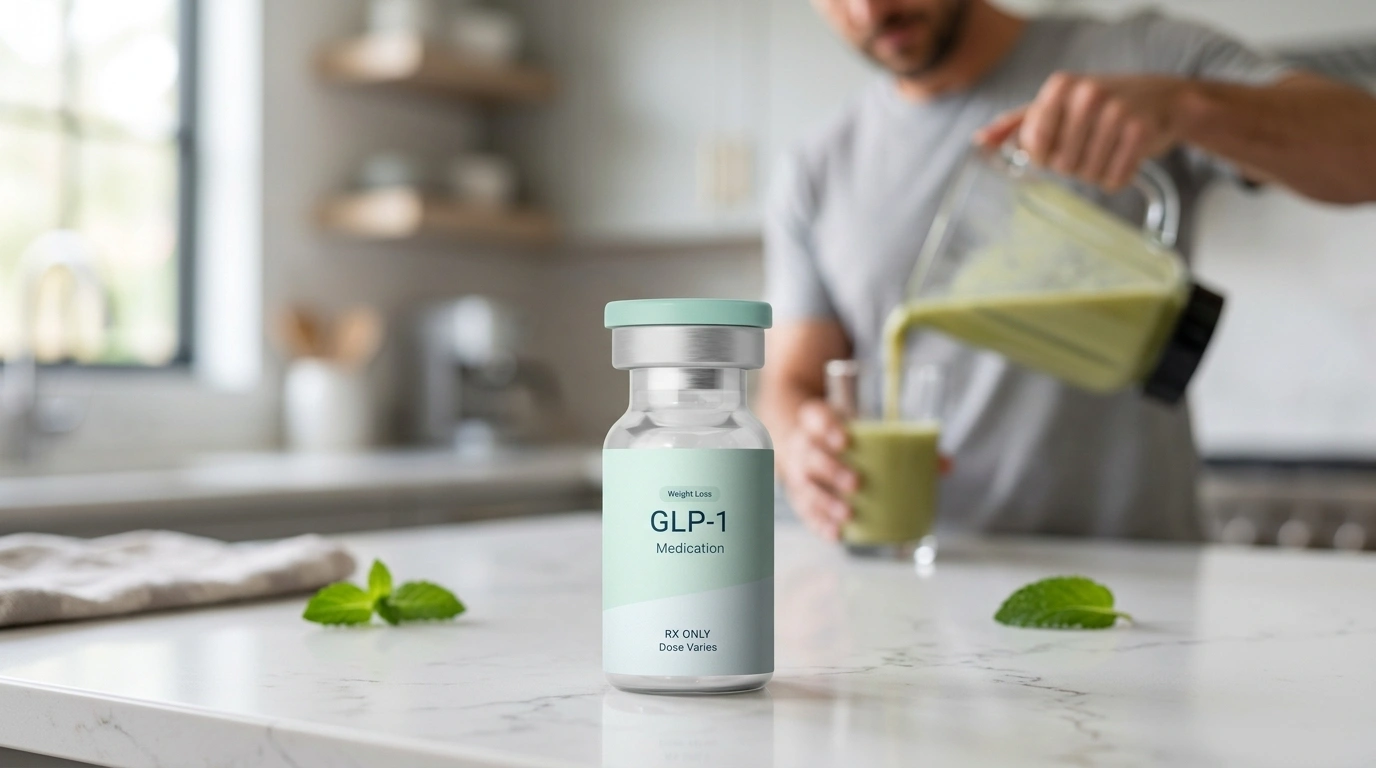
To understand why you cannot combine these medications, you must first understand what is inside them. Both medications contain an active ingredient called semaglutide. Semaglutide is a GLP-1 receptor agonist, which is a type of medication that mimics a natural hormone in your body called glucagon-like peptide-1.
This hormone performs several critical roles in the body. It helps regulate your blood sugar by stimulating the release of insulin when your glucose levels are high. It also slows down the rate at which your stomach empties, which helps you feel full for longer periods. Additionally, it interacts with the parts of your brain that control hunger and appetite.
Because both medications use this same “power source,” taking them together is essentially taking double the medication. It does not provide a better result; instead, it puts an enormous amount of stress on your metabolic system. For additional context about how GLP-1 medications affect digestion and appetite, review our guide to common GLP-1 side effects.
Why Combining These Medications is Unsafe
The primary reason you should never take these two together is the risk of duplicate therapy. In medical terms, duplicate therapy happens when a person takes two different drugs that serve the same purpose or contain the same active components.
The FDA (Food and Drug Administration) explicitly states in its prescribing labels that Wegovy should not be used in combination with other semaglutide-containing products. This includes Ozempic and Rybelsus®, which is the oral version of the same medication. Taking two forms of semaglutide is effectively an overdose. Your body has a specific threshold for how much GLP-1 it can process safely.
When you exceed this threshold, the medication no longer helps you manage your weight effectively. Instead, it begins to overwhelm your digestive and endocrine systems. Our platform is designed to ensure you receive a program that is clinically appropriate for your health profile, avoiding these dangerous overlaps.
Key Takeaway: Wegovy and Ozempic are different brand names for the same drug, semaglutide. Taking them together does not increase weight loss but does drastically increase the risk of an accidental overdose.
The Risks of a Semaglutide Overdose
An overdose of semaglutide can be a very serious medical event. Because the medication stays in your system for a long time—often up to several weeks—an overdose is not something that clears up in a few hours. If you take too much, you may experience intense and prolonged physical distress.
Common symptoms of taking too much semaglutide include:
- Severe Nausea and Vomiting: This can become so frequent that you are unable to keep down liquids, leading to dangerous dehydration.
- Intense Abdominal Pain: High doses of GLP-1s can cause significant cramping or even lead to inflammation of the pancreas, known as pancreatitis.
- Hypoglycemia: While semaglutide usually only lowers blood sugar when it is high, an overdose can cause blood sugar to drop to dangerously low levels.
- Kidney Issues: Severe vomiting and dehydration put a significant strain on the kidneys, which can lead to acute kidney injury.
If you suspect you have taken both medications accidentally, you should contact a healthcare provider immediately. In the United States, you can also contact Poison Control at 1-800-222-1222 for guidance on the next steps. You can also review practical information about managing GLP-1 digestive side effects while arranging professional guidance.
Comparison of Wegovy and Ozempic
While they share the same active ingredient, these medications are licensed for different primary uses and have different dosing limits. Understanding these differences helps explain why they are not meant to be mixed.
| Feature | Ozempic® | Wegovy® |
|---|---|---|
| Primary FDA Use | Type 2 Diabetes Management | Chronic Weight Management |
| Active Ingredient | Semaglutide | Semaglutide |
| Maximum Weekly Dose | 2.0 mg | 2.4 mg |
| Administration | Weekly Injection | Weekly Injection |
| Delivery Device | Multi-dose Pen | Single-dose Pen |
Ozempic was originally designed to help people with type 2 diabetes control their blood sugar. Weight loss was noted as a common side effect during clinical trials. Wegovy was later developed and approved specifically for weight loss, featuring a higher maximum dose intended to support significant weight reduction in adults with obesity or overweight and related health conditions.
Switching Medications Safely
There are many valid reasons why someone might want to move from one medication to another. Perhaps your insurance coverage has changed, or your provider believes the higher dose available in Wegovy would better support your weight loss goals. Switching is possible, but it must be done with professional guidance. Our article on switching drugs during a GLP-1 shortage covers why medication changes should follow a provider-directed plan.
You should never attempt to “swap” these medications on your own. A licensed provider must create a transition plan. This usually involves finishing your current course of one medication and then starting the new one at an appropriate dose after a specific waiting period.
The Safe Transition Process
Step 1: Consult a licensed provider.
Discuss your goals and why you believe a different medication might be better for your journey. A provider will review your medical history to ensure the new medication is appropriate.
Step 2: Determine your starting dose.
Even if you were on a high dose of your previous medication, a provider may recommend starting the new medication at a lower or moderate dose to see how your body reacts to the different formulation or pen device.
Step 3: Follow the new titration schedule.
Both medications require a “titration” period. This means you start with a very small dose and slowly increase it every four weeks. This gives your body time to adjust and helps minimize side effects.
Step 4: Monitor for adverse reactions.
During the first month of a switch, pay close attention to how you feel. Report any unusual symptoms or severe digestive issues to your provider immediately.
Bottom line: Switching between semaglutide products requires a clear clinical plan to prevent “stacking” the medication in your system, which can happen if you start the new medication too soon after the last dose of the old one. For more detail, read what to expect when switching from semaglutide.
Managing Expectations and Avoiding the “More is Better” Trap
In our culture, we are often taught that if a little bit of something is good, more must be better. This logic does not apply to GLP-1 medications. There is a “ceiling effect” where increasing the dose beyond what is prescribed does not lead to faster weight loss, but it does lead to much higher rates of side effects.
If you feel like your current progress has stalled, the answer is rarely to add more medication or combine different brands. Instead, it is time to look at your overall program. Are you getting enough protein? Are you staying hydrated? Small adjustments to your daily routine can often “unlock” further progress without the need for higher or combined doses.
We emphasize that weight loss is a marathon, not a sprint. Using these tools safely ensures that you can stay on the program long enough to see real, sustainable results. Taking shortcuts by mixing medications only risks your health and could force you to stop treatment entirely.
The Role of Personalised Care
At TrimRx, we do not believe in a one-size-fits-all approach. Every person who uses our platform goes through a personalized assessment. This ensures that the program you receive is tailored to your specific needs, goals, and medical history.
Our platform connects you with licensed providers who understand the nuances of GLP-1 treatments. They can help you decide which treatment is right for you—whether it is a compounded medication or a plan to help you access branded options. We handle the clinical oversight so you do not have to guess about your dosage or safety. If you are ready to share your current medication information for review, you can start the assessment process.
We also work with FDA-registered and inspected compounding pharmacies. These pharmacies can prepare compounded semaglutide or compounded tirzepatide when appropriate. It is important to remember that compounded medications are not FDA-approved, but they are prepared in regulated facilities to meet specific patient needs. This flexibility allows our partner providers to find a solution that fits your life and your budget without resorting to dangerous combinations.
Action Steps for a Better Journey
If you are currently feeling frustrated with your progress or are confused about your medication options, follow these steps instead of self-medicating:
- Review your current dose: Speak with your provider about whether you have reached your optimal maintenance dose.
- Track your nutrition: Ensure you are eating enough fiber and protein, as these are essential for the medication to work effectively.
- Check your hydration: Many “stalls” in weight loss are actually due to dehydration or electrolyte imbalances.
- Consult a specialist: If you are considering a switch, use our platform to talk to a provider who can guide you through the process safely.
Key Takeaway: Success with GLP-1 medications comes from consistency and safety, not from taking the highest dose possible or mixing different products.
The Importance of Medical Supervision in Telehealth
The rise of telehealth has made it easier than ever to access weight loss support. However, not all platforms are created equal. It is vital to use a service that prioritizes clinical safety over quick sales.
A responsible program will always require a detailed health history and a review by a licensed professional. They will look for contraindications—reasons why you should not take a certain drug. For example, if you have a history of certain types of thyroid cancer or pancreatitis, these medications may not be safe for you.
When you use our platform, you are not just getting a prescription; you are getting a dedicated team. This team is available to answer your questions about side effects, dosing, and how to maximize your results. This level of support is what makes the journey sustainable. You should never feel like you have to navigate these complex medications alone. You can also review what a GLP-1 telehealth transition plan involves before deciding how to proceed.
Support Beyond the Medication
While medications like semaglutide are powerful tools, they are most effective when supported by healthy lifestyle choices. We focus on a holistic approach that includes guidance on how to nourish your body while the medication is working to reduce your appetite.
Note: Medications are tools to help you build a healthier lifestyle, not a replacement for one. Focus on sleep, stress management, and functional movement to see the best long-term results.
Many people find that as they lose weight, their energy levels improve, making it easier to be active. This creates a “positive feedback loop” where the medication helps you start the journey, and your new habits help you finish it. Our mission is to support you through every stage of this transformation with science and empathy.
Myth vs. Fact: Mixing Weight Loss Drugs
Myth: Taking Wegovy and Ozempic together will double the rate of weight loss.
Fact: Taking both will not double your results, but it will likely double your side effects and risk of serious complications like pancreatitis.
Myth: It is safe to take Ozempic for a few days and then Wegovy for the rest of the week.
Fact: These are weekly medications designed to maintain a steady level in your blood. Altering the schedule or mixing brands disrupts this balance and can be dangerous.
Myth: Because they have the same ingredient, they are exactly the same and can be swapped at any time.
Fact: They have different dosages and different pen delivery systems. A swap must be managed by a doctor to ensure you are receiving the correct amount.
Conclusion
Navigating the world of weight loss medications can feel overwhelming, especially with so many brand names appearing in the media. However, the most important rule remains simple: never combine different medications that contain the same active ingredient. Taking Wegovy and Ozempic together is a form of duplicate therapy that offers no extra benefit while significantly increasing your risk of severe illness or overdose.
At TrimRx, we are committed to providing you with a safe, transparent, and personalized path to metabolic health. We believe that weight loss is about more than just a number on a scale; it is about feeling better and living a fuller life. By following a medically supervised program, you can ensure that you are using these powerful tools in the most effective way possible.
- Never mix Wegovy and Ozempic.
- Focus on one treatment plan managed by a licensed professional.
- Prioritize lifestyle habits like protein intake and hydration.
- Always report severe side effects to your healthcare team.
“The journey to a healthier you is not about taking shortcuts; it is about finding a sustainable rhythm that works for your body and your life.”
If you are ready to take the next step in your weight loss journey with a plan designed specifically for you, we invite you to take our free assessment quiz. This is the first step in connecting with a licensed provider who can help you choose the right path for your health.
FAQ
What happens if I accidentally take both Wegovy and Ozempic?
If you have taken both, you should monitor yourself closely for severe nausea, vomiting, or abdominal pain and contact your healthcare provider immediately. You can also call the national Poison Control hotline for expert guidance on managing an accidental overdose.
Can I switch from Ozempic to Wegovy if I am plateauing?
Yes, many people switch to Wegovy because it offers a higher maintenance dose that may help overcome a weight loss plateau. However, this must be done under the supervision of a licensed provider who will determine the safe timing and dosage for the transition. You can review your options through a free assessment.
Are there any weight loss drugs that can be taken together?
Generally, you should not combine different GLP-1 medications or mix them with other prescription weight loss drugs unless specifically directed by a specialist. Combining different classes of medications requires careful clinical monitoring to avoid dangerous interactions or excessive strain on your organs.
Why does Wegovy have a higher dose than Ozempic if they are the same drug?
While both contain semaglutide, they were studied in different clinical trials for different purposes. The trials for Wegovy found that a higher dose of 2.4 mg was safe and more effective for significant weight loss in people without diabetes, whereas Ozempic doses were optimized for blood sugar control.
TrimRX does not practice medicine or prescribe medications. Compounded medications are not FDA-approved and are not evaluated by the FDA for safety or efficacy. Results vary by individual and are not guaranteed.
Disclaimer: This content is for informational purposes only and does not constitute medical advice. It is not intended to diagnose, treat, cure, or prevent any disease or condition. Individual results may vary. Always consult a qualified healthcare professional before starting any weight loss program or medication.

Transforming Lives, One Step at a Time
Keep reading
Can You Eat Meatloaf on Wegovy?
Meatloaf is classic home cooking: ground meat mixed with breadcrumbs, egg, and seasoning, baked with a sweet tomato glaze, and served with mashed potatoes…

Can You Eat Cheesecake on Wegovy?
Cheesecake is a celebration dessert for many people: birthdays, anniversaries, holidays, or a special dinner out. It is also one of the richest desserts…
Can You Eat Lentils on Wegovy?
Lentils are one of the most affordable, nutritious foods around. They are rich in plant protein, fiber, iron, and folate, cook quickly without soaking,…


