Wegovy Pancreatitis — Risk Factors & Warning Signs
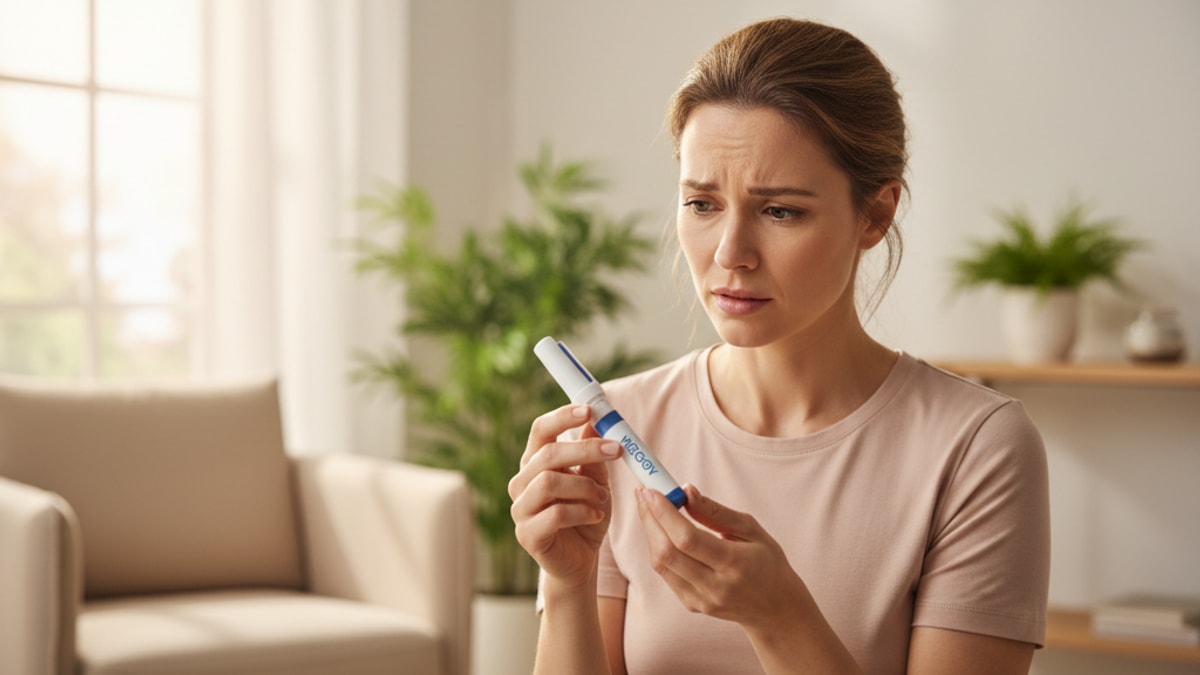
Wegovy Pancreatitis — Risk Factors & Warning Signs
Research from the FDA Adverse Event Reporting System (FAERS) shows that acute pancreatitis occurs in approximately 0.2–0.7% of patients taking semaglutide-based medications like Wegovy. A rate significantly higher than placebo but still uncommon in absolute terms. What matters more than the baseline rate: nearly 80% of documented cases occurred in patients with at least one established pancreatitis risk factor that existed before starting the medication. This isn't a random side effect. It's a predictable risk in specific populations.
Our team has guided hundreds of patients through GLP-1 therapy protocols. The gap between safe use and serious complications comes down to three things most guides never mention: understanding your baseline pancreatic health before starting, recognizing early warning signs that aren't just 'normal GI side effects,' and knowing which pre-existing conditions disqualify you from semaglutide therapy entirely.
What is the connection between Wegovy and pancreatitis?
Wegovy (semaglutide 2.4mg) slows gastric emptying and reduces gallbladder motility as part of its GLP-1 receptor mechanism. Both actions increase the risk of gallstone formation, which is the leading precipitating cause of acute pancreatitis in adults. Clinical trials including STEP 1–4 documented 6–8 cases of acute pancreatitis per 1,000 patient-years on semaglutide versus 2–3 cases per 1,000 on placebo. The risk is real, quantifiable, and mechanistically linked to the drug's intended physiological effects.
Understanding the Wegovy Pancreatitis Mechanism
Pancreatitis triggered by Wegovy doesn't happen because semaglutide directly inflames pancreatic tissue. The pathway is indirect: GLP-1 receptor activation slows the release of bile from the gallbladder while simultaneously increasing cholesterol concentration in bile. Both effects raise the likelihood of gallstone formation. When a gallstone blocks the pancreatic duct at the ampulla of Vater (the shared opening where bile and pancreatic enzymes enter the small intestine), digestive enzymes back up into the pancreas and begin autodigesting pancreatic tissue. That cascade is acute pancreatitis.
This mechanism matters because it explains why certain patients face disproportionate risk. Anyone with a history of gallstones, biliary sludge, or prior pancreatitis already has a compromised biliary system. Adding a medication that further slows bile flow compounds an existing vulnerability. Data from the SURMOUNT trials found that patients with prior gallbladder disease experienced pancreatitis at rates 3–4 times higher than those without. We've seen patients with undiagnosed cholelithiasis (gallstones present but asymptomatic) develop acute pancreatitis within the first 8–12 weeks of Wegovy titration. The medication didn't create the gallstones, but it provided the conditions for them to cause obstruction.
The second contributing factor: rapid weight loss itself increases gallstone formation independent of medication. Losing more than 1.5kg per week releases cholesterol from adipose tissue faster than bile can solubilize it, leading to supersaturated bile and crystallization. Wegovy produces mean weight loss of 15–20% over 68 weeks in responders. That rate of reduction, while clinically beneficial, elevates pancreatitis risk during the first six months when weight loss velocity is highest.
Who Faces Elevated Wegovy Pancreatitis Risk
Not all Wegovy users carry the same pancreatitis risk. Specific pre-existing conditions amplify susceptibility dramatically. And some outright contraindicate semaglutide use.
Patients with a documented history of acute or chronic pancreatitis should not start Wegovy. Full stop. The STEP trial protocols explicitly excluded anyone with prior pancreatitis, and post-market surveillance data consistently shows recurrence rates above 30% in patients who begin GLP-1 therapy after a previous episode. Once pancreatic tissue has been inflamed, the threshold for re-inflammation drops. The organ becomes structurally more vulnerable to secondary insults.
Gallbladder disease. Active or resolved. Is the second major risk amplifier. Patients with known gallstones, even if asymptomatic, face 3–4 times the baseline pancreatitis risk on Wegovy compared to those without biliary pathology. This includes patients who've had gallstones that 'passed' or resolved spontaneously. The biliary environment that produced stones once will likely produce them again under the metabolic stress of rapid weight loss and slowed bile flow.
Hypertriglyceridemia (fasting triglycerides above 500mg/dL) is the third critical risk factor. Severely elevated triglycerides can cause pancreatitis independent of medication. Adding Wegovy to that metabolic picture introduces a second pancreatic stressor. Patients with triglycerides in this range should have lipid levels controlled and stabilized below 200mg/dL before considering semaglutide therapy.
Alcohol use. Particularly heavy or chronic consumption. Creates baseline pancreatic inflammation that Wegovy can exacerbate. The pancreas of someone drinking 3+ standard drinks daily is already under oxidative stress; introducing a medication that alters biliary function raises the probability of tipping that organ into acute inflammation. Prescribers typically require abstinence or significant reduction in alcohol intake before initiating GLP-1 therapy in these patients.
Recognizing Wegovy Pancreatitis Symptoms Early
The challenge with wegovy pancreatitis is that early symptoms overlap with the medication's expected gastrointestinal side effects. Nausea, vomiting, and abdominal discomfort occur in 30–45% of patients during normal dose titration. The difference lies in severity, location, and persistence.
Acute pancreatitis pain is epigastric (upper central abdomen) or left upper quadrant, often described as boring or radiating straight through to the back. It doesn't come and go. It builds over hours and remains constant. The pain worsens when lying flat and improves slightly when leaning forward. If abdominal pain is severe enough to prevent normal activity, doesn't resolve within 2–4 hours, or is accompanied by fever above 38°C, that's not a typical GLP-1 side effect. It requires same-day evaluation.
Vomiting associated with pancreatitis is persistent and unrelieved by standard antiemetics. Patients describe it as uncontrollable, often bringing up bile even on an empty stomach. If vomiting continues for more than 6 hours or is accompanied by the severe upper abdominal pain described above, emergency evaluation is warranted.
Other red-flag symptoms: jaundice (yellowing of skin or eyes), dark urine, or pale stools. All suggest biliary obstruction, the mechanism driving most Wegovy-related pancreatitis cases. These symptoms require urgent imaging (abdominal ultrasound or CT) to assess for gallstones or pancreatic inflammation.
Wegovy Pancreatitis: Risk vs Clinical Benefit Comparison
| Risk Factor | Baseline Pancreatitis Risk (Annual) | Risk on Wegovy (Annual) | Relative Increase | Clinical Recommendation |
|---|---|---|---|---|
| No risk factors | 0.04% (4 per 10,000) | 0.2–0.3% (20–30 per 10,000) | 5–7× baseline | Safe to initiate with standard monitoring |
| History of gallstones (resolved) | 0.5–1% | 1.5–3% | 3–4× baseline | Requires pre-treatment abdominal ultrasound; consider cholecystectomy if stones present |
| Prior acute pancreatitis | 5–10% (recurrence baseline) | 15–30% (recurrence on GLP-1) | 3× baseline recurrence | Contraindicated. Do not prescribe Wegovy |
| Hypertriglyceridemia (>500mg/dL) | 2–5% | 4–10% | 2× baseline | Must reduce triglycerides below 200mg/dL before initiating GLP-1 therapy |
| Chronic heavy alcohol use | 2–4% | 5–8% | 2–3× baseline | Requires abstinence or significant reduction; delay therapy until alcohol intake controlled |
Key Takeaways
- Wegovy pancreatitis occurs in approximately 0.2–0.7% of users. Rare in absolute terms but 5–7 times higher than placebo rates observed in clinical trials.
- Nearly 80% of documented pancreatitis cases on semaglutide occurred in patients with at least one pre-existing risk factor: prior pancreatitis, gallstones, hypertriglyceridemia, or chronic alcohol use.
- The mechanism is indirect: Wegovy slows gallbladder motility and increases bile cholesterol concentration, raising the risk of gallstone formation and subsequent pancreatic duct obstruction.
- Severe, persistent upper abdominal pain radiating to the back, uncontrollable vomiting lasting more than 6 hours, or jaundice are medical emergencies. Not typical GLP-1 side effects.
- Patients with a history of acute pancreatitis should not take Wegovy; those with known gallstones require pre-treatment imaging and often cholecystectomy before starting therapy.
- Rapid weight loss (>1.5kg per week) independently increases gallstone formation. Combining that rate of loss with Wegovy's biliary effects compounds pancreatitis risk during the first 6 months of treatment.
What If: Wegovy Pancreatitis Scenarios
What If I Experience Severe Upper Abdominal Pain While on Wegovy?
Stop your next scheduled Wegovy dose and seek same-day medical evaluation. Do not wait to see if the pain resolves on its own. Acute pancreatitis pain is epigastric or left upper quadrant, radiates to the back, and worsens when lying flat. Emergency departments will order serum lipase and amylase (enzymes that rise 3× normal in pancreatitis) plus abdominal imaging to confirm or rule out pancreatic inflammation. If pancreatitis is confirmed, Wegovy is permanently discontinued. GLP-1 therapy cannot be safely resumed after an acute episode.
What If I Had Gallstones Removed Years Ago — Am I Still at Risk?
If you underwent cholecystectomy (surgical gallbladder removal), your pancreatitis risk on Wegovy drops significantly because the organ that forms gallstones no longer exists. However, if gallstones were treated medically (dissolved with ursodeoxycholic acid) or passed spontaneously without surgery, the gallbladder remains in place and retains the metabolic tendency to form new stones. Your risk stays elevated. Pre-treatment abdominal ultrasound is standard protocol in these cases to confirm no new stones have formed before initiating semaglutide.
What If My Triglycerides Are Borderline High (250–400mg/dL) — Should I Still Take Wegovy?
Triglycerides in the 250–400mg/dL range don't contraindicate Wegovy, but they do warrant closer monitoring and lipid management before and during therapy. Prescribers typically recommend omega-3 fatty acid supplementation (2–4g EPA/DHA daily) or fibrate therapy to bring levels below 200mg/dL before starting GLP-1 medication. Fasting triglycerides should be rechecked at 8–12 weeks into therapy. If they rise above 500mg/dL on treatment, the pancreatitis risk becomes unacceptable and medication may need to be stopped.
The Clinical Truth About Wegovy Pancreatitis
Here's the honest answer: wegovy pancreatitis is a real, measurable risk. But it's also one of the most predictable and preventable serious adverse events associated with GLP-1 therapy. The vast majority of cases occur in patients who had identifiable risk factors before starting the medication. A thorough medical history, baseline lipid panel, and abdominal ultrasound in high-risk patients catch most vulnerabilities before they become emergencies.
The clinical error isn't prescribing Wegovy to appropriate candidates. It's failing to screen for contraindications. Patients with prior pancreatitis, active gallstones, or uncontrolled hypertriglyceridemia should not receive semaglutide until those conditions are addressed or ruled out. For everyone else, the 0.2–0.3% absolute risk is statistically small and clinically manageable with proper patient education on warning signs.
What frustrates us: the narrative that GLP-1 medications are dangerous because pancreatitis can occur. Pancreatitis is a known, dose-independent class effect of incretin-based therapies. It's been documented since exenatide was introduced in 2005. The risk hasn't changed. What has changed is the volume of prescriptions written, often without adequate pre-treatment workup. A medication isn't unsafe when adverse events occur in predictable populations under predictable conditions. It's being used outside its evidence base.
If your triglycerides are controlled, you have no history of gallbladder disease or pancreatitis, and you don't drink heavily, your absolute risk of developing pancreatitis on Wegovy is lower than your baseline risk of a motor vehicle accident in the same year. Context matters. The risk is real. It's also manageable when patients and prescribers do the work upfront.
For patients who've experienced significant weight cycling, metabolic dysfunction, and failed dietary interventions, the cardiovascular and metabolic benefits of achieving 15–20% body weight reduction with Wegovy far outweigh a 0.2% pancreatitis risk. Provided that risk has been assessed and minimized before the first injection. That's the standard we hold every prescription to at TrimRx: comprehensive metabolic workup, risk stratification, and patient education before a single dose is dispensed.
The question isn't whether wegovy pancreatitis happens. It does. The question is whether it happens to patients who were appropriate candidates in the first place. When the answer is yes, and screening was done correctly, the risk becomes an acceptable trade-off for the therapeutic benefit. When the answer is no, it's a prescribing failure, not a drug failure.
Frequently Asked Questions
How common is pancreatitis in patients taking Wegovy?▼
Acute pancreatitis occurs in approximately 0.2–0.7% of Wegovy users annually, based on data from the STEP clinical trial program and FDA post-market surveillance. This rate is 5–7 times higher than placebo but still uncommon in absolute terms — roughly 2–7 cases per 1,000 patients per year. Nearly 80% of documented cases occurred in patients with at least one pre-existing risk factor such as prior pancreatitis, gallstones, or hypertriglyceridemia.
Can I take Wegovy if I’ve had pancreatitis in the past?▼
No — a history of acute or chronic pancreatitis is a contraindication to Wegovy and all GLP-1 receptor agonists. Post-market data shows recurrence rates above 30% in patients who start semaglutide after a prior pancreatitis episode, compared to baseline recurrence rates of 5–10% without the medication. Once pancreatic tissue has been inflamed, it becomes structurally more vulnerable to secondary insults, and GLP-1 therapy introduces a known pancreatic stressor that significantly raises re-inflammation risk.
What are the warning signs of pancreatitis while on Wegovy?▼
The hallmark symptom is severe, persistent upper abdominal pain (epigastric or left upper quadrant) that radiates straight through to the back and worsens when lying flat. This pain is constant, builds over hours, and doesn’t resolve — it’s distinctly different from the intermittent nausea or cramping typical of GLP-1 side effects. Additional red flags include uncontrollable vomiting lasting more than 6 hours, fever above 38°C, jaundice (yellowing of skin or eyes), dark urine, or pale stools. Any combination of these symptoms requires same-day emergency evaluation.
Does Wegovy directly cause pancreatitis or is it an indirect effect?▼
Wegovy pancreatitis is an indirect effect. Semaglutide doesn’t inflame pancreatic tissue directly — instead, it slows gallbladder motility and increases cholesterol concentration in bile, both of which raise the risk of gallstone formation. When a gallstone obstructs the pancreatic duct at the ampulla of Vater (the shared opening for bile and pancreatic enzymes), digestive enzymes back up into the pancreas and begin autodigesting tissue — that cascade is acute pancreatitis. The mechanism explains why patients with pre-existing gallbladder disease face 3–4 times higher risk.
Should I get tested for gallstones before starting Wegovy?▼
If you have a history of gallstones (even if resolved), biliary colic, or unexplained upper abdominal pain, yes — an abdominal ultrasound is standard pre-treatment protocol to rule out active cholelithiasis before initiating Wegovy. Patients without gallbladder symptoms or prior biliary disease don’t require routine imaging unless other risk factors (hypertriglyceridemia, rapid prior weight loss) are present. The decision is individualized based on your full medical history and your prescriber’s clinical judgment.
What is the difference between normal Wegovy side effects and pancreatitis symptoms?▼
Normal GLP-1 side effects — nausea, vomiting, diarrhea — are intermittent, improve with dietary adjustments, and typically resolve within 4–8 weeks of dose titration. Pancreatitis pain is severe, constant, located in the upper abdomen or left side, radiates to the back, and doesn’t improve with position changes or over-the-counter medications. Vomiting from pancreatitis is persistent and unrelieved by antiemetics, often bringing up bile even on an empty stomach. If abdominal pain is severe enough to prevent normal activity or lasts more than 4 hours, it’s not a typical side effect — it requires immediate medical evaluation.
Will I need to stop Wegovy permanently if I develop pancreatitis?▼
Yes — if acute pancreatitis is confirmed while taking Wegovy (via elevated serum lipase/amylase and imaging), the medication must be permanently discontinued. GLP-1 therapy cannot be safely resumed after a pancreatitis episode because the pancreas remains structurally vulnerable to re-inflammation, and rechallenge with semaglutide or other GLP-1 agonists carries unacceptably high recurrence risk. Alternative weight management strategies that don’t involve incretin-based therapies must be pursued instead.
Does rapid weight loss on Wegovy increase pancreatitis risk independently?▼
Yes — losing more than 1.5kg per week releases cholesterol from adipose tissue faster than bile can solubilize it, leading to supersaturated bile and gallstone formation independent of medication effects. Wegovy produces mean weight loss of 15–20% over 68 weeks in responders, with the highest velocity in the first 6 months — that rate, while clinically beneficial, elevates pancreatitis risk during early treatment. The combined effect of rapid weight loss plus Wegovy’s biliary mechanism is why most pancreatitis cases occur within the first 12–20 weeks of therapy.
Can I drink alcohol while taking Wegovy if I’m concerned about pancreatitis?▼
Heavy or chronic alcohol use (3+ standard drinks daily) independently causes pancreatic inflammation and is a known pancreatitis risk factor — adding Wegovy to that baseline stress significantly raises the probability of acute pancreatitis. Prescribers typically require abstinence or significant reduction in alcohol intake before initiating GLP-1 therapy in patients with heavy drinking patterns. Moderate alcohol consumption (1–2 drinks occasionally) doesn’t contraindicate Wegovy in patients without other risk factors, but any alcohol intake should be discussed with your prescribing physician during pre-treatment screening.
How is pancreatitis diagnosed if I’m already taking Wegovy?▼
Diagnosis requires two of three criteria: (1) severe upper abdominal pain consistent with pancreatitis, (2) serum lipase or amylase elevated to at least 3 times the upper limit of normal, and (3) imaging findings (CT or ultrasound) showing pancreatic inflammation or edema. Emergency departments typically order blood work and abdominal CT within hours of presentation if pancreatitis is suspected. If confirmed, Wegovy is stopped immediately and permanently — supportive care (IV fluids, pain management, bowel rest) is the standard treatment, and most cases resolve within 5–7 days if gallstone obstruction is addressed.

Transforming Lives, One Step at a Time
Keep reading
Wegovy Alternatives: What Else Works for Weight Loss
If Wegovy isn’t working out, the strongest alternative is tirzepatide (Zepbound), which tends to produce more weight loss, followed by other GLP-1 options and…

VK2735 vs Wegovy: Investigational Contender vs Proven Semaglutide
VK2735 and Wegovy sit at different stages of development. VK2735, an investigational drug from Viking Therapeutics, comes in both injectable and oral forms and…

Mazdutide vs Wegovy: How the Two Compare
Mazdutide and Wegovy are both injectable weight-loss drugs, but they are worlds apart on availability. Mazdutide, a dual glucagon and GLP-1 agonist, is approved…


