Weight Loss Identity: How Rapid Body Changes Affect Self-Perception
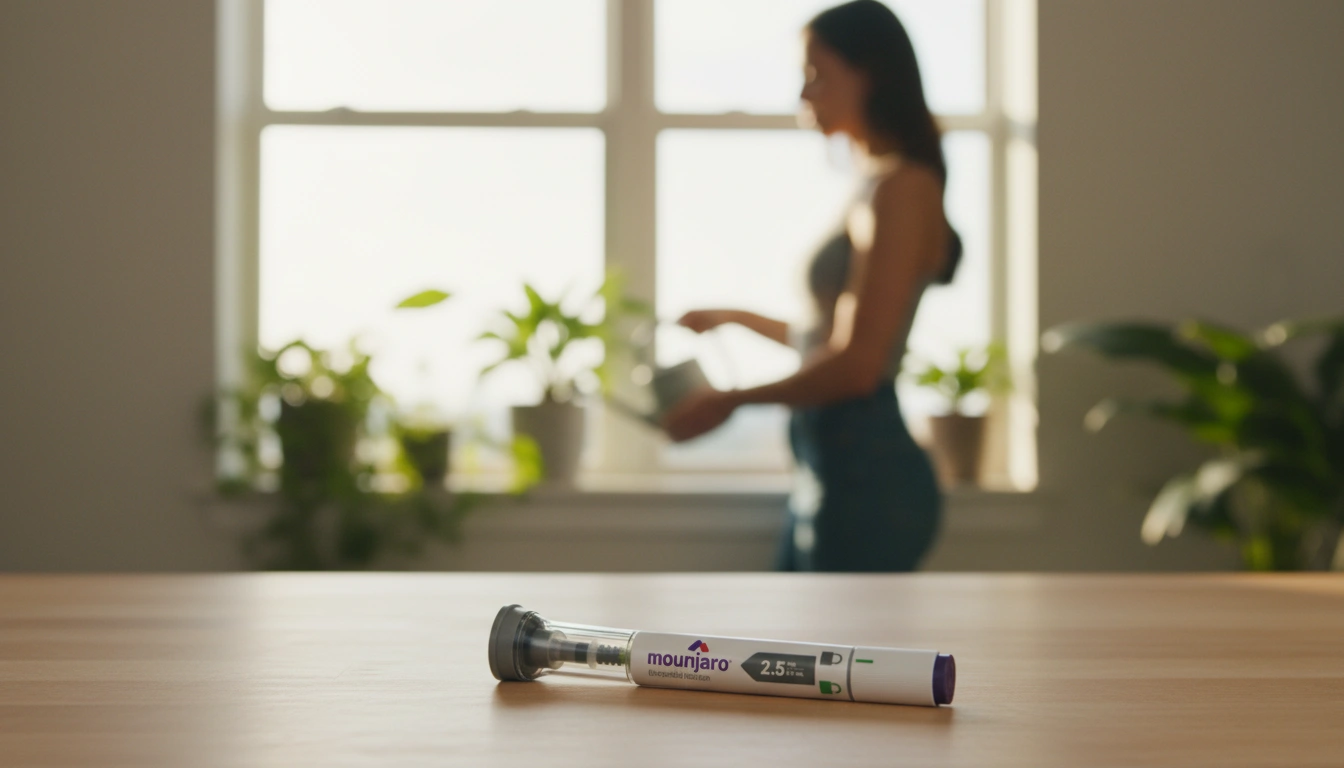
Losing weight on a GLP-1 medication can happen faster than the mind is prepared for. The body changes. Clothes stop fitting. People comment. And somewhere in the middle of all that external transformation, many patients hit an unexpected internal question: who am I becoming, and how do I feel about it?
This isn’t a sign that something is wrong. It’s one of the more honest and underexplored aspects of significant weight loss, the identity work that has to happen alongside the physical work. GLP-1 medications accelerate the physical side dramatically. The psychological side moves at its own pace.
Why Identity Gets Tangled Up in Body Weight
For most people who have lived with obesity for years or decades, body weight becomes part of how they understand themselves. Not in a simple or conscious way, but woven into how they move through the world, how they anticipate others’ reactions, what they avoid, what they assume about their own capabilities, and how they explain their history.
A person who has been larger for most of their adult life has often built an entire set of adaptive strategies around that reality. They’ve learned which chairs are comfortable, which activities to decline, how to read a room when they walk in, which clothes to buy, and how to preempt judgment with humor or deflection. These aren’t just behaviors. They become part of the self-concept, the internal map of who you are and how you operate.
When weight changes rapidly, that map becomes unreliable. The strategies that worked before don’t apply in the same way. The assumptions that felt true start feeling uncertain. And the psychological work of updating the internal map often lags significantly behind the physical changes on the scale.
The Phenomenon of Ghost Body
Many patients on GLP-1 medications describe a disorienting experience that researchers sometimes call phantom body or ghost body: continuing to move through the world as though the previous body is still there, even when it isn’t. Turning sideways to fit through a space that no longer requires it. Avoiding a seat that would now be comfortable. Flinching from a reflection that shows someone different from who the internal image predicts.
This isn’t vanity or ingratitude. It’s neurology. The brain’s body schema, the internal representation of physical self, updates slowly. It’s built over years of sensory experience and doesn’t reorganize overnight because the scale changed. Patients who lose 40 or 50 pounds in six months may spend the better part of a year catching up psychologically to a body that has already arrived at its new size.
The article on body image and weight loss on GLP-1 covers the emotional dimensions of this experience in more detail. What’s worth naming here is that the ghost body phenomenon is normal, common, and temporary for most patients, though the timeline varies considerably.
When Weight Was Part of Your Personality
Some patients built a social identity around their size in ways that feel destabilizing to lose. The funny one who deflected with self-deprecating humor. The one who never drew attention to their appearance. The one who was known for cooking elaborate meals and feeding everyone around them. The one who made peace with their body publicly in ways that felt hard-won and meaningful.
GLP-1 medications can disrupt these identities in ways that feel surprisingly uncomfortable, even for patients who consciously wanted to lose weight. Losing the humor that was built around the previous body. No longer being the person who eats enthusiastically at gatherings. Having the “body positivity” narrative suddenly feel complicated when your own body is changing significantly.
Consider this scenario: a patient who spent years publicly advocating for body acceptance and size inclusivity starts tirzepatide for metabolic health reasons. The weight loss that follows is significant and visible. They find themselves fielding questions about whether they’ve abandoned their previous values, fielding their own internal questions about the same thing, and struggling to reconcile a genuine belief that bodies at all sizes deserve respect with a personal choice to change theirs. The conflict doesn’t resolve quickly, but working through it with a therapist who understands weight-neutral health frameworks helps them arrive at a more integrated position.
That kind of identity negotiation is real and worth taking seriously rather than dismissing as overthinking.
Social Role Changes During Weight Loss
Weight loss changes how other people treat you, and that change can be as psychologically destabilizing as the internal shifts. Patients frequently report that people who barely noticed them before suddenly pay more attention. Colleagues who were neutral become warm. Strangers smile more. Romantic interest increases in ways that feel good and uncomfortable simultaneously.
The uncomfortable part often traces to a clear-eyed recognition: if people are treating me differently now, what does that say about how they were treating me before? The answer to that question can bring up grief, anger, and a reassessment of relationships that looked different from the outside than they apparently were.
Some patients also notice that people in their lives respond to their weight loss with complicated emotions, jealousy, concern, unsolicited opinions, or subtle undermining. Relationships that felt stable can shift as one person changes significantly. This is worth anticipating, not to brace for conflict, but to reduce the surprise when dynamics that seemed settled start moving.
The Arrival Fallacy and What Comes After Goal Weight
Many people on GLP-1 medications have spent years or decades believing that reaching a certain weight would solve something. More confidence. More romantic success. More professional recognition. More ease in daily life. When the weight loss arrives and some of those things improve but others don’t, or when the expected emotional payoff feels smaller than anticipated, it can land as a quiet disorientation.
Psychologists call this the arrival fallacy: the gap between the anticipated emotional reward of reaching a goal and the actual experience of being there. It doesn’t mean the goal wasn’t worth pursuing. It means the work of building the life you wanted doesn’t end when the scale reaches its target. It often starts there.
Staying connected to motivations that go beyond appearance, energy, health, mobility, longevity, capacity for the activities that matter to you, helps bridge this gap. The article on how to get the most out of your GLP-1 treatment addresses some of the mindset and habit work that makes long-term results more durable.
What Actually Helps With Identity Integration
Therapy is the most evidence-supported resource for this kind of psychological work, particularly with a provider who has experience with weight-related identity and body image. Not everyone needs formal therapy to navigate this transition, but having a space to process the internal shifts with someone trained to help is genuinely useful for patients whose identity questions feel persistent or distressing.
Journaling about the changes, not just physical milestones but internal observations, catches things that might otherwise stay below the level of conscious attention. Patients who track how they feel about their changing body, what surprises them, what grieves them, and what delights them, tend to integrate the experience more fully over time.
Staying connected to relationships that knew you before the weight loss, people who can reflect back a continuity of self that isn’t contingent on size, anchors identity during a period of significant flux.
A 2020 paper published in Clinical Obesity examined psychological outcomes in patients who lost significant weight through medical or surgical intervention and found that identity disruption, while common, was associated with better long-term outcomes when patients had access to psychological support alongside their weight loss treatment. Patients who processed the identity dimensions of their transformation were more likely to sustain results and report higher wellbeing at two-year follow-up.
(Gilmartin J, et al. “Psychosocial outcomes and body image following bariatric surgery and medical weight loss interventions.” Clinical Obesity, 2020. https://pubmed.ncbi.nlm.nih.gov/32048437/)
Moving Forward as Someone New
The goal isn’t to leave the previous self behind. It’s to carry forward what was genuine and let go of what was adaptive but no longer necessary. The humor that was authentic stays. The assumptions that were protective responses to a different reality get updated. The values that drove the decision to pursue treatment remain intact even as the body that held them changes.
That integration takes time. GLP-1 medications are remarkably effective at changing the physical picture quickly. The psychological picture catches up on its own schedule, and giving it the attention it deserves is part of what makes the transformation complete.
If you’re exploring GLP-1 treatment and want to understand the full picture of what the experience involves, the intake assessment is the first step toward a clinical conversation that considers your whole health history.
This information is for educational purposes and is not medical advice. Consult with a healthcare provider before starting any medication. Individual results may vary.

Transforming Lives, One Step at a Time
Keep reading

Top 6 Best Weight Loss Medications in 2026
Prescription weight loss medication has gone mainstream. What was once a quiet corner of obesity medicine is now one of the most talked-about categories…

Top 8 Best Telehealth for Weight Loss in 2026
Finding the best telehealth for weight loss used to be a time-consuming process that involved hours of research, murky pricing pages, and a fair…

FDA Approved Weight Loss Medications List for 2026
Losing weight can be challenging, especially when diet and exercise alone aren’t enough to deliver lasting results. Fortunately, FDA-approved weight loss medications offer an…


