Do Weight Loss Pills Work? Science vs. Myths
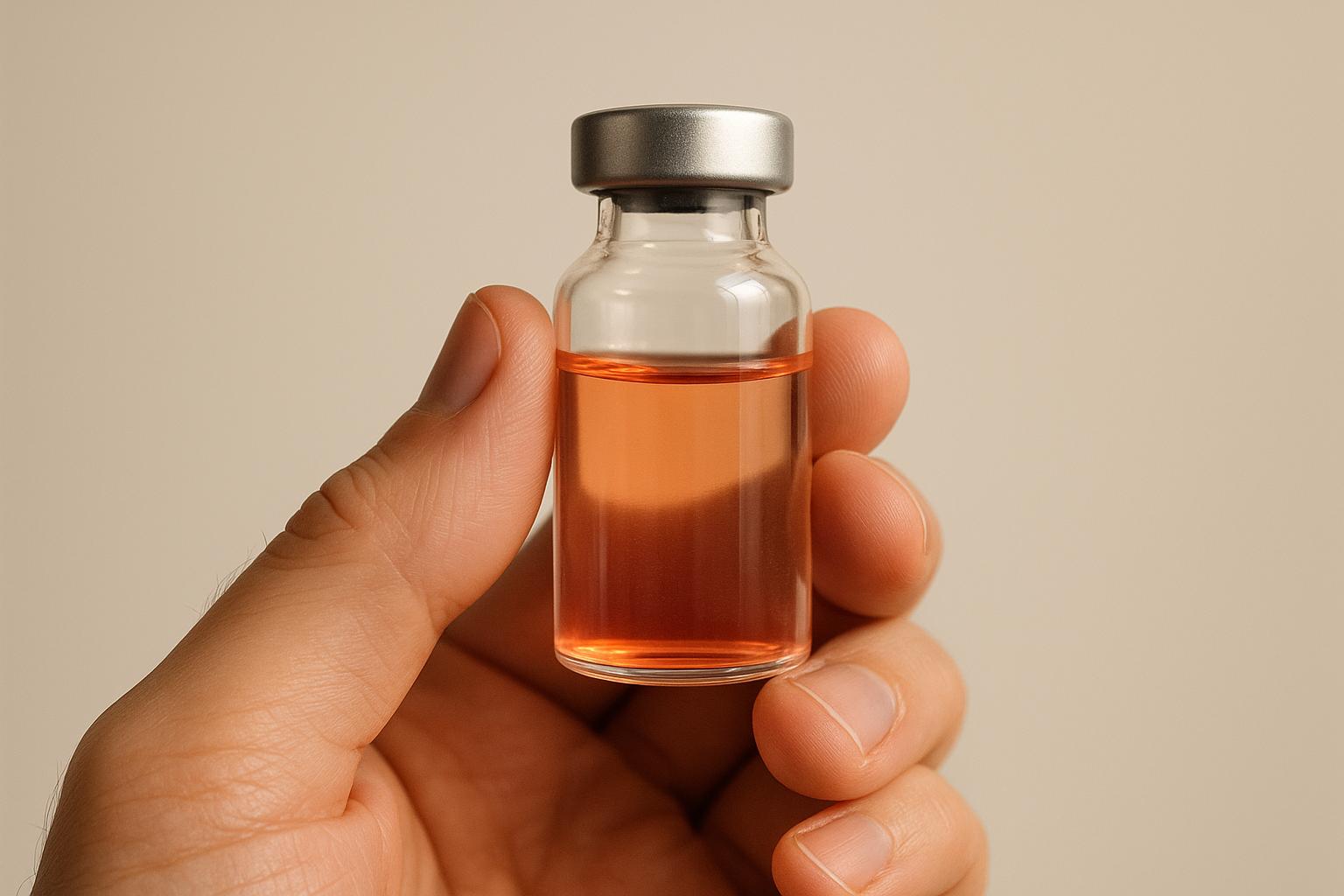
For anyone who has ever turned to diet pills in hopes of shedding pounds effortlessly, you’re far from alone. The weight loss industry is flooded with products that promise rapid transformations but often fail to deliver meaningful, sustainable results. This leaves many feeling frustrated, defeated, and questioning whether real solutions even exist.
In this article, we’ll explore the reality behind traditional weight loss pills, why they often don’t work, and how modern medical advancements are transforming weight management. By the end, you’ll understand how to cut through the noise and focus on scientifically-backed solutions that genuinely address the root causes of weight gain.
Why Most Over-the-Counter Diet Pills Fail
Many weight loss pills available on store shelves rely on clever marketing rather than genuine science. They’re classified as supplements, not medications, meaning they don’t have to prove their effectiveness before hitting the market. Unfortunately, this leads to products that are more about hype than results. Let’s break down the common types of diet pills and why they often fall short:
1. Caffeine-Boosted Pills
These supplements rely on stimulants, like caffeine, to temporarily suppress appetite and increase energy. While you may feel an initial jolt, your body quickly adapts, diminishing the effects. Worse, these pills don’t address the root cause of weight gain, such as hunger hormones or metabolism. The result? Minimal, short-lived weight loss – often accompanied by unpleasant side effects like jitters and anxiety.
2. Water Weight Quick Fixes
Some pills act as mild diuretics, helping your body release water. While the scale may show a small drop initially, this "loss" is purely water weight, not fat. Once your body rehydrates, the weight returns. It’s an illusion that provides no lasting benefits for fat loss or overall health.
3. Fat Blockers and Metabolism Boosters
These products claim to block your body from absorbing fat or to supercharge your metabolism. However, the scientific evidence supporting these claims is weak at best. Any effects are often so minor they’re practically meaningless in real-world settings. Think of it as trying to warm a freezing room with a single candle – it’s just not enough to make a difference.
The Emotional Toll of False Promises
Beyond their physical ineffectiveness, traditional diet pills can take a significant emotional toll on users. Here’s a common pattern that emerges when people rely on these products:
- The Cycle of Hope and Disappointment: Many start with high hopes, only to feel let down when the pills don’t deliver. This cycle erodes confidence and motivation over time.
- Unpleasant Side Effects: From jitteriness to trouble sleeping, the side effects often outweigh the benefits, making the entire experience stressful and unsustainable.
- The Illusion of Progress: Losing a few pounds initially (often water weight) can create false optimism. When the weight quickly returns, people feel like they’ve "failed" again, even though the product was to blame.
- Financial and Emotional Cost: Many spend hundreds or thousands of dollars on these pills, only to feel as though they’ve wasted both their money and their hope.
Why Weight Loss is Complex: It’s Not Just About Willpower
To truly understand why diet pills fail, we must first understand the complex factors driving weight gain. It’s not as simple as eating too much or exercising too little. Here are some of the key contributors:
1. Biology and Hormones
- Hunger and fullness hormones, like ghrelin and leptin, can be disrupted by poor sleep, stress, or a diet high in processed foods. This makes you feel hungrier and less satisfied after meals.
- High insulin levels, often caused by sugary or refined carbohydrates, encourage fat storage.
- When you try to lose weight, your metabolism naturally slows down as your body attempts to "defend" its current weight.
2. The Food Environment
We live in a world surrounded by hyper-palatable, calorie-dense foods designed to be addictive. These foods are easy to overconsume, and liquid calories (like sodas) don’t trigger the same fullness signals as solid food.
3. Lifestyle and Psychology
- Chronic stress increases appetite and promotes fat storage, particularly around the abdomen.
- Poor sleep disrupts hunger hormones and diminishes self-control, making it harder to stick to healthy habits.
- Emotional eating often stems from boredom, stress, or sadness, rather than genuine hunger.
- Sedentary lifestyles significantly reduce calorie burn, making weight loss even more challenging.
The Game-Changer: Medications That Work With Your Body, Not Against It
Unlike traditional diet pills, modern prescription medications such as GLP-1 receptor agonists (e.g., semaglutide) revolutionize weight management by targeting the biological systems that control hunger, metabolism, and fat storage. These medications are synthetic versions of natural gut hormones and have been scientifically tested for safety and efficacy.
How GLP-1 Medications Work
- Suppress Appetite: These drugs calm hunger signals in the brain, reducing the constant "food noise" that many struggle with.
- Slow Digestion: By delaying how quickly food leaves the stomach, they create a feeling of lasting fullness after smaller meals.
- Stabilize Blood Sugar: This helps reduce cravings and prevents the energy crashes associated with sugar spikes.
Why They’re Effective
Unlike traditional diet pills that rely on superficial tricks, GLP-1 medications reset the brain’s weight thermostat, allowing your body to lose weight without triggering intense hunger or metabolic resistance. Clinical studies and real-world results consistently show weight loss of 10-25% of body weight when these medications are combined with healthy lifestyle changes.
Building Sustainable Habits for Long-Term Success
While GLP-1 medications provide a powerful tool for weight loss, they’re not magic pills. Sustainable results require commitment to healthy habits, including:
- Balanced Nutrition: Focus on whole, unprocessed foods that nourish your body and promote satiety.
- Consistent Movement: Incorporate regular physical activity that you enjoy and can maintain long-term.
- Stress Management: Develop techniques to reduce chronic stress, such as mindfulness, therapy, or relaxation exercises.
- Improved Sleep Quality: Aim for 7-9 hours of quality sleep per night to regulate hunger hormones and boost overall well-being.
- Behavioral Support: Address emotional eating and develop strategies to manage triggers without turning to food.
Key Takeaways
- Most traditional diet pills fail because they rely on caffeine, diuretics, or unproven ingredients that don’t address the root causes of weight gain.
- Modern weight gain is driven by complex factors, including disrupted hunger hormones, the availability of calorie-dense foods, and lifestyle challenges like stress and poor sleep.
- GLP-1 medications represent a true breakthrough in weight loss by working with your body’s biology to regulate hunger, stabilize blood sugar, and promote lasting fullness.
- Sustainable weight loss requires a combination of medical tools and lifestyle changes, including healthy eating, regular movement, and emotional support.
- If you’ve struggled with weight management in the past, it’s not your fault. Many previously available solutions were never designed to address the real challenges of weight loss.
A New Era of Weight Loss
The days of relying on ineffective, over-the-counter diet pills are over. Science has illuminated the path to more effective, compassionate, and sustainable weight loss strategies. By addressing the biological, environmental, and psychological factors behind weight gain, modern medicine offers hope for those who’ve struggled for years to find a solution.
When combined with healthy habits and personalized support, these tools can empower individuals to take control of their health, improve their quality of life, and finally achieve the lasting results they deserve. Weight loss isn’t about quick fixes – it’s about creating a foundation for lifelong well-being.
Source: "Do Weight Loss Pills Actually Work? (The Harsh Truth)" – TrimRx, YouTube, Oct 23, 2025 – https://www.youtube.com/watch?v=Jrc8DuSmA98
Related Blog Posts

Transforming Lives, One Step at a Time
Keep reading

How to Adjust Weight Loss Goals on GLP-1 Medications
Adjust weight goals on GLP-1 meds by tracking body composition and labs, optimizing protein, activity, sleep, and working with your provider on dosing.

Falsified Mounjaro pens prompt urgent safety advisory
MHRA warns of counterfeit Mounjaro pens (batch D873576); stop use and check batch numbers for infection risk.

Novo Nordisk shares drop as Alzheimer’s hopes for weight-loss drug fade
Novo Nordisk’s semaglutide failed to slow Alzheimer’s in large trials, prompting shares to fall and expert reactions.


