What Are GLP 1 Requirements for Weight Loss Success?

Introduction
Finding a weight loss strategy that actually sticks can feel like an uphill battle. You may have tried every trending diet and gym routine only to find your progress stalls. This frustration is common, and it is why many people are now looking toward medical support. At TrimRx, we focus on helping you understand the science behind modern weight management, and a free assessment quiz is often the easiest way to see whether you may qualify.
This post covers the specific health and lifestyle criteria providers look for when prescribing Glucagon-like peptide-1 (GLP-1) receptor agonists. These are medications that mimic a natural hormone in your body to help manage hunger and blood sugar. We will explain BMI thresholds, health conditions, and medical history requirements. Understanding these factors is the first step toward determining if a personalized medical program is the right fit for your health goals.
Quick Answer: Most providers require a Body Mass Index (BMI) of 30 or higher for GLP-1 prescriptions. If you have a weight-related health condition like high blood pressure, the requirement often shifts to a BMI of 27 or higher.
The Science of GLP-1 Receptor Agonists
Before diving into the requirements, it helps to know what these medications do. A GLP-1 receptor agonist is a type of medication that acts like the GLP-1 hormone your body naturally produces after a meal. This hormone sends signals to your brain to let you know you are full. It also tells your stomach to slow down digestion, which keeps you feeling satisfied for a longer period.
When you take a GLP-1 medication, you are essentially boosting these natural signals. This helps reduce the “food noise” or constant cravings that many people struggle with daily. If you want a deeper look at the common adjustment period, our GLP-1 side effects guide explains what many patients experience early on. By addressing weight loss at a hormonal level, these treatments provide a biological tool that works alongside lifestyle changes.
Body Mass Index (BMI) Requirements
The most common starting point for eligibility is your Body Mass Index, or BMI. This is a mathematical formula that uses your height and weight to estimate body fat. While BMI is not a perfect measure of health, it serves as a standard screening tool for medical professionals.
The Standard Threshold for Obesity
For most individuals, a BMI of 30 or higher meets the primary requirement for GLP-1 therapy. This category is medically defined as obesity. At this level, the risks of developing secondary health issues like heart disease or joint pain increase. If you are unsure where you fall, the assessment quiz helps organize the key details a provider reviews.
The Overweight Threshold with Comorbidities
You do not always need a BMI of 30 to qualify. If your BMI is 27 or higher, you may still meet the requirements if you have at least one “comorbidity.” A comorbidity is an additional health condition that is caused or made worse by excess weight. If a provider determines that losing weight would significantly improve one of these conditions, they may approve the medication at this lower BMI level.
Key Takeaway: BMI is a screening tool, not a complete health assessment. Requirements typically begin at a BMI of 30, or 27 if other health challenges are present.
Weight-Related Health Conditions
When evaluating a candidate, healthcare providers look closely at your metabolic health. Metabolic health refers to how well your body processes energy and regulates sugar. Certain conditions often “unlock” eligibility for those who fall into the overweight category (BMI 27–29.9).
Type 2 Diabetes and Prediabetes
GLP-1 medications were originally developed to treat type 2 diabetes. They are highly effective at lowering A1C levels, which is a measure of your average blood sugar over three months. If you have type 2 diabetes or have been told you are prediabetic, you likely meet a core requirement for these medications.
Hypertension and High Cholesterol
High blood pressure (hypertension) and high cholesterol put significant strain on your heart. Clinical studies have shown that weight loss achieved through GLP-1 therapy can lead to measurable improvements in blood pressure and lipid profiles. For those trying to understand the treatment journey, our guide to ordering GLP-1 medications breaks down the process.
Obstructive Sleep Apnea
Sleep apnea is a condition where your breathing repeatedly stops and starts during sleep. It is often linked to excess weight around the neck and chest. Because losing weight can reduce the severity of sleep apnea, providers often prioritize patients with this diagnosis for GLP-1 programs.
Medical History and Safety Restrictions
Not everyone is a candidate for GLP-1 medications. Safety is the highest priority in any medical program. There are specific “contraindications,” or medical reasons to avoid a drug, that a provider will look for during your assessment.
Personal or Family History of Specific Cancers
You generally cannot take GLP-1 medications if you or anyone in your family has had Medullary Thyroid Carcinoma (MTC). You are also ineligible if you have Multiple Endocrine Neoplasia syndrome type 2 (MEN 2). These are rare conditions, but the risk profile for GLP-1 drugs makes these absolute “no” factors for treatment.
History of Pancreatitis
Because GLP-1 medications affect the pancreas, anyone with a history of pancreatitis must be cautious. Providers will typically look for other weight loss options for these individuals to avoid the risk of a recurrence.
Kidney and Gastrointestinal Concerns
If you have severe kidney disease or a condition called gastroparesis (delayed stomach emptying), these medications may not be right for you. Since GLP-1s already slow down digestion, they could worsen symptoms for someone whose digestion is already significantly impaired. Our long-term semaglutide side effects guide goes into more detail about why medical supervision matters.
Pregnancy and Breastfeeding
GLP-1 medications are not recommended for those who are pregnant, nursing, or planning to become pregnant in the near future. Most providers suggest stopping the medication at least two months before trying to conceive to ensure the drug has fully cleared your system.
The Requirement for Lifestyle Commitment
One of the most important requirements is not found on a lab report. It is your commitment to lifestyle changes. GLP-1 medications are designed to be a tool, not a standalone solution. They work best when you use the reduced hunger to make better nutritional choices.
We believe that sustainable weight loss requires a balanced approach. This includes:
- Prioritizing high-protein foods to protect muscle mass.
- Staying hydrated, as these medications can sometimes decrease your thirst drive.
- Engaging in regular physical activity, including strength training.
- Establishing healthy sleep patterns to support metabolic recovery.
If you are not ready to change your eating habits or activity levels, the medication may be less effective. Most medical programs require you to follow a reduced-calorie diet and increase your movement as part of the treatment plan.
Compounded vs. Branded Medications
As you research GLP-1 requirements, you will likely see many different names. It is important to understand what you are being prescribed and how it is prepared.
Branded Medications
Common branded GLP-1 medications include Wegovy®, Ozempic®, Zepbound®, and Mounjaro®. These are used for specific medical purposes and are dispensed in pre-filled pens. While effective, they are often subject to supply shortages.
Compounded Medications
When branded drugs are in short supply, or when a patient needs a more tailored approach, providers may prescribe Compounded Semaglutide or Compounded Tirzepatide.
Note: Compounded medications are not FDA-approved. However, they are prepared and shipped by FDA-registered, inspected compounding pharmacies.
At TrimRx, our platform connects you with licensed providers who can prescribe these compounded options when appropriate. This ensures you have access to a consistent supply of medication that is prepared specifically for you by a professional pharmacist. If you are comparing access paths, our telehealth guide for GLP-1 prescriptions explains how online care works.
The Onboarding and Assessment Process
Getting started with a medical weight loss program involves more than just a quick chat. It requires a thorough evaluation of your health profile. We make this process straightforward through a telehealth-first model.
Step 1: The Online Health Assessment
The first step is a free assessment quiz. You will provide information about your weight, height, health history, and goals. This data helps the clinical team determine if you meet the baseline BMI and health requirements.
Step 2: Provider Review and Lab Work
A licensed healthcare provider reviews your assessment. In many cases, they will require lab work to check your A1C levels, kidney function, and liver health. This ensures that the medication is safe for your body to process. This step is non-negotiable for a high-quality, medically supervised program.
Step 3: Personalized Treatment Plan
If you qualify, the provider will create a plan tailored to your needs. This includes your starting dose and a schedule for gradually increasing that dose. This “titration” process helps your body adjust to the medication and minimizes potential side effects like nausea.
Step 4: Ongoing Support
Once you begin treatment, you have 24/7 access to a team of specialists. Regular check-ins allow the provider to monitor your progress and make adjustments to your dosage. This continuous care is vital for long-term success and safety.
Managing Side Effects and Nutrient Support
Meeting the physical requirements is just the beginning. You also need to be prepared to manage the common side effects of GLP-1 therapy. Most people experience some degree of nausea, bloating, or changes in bowel habits as their body adjusts.
For those who want to optimize their experience, we offer quick-access supplements that do not require a prescription. Our GLP-1 Daily Support supplement is designed to help your body handle the transition by supporting digestive health and maintaining energy levels. Additionally, our Weight Loss Boost supplement can provide extra metabolic support for those looking to maximize their routine.
Who Is the Ideal Candidate?
Based on clinical guidelines and general medical practice, the “ideal” candidate for a GLP-1 program usually fits the following description:
- An adult with a BMI over 30, or over 27 with a condition like hypertension.
- Someone who has tried traditional diet and exercise without long-term success.
- An individual with no history of pancreatitis or specific thyroid cancers.
- Someone who is ready to commit to a long-term lifestyle change.
- A patient who prefers the convenience of telehealth and home-shipped medication.
Bottom line: Requirements for GLP-1 medications ensure the treatment is both safe and effective for the individual. Eligibility focuses on BMI, metabolic health, and the absence of specific medical risks.
Why Telehealth Is Changing Access
In the past, getting a prescription for a weight loss medication required multiple in-person visits, waiting rooms, and potential judgment. Telehealth has removed these barriers. You can now complete your assessment, speak with a provider, and have your medication shipped directly to your door from your own home.
Our platform was built to prioritize this convenience without sacrificing clinical quality. By merging technology with medical expertise, we provide a path to weight loss that fits into a modern lifestyle. If you want to see whether that path fits your health profile, you can always return to the free assessment quiz and take the next step.
The Long-Term Perspective
Weight loss is not a sprint; it is a long-term shift in how your body functions. GLP-1 medications are often prescribed for long-term use because they address the biological drivers of weight gain. Many patients find that if they stop the medication without having established solid lifestyle habits, the “food noise” returns, and weight can be regained.
This is why we emphasize a program that includes more than just a vial of medication. True success comes from the combination of the right biological tool and a supportive environment. For readers comparing treatment paths, our article on buying GLP-1 online explains some of the options people explore before starting care.
Conclusion
The requirements for GLP-1 medications are designed to identify individuals who will benefit most from treatment while maintaining the highest safety standards. By focusing on BMI, existing health conditions, and a clear medical history, providers can ensure that these powerful tools are used responsibly. We are dedicated to providing a transparent and empathetic path through this process. Our mission at TrimRx is to help you navigate the complexities of weight loss with science-backed treatments and personalized care.
If you are tired of the cycle of failed diets and are ready for a medical approach tailored to your body, your next step is simple. You can begin your journey today by completing our free assessment quiz to see if you meet the requirements for a personalized treatment program.
FAQ
What is the minimum BMI to get a GLP-1 prescription?
Generally, the minimum BMI requirement is 30 for individuals without other health issues. However, if you have a weight-related condition such as high blood pressure or type 2 diabetes, the threshold often drops to 27. A licensed provider will evaluate your specific health profile during your assessment to determine your eligibility.
Do I need to have type 2 diabetes to qualify for these medications?
No, you do not need a diabetes diagnosis to qualify for GLP-1 weight loss treatments. While some medications in this class are used for type 2 diabetes, others are used for chronic weight management. Providers can also prescribe compounded versions of these medications for weight loss based on your BMI and overall health.
Can I get a GLP-1 if I only have 10–15 pounds to lose?
Usually, these medications are not intended for minor cosmetic weight loss. The medical requirements are focused on individuals where excess weight poses a significant health risk, typically defined by a BMI of 30 or higher. If you have a lower BMI and no weight-related health conditions, a provider may recommend other lifestyle interventions or supplements instead.
What medical conditions would prevent me from being eligible?
You may be ineligible if you have a personal or family history of Medullary Thyroid Carcinoma or Multiple Endocrine Neoplasia syndrome type 2. Other factors that might prevent eligibility include a history of pancreatitis, severe kidney disease, or current pregnancy. Always discuss your full medical history with a healthcare professional to ensure any new treatment is safe for you. If you are unsure whether you should start, the assessment quiz is a simple place to begin.
Disclaimer: This content is for informational purposes only and does not constitute medical advice. It is not intended to diagnose, treat, cure, or prevent any disease or condition. Individual results may vary. Always consult a qualified healthcare professional before starting any weight loss program or medication.

Transforming Lives, One Step at a Time
Keep reading

Mons Pubis Fat Loss on GLP-1s: The “Pubic Area” Change Nobody Mentions
One change that surprises people on GLP-1 medications rarely comes up in conversation: the mons pubis, the soft fat pad over the pubic bone,…

How to Adjust Weight Loss Goals on GLP-1 Medications
Adjust weight goals on GLP-1 meds by tracking body composition and labs, optimizing protein, activity, sleep, and working with your provider on dosing.
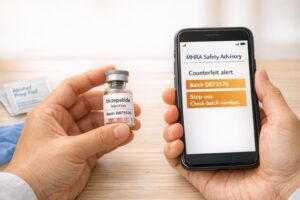
Falsified Mounjaro pens prompt urgent safety advisory
MHRA warns of counterfeit Mounjaro pens (batch D873576); stop use and check batch numbers for infection risk.


