Good Foods for Weight Loss: Our Team’s Expert Breakdown
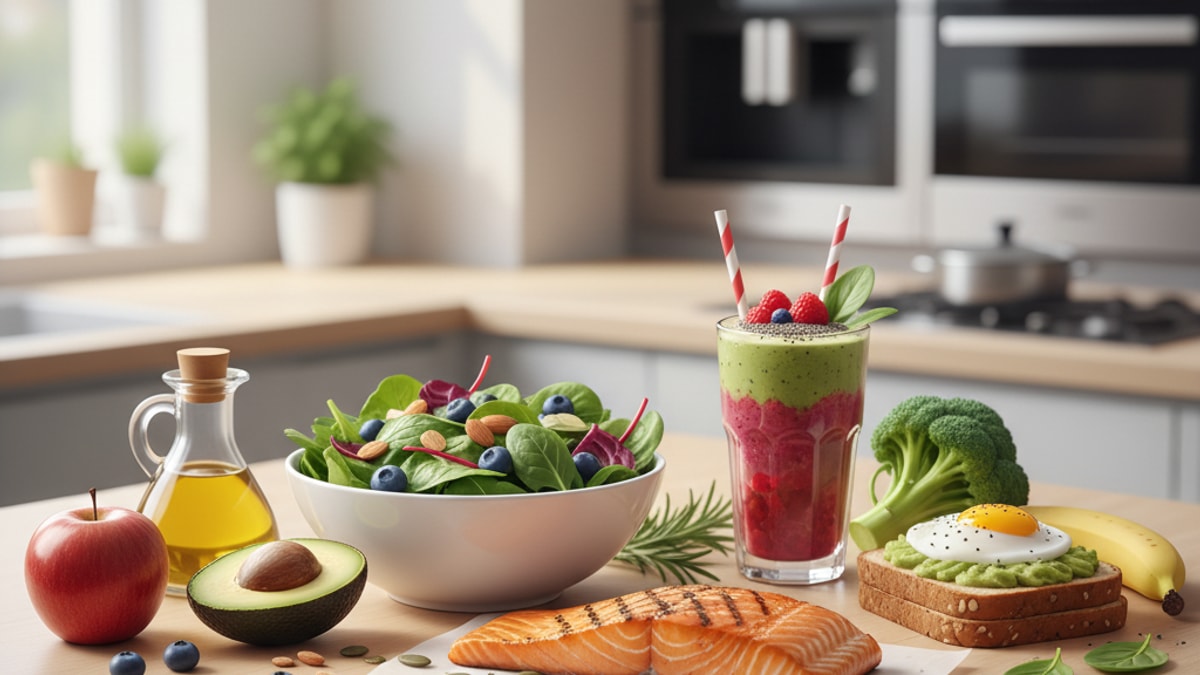
Let's be honest. If you type “what are good foods to eat for weight loss” into a search engine, you're met with a sprawling, often contradictory, universe of advice. One article champions keto, another swears by plant-based, and a third insists that all you need is a grapefruit and a prayer. It’s exhausting. Our team sees the confusion this causes every single day. People come to us feeling defeated, armed with misinformation and convinced that sustainable weight loss is a puzzle too complex to solve.
We're here to cut through that noise. As a team rooted in biotechnology and medically-supervised weight loss, we approach nutrition not as a collection of fads, but as a critical pillar of metabolic health. Food is fuel, information, and a powerful tool that works synergistically with modern medical advancements. It’s not about deprivation or a list of “forbidden” items. It’s about understanding how certain foods interact with your body to promote satiety, preserve muscle, and create an internal environment where weight loss isn't a constant battle. This is the foundation, whether you’re just starting your journey or supporting it with advanced treatments like the GLP-1 medications we specialize in.
Beyond Calories: The Real Science of Weight Loss Foods
For decades, the weight loss conversation was dominated by a single, deceptively simple idea: calories in versus calories out. While energy balance is undeniably a component of physics, it’s a terribly incomplete picture of human biology. We can't stress this enough: the quality of your calories dictates your hunger, your energy levels, and your body's hormonal response. A 200-calorie snack of almonds and a 200-calorie snack of sugary candy are not the same. Not even close.
One triggers a cascade of positive signals, while the other sets you on a blood sugar rollercoaster that ends with more cravings. That’s the reality. Our work is centered on this more nuanced understanding. We’ve found that focusing on three key factors makes all the difference:
- Satiety: This is the feeling of fullness and satisfaction after a meal. Foods high in protein, fiber, and water content are satiety powerhouses. They stretch the stomach and send signals to your brain that you're full, naturally reducing your impulse to overeat.
- Thermic Effect of Food (TEF): Your body actually burns calories to digest, absorb, and process the nutrients in your food. Protein has the highest TEF by a long shot. Your body uses up to 30% of the calories from protein just to digest it. For carbs, it’s about 5-10%, and for fats, it’s a mere 0-3%. This isn’t a magic bullet, but it's a metabolic advantage that adds up significantly over time.
- Hormonal Response: Food directly influences hormones that control hunger and fat storage, like insulin, ghrelin (the 'hunger hormone'), and leptin (the 'satiety hormone'). Processed carbs and sugars spike insulin, which can promote fat storage and block fat burning. In contrast, balanced meals with protein, healthy fats, and fiber create a much more stable hormonal environment conducive to weight loss.
Understanding this 'why' is the first, most critical step. It transforms your mindset from one of restriction to one of empowerment. You start asking, “What can I add to my plate to support my goals?” instead of just, “What do I have to cut out?”
Our Foundational Five: The Non-Negotiable Food Groups
So, where do you start? Our clinical experience points to five core categories of foods that should form the bedrock of any effective and sustainable weight loss plan. These aren't exotic or expensive; they are accessible, powerful, and scientifically validated.
1. Lean Proteins: The Muscle Preservers
Protein is the undisputed champion of weight loss macronutrients. It's the most satiating, has the highest thermic effect, and is absolutely critical for preserving lean muscle mass while you lose fat. Losing muscle is a catastrophic metabolic mistake—it lowers your resting metabolism, making it harder to keep the weight off long-term. We recommend including a source of lean protein with every single meal.
- Examples: Skinless chicken or turkey breast, fish (like salmon, tuna, and cod), eggs, Greek yogurt, cottage cheese, lentils, chickpeas, and tofu.
- Our Insight: We've seen that clients who consistently hit their protein targets report dramatically fewer cravings and feel more in control of their appetite. This is especially vital for individuals using GLP-1 medications, as the reduced appetite can sometimes lead to inadequate protein intake if not managed proactively.
2. Fiber-Rich Vegetables: The Volume Eaters
Think of these as your plate's best friend. Non-starchy vegetables are incredibly high in fiber, water, and nutrients, but astonishingly low in calories. This means you can eat a large, satisfying volume of them, which fills your stomach and triggers those crucial satiety signals we talked about. The fiber also slows digestion, promoting stable blood sugar, and feeds your gut microbiome, which emerging research shows plays a key role in weight regulation.
- Examples: Leafy greens (spinach, kale, arugula), broccoli, cauliflower, bell peppers, cucumbers, zucchini, asparagus, and Brussels sprouts.
- Our Insight: Don't be afraid to fill half your plate with these vegetables at lunch and dinner. Roasting, steaming, or sautéing them can make them more appealing than just a raw salad every day. Simple, right?
3. Complex Carbohydrates: The Smart Fuel Source
Carbohydrates have been unfairly demonized. The problem isn't carbs; it's the type of carbs. Refined carbohydrates (white bread, pastries, sugary cereals) are stripped of their fiber and nutrients, causing rapid blood sugar spikes. Complex carbohydrates, on the other hand, are your body's preferred energy source. They contain fiber, which slows down the absorption of sugar into the bloodstream, providing sustained energy without the crash.
- Examples: Quinoa, oats, brown rice, sweet potatoes, butternut squash, and whole-grain bread (in moderation).
- Our Insight: Timing can be strategic. Consuming your complex carbs around your workouts can help fuel performance and aid recovery. A small portion at dinner can also sometimes improve sleep quality for some individuals.
4. Healthy Fats: The Hormone Regulators
For years we were told to fear fat. This was a difficult, often moving-target objective of public health messaging that we now know was misguided. Healthy fats are essential for brain function, vitamin absorption (vitamins A, D, E, and K are fat-soluble), and, critically, hormone production. They also contribute significantly to satiety, slowing down stomach emptying and keeping you fuller for longer.
- Examples: Avocado, nuts (almonds, walnuts), seeds (chia, flax, pumpkin), and olive oil.
- Our Insight: Portion awareness is key here. While healthy, fats are calorie-dense. A serving is typically a small handful of nuts, a quarter of an avocado, or a tablespoon of olive oil. They are powerful additions, not a food group to eat with abandon.
5. Hydrating Fruits: The Nutrient-Dense Sweets
When a sugar craving hits, fruit is your best option. It provides sweetness packaged with fiber, water, vitamins, and antioxidants. The fiber buffers the impact of the natural sugar (fructose) on your bloodstream. Berries are a particular standout, as they are lower in sugar and packed with anti-inflammatory compounds.
- Examples: Berries (strawberries, blueberries, raspberries), apples, pears, oranges, and melon.
- Our Insight: Pairing fruit with a source of protein or fat, like an apple with a tablespoon of peanut butter or berries with Greek yogurt, creates an even more balanced and satisfying snack that will keep you full for hours.
How Foods Synergize with Medical Weight Loss Treatments
Now, this is where it gets interesting for many of our clients. A nutritional strategy built on these foundational foods is powerful on its own. But when it's paired with a medically-supervised program using advanced treatments like GLP-1 agonists (Semaglutide, Tirzepatide), the results become truly transformative. This approach, which we've refined over years, delivers real results.
GLP-1s work by mimicking a natural gut hormone that tells your brain you're full and slows down how quickly your stomach empties. This creates a profound reduction in appetite and 'food noise.' It's a game-changer. However, this powerful effect makes your food choices more important, not less. With a reduced appetite, every bite counts. You have a smaller window to get the nutrition your body needs to thrive.
Here’s how a smart food strategy is a critical, non-negotiable element of a successful medical weight loss journey:
- Preventing Muscle Loss: As we mentioned, protein is paramount. When your overall food intake is lower, your body might start breaking down muscle tissue for energy. Prioritizing lean protein at every meal ensures you're feeding your muscles first, protecting your metabolism.
- Managing Side Effects: Some people experience mild nausea or changes in digestion when starting GLP-1s. We’ve found that avoiding greasy, heavy, or overly sugary foods can significantly mitigate these effects. Focusing on simple, whole foods is much easier on a digestive system that's working a bit more slowly.
- Ensuring Nutrient Sufficiency: Eating smaller portions means you need to maximize the nutritional value of what you do eat. A meal of fiber-rich vegetables, lean protein, and healthy fats delivers far more vitamins and minerals than a similarly-sized portion of processed food. This prevents deficiencies and keeps your energy levels high.
For those on a medically-supervised path, like the one we offer when you Start Your Treatment, this nutritional strategy isn't just helpful—it's essential for maximizing the benefits of the medication while feeling your absolute best.
A Quick Comparison: High vs. Low Satiety Foods
To put this into a practical context, let's compare how different food choices impact fullness. Our team often uses this framework to help clients make smarter swaps.
| Feature | High Satiety Foods | Low Satiety Foods (Hyper-palatable) |
|---|---|---|
| Composition | High in protein, fiber, and/or water. | High in refined sugar, processed fats, and sodium. Low in fiber. |
| Examples | Grilled chicken breast, lentil soup, Greek yogurt, broccoli, apple. | Potato chips, cookies, sugary soda, white bread, candy bars. |
| Blood Sugar Impact | Minimal spike, leading to stable energy and mood. | Rapid spike followed by a crash, triggering more cravings. |
| Calorie Density | Low. You can eat a larger volume for fewer calories. | High. A small volume contains a large number of calories. |
| Brain Response | Sends clear signals of fullness and satisfaction to the brain. | Designed to bypass satiety signals, encouraging overconsumption. |
Seeing it laid out like this makes the choice pretty clear, doesn't it?
The Foods We Recommend Limiting (and Why)
We don't like to label foods as 'good' or 'bad.' That language can create guilt and an unhealthy relationship with eating. Instead, we talk about foods to prioritize and foods to limit. The foods in this latter category aren't 'evil'—they're just not very effective at helping you reach your goals. They are often low in nutrients, low in satiety, and specifically engineered to make you want more.
1. Ultra-Processed Items
This is the big one. We mean things that come in crinkly bags and boxes with long ingredient lists you can't pronounce. Chips, packaged cookies, frozen dinners, and sugary cereals fall into this sprawling category. These products are scientifically designed by food engineers to be 'hyper-palatable'—a perfect storm of salt, sugar, and fat that lights up the reward centers in your brain, overriding your body's natural stop signals.
2. Sugary Beverages
Liquid calories are uniquely sneaky. Sodas, sweetened teas, fancy coffee drinks, and fruit juices deliver a massive sugar load without providing any of the fiber or bulk that signals fullness. Your brain doesn't register these calories in the same way it does with solid food, so you can easily consume hundreds of extra calories without feeling any more satisfied. We recommend making water, unsweetened tea, and black coffee your primary beverages.
3. Refined Grains and Sugars
This includes things like white bread, white pasta, pastries, and candy. As we touched on earlier, these foods are digested very quickly, leading to a rapid surge in blood sugar and a corresponding surge in insulin. Your body rushes to clear the sugar from your blood, often overcompensating and causing a 'crash' that leaves you feeling tired, irritable, and—you guessed it—craving more sugar. It's a relentless cycle that can be formidable to break.
Building a Sustainable Plate: A Practical Approach
Knowing what to eat is one thing; putting it into practice amidst a grueling road warrior hustle or demanding family schedule is another. Our team recommends a simple, visual tool: The Plate Method.
Forget weighing every morsel of food. It's not sustainable. Instead, visualize your plate:
- Half Your Plate: Fill it with those non-starchy, fiber-rich vegetables. Go for a variety of colors to get a wide range of micronutrients.
- One-Quarter of Your Plate: Dedicate this space to your lean protein source. A portion is typically about the size and thickness of your palm.
- One-Quarter of Your Plate: This is for your complex carbohydrate. A serving is about the size of your cupped hand.
- Add a Healthy Fat: This might be a drizzle of olive oil on your veggies or some avocado slices on the side (about 1-2 tablespoons).
This method automatically builds a balanced, high-satiety meal without the need for obsessive tracking. It’s flexible, adaptable to dining out, and teaches the principles of a healthy meal composition. We've seen it work time and time again.
And another consideration: hydration. Sometimes our brains mistake thirst for hunger. Before reaching for a snack, try drinking a large glass of water and waiting 15 minutes. You might be surprised how often the 'hunger' pangs disappear. Aiming for around 64-100 ounces of water per day is a great target for most people.
Our team is also a big believer in meal prep. You don't have to spend your entire Sunday cooking. Even small steps, like pre-chopping vegetables, grilling a few chicken breasts, or cooking a batch of quinoa, can make it infinitely easier to assemble a healthy meal when you're tired and short on time. It's about making the healthy choice the easy choice.
This journey isn't about perfection; it's about consistency. It’s about building a foundation of nutrient-dense foods that support your body, manage your hunger, and provide you with the energy you need. When you fuel your body with the right information, it knows what to do. It’s a significant, sometimes dramatic shift from battling your body to working with it. And when combined with the right medical support, it creates a powerful, synergistic effect that makes long-term success not just possible, but probable. If you're ready to see if that combined approach is right for you, you can take our quiz to get started. It's comprehensive.
Frequently Asked Questions
What is the single best food to eat for weight loss?
▼
There’s no single ‘best’ food, as success comes from an overall dietary pattern. However, our team finds that lean protein, like chicken breast or fish, is incredibly effective due to its high satiety and thermic effect, which helps you feel full and boosts metabolism.
Can I still eat carbs and lose weight?
▼
Absolutely. We encourage eating complex carbohydrates like quinoa, sweet potatoes, and oats. These provide sustained energy and fiber, unlike refined carbs which can spike blood sugar. The key is choosing the right type and managing portion sizes.
How important is protein when using a GLP-1 medication like Semaglutide?
▼
It’s critically important. GLP-1s reduce appetite, so you need to make every calorie count. Prioritizing protein is essential to prevent muscle loss, which would slow your metabolism. We advise clients to include a protein source with every meal.
Are fruits bad for weight loss because of the sugar?
▼
No, we don’t consider whole fruits to be bad. The natural sugar in fruit is packaged with fiber, water, and micronutrients, which slows its absorption. Berries and apples are excellent choices for satisfying a sweet tooth in a healthy way.
What’s a good, simple snack for weight loss?
▼
A great snack combines protein and/or fat with fiber. Some of our team’s favorites include Greek yogurt with berries, an apple with a tablespoon of almond butter, or a small handful of nuts. These options keep you full and stable between meals.
Do I need to count calories to lose weight?
▼
While being in a calorie deficit is necessary, we’ve found that obsessive counting isn’t sustainable for most people. We recommend focusing on food quality and using visual cues like the Plate Method to control portions naturally.
Is fat bad for weight loss?
▼
Not at all. Healthy fats from sources like avocado, nuts, and olive oil are essential for hormone function and satiety. They help you feel full and satisfied. The key is portion control, as fats are calorie-dense.
Why do I feel hungry again so soon after eating?
▼
This often happens after a meal high in refined carbs and low in protein and fiber. Such meals cause a blood sugar spike and crash, triggering hunger. A balanced meal with protein, fiber, and healthy fat will provide much longer-lasting satiety.
How can I manage cravings for unhealthy food?
▼
First, ensure you’re not overly hungry by eating balanced meals. Second, stay hydrated, as thirst is often mistaken for hunger. If a craving persists, try a healthier alternative first, like fruit for a sugar craving or a savory, protein-rich snack.
Does eating late at night cause weight gain?
▼
It’s less about *when* you eat and more about *what* and *how much* you eat over the entire day. However, late-night eating often involves calorie-dense, processed snack foods. Focusing on a structured eating schedule can help prevent this.
Should I avoid dairy for weight loss?
▼
Not necessarily, unless you have an intolerance. Plain Greek yogurt and cottage cheese are excellent sources of protein that are very beneficial for weight loss. We recommend choosing unsweetened dairy products.
What role does hydration play in weight loss?
▼
Hydration is crucial. Drinking enough water supports metabolism, helps your body process nutrients, and can significantly increase feelings of fullness. Sometimes our brains mistake thirst for hunger, so staying hydrated can reduce unnecessary snacking.

Transforming Lives, One Step at a Time
Keep reading

Do You Need a Prescription for GLP-1s? The 2026 Answer
Wondering ‘do you need a prescription for glp 1’ in 2026? Yes. We explain why a doctor’s oversight is critical for safe, effective results.

How to Get GLP-1 Covered By Insurance: Our 2026 Playbook
Struggling with how to get glp-1 covered by insurance? Our 2026 guide breaks down prior authorizations, appeals, and documentation.

Traveling with GLP-1s in 2026: Your Essential Trip-Proof Plan
Don’t let travel disrupt your GLP-1 treatment. Learn how to travel with glp 1 medications safely and stress-free in our 2026 expert guide.


