The Best Foods for Weight Loss: What Our Experts Say
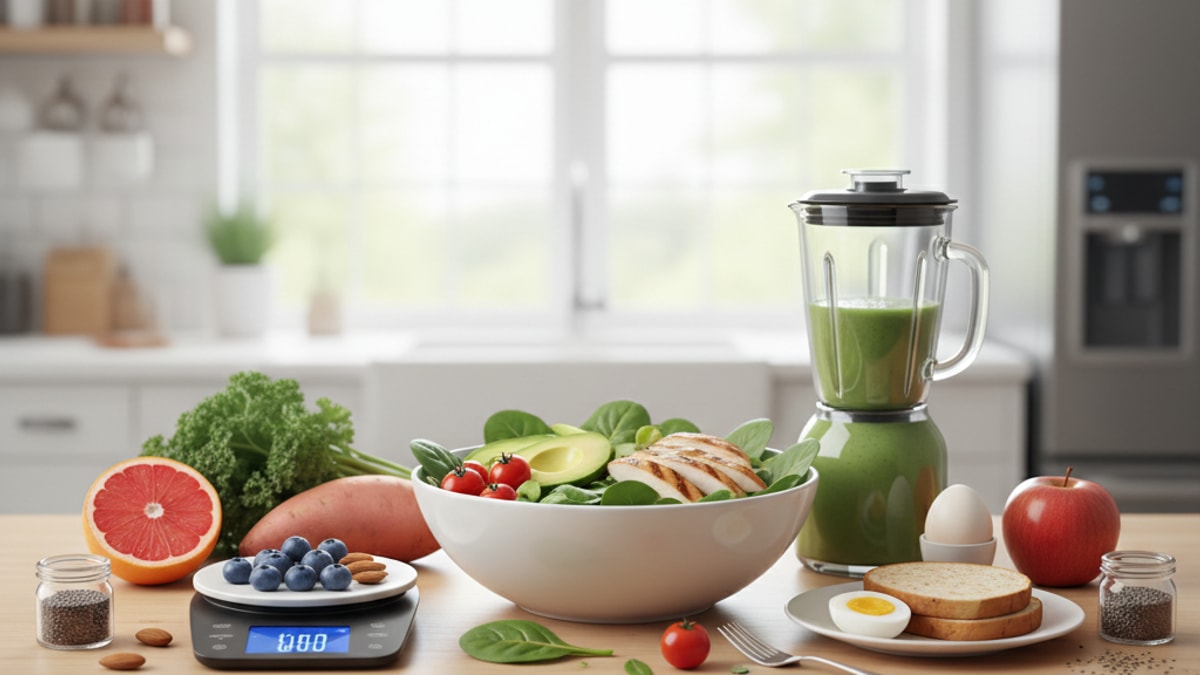
Let's cut through the noise. The internet is a sprawling, often contradictory, library of advice on what are the best foods for weight loss. One day, fat is the enemy; the next, it's carbs. It’s exhausting, and frankly, it’s not helping people achieve real, sustainable results. Our team at TrimrX works at the intersection of biotechnology and human health, and we've seen firsthand what truly moves the needle. It's not about radical restriction or chasing fad diets. It's about understanding biology.
Sustainable weight loss is a science. It involves hormones, metabolism, and psychology. The right foods are a critical, non-negotiable element of that equation, serving as the foundational support for any effective weight management strategy—especially when integrated with advanced medical treatments. This isn't just about eating less; it's about eating smarter. So, let’s talk about what that actually looks like.
It's Not Just About Calories—It's About Biology
For decades, the weight loss world has been dominated by a single, deceptively simple mantra: calories in, calories out. If you just burn more than you eat, the pounds will melt away. Simple, right? Except it’s not. While energy balance is a fundamental principle of thermodynamics, the human body is not a simple furnace. It's a complex, adaptive biological system, and the type of calories you consume has a profound impact on your hormones, appetite, and overall metabolic health.
Think about it this way: 200 calories from a sugary soda and 200 calories from grilled chicken breast are treated in dramatically different ways by your body. The soda triggers a rapid spike in blood sugar and insulin, a hormone that promotes fat storage. It provides almost zero satiety, meaning you'll likely be hungry again very soon. The chicken, on the other hand, is packed with protein. It digests slowly, stimulates the release of fullness hormones like PYY and GLP-1, and requires more energy to metabolize (this is known as the thermic effect of food). It keeps you fuller, longer, and helps preserve lean muscle mass. Same calories, wildly different biological outcomes. Our experience shows that people who shift their focus from pure calorie counting to nutrient quality see a significant, sometimes dramatic shift in their results. It's about working with your body's intricate signaling systems, not just trying to out-starve them. That's the key.
The Unsung Heroes: Protein and Satiety
We can't stress this enough: protein is the cornerstone of an effective weight loss eating plan. It is, without a doubt, the most satiating macronutrient. When you eat a protein-rich meal, your body sends powerful signals to your brain that you're full and satisfied. This isn't just a feeling; it's a measurable hormonal response. This effect helps you naturally reduce your overall calorie intake without the constant, nagging feeling of deprivation that dooms so many diets.
But the benefits don't stop at fullness. When you're in a calorie deficit to lose weight, your body can sometimes break down muscle tissue for energy in addition to fat. This is a catastrophic outcome for your metabolism, as muscle is metabolically active tissue that burns calories even at rest. A higher protein intake provides the amino acids necessary to protect and preserve this lean mass. You want to lose fat, not muscle. Our team consistently recommends aiming for a significant portion of your daily intake from high-quality protein sources. We’re talking about:
- Lean Meats: Skinless chicken and turkey breast, lean cuts of beef, and pork tenderloin are excellent sources of complete protein.
- Fish: Fatty fish like salmon, mackerel, and sardines are fantastic choices because they also provide anti-inflammatory omega-3 fatty acids. White fish like cod and tilapia are great leaner options.
- Eggs: The whole egg is a nutritional powerhouse. Don't fear the yolk; it's packed with vitamins and nutrients.
- Dairy: Greek yogurt (especially the plain, unsweetened kind) and cottage cheese are protein superstars. They're versatile and can be used in sweet or savory dishes.
- Legumes: For those following a more plant-based approach, lentils, chickpeas, and black beans are rich in both protein and fiber—a powerful combination we'll discuss next.
Prioritizing protein isn't a fad. It's a foundational strategy for managing hunger, protecting your metabolism, and achieving a healthier body composition.
Fiber: Your Gut's Best Friend for Fat Loss
If protein is the cornerstone, then fiber is the mortar holding it all together. Fiber is a type of carbohydrate that your body can't digest. Instead of being broken down for energy, it passes through your system, working its magic along the way. There are two main types, and you need both.
Soluble fiber dissolves in water to form a gel-like substance in your digestive tract. This gel slows down digestion, which is incredibly beneficial for weight loss. It means sugar is absorbed more slowly, preventing those sharp blood sugar spikes and crashes that lead to cravings. It also means you feel full for a much longer period after a meal. Oats, barley, apples, citrus fruits, carrots, and beans are all fantastic sources.
Insoluble fiber, on the other hand, doesn't dissolve. It adds bulk to your stool and helps food pass more quickly through the stomach and intestines. This promotes regularity and a healthy digestive system. You'll find it in whole grains, nuts, cauliflower, green beans, and potatoes.
But wait, there's more to understand. A high-fiber diet is also crucial for nurturing a healthy gut microbiome. The trillions of bacteria living in your gut play a formidable role in everything from your immune system to your mood, and yes, your weight. Certain beneficial bacteria feed on fiber, producing short-chain fatty acids (SCFAs) that have been shown to increase fat burning and reduce fat storage. So by eating fiber, you're not just feeding yourself; you're feeding the very allies that help you manage your weight. Leafy greens, cruciferous vegetables (like broccoli and Brussels sprouts), berries, and seeds like chia and flax are some of the most potent sources of health-promoting fiber.
Healthy Fats Aren't the Enemy
For years, we were told to fear fat. The low-fat craze of the '80s and '90s led to a market flooded with products stripped of fat but loaded with sugar and refined carbohydrates to make them palatable. The result? We became fatter and sicker. Let's be honest, that approach was a catastrophic failure. The reality is, dietary fat is not just a source of calories; it's essential for your health. It's necessary for the absorption of fat-soluble vitamins (A, D, E, and K) and is the building block for crucial hormones, including those that regulate metabolism.
Of course, not all fats are created equal. The focus should be on unsaturated fats, which are incredibly beneficial. Monounsaturated fats, found in avocados, olive oil, and nuts like almonds and cashews, are heart-healthy and can help improve insulin sensitivity. Polyunsaturated fats, including the famous omega-3 and omega-6 fatty acids found in fatty fish, walnuts, and flaxseeds, are critical for brain function and reducing inflammation.
Like protein and fiber, healthy fats are also incredibly satiating. They slow down stomach emptying, contributing to a longer-lasting feeling of fullness. Including a source of healthy fat in your meals can make your diet feel much more satisfying and sustainable. A sprinkle of nuts on your salad, a slice of avocado with your eggs, or cooking your vegetables in olive oil are simple, effective ways to incorporate these essential nutrients. The goal isn't to eliminate fat; it's to choose the right kinds and use them wisely.
A Quick Comparison: Nutrient Density vs. Calorie Density
Understanding the difference between nutrient density and calorie density is a complete game-changer. Calorie-dense foods pack a lot of calories into a small serving, often with very few vitamins, minerals, or fiber. Nutrient-dense foods are the opposite; they provide a wealth of nutrients for relatively few calories. Focusing your diet on nutrient-dense foods is one of the most effective strategies for losing weight without feeling deprived.
Here's what we've learned: when your plate is full of vibrant, nutrient-dense foods, you can eat satisfying portions while naturally keeping your calorie intake in check. Our team put together a simple table to illustrate this powerful concept.
| Feature | 1 cup of Strawberries | 1 Frosted Donut |
|---|---|---|
| Calories | ~50 kcal | ~250-350 kcal |
| Satiety (Fullness) | High | Very Low |
| Fiber | ~3 grams | <1 gram |
| Sugar | ~7 grams (natural) | ~15-30 grams (added) |
| Vitamins/Minerals | Excellent source of Vitamin C & Manganese | Negligible |
| Blood Sugar Impact | Minimal, blunted by fiber | Rapid spike and crash |
| Biological Signal | Provides nutrients, promotes fullness | Promotes fat storage, triggers cravings |
Looking at this, the choice becomes obvious. It's not just about the number of calories. It's about what those calories are doing inside your body. The strawberries nourish you and keep you full. The donut provides a fleeting moment of pleasure followed by a hormonal cascade that works against your weight loss goals.
How These Foods Complement GLP-1 Treatments
Now, this is where it gets interesting. At TrimrX, we specialize in medically-supervised weight loss using advanced GLP-1 medications like Semaglutide and Tirzepatide. These treatments are revolutionary because they work with your body's own biology. They mimic the natural hormones that tell your brain you're full, slow down digestion, and help regulate blood sugar. In essence, they provide a powerful biological assist to help you manage your appetite and reduce your caloric intake. It's incredibly effective.
But medication is a tool, not a magic wand. To achieve the best, most sustainable results, it must be paired with the right lifestyle changes. This is where the foods we've been discussing become absolutely essential. They work synergistically with the medication.
Think about it: the GLP-1 medication is already helping you feel fuller. When you then eat a meal rich in protein and fiber, you're amplifying that effect exponentially. You'll feel satisfied with smaller portions and stay full for hours. This makes sticking to a lower-calorie plan feel effortless rather than a constant battle of willpower.
Furthermore, when you're losing weight, especially rapidly, protecting muscle mass is paramount. The high-protein foods we recommend provide the building blocks your body needs to preserve that precious muscle, ensuring that the weight you lose is primarily fat. A diet filled with nutrient-dense vegetables, fruits, and healthy fats provides the vitamins and minerals your body needs to function optimally during this period of change. We mean this sincerely: the combination of a well-formulated, nutrient-dense diet and a medically-supervised GLP-1 program is the most powerful strategy we've seen for achieving significant and lasting weight loss. If you're ready to see how this integrated approach can work for you, you can Start Your Treatment with our medical team today.
Foods to Approach with Caution (Not 'Avoid')
We don't like the term 'bad foods.' Labeling food with moral language often leads to guilt and an unhealthy relationship with eating. Instead, our team prefers to talk about foods that don't support your biological goals for weight loss. These are typically ultra-processed, hyper-palatable items engineered to be irresistible.
- Sugary Drinks: This includes sodas, sweetened teas, sports drinks, and fancy coffee creations. They are a primary source of 'empty' liquid calories that don't register as food in your brain, leading to zero satiety and significant fat storage.
- Refined Carbohydrates: White bread, pastries, cookies, and many breakfast cereals are stripped of their fiber and nutrients. They digest rapidly, causing a sharp spike in blood sugar and insulin, followed by a crash that leaves you feeling tired and hungry for more.
- Ultra-Processed Snacks: Think chips, crackers, and pre-packaged snack foods. They are often high in refined carbs, unhealthy fats, sodium, and a cocktail of additives designed to make you overeat. They offer very little nutritional value for their high calorie cost.
- Fried Foods: While the fat itself isn't the only issue, foods deep-fried in industrial seed oils are often calorie bombs and can contain unhealthy trans fats.
You don't have to banish these foods from your life forever. That's not realistic or sustainable. The key is to shift them from being staples in your diet to occasional, mindful indulgences. When the vast majority of your diet is built on the nutrient-dense foods we've discussed, you create a metabolic environment that is resilient and geared for fat loss.
Building a Sustainable Plate: Our Team's Practical Tips
Knowledge is one thing; application is another. So, how do you translate all this information into what you put on your plate every day? It doesn't have to be complicated. Our professionals often recommend a simple, visual tool called the Plate Method.
Imagine your dinner plate. Mentally divide it in half. Fill one entire half with non-starchy vegetables. We're talking leafy greens, broccoli, cauliflower, bell peppers, zucchini, asparagus—the more color and variety, the better. This section of your plate is packed with fiber, vitamins, and volume, all for very few calories.
Now, look at the other half of your plate. Divide that into two equal quarters. In one quarter, place your high-quality protein source—a piece of grilled chicken, a filet of salmon, or a serving of lentils. In the final quarter, place your complex carbohydrate or healthy fat source. This could be a small portion of quinoa, a sweet potato, brown rice, or a serving of avocado or nuts.
This simple framework ensures that every meal is balanced. You're getting a huge dose of fiber and micronutrients from the vegetables, muscle-preserving protein, and a source of slow-releasing energy. It's a sustainable strategy that doesn't require obsessive counting or weighing.
Another critical tip is hydration. Sometimes, our brains mistake thirst for hunger. Staying well-hydrated with water throughout the day can significantly help with appetite control. Aim for at least 64 ounces per day, and even more if you're active.
Finally, preparation is key. We've all been there—it's late, you're tired, and you have nothing healthy ready to eat. That's when takeout or processed snacks become tempting. Spending just an hour or two on the weekend to meal prep can be a formidable defense. Cook a batch of quinoa, grill some chicken breasts, chop up vegetables for salads, and portion out some nuts. Having healthy, ready-to-go options makes the right choice the easy choice.
Ultimately, the best foods for weight loss are whole, minimally-processed foods that nourish your body, manage your hunger, and support your metabolic health. It’s not about finding a magic bullet food; it's about building a consistent pattern of eating that works with your biology, not against it. When you fuel your body correctly, especially in conjunction with a modern medical approach, the path to a healthier weight becomes clearer and far more achievable. If you're unsure where to begin, a great first step is to Take Quiz to see if our program is a good fit for you.
Frequently Asked Questions
Do I have to completely cut out carbs to lose weight?
▼
Absolutely not. The key is to choose the right kind of carbohydrates. Focus on complex carbs rich in fiber, like quinoa, sweet potatoes, oats, and whole grains, as they provide sustained energy and help with fullness. It’s the refined carbs, like white bread and sugar, that are best to limit.
How much protein should I eat for weight loss?
▼
While individual needs vary, a general guideline our team often suggests is aiming for 25-30 grams of protein per meal. This amount has been shown to be effective for promoting satiety and preserving muscle mass during a calorie deficit. Sources like lean meat, fish, eggs, and Greek yogurt are excellent choices.
Are ‘fat-burning’ foods like cayenne pepper or green tea really effective?
▼
Some foods and compounds can provide a very modest, temporary boost to your metabolism. However, their effect is minimal and not a substitute for a fundamentally sound diet. The real drivers of fat loss are managing overall calorie intake, prioritizing protein and fiber, and building a sustainable eating pattern.
How does my diet need to change while on a GLP-1 medication like Semaglutide?
▼
Your diet should complement the medication’s effects. Because GLP-1s reduce appetite, it’s crucial that the food you do eat is nutrient-dense. We recommend prioritizing protein to prevent muscle loss and fiber to aid digestion, as the medication slows gastric emptying. This ensures you’re nourished even with a reduced caloric intake.
Is it better to eat many small meals or a few large ones?
▼
There’s no single right answer; it often comes down to personal preference and what helps you control hunger best. Some people thrive on three balanced meals, while others prefer smaller, more frequent ones. The most important factor is your total daily intake of quality, nutrient-dense foods.
Can I still drink alcohol and lose weight?
▼
Alcohol contains ’empty’ calories and can lower inhibitions, often leading to poor food choices. While occasional, moderate consumption might fit into your plan, frequent drinking can easily stall your progress. If you do drink, opt for clear spirits with a zero-calorie mixer over sugary cocktails or beer.
Why am I not losing weight even though I’m eating healthy foods?
▼
Even healthy foods contain calories. It’s possible to overeat nutrient-dense foods like nuts, avocados, and olive oil. Pay attention to portion sizes. Also, factors like sleep, stress, and hydration play a significant role in weight loss, so it’s important to look at your overall lifestyle.
Should I avoid fruit because of the sugar content?
▼
No, we don’t recommend avoiding fruit. Whole fruits are packaged with fiber, water, vitamins, and antioxidants. The fiber slows the absorption of the natural sugar (fructose), preventing the sharp blood sugar spikes you’d get from processed sugar. Berries, apples, and citrus fruits are particularly great choices.
What’s the single most important food to add to my diet for weight loss?
▼
If we had to pick one, it would be lean protein. Its powerful effect on satiety and muscle preservation makes it the most impactful macronutrient for changing body composition. Ensuring you have a quality protein source at every meal is a game-changing strategy.
Do I need to track my calories meticulously?
▼
For some, tracking can be a useful tool for initial awareness, but it’s not a long-term requirement for everyone. Focusing on principles like the Plate Method and prioritizing nutrient-dense foods often leads to a natural reduction in calories without the stress of constant tracking.
Are artificial sweeteners a good substitute for sugar?
▼
Artificial sweeteners can help reduce calorie intake, but their long-term effects on the gut microbiome and cravings are still being studied. We generally recommend reducing overall sweetness in your diet rather than relying heavily on substitutes. Water, herbal tea, or sparkling water are better beverage choices.

Transforming Lives, One Step at a Time
Keep reading

Do You Need a Prescription for GLP-1s? The 2026 Answer
Wondering ‘do you need a prescription for glp 1’ in 2026? Yes. We explain why a doctor’s oversight is critical for safe, effective results.

How to Get GLP-1 Covered By Insurance: Our 2026 Playbook
Struggling with how to get glp-1 covered by insurance? Our 2026 guide breaks down prior authorizations, appeals, and documentation.

Traveling with GLP-1s in 2026: Your Essential Trip-Proof Plan
Don’t let travel disrupt your GLP-1 treatment. Learn how to travel with glp 1 medications safely and stress-free in our 2026 expert guide.


