Fuel Your Weight Loss: The Vegetables We Recommend Most
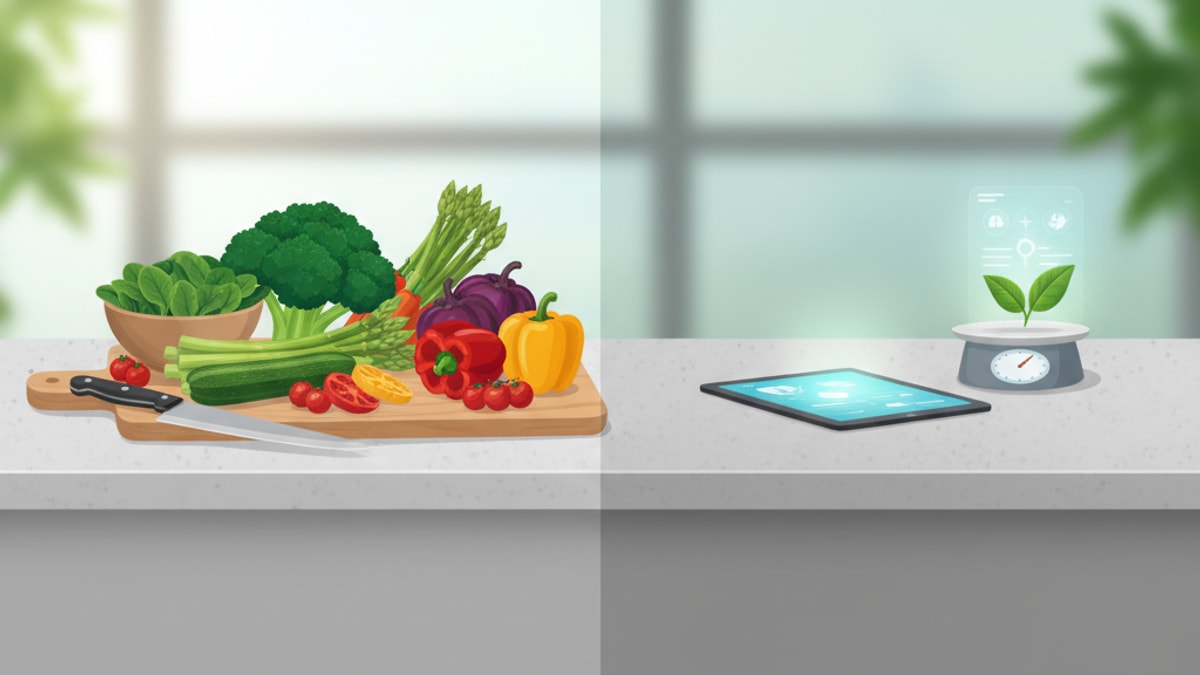
Your Definitive Guide to the Best Vegetables for Weight Loss
Let's start with a simple, unflinching truth: when it comes to sustainable weight loss, vegetables aren't just part of the equation—they are the foundation. It’s a concept we all know, yet the question our team at TrimrX hears constantly is, "Okay, but which ones? What are the best vegetables for weight loss?" It's a fantastic question because not all veggies are created equal in the context of a focused, effective weight management plan, especially one that may be medically supervised.
We're not just talking about swapping fries for a side salad. We're talking about a strategic, intentional approach to nutrition that amplifies your results, improves your metabolic health, and makes your entire journey feel more manageable and less like a battle. Our experience shows that when patients understand the 'why' behind their food choices, their commitment and success rates skyrocket. This isn't about restriction; it's about empowerment. It's about building a toolkit of high-impact foods that work with your body, not against it.
Why Vegetables Are a Non-Negotiable for Weight Loss
Before we dive into our top picks, it’s critical to understand what makes vegetables such a formidable ally. It goes far beyond just being "low in calories." Honestly, that's just scratching the surface.
The real magic lies in three key areas: nutrient density, fiber content, and volume.
First, nutrient density. This means you get a massive payload of vitamins, minerals, and antioxidants for a very low caloric cost. When you're reducing your overall calorie intake, getting the maximum nutritional bang for your buck is a critical, non-negotiable element of staying healthy and energized. You're not just losing weight; you're nourishing your body at a cellular level.
Second is fiber. We can't stress this enough. Fiber is the unsung hero of weight management. Soluble fiber forms a gel-like substance in your digestive tract, slowing digestion and promoting a feeling of fullness, or satiety. This helps crush cravings and prevents overeating. Insoluble fiber adds bulk, which is crucial for digestive regularity. For our patients on GLP-1 medications like Semaglutide or Tirzepatide, a high-fiber diet is something we strongly recommend to help manage potential side effects and ensure optimal gut health. It's a synergistic relationship—the medication works on hormonal signals of fullness, and the fiber provides the physical sensation of it. The combination is powerful.
And finally, volume. You can eat a large, visually satisfying plate of roasted broccoli and bell peppers for the same number of calories as a tiny handful of potato chips. This psychological component is huge. Feeling full and satisfied, rather than deprived, is the key to long-term adherence. It's about abundance, not scarcity.
Our Top Picks: The Best Vegetables for Your Weight Loss Journey
Alright, let's get to the specifics. After years of guiding patients through their transformations, our team has identified several categories of vegetables that consistently deliver the best results. Think of this as your expertly curated shopping list.
Cruciferous Powerhouses: The Heavy Lifters
These are the rockstars of the vegetable world. They're dense, full of fiber, and incredibly versatile. We're talking about broccoli, cauliflower, Brussels sprouts, and kale.
- Broccoli: It's a classic for a reason. Packed with fiber and vitamin C, broccoli is fantastic for keeping you full. Our team loves it roasted with a little garlic and lemon juice. The florets get crispy and delicious, making it feel more like a treat than a chore.
- Cauliflower: This is arguably the most versatile vegetable on the list. It can be riced, mashed, roasted into "steaks," or even blended into creamy soups. Its neutral flavor makes it a perfect low-carb substitute for potatoes and grains, drastically cutting calories while boosting your fiber intake. We've seen patients get incredibly creative with this one.
- Brussels Sprouts: Don't let childhood memories fool you. When roasted until caramelized, Brussels sprouts are phenomenal. They're little fiber powerhouses that are also rich in vitamin K and antioxidants.
- Kale: While it had its moment as a trendy superfood, its benefits are timeless. It's incredibly nutrient-dense. Because it's so tough, it requires a lot of chewing, which itself can signal fullness to your brain. Pro tip from our nutrition experts: massage it with a bit of lemon juice and a pinch of salt to soften it up for salads.
Leafy Greens: The Foundation of Any Plan
If cruciferous vegetables are the heavy lifters, leafy greens are the foundation upon which every successful meal is built. Their primary benefit is volume for virtually zero calories.
- Spinach: Mild in flavor and loaded with iron and vitamins, spinach is easy to incorporate into anything. Wilt a few giant handfuls into your morning eggs, blend it into a smoothie (you won't even taste it), or use it as a base for a massive, satisfying salad. The volume it adds is incredible.
- Arugula: We love arugula for its peppery bite. That strong flavor means you need less high-calorie dressing to make your salad interesting. It adds a sophisticated, zesty kick that can elevate a simple meal.
- Romaine and Other Lettuces: While not as nutritionally dense as spinach or kale, the value of lettuce is in its crunch and water content. It’s perfect for creating huge, satisfying salads or for use as a "wrap" instead of a high-carb tortilla.
Hydrating Heroes: Fill Up with Fewer Calories
Some vegetables are mostly water, and that's a fantastic thing for weight loss. They're low in calories, hydrating, and help fill your stomach.
- Cucumbers: Composed of about 95% water, cucumbers are a perfect snack. Slice them up and dip them in hummus or a Greek yogurt-based dip. They provide a satisfying crunch and help you stay hydrated, which is often mistaken for hunger.
- Zucchini: Like cauliflower, zucchini is incredibly versatile. You can spiralize it into "zoodles" as a pasta substitute, grill it in planks, or chop it into stir-fries. It soaks up flavor beautifully while adding bulk and water to your meals.
- Celery: It's the quintessential low-calorie snack. The old myth that it takes more calories to digest than it contains isn't quite true, but it's not far off. It's full of water and fiber, and its crunch is incredibly satisfying when you're craving something to munch on.
A Quick Comparison of Our Favorite Veggies
To put things in perspective, here’s a quick breakdown of how some of these powerhouses stack up. Note that these are approximate values per 100g (about 3.5 ounces).
| Vegetable | Calories (approx.) | Fiber (g) | Key Nutrient Highlight |
|---|---|---|---|
| Spinach (raw) | 23 | 2.2 | High in Iron & Vitamin K |
| Broccoli (raw) | 34 | 2.6 | Excellent source of Vitamin C |
| Cauliflower (raw) | 25 | 2.0 | Rich in Sulforaphane |
| Bell Pepper (red) | 31 | 2.1 | Extremely high in Vitamin C |
| Cucumber (w/ peel) | 15 | 0.5 | High water content (95%) |
| Zucchini | 17 | 1.0 | Good source of Potassium |
Seeing the numbers laid out like this makes it clear. You can consume a huge volume of these foods for a minimal caloric impact, all while flooding your body with fiber and essential nutrients.
Beyond Just Picking Vegetables: How to Prepare Them
This is where so many well-intentioned efforts go off the rails. You can take the world's healthiest vegetable and undermine its benefits with the wrong preparation method. Our team always coaches patients on this. It's a simple, yet dramatic shift.
The Best Cooking Methods:
- Roasting: Our absolute favorite. Roasting at high heat (around 400°F or 200°C) with a light coating of olive or avocado oil spray brings out the natural sweetness of vegetables through caramelization. It works wonders on broccoli, Brussels sprouts, and bell peppers.
- Steaming: This is the purest method. It uses no added fats and preserves the most nutrients. It's perfect for delicate vegetables like asparagus or green beans. The key is not to overcook them—you want them tender-crisp, not mushy.
- Grilling: Grilling imparts a delicious smoky flavor. It's fantastic for zucchini planks, bell pepper halves, and asparagus spears. Again, minimal oil is needed.
- Sautéing/Stir-frying: This is a great, quick method. The trick is to use a non-stick pan and just a small amount of oil or even broth to prevent sticking. Keep the heat high and the cooking time short.
The Methods to Limit or Avoid:
Frying. Deep-frying or even heavy pan-frying turns vegetables into sponges for oil, adding hundreds of calories and unhealthy fats. It completely negates the purpose.
Flavor Without the Fallout:
This is another crucial point we emphasize. You don't need creamy, sugary, or fatty sauces to make vegetables taste good.
- Herbs and Spices: Your spice rack is your best friend. Garlic powder, onion powder, smoked paprika, chili flakes, cumin, and dried herbs like oregano or thyme add immense flavor for zero calories.
- Acidity: A squeeze of fresh lemon or lime juice or a splash of vinegar (balsamic, apple cider) right at the end of cooking can brighten up the flavors of any vegetable dish. It's a game-changer.
- Healthy Fats (in moderation): A small drizzle of extra virgin olive oil before roasting is great, but be mindful of the amount. Use a spray bottle for better control.
Integrating Vegetables with a Medically-Supervised Plan
Now, this is where it gets really interesting for our patients at TrimrX. A nutrient-dense, vegetable-rich diet isn't just a 'good idea' to go along with our medically-supervised weight loss treatments; it's a core component that supercharges your success. It's the synergy that creates lasting results.
GLP-1 medications like Semaglutide and Tirzepatide are incredibly effective at regulating appetite and blood sugar. They work on a hormonal level. But what you choose to eat while your appetite is reduced makes all the difference. By filling your plate with high-fiber, high-nutrient vegetables, you're doing several things:
- Maximizing Nutrient Intake: When you're eating less overall, every bite counts. Vegetables ensure your body gets the vitamins and minerals it needs to function optimally and maintain muscle mass while losing fat.
- Supporting Gut Health: As we mentioned, GLP-1s can sometimes slow digestion. The insoluble fiber from vegetables is essential for maintaining regularity and avoiding discomfort. A healthy gut is a cornerstone of overall health and efficient metabolism.
- Enhancing Satiety: The medication tells your brain you're not hungry. The fiber and volume from the vegetables tell your stomach you're full. This two-pronged approach is incredibly effective at preventing feelings of deprivation.
We've found that patients who embrace this holistic model—combining the power of advanced medication with foundational nutritional excellence—not only see better results on the scale but also report feeling more energetic, vibrant, and in control of their health. The medication is the key that unlocks the door, but a smart diet is how you furnish the entire house for long-term living. If you're ready to see how this powerful combination can work for you, we encourage you to Start Your Treatment Now.
Common Pitfalls We See (And How to Avoid Them)
Even with the best intentions, it's easy to fall into a few common traps. Here's what our team has learned to watch out for:
- The Calorie-Bomb Salad: A salad is only as healthy as what you put on it. Loading up a bed of greens with cheese, croutons, candied nuts, and a thick, creamy dressing can result in a meal with more calories than a burger. Stick to lean proteins, lots of extra veggies, and a light vinaigrette.
- The Juice Trap: Juicing vegetables strips away all the beneficial fiber, leaving you with concentrated sugar (even if it's natural sugar). You miss out on the key satiety benefits. We always recommend eating your vegetables whole or blended in a smoothie, which retains the fiber.
- Forgetting About Starchy Veggies: Vegetables like potatoes, corn, and peas are still nutritious, but they are much higher in carbohydrates and calories than their non-starchy counterparts. They absolutely have a place in a healthy diet, but portion control is essential. We advise treating them more like a grain or carb source on your plate, not a 'free-for-all' vegetable.
Making vegetables the star of your plate is one of the most powerful changes you can make for your health and weight. It's not about a temporary diet; it's about building a new, sustainable way of eating that supports your body from the inside out. By choosing wisely and preparing them smartly, you're not just fueling weight loss—you're investing in a healthier, more energetic future. That's the real goal. And it's entirely within your reach.
Frequently Asked Questions
Are frozen vegetables as good as fresh for weight loss?
▼
Absolutely. Frozen vegetables are flash-frozen at their peak ripeness, which locks in their nutrients. In some cases, they can be even more nutrient-dense than fresh ones that have been transported long distances. They are a fantastic, convenient, and budget-friendly option.
Can I eat too many vegetables on a weight loss plan?
▼
For non-starchy vegetables like leafy greens, broccoli, and peppers, it’s incredibly difficult to eat enough to hinder weight loss. Their low calorie density and high fiber content make them self-limiting. However, you should be mindful of portions for starchy vegetables like potatoes, corn, and peas.
What’s the best way to add more vegetables to my breakfast?
▼
Breakfast is a great opportunity! We recommend adding a handful of spinach or chopped peppers to your eggs, blending kale into a smoothie with protein powder and berries, or even sautéing some mushrooms and onions as a side.
Do vegetable-based pastas like zucchini noodles really help?
▼
Yes, they can be a game-changer. A cup of zucchini noodles (‘zoodles’) has about 20 calories, while a cup of traditional pasta has over 200. This swap allows you to enjoy a similar meal format while drastically reducing your calorie and carbohydrate intake.
How do vegetables specifically support someone on GLP-1 medication?
▼
Vegetables, particularly those high in fiber, are crucial. They help manage potential side effects like constipation by promoting regularity. They also provide essential nutrients in a low-calorie package, which is vital when your overall food intake is reduced by the medication’s appetite-suppressing effects.
Is it better to eat vegetables raw or cooked?
▼
Both have benefits! Some nutrients, like vitamin C, can be diminished by cooking, while others, like the lycopene in tomatoes, become more available. Our team suggests a mix of both raw salads and cooked vegetables to get the widest array of nutrients.
What if I really don’t like the taste of most vegetables?
▼
Preparation is key. Try roasting vegetables like broccoli or Brussels sprouts with a little olive oil spray and seasoning until they’re caramelized and sweet. You might be surprised how different they taste compared to being boiled or steamed. Experiment with different spices and herbs to find flavors you enjoy.
Are organic vegetables better for weight loss?
▼
From a weight-loss perspective, the calorie and nutrient difference between organic and conventional vegetables is negligible. The most important thing is simply to eat more vegetables, period. Choose organic if it fits your budget and preference, but don’t let it be a barrier to increasing your intake.
Which vegetables should I limit if I’m on a low-carb diet?
▼
If you’re following a low-carb or ketogenic diet, you’ll want to focus on above-ground, non-starchy vegetables. This includes leafy greens, broccoli, cauliflower, zucchini, bell peppers, and asparagus, while limiting root vegetables like carrots, beets, and especially potatoes.
How can I stop my vegetables from getting boring?
▼
Variety is everything. Don’t eat the same steamed broccoli every day. Try a new vegetable each week, experiment with different cuisines’ spice blends (like Mexican or Indian), and mix up your cooking methods between roasting, grilling, and stir-frying.
Are canned vegetables a good option?
▼
Canned vegetables can be a convenient option, but we advise checking the label. Opt for those with no added salt or sugar. Rinsing them before use can also help reduce the sodium content. Frozen is often a better choice, but canned is certainly better than no vegetables at all.
Do vegetable powders or ‘greens’ supplements count as a serving?
▼
While they can provide some vitamins and minerals, they are not a substitute for whole vegetables. These powders lack the fiber that is so critical for satiety, digestion, and blood sugar control. We see them as a potential supplement, but never a replacement for the real thing.

Transforming Lives, One Step at a Time
Keep reading
Do You Need a Prescription for GLP-1s? The 2026 Answer
Wondering ‘do you need a prescription for glp 1’ in 2026? Yes. We explain why a doctor’s oversight is critical for safe, effective results.

How to Get GLP-1 Covered By Insurance: Our 2026 Playbook
Struggling with how to get glp-1 covered by insurance? Our 2026 guide breaks down prior authorizations, appeals, and documentation.

Traveling with GLP-1s in 2026: Your Essential Trip-Proof Plan
Don’t let travel disrupt your GLP-1 treatment. Learn how to travel with glp 1 medications safely and stress-free in our 2026 expert guide.


