What Are the Different Doses of Zepbound? A Comprehensive Guide to Personalized Weight Management

For many, the journey to sustainable weight loss can feel like an uphill battle, fraught with frustration and often, a lack of truly personalized guidance. The statistics speak volumes: a significant portion of adults in the United States grapple with obesity or overweight, often accompanied by weight-related health conditions. In this challenging landscape, innovative medical solutions like Zepbound (tirzepatide) have emerged, offering a new path forward. Yet, understanding how such powerful medications work, especially their precise dosing, is paramount for both safety and effectiveness.
This blog post is designed to demystify Zepbound’s dosing regimen, administration, and critical safety considerations, providing you with an authoritative resource to navigate your weight management journey. We believe that informed decisions are the cornerstone of successful health outcomes. Here at TrimRx, our journey began with a shared vision to help individuals embrace healthier lifestyles by merging cutting-edge telehealth innovations with effective weight loss solutions. Our platform is a user-friendly and supportive space where individuals receive personalized, medically supervised care—all designed to make sustainable weight loss attainable and tailored to the individual. We believe that sustainable weight loss should be achieved through science, empathy, and a transparent approach.
Throughout this guide, we will explore what the different doses of Zepbound entail, how they are administered, and what crucial safety information you need to be aware of. Our goal is to empower you with knowledge, reflecting our commitment to compassionate care that respects every individual’s unique journey by combining advanced medical science with modern technology. By the end, you will have a clear understanding of how Zepbound can be a part of a personalized weight loss strategy, and how TrimRx can support you every step of the way.
Understanding Zepbound: A Closer Look
Zepbound, an FDA-approved medication, represents a significant advancement in the field of weight management. Its active ingredient, tirzepatide, is a novel compound that acts as a dual glucose-dependent insulinotropic polypeptide (GIP) and glucagon-like peptide-1 (GLP-1) receptor agonist. This dual action is a key differentiator, as it targets two natural gut hormones that play crucial roles in regulating appetite, food intake, and glucose metabolism. By mimicking these hormones, Zepbound helps to reduce appetite, slow gastric emptying, and improve how the body uses insulin, ultimately leading to reduced calorie intake and significant weight loss.
Zepbound is indicated for chronic weight management in adults with obesity, or those who are overweight and have at least one weight-related comorbid condition (such as high blood pressure or type 2 diabetes), in conjunction with a reduced-calorie diet and increased physical activity. More recently, it has also been approved to treat moderate-to-severe obstructive sleep apnea (OSA) in adults with obesity. It is not intended for cosmetic weight loss, but rather for individuals with a genuine medical need for weight reduction and long-term maintenance.
At TrimRx, we understand that starting a new medication is a significant decision. We are dedicated to providing access to clinically proven solutions like Zepbound through our personalized weight loss programs. Our approach centers on medically supervised care, ensuring that such powerful tools are utilized safely and effectively under the guidance of qualified healthcare professionals. If you’re considering whether Zepbound or similar prescription weight loss medications are right for you, we encourage you to [take our free assessment quiz] to determine your eligibility and receive a personalized treatment plan tailored to your health profile and goals.
What Are the Different Doses of Zepbound? Navigating Your Treatment Journey
Understanding the various strengths and the carefully designed titration schedule for Zepbound is fundamental to its safe and effective use. The journey with Zepbound is not a one-size-fits-all approach; it’s a personalized path, meticulously guided by medical professionals to ensure your body adjusts appropriately and you achieve optimal results with minimized side effects.
The Available Strengths: A Spectrum of Options
Zepbound is available in a range of six distinct strengths, each delivered in a single-dose prefilled pen or a single-dose vial:
- 2.5 milligrams (mg)
- 5 mg
- 7.5 mg
- 10 mg
- 12.5 mg
- 15 mg
These varying strengths allow for precise dose adjustments, empowering healthcare providers to fine-tune your treatment as your body responds. This careful incrementation is a cornerstone of safe and effective medication management, a principle deeply embedded in our values at TrimRx.
The Starting Dose: Laying the Foundation (2.5 mg)
The initial phase of Zepbound treatment always begins with the lowest dose: 2.5 mg once weekly. This starting dose is crucial for several reasons. It allows your body to gradually acclimate to the medication, significantly reducing the likelihood and severity of potential gastrointestinal side effects such as nausea, diarrhea, and vomiting.
This introductory phase typically lasts for four weeks. During this time, your body begins to respond to the tirzepatide, setting the stage for subsequent dose increases. It is important to note that the 2.5 mg dose is considered a starting dose and is not intended for long-term maintenance. Think of it as a gentle introduction, paving the way for your body to accept and benefit from higher, more effective doses.
Gradual Titration: A Step-by-Step Approach
After the initial four weeks on the 2.5 mg dose, your healthcare provider will typically increase your dosage to 5 mg once weekly. Following this, further increases are generally made in 2.5 mg increments, approximately every four weeks, based on your individual response and how well you tolerate the medication. This meticulous titration process is a hallmark of safe and effective weight management with Zepbound.
This systematic increase is not about rushing to the highest dose, but about finding the most effective dose that you can comfortably tolerate. Every individual’s body reacts differently, and a slower, more measured approach helps to minimize discomfort and ensure sustainable progress. At TrimRx, our medically supervised programs prioritize your well-being throughout this titration process. Our healthcare providers offer continuous support and guidance, adjusting your treatment plan thoughtfully to optimize results while prioritizing your comfort and safety. This personalized oversight is a core component of our comprehensive service, which includes doctor consultations, medication, lab work, unlimited support, and shipping, all with no hidden fees.
Maintenance Doses: Finding Your Optimal Level (5 mg, 10 mg, 15 mg)
The ultimate goal of titration is to reach a maintenance dose that provides the desired therapeutic effect—significant weight reduction and long-term maintenance—while remaining well-tolerated. The recommended maintenance dosages for Zepbound, when used for weight reduction and long-term maintenance, are 5 mg, 10 mg, or 15 mg once weekly. For the treatment of moderate-to-severe obstructive sleep apnea in adults with obesity, the recommended maintenance doses are 10 mg or 15 mg once weekly. The maximum approved dose of Zepbound is 15 mg once weekly.
Clinical trials, such as the landmark SURMOUNT studies, have provided valuable insights into the efficacy of these different doses. These studies demonstrated that higher doses of Zepbound correlated with greater average weight loss. Specifically:
- The 5 mg dose showed an average body weight reduction of around 15%.
- The 10 mg dose yielded approximately 20% body weight reduction.
- The 15 mg dose achieved the greatest loss, up to about 21-22.5%, making it the most effective dose in terms of average weight loss in clinical trials.
However, it’s critical to understand that the “best” dose is highly individual. While the 15 mg dose may have led to the highest average weight loss in studies, it also correlated with a higher incidence of gastrointestinal side effects. For many individuals, an intermediate dose, such as 5 mg or 7.5 mg, can provide significant benefits with better tolerability. Our clinical team at TrimRx emphasizes that the optimal dose is the one that effectively supports your weight loss goals while maintaining an acceptable side effect profile, ensuring your comfort and adherence to the treatment plan. This balance of efficacy and tolerability, overseen by medical experts, is what defines our personalized approach to your health.
If you’re already on a weight loss journey and exploring options, remember that supplements can also play a supportive role. Our [GLP-1 Daily Support] and [Weight Loss Boost] are available for immediate purchase to complement your overall wellness strategy.
Administering Zepbound: How and Where
Proper administration of Zepbound is essential for maximizing its benefits and minimizing potential complications. The medication is designed for convenient self-administration, but understanding the correct techniques and storage protocols is vital.
Form of Medication and Delivery Methods
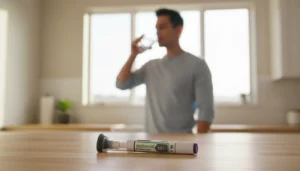
Zepbound is provided as a solution for subcutaneous injection. This means it is injected just under the skin. It comes in two primary forms:
- Single-dose prefilled pen: This user-friendly device is designed for ease of use, often concealing the needle from view, which can be helpful for those with needle apprehension.
- Single-dose vial: This form requires the use of a separate syringe and needle, which are not included with the vial. Your healthcare provider will guide you on how to properly draw the medication from the vial and administer it.
Regardless of the delivery method, your doctor or another qualified healthcare professional will provide thorough training on how to inject your dose of Zepbound safely and effectively at home. This training is a crucial part of our comprehensive service at TrimRx, ensuring you feel confident and supported in managing your treatment.
Injection Sites and Schedule
Zepbound is administered once weekly, and you have flexibility regarding the timing and location of your injection.
- Injection Sites: You can inject Zepbound into the skin of your stomach (abdomen), thigh, or the back of your upper arm. It is important to rotate your injection site with each dose. For example, if you injected into your thigh one week, choose your abdomen or upper arm the next week. This rotation helps prevent irritation and potential skin reactions at any single site. When injecting into the abdomen, avoid the area within two inches of your belly button. Always choose an area where the skin is healthy and free from tenderness, hardness, or irritation.
- Injection Schedule: You can take your Zepbound dose with or without food, at any time of day. However, it is generally recommended to pick a consistent day of the week that works best for your schedule. If you need to change your dosing day, ensure there are at least three days (72 hours) between doses.
Handling Missed Doses
Life happens, and sometimes a dose may be missed. If you miss a dose of Zepbound:
- Take it as soon as you remember, provided it’s within four days (96 hours) of your regularly scheduled dose.
- If more than four days have passed since your missed dose, it’s recommended to skip that missed dose and simply take your next dose on your regularly scheduled day.
- Crucially, do not take two doses of Zepbound within three days (72 hours) of each other to make up for a missed dose.
If you are ever unsure about how to manage a missed dose, always consult your healthcare provider or pharmacist for guidance. We encourage our patients at TrimRx to utilize reminder apps or notes to help maintain their weekly dosing schedule, ensuring consistency in their treatment.
Proper Storage and Safe Disposal
Correct storage and disposal are vital to maintain the medication’s integrity and ensure safety.
- Storage: Zepbound should be stored in the refrigerator, between 36°F to 46°F (2°C to 8°C). If necessary, a single-dose pen or vial can be stored at room temperature (up to 86°F or 30°C) for a maximum of 21 days. Once stored at room temperature, it should not be returned to the refrigerator. Discard any medication not used within 21 days after removing it from refrigeration. Never freeze Zepbound, and do not use it if it has been frozen. Always store Zepbound in its original carton to protect it from light.
- Disposal: Used Zepbound pens or needles and syringes must be disposed of safely in an FDA-cleared sharps disposal container immediately after use. Do not throw them in household trash. If a sharps container isn’t available, use a heavy-duty plastic household container with a tight-fitting, puncture-resistant lid. Follow your community guidelines for sharps disposal.
By adhering to these administration, storage, and disposal guidelines, you ensure the safe and effective use of your Zepbound medication.
Safety and Considerations with Zepbound: What You Need to Know
While Zepbound is a highly effective tool for weight management, it is a powerful medication with potential risks and side effects that must be carefully considered. Our commitment at TrimRx is to always prioritize your safety, providing transparent information and medically supervised care throughout your journey.
Boxed Warning: Thyroid C-Cell Tumors
Zepbound carries a Boxed Warning regarding the risk of thyroid C-cell tumors. In studies involving rats, tirzepatide caused dose-dependent and treatment-duration-dependent thyroid C-cell tumors at clinically relevant exposures. It is currently unknown whether Zepbound causes these tumors, including medullary thyroid carcinoma (MTC), in humans, as the human relevance of these findings has not been definitively determined.
- Contraindications: Zepbound is contraindicated in individuals with a personal or family history of MTC or in patients with Multiple Endocrine Neoplasia syndrome type 2 (MEN 2).
- Symptoms to Monitor: Patients should be counseled on the potential risk for MTC and informed of symptoms of thyroid tumors, such as a mass in the neck, difficulty swallowing (dysphagia), shortness of breath (dyspnea), or persistent hoarseness. If any of these symptoms occur, promptly seek medical attention. Routine monitoring of serum calcitonin or using thyroid ultrasound is of uncertain value for early detection in patients treated with Zepbound.
Severe Gastrointestinal Adverse Reactions
Gastrointestinal (GI) side effects are among the most common adverse reactions reported with Zepbound, sometimes severe. These can include nausea, diarrhea, vomiting, and constipation. These effects are often more pronounced when increasing the dose but tend to decrease over time.
- Management: It’s important to drink fluids to prevent dehydration. Eating smaller meals, avoiding fatty foods, and opting for bland foods can help manage nausea. If severe GI problems persist, inform your healthcare provider. Zepbound has not been studied in patients with severe gastrointestinal disease, including severe gastroparesis, and is therefore not recommended in these individuals.
Acute Kidney Injury
Use of Zepbound has been associated with acute kidney injury, which can arise from dehydration caused by severe gastrointestinal adverse reactions (nausea, vomiting, diarrhea). Monitoring renal function is important for patients experiencing these adverse reactions that could lead to volume depletion.
Acute Gallbladder Disease
Treatment with Zepbound and other GLP-1 receptor agonists is linked to an increased occurrence of acute gallbladder disease, including gallstones (cholelithiasis) and inflammation of the gallbladder (cholecystitis). If gallbladder issues are suspected, diagnostic studies and appropriate medical follow-up are necessary.
Acute Pancreatitis
Acute pancreatitis, a serious inflammation of the pancreas, has been observed in patients treated with GLP-1 receptor agonists and tirzepatide. Patients should be observed for signs and symptoms of pancreatitis, such as persistent, severe abdominal pain that may or may not be accompanied by vomiting. If suspected, Zepbound should be discontinued, and appropriate medical management initiated.
Hypersensitivity Reactions
Serious hypersensitivity reactions, including anaphylaxis and angioedema (severe swelling), have been reported. If these occur, patients should seek immediate medical attention and discontinue Zepbound. The medication should not be used in individuals with a known serious hypersensitivity to tirzepatide or any of its excipients.
Hypoglycemia (Low Blood Sugar)
Zepbound lowers blood glucose and can cause hypoglycemia, especially when used in combination with an insulin secretagogue (like a sulfonylurea) or insulin. Patients with type 2 diabetes should monitor their blood glucose levels and be aware of hypoglycemia symptoms. The risk of hypoglycemia may be lowered by reducing the dose of concurrently administered insulin or sulfonylurea.
Diabetic Retinopathy Complications
In patients with type 2 diabetes, rapid improvement in glucose control has been associated with a temporary worsening of diabetic retinopathy. Patients with a history of diabetic retinopathy should be carefully monitored for progression.
Suicidal Behavior and Ideation
Suicidal behavior and ideation have been reported with other weight management products. Patients treated with Zepbound should be monitored for the emergence or worsening of depression, suicidal thoughts or behaviors, and/or any unusual changes in mood or behavior. Zepbound should be discontinued in patients who experience suicidal thoughts or behaviors, and avoided in patients with a history of suicidal attempts or active suicidal ideation.
Pulmonary Aspiration During Procedures
Zepbound delays gastric emptying, and there have been rare reports of pulmonary aspiration (inhalation of gastric contents into the lungs) in patients receiving GLP-1 receptor agonists undergoing elective surgeries or procedures requiring general anesthesia or deep sedation. Patients should inform their healthcare providers about Zepbound use prior to any planned surgeries or procedures.
At TrimRx, patient safety is our utmost priority. Our medications, including Zepbound, are provided through FDA-registered and inspected pharmacies, ensuring quality and adherence to strict standards. When you engage with our services, a qualified healthcare professional will conduct a thorough review of your medical history, current health status, and any potential risks, including a discussion of all warnings and contraindications. This detailed assessment ensures that if Zepbound is prescribed, it is done so with a full understanding of your individual needs and health profile. Our commitment to transparent service means our comprehensive approach remains consistent, focusing on your well-being at every step.
The Journey to Sustainable Weight Loss with TrimRx
Embarking on a weight loss journey is a deeply personal experience, and at TrimRx, we are here to walk alongside you, offering not just solutions, but true partnership and unwavering support. Our empathetic, innovative, trustworthy, supportive, results-oriented, and personalized brand personality is woven into every aspect of our service. We blend advanced medical science with modern technology to deliver compassionate care that respects your unique path to a healthier lifestyle.
Personalized Pathways for Lasting Change
We understand that there’s no single solution for everyone, which is why we offer a diverse range of clinically proven, personalized weight loss options. Our prescription medications are designed for individuals seeking significant, medically supervised support. This includes:
- Compounded Semaglutide
- Oral Semaglutide
- Ozempic® (an FDA-approved branded semaglutide for type 2 diabetes, often used off-label for weight management)
- Compounded Tirzepatide
- Oral Tirzepatide
- Mounjaro® (an FDA-approved branded tirzepatide for type 2 diabetes)
- Zepbound® (an FDA-approved branded tirzepatide for chronic weight management and obstructive sleep apnea)
- Wegovy® (an FDA-approved branded semaglutide for chronic weight management)
To ensure you receive the safest and most effective treatment plan, we require all prospective patients to complete our [free assessment quiz]. This comprehensive evaluation helps our healthcare providers understand your health history, goals, and any potential contraindications, allowing them to craft a truly personalized and medically sound program. We want to be clear that while branded medications like Zepbound and Mounjaro are FDA-approved, any compounded medications we offer are prepared by FDA-registered and inspected pharmacies, ensuring quality and safety.
Immediate Support for Your Wellness
Beyond prescription medications, we recognize the value of immediate support for overall wellness during your weight loss journey. For those seeking readily accessible options to complement their health efforts, we offer two quick-access supplements that do not require a quiz:
- [GLP-1 Daily Support]: Designed to help support healthy glucose metabolism and appetite regulation.
- [Weight Loss Boost]: Formulated to aid in boosting metabolism and energy levels as part of a balanced lifestyle.
These supplements are available for immediate purchase, providing an additional layer of support as you work towards your health goals.
Our Commitment to You
At TrimRx, our comprehensive service extends far beyond just medication. When you choose us, you receive:
- Doctor Consultations: Personalized care from qualified healthcare professionals who guide your treatment.
- Lab Work: Essential diagnostics to monitor your health and progress.
- Unlimited Support: Ongoing access to our care team, ensuring all your questions are answered and you feel continuously supported.
- Medication: Prescription medications sourced from FDA-registered and inspected pharmacies.
- Shipping: Convenient delivery of your medication directly to your door.
- No Hidden Fees: Our transparent approach means you know exactly what to expect.
We are dedicated to making sustainable weight loss attainable and tailored to you, emphasizing safety, effectiveness, and individualized care. Our transparent service approach ensures that regardless of dosage changes or specific product choices, our commitment to your health remains unwavering.
Conclusion
Navigating the complexities of weight management requires both powerful tools and expert guidance. Understanding what the different doses of Zepbound offer, along with its administration and crucial safety information, empowers you to make informed decisions about your health. We’ve explored how this innovative medication, with its carefully titrated doses from 2.5 mg to 15 mg, works to support significant weight loss and health improvement, always emphasizing the personalized balance between efficacy and tolerability.
At TrimRx, we stand as your dedicated partner in this transformative journey. Our foundation is built on science, empathy, and transparency, ensuring that you receive medically supervised, personalized care tailored to your unique needs. We are committed to providing access to clinically proven solutions like Zepbound through our comprehensive programs, all delivered through FDA-registered and inspected pharmacies, prioritizing your safety and well-being.
Whether you’re exploring the possibility of prescription weight loss medication or seeking immediate support for your wellness, we invite you to take the next step. Discover if a personalized treatment plan, including options like Zepbound, is right for you by completing our [free assessment quiz]. For those looking for complementary support, explore our [GLP-1 Daily Support] and [Weight Loss Boost] supplements. Together, let’s embrace a healthier, more vibrant future.
Frequently Asked Questions (FAQs)
What is the typical starting dose of Zepbound and how often is it increased?
The typical starting dose for Zepbound is 2.5 mg injected once weekly for four weeks. After this initial period, your healthcare provider will usually increase the dose to 5 mg once weekly. Subsequent doses are generally increased by 2.5 mg increments approximately every four weeks, based on your response to the medication and how well you tolerate it. This gradual titration helps minimize potential side effects.
Can I choose to start on a higher dose of Zepbound for faster results?
No, Zepbound dosage must always begin at 2.5 mg once weekly for four weeks. This conservative starting dose and gradual titration schedule are crucial for your body to adjust to the medication and to reduce the risk of gastrointestinal side effects such as nausea, vomiting, and diarrhea. Skipping doses or starting at a higher dose can lead to intolerable side effects and is not recommended by healthcare providers or the manufacturer.
What is the maximum dose of Zepbound, and is it always the most effective for everyone?
The maximum approved dose of Zepbound is 15 mg once weekly. While clinical trials showed that the 15 mg dose produced the greatest average weight loss, it is not always the “best” dose for every individual. The most effective dose is highly personalized, balancing significant weight loss with patient tolerability and side effect profiles. Many patients achieve excellent results and better tolerability with intermediate doses, such as 5 mg or 10 mg. Your healthcare provider will work with you to find the optimal maintenance dose that fits your body’s needs.
How does Zepbound compare to Mounjaro in terms of active ingredient and dosing?
Both Zepbound and Mounjaro contain the same active ingredient, tirzepatide, and are administered as once-weekly subcutaneous injections. They share similar dosing strengths and titration schedules. However, the key difference lies in their FDA-approved indications. Zepbound is FDA-approved for chronic weight management in adults with obesity or overweight and related conditions, and for obstructive sleep apnea. Mounjaro is FDA-approved to improve blood sugar control in adults with type 2 diabetes mellitus. While they share the same active compound, their distinct indications mean they are prescribed for different primary health conditions.

Transforming Lives, One Step at a Time
Keep reading

How to Get Zepbound in Texas: Your Guide
Getting Zepbound in Texas is straightforward once you know your options. You can get a prescription through a telehealth provider from home, through your…

How to Get Zepbound in California: Where to Start
Zepbound (tirzepatide) is available to California residents through your primary care provider, a weight loss clinic, or a telehealth service that prescribes and delivers…
Stopping Zepbound: Managing the Transition
When you stop taking Zepbound, your appetite returns to pre-medication levels within a few weeks and most people regain a meaningful portion of their…


