What Diet Is Best When Taking Mounjaro for Success
Introduction
Starting a weight loss journey with a medication like Mounjaro® often brings a sense of relief, but it also sparks a new set of questions. You might notice that your “food noise”—those constant, intrusive thoughts about your next snack—has suddenly gone quiet. While the medication does the heavy lifting of regulating your appetite, what you put on your plate still matters for your long-term vitality. Many people find themselves staring at the fridge, wondering if they should stick to a specific plan or if the medication allows for more flexibility. At TrimRx, we believe that understanding the relationship between your medication and your nutrition is the key to sustainable, healthy results. If you want a clearer next step, complete our free assessment quiz to see whether a personalized prescription program fits your goals. This post covers the specific food groups to prioritize, which items might trigger side effects, and how to build a lifestyle that supports your metabolic health.
Quick Answer: There is no single “official” diet for this medication, but the most effective approach focuses on high protein, high fiber, and low sugar. Prioritizing nutrient-dense whole foods helps preserve muscle mass and minimizes common digestive side effects while the medication works to regulate your blood sugar and appetite.
How the Medication Changes Your Relationship with Food
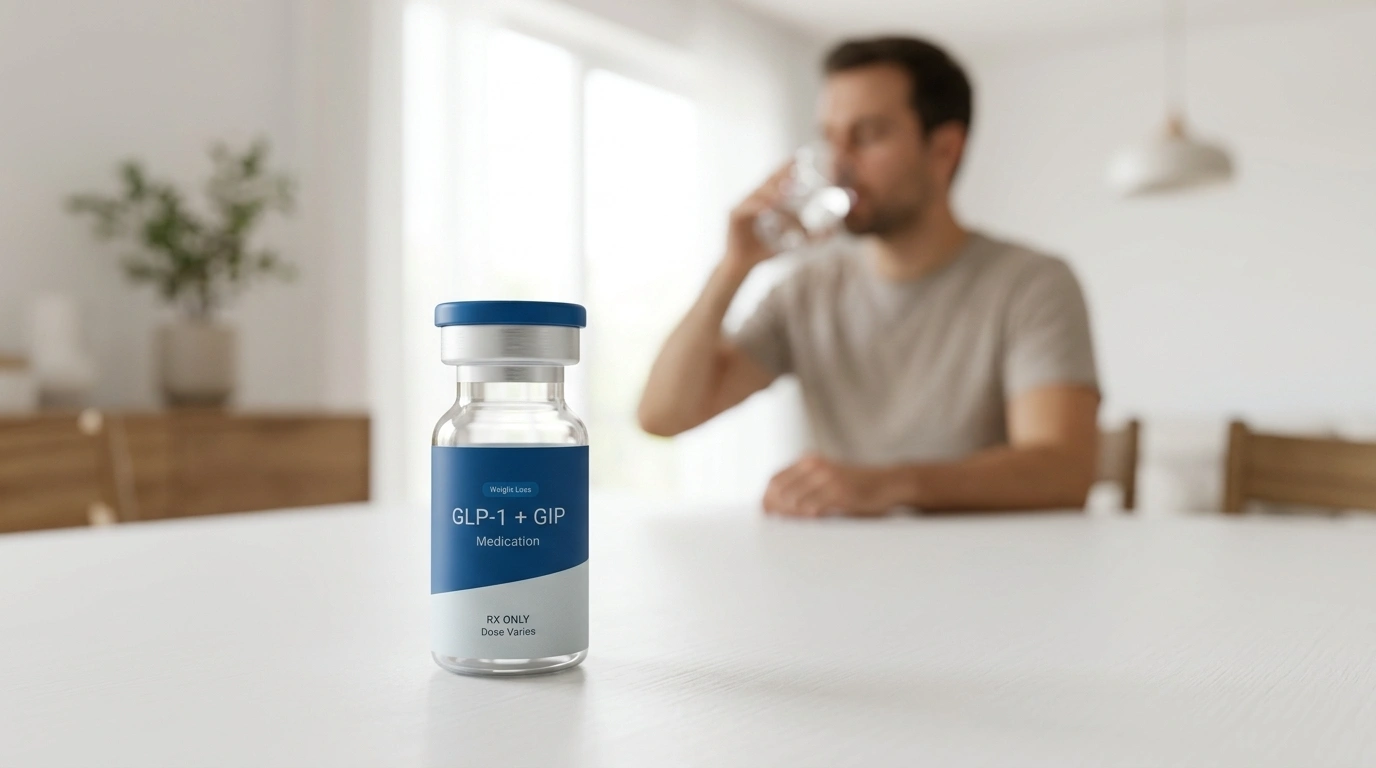
To understand what diet is best when taking Mounjaro, it is helpful to look at how GLP-1 actually works for weight loss. Tirzepatide is a dual agonist. This means it mimics two natural hormones: glucagon-like peptide-1 (GLP-1) and glucose-dependent insulinotropic polypeptide (GIP). These hormones coordinate how your body handles insulin and how quickly your stomach empties.
When these pathways are activated, your digestion slows down significantly. This “delayed gastric emptying” is why you feel full for hours after a small meal. It also sends signals to the brain that reduce cravings. Because you will likely be eating smaller portions, every bite needs to carry more nutritional weight. You are essentially working with a smaller “fuel tank,” so the quality of that fuel becomes the priority.
The Cornerstones of a Supportive Diet
While there is no “forbidden” list, certain food groups provide the foundation for a successful experience. Focusing on these building blocks ensures that the weight you lose comes primarily from fat rather than precious muscle tissue.
Prioritizing Lean Protein
Protein is arguably the most critical component of your daily intake. When you lose weight rapidly, your body may try to break down muscle for energy. Consuming adequate protein helps protect your lean muscle mass, which is vital for keeping your metabolism high. For a deeper dive, see what protein is best for weight loss.
Aim for a variety of lean sources throughout the day:
- Poultry: Skinless chicken breast and turkey are excellent low-fat options.
- Seafood: White fish like cod or tilapia, as well as fatty fish like salmon, provide protein and heart-healthy fats.
- Plant-Based: Lentils, chickpeas, tofu, and tempeh offer protein along with beneficial fiber.
- Dairy: Low-fat Greek yogurt and cottage cheese are convenient, high-protein snacks.
Embracing Non-Starchy Vegetables
Since your appetite is reduced, you want to focus on foods that offer high volume and high nutrition without being too heavy. Non-starchy vegetables are packed with vitamins, minerals, and antioxidants. They also provide the fiber necessary to keep your digestive system moving.
Consider filling half your plate with:
- Leafy greens (spinach, kale, arugula)
- Cruciferous vegetables (broccoli, cauliflower, Brussels sprouts)
- Hydrating vegetables (cucumbers, bell peppers, zucchini)
Choosing Complex Carbohydrates
Carbohydrates are your body’s primary energy source, but not all carbs are created equal. When your digestion is slowed, simple sugars can cause unwanted blood sugar spikes and crashes. For a broader framework, the GLP-1 diet offers a useful way to think about smarter carb choices. Complex carbohydrates, or “slow carbs,” provide steady energy.
Look for:
- Quinoa and buckwheat
- Steel-cut or rolled oats
- Berries (which are lower in sugar and higher in fiber than tropical fruits)
- Sweet potatoes
Key Takeaway: Because your total food intake will decrease, focusing on a “protein-first” mindset ensures you maintain muscle strength and metabolic health throughout your weight loss journey.
Foods to Approach with Caution
One of the most important aspects of knowing what diet is best when taking Mounjaro is identifying “trigger foods.” Because the medication slows down how fast food leaves your stomach, heavy or greasy foods can sit in your system longer than usual, leading to discomfort.
High-Fat and Fried Foods
Fried chicken, greasy burgers, and heavy cream sauces are often the primary culprits for nausea and indigestion. When fatty foods linger in a stomach that is already emptying slowly, it can lead to a feeling of extreme heaviness, acid reflux, or “sulfur burps.” It is often best to bake, grill, or air-fry your meals instead.
Sugary Drinks and Refined Sweets
Liquid calories from soda, sweetened coffee, or excessive fruit juice do not provide satiety. Since your goal is to maximize nutrition in smaller portions, these “empty calories” can slow your progress. Additionally, highly processed sweets can sometimes trigger dumping syndrome or significant nausea in some individuals.
Ultra-Processed Snacks
Items like chips, crackers, and white bread are often low in fiber and nutrients. They can lead to constipation, which is a frequent concern for those on GLP-1 and GIP medications. Swapping these for a handful of almonds or a piece of fruit can make a significant difference in how you feel daily.
Managing Side Effects Through Nutrition
Many of the common GLP-1 side effects associated with tirzepatide can be mitigated or managed by adjusting your eating habits. You do not have to just “tough it out.”
Handling Nausea
If you feel nauseous, especially in the days following your injection, try these strategies:
- Eat smaller, more frequent meals: Instead of three large meals, try five “mini-meals.”
- Choose bland foods: The BRAT diet (bananas, rice, applesauce, toast) can be helpful during brief periods of sensitivity.
- Stop before you are full: Because of the delay in signals between the gut and brain, you might actually be full before you feel it. Eating slowly helps you catch the “stop” signal early.
Preventing Constipation
Slower digestion means waste stays in the colon longer, which can lead to constipation.
- Increase fiber slowly: Adding too much fiber at once can cause gas. Gradually increase your intake of beans, seeds, and vegetables.
- Stay hydrated: Fiber needs water to do its job. Without enough fluid, fiber can actually make constipation worse.
- Movement: Even a short walk after a meal can help stimulate the digestive tract.
The Role of Hydration and Electrolytes
Water is essential for every metabolic process in the body, including fat burning. When taking these medications, many people find their thirst cues are also diminished. You may need to be intentional about drinking water even if you don’t feel thirsty.
Dehydration can mimic the feelings of hunger and can lead to fatigue or headaches. Some individuals find that the Weight Loss Boost supplement can provide energy support during weight loss, especially during the first few weeks of treatment as the body adjusts to a lower caloric intake.
Integrating the TrimRx Personalized Program
Every body reacts differently to medication and nutrition changes. This is why a “one size fits all” meal plan rarely works for everyone. At TrimRx, our approach is centered on the idea that your weight loss program should be as unique as your health profile. Our telehealth-based platform connects you with licensed providers who understand the nuances of GLP-1 and GIP treatments. For nutritional support during treatment, the GLP-1 Daily Support supplement is designed to complement that kind of plan.
When you start a program through our platform, you aren’t just getting a prescription; you are gaining access to a dedicated team. We provide the clinical oversight and personalized guidance needed to navigate dose changes and nutritional adjustments without ever needing to step into a waiting room. If you want to see whether prescription treatment is a fit, complete our free assessment quiz to get started with a personalized plan. This specialized support helps you stay on track even when you encounter plateaus or side effects.
| Food Category | Best Choices | Limit or Avoid |
|---|---|---|
| Proteins | Chicken, Fish, Tofu, Greek Yogurt, Eggs | Fatty Ribeye, Fried Chicken, Salami |
| Carbs | Berries, Quinoa, Oats, Sweet Potato | White Bread, Pastries, Sugary Cereal |
| Fats | Avocado, Olive Oil, Raw Nuts, Seeds | Butter, Lard, Heavy Cream, Fried Foods |
| Beverages | Water, Herbal Tea, Sparkling Water | Soda, Sweetened Latte, Excess Alcohol |
A Sample Day of Nutrient-Dense Eating
This example illustrates how to balance nutrients while keeping portions manageable. This is a general framework and should be adjusted based on your specific hunger levels and provider recommendations.
Breakfast: The Protein Starter
- Half a cup of low-fat Greek yogurt topped with a handful of blueberries and a tablespoon of chia seeds. This provides protein, antioxidants, and healthy fats to start the day.
Lunch: The Fiber-Rich Lean Green
- A spinach salad with 4 ounces of grilled chicken breast, cucumbers, cherry tomatoes, and a light vinaigrette made with olive oil and lemon.
Afternoon Snack: The Quick Refuel
- A hard-boiled egg or a small apple with a teaspoon of almond butter. This helps maintain steady energy levels until dinner.
Dinner: The Balanced Plate
- 3 to 4 ounces of baked salmon served with half a cup of quinoa and a generous portion of roasted asparagus.
Hydration Goal:
- At least 64 to 80 ounces of water throughout the day, sipped slowly between meals rather than gulped during meals, which can contribute to a feeling of over-fullness.
Strategies for Long-Term Success
Success with Mounjaro is not just about what you eat during the months you are taking the medication; it is about the habits you build for the future.
- Mindful Eating: Pay close attention to how your body feels after certain foods. Keeping a simple food journal for the first few weeks can help you identify which foods make you feel energized and which ones cause sluggishness or bloating.
- Don’t Skip Meals: Even if you aren’t hungry, try to eat small amounts of protein-rich food. Skipping meals entirely can lead to a drop in blood sugar and significant fatigue.
- Focus on Nutrient Density: Since you are eating less, every calorie should “count.” Opt for whole foods over packaged “diet” foods whenever possible.
- Consult Your Provider: If you find you cannot eat enough to maintain your energy or if side effects are preventing you from consuming a balanced diet, the GLP-1 Daily Support supplement may be worth discussing with your healthcare professional.
Key Takeaway: Weight loss is a marathon, not a sprint. Using this time to learn how your body responds to healthy, whole foods will serve you long after you reach your goal weight.
Conclusion
Determining what diet is best when taking Mounjaro involves listening to your body and prioritizing the nutrients that support metabolic health. By focusing on lean proteins, fiber-rich vegetables, and complex carbohydrates while avoiding greasy or sugary triggers, you can maximize your results and minimize discomfort. Remember that this journey is personal, and your nutritional needs may evolve as your body changes.
At TrimRx, we are committed to helping you navigate these changes with science-backed guidance and a personalized approach. Our mission is to provide you with the tools, medication access, and expert support necessary to transform your health through a telehealth experience that is both empathetic and transparent. Sustainable weight loss is within reach when you combine advanced clinical treatments with the right lifestyle foundations.
Ready to start your journey? Your first step is to complete our free assessment quiz to see if a personalized prescription program is right for your health goals.
FAQ
Do I need to follow a low-carb or keto diet while on Mounjaro?
No, you do not need to follow a strictly low-carb or keto diet. While reducing refined sugars is helpful for blood sugar management, complex carbohydrates like oats and berries provide essential fiber and energy that can help you feel better during treatment. If you want help deciding whether a prescription program is appropriate for you, complete our free assessment quiz.
Is it safe to drink alcohol while taking this medication?
While there is no direct contraindication, it is generally recommended to limit alcohol. Alcohol can worsen gastrointestinal side effects like nausea and provides “empty calories” that may slow your weight loss progress. Additionally, alcohol can increase the risk of low blood sugar in some individuals.
Why is protein so important if I am already losing weight?
Protein is essential to prevent muscle wasting. When you lose weight quickly on GLP-1 or GIP medications, a portion of that weight can come from muscle. Eating enough protein, combined with light resistance exercise, ensures that your weight loss is primarily from fat stores.
What should I eat if I have zero appetite at all?
If your appetite is extremely low, focus on small, nutrient-dense snacks rather than large meals. High-quality protein shakes or a small serving of Greek yogurt can help you get the necessary nutrients without feeling overwhelmed by a large plate of food. If this persists, complete our free assessment quiz to see whether a personalized prescription program is right for you.
Disclaimer: This content is for informational purposes only and does not constitute medical advice. It is not intended to diagnose, treat, cure, or prevent any disease or condition. Individual results may vary. Always consult a qualified healthcare professional before starting any weight loss program or medication.

Transforming Lives, One Step at a Time
Keep reading

Mounjaro Alternatives: What Else to Consider
If Mounjaro isn’t the right fit, the closest alternatives are other GLP-1 medications, chiefly semaglutide (Ozempic for diabetes, Wegovy for weight), along with a…

Mounjaro vs Zepbound: Same Drug, Two Brands
Like their semaglutide counterparts, Mounjaro and Zepbound are the same medication (tirzepatide) sold under two names for two purposes: Mounjaro is approved for type…

Retatrutide vs Mounjaro: Triple Agonist vs Dual Agonist
The core difference between retatrutide and Mounjaro comes down to how many hormone targets each hits: retatrutide activates three receptors, while Mounjaro (tirzepatide) activates…


