What Diet Is Best When Taking Ozempic?
Introduction
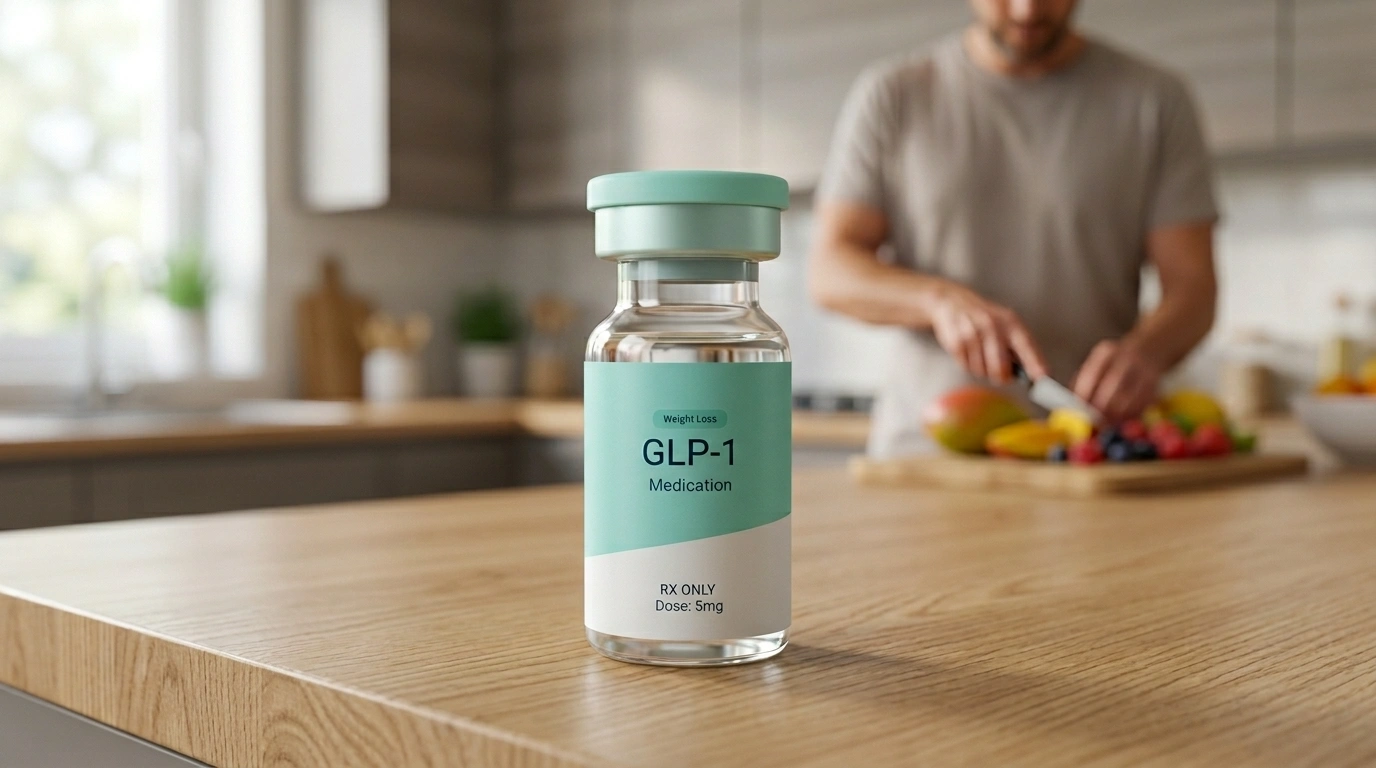
Starting a weight loss journey with a GLP-1 medication often brings a mix of excitement and uncertainty. You might notice that your “food noise”—those constant, intrusive thoughts about your next meal—has finally quieted down. However, this new lack of appetite often leads to a common question: what diet is best when taking Ozempic? While the medication is a powerful tool for metabolic health, it works most effectively when paired with a thoughtful approach to nutrition.
At TrimRx, we believe that personalized support is the key to sustainable results. We help individuals navigate these changes by providing access to medical consultations and customized programs. If you want to see whether a personalized program is a good fit, you can complete the free assessment quiz. This article will cover the essential nutrients you need, which foods to avoid to minimize side effects, and how to build a plate that supports your long-term goals. The best diet for this journey is one that prioritizes nutrient density, protects your muscle mass, and stays gentle on your digestive system.
How GLP-1 Medications Change Your Relationship with Food
To understand why your diet needs to shift, it helps to know how medications like Ozempic® (a branded semaglutide) affect your body. Semaglutide is a GLP-1 receptor agonist. This means it mimics a hormone your body naturally produces called glucagon-like peptide-1. For a deeper look at the science, read how GLP-1 works.
This hormone performs several roles. It tells your pancreas to release insulin after you eat, which helps manage blood sugar. It also acts on the brain to increase feelings of fullness and reduce hunger. Most importantly for your diet, it slows down gastric emptying. This is the technical term for how fast food leaves your stomach and enters your small intestine.
Key Takeaway: Because your stomach stays full longer, you will naturally eat smaller portions. This makes every bite you take more important for your overall nutrition.
Prioritizing Protein for Muscle Preservation
When you lose weight quickly, your body does not just lose fat. It also loses lean muscle mass. Maintaining muscle is vital because muscle tissue burns more calories at rest than fat tissue does. If you lose too much muscle, your metabolism may slow down, making it harder to maintain your weight loss later.
For individuals with a high BMI who are beginning a program, consuming adequate protein is the top priority. Protein provides the building blocks—amino acids—that your body needs to repair and maintain muscle fibers. If you want a more detailed breakdown, see the best protein for weight loss.
Excellent Sources of Lean Protein
- Poultry: Chicken and turkey are high-quality proteins that are generally easy to digest.
- Fish: Salmon, tuna, and cod provide protein along with heart-healthy omega-3 fatty acids.
- Plant-Based Options: Tofu, tempeh, and edamame are excellent for those following a vegetarian or vegan lifestyle.
- Legumes: Lentils and beans offer a dual benefit of protein and high fiber.
- Dairy: Greek yogurt and cottage cheese are convenient, high-protein snacks.
We recommend aiming for a protein source at every meal. If you find yourself getting full very quickly, try eating the protein portion of your meal first. This ensures you get the most critical nutrients before your appetite disappears.
The Role of Fiber in Digestive Comfort
One of the most frequent side effects of GLP-1 medications is constipation. Because the medication slows down the movement of the digestive tract, waste can stay in the colon longer, leading to discomfort. Fiber is the part of plant foods that your body cannot digest, and it plays a major role in keeping things moving. If constipation is your main concern, how to relieve constipation on GLP-1 covers practical ways to stay comfortable.
Types of Fiber to Include
There are two main types of fiber, and both are beneficial. Soluble fiber dissolves in water and can help manage blood sugar levels. Insoluble fiber adds bulk to the stool and helps prevent constipation.
- Vegetables: Broccoli, Brussels sprouts, carrots, and leafy greens like spinach.
- Fruits: Berries (raspberries have some of the highest fiber content), apples with the skin, and pears.
- Whole Grains: Quinoa, oats, brown rice, and farro.
- Seeds: Chia seeds and flaxseeds can easily be added to yogurt or smoothies.
Note: If you are not used to a high-fiber diet, increase your intake slowly. Adding too much fiber too fast can cause temporary bloating or gas.
Why Hydration Is More Important Than Ever
When your appetite decreases, your thirst signals can also weaken. Many people taking GLP-1s find they simply forget to drink water. However, staying hydrated is essential for several reasons. Water helps the fiber you eat do its job, it supports kidney function, and it can help reduce the feelings of nausea that some patients experience. For a broader guide, see optimal hydration for weight loss.
We suggest carrying a reusable water bottle throughout the day. If plain water feels unappealing, try infusing it with cucumber, lemon, or mint. Avoid relying on sugary sodas or energy drinks, as these can cause blood sugar spikes that interfere with your progress.
Foods to Limit or Avoid
While no food is strictly forbidden, certain items are known to trigger or worsen the side effects of GLP-1 medications. Because your digestion is slower, heavy or irritating foods sit in your stomach for a longer period.
High-Fat and Greasy Foods
Fried chicken, heavy cream sauces, and fatty cuts of red meat take a long time to digest. When these foods sit in the stomach, they often lead to intense nausea, bloating, and acid reflux. Many patients find that “heavy” meals they used to enjoy now make them feel physically ill.
Refined Carbohydrates and Added Sugars
Foods like white bread, sugary cereals, pastries, and candy can cause rapid changes in blood sugar. Since your medication is working to stabilize your glucose levels, eating high-sugar foods can work against the treatment. These “empty calories” also provide very little of the nutrition your body needs while eating in a calorie deficit.
Alcohol
Alcohol can be a double-edged sword when taking weight loss medication. It is high in empty calories and can lower your inhibitions, making it harder to stick to your nutritional goals. Additionally, alcohol can irritate the stomach lining and increase the risk of low blood sugar (hypoglycemia) in some individuals.
Carbonated Beverages
Soda and sparkling water introduce gas into the digestive system. For someone with slowed digestion, this gas can become trapped, leading to painful bloating and frequent burping.
Managing Common Side Effects Through Diet
If you experience side effects, your food choices can act as a form of “lifestyle medicine” to help you feel better.
Dealing with Nausea
Nausea is the most common side effect reported by those starting GLP-1 therapy. To manage it:
- Eat smaller, more frequent meals: Instead of three large meals, try five small “mini-meals.”
- Choose bland foods: Crackers, toast, rice, or bananas can be easier on a sensitive stomach.
- Sip ginger tea: Ginger is a natural anti-nausea remedy that is safe for most people.
- Avoid lying down after eating: Give your body at least two hours to digest before heading to bed.
For more practical guidance, strategies for managing GLP-1 nausea offers a deeper look at this symptom.
Managing Constipation
If things feel backed up, focus on the “three pillars” of regularity:
- Fiber: Increase your intake of vegetables and legumes.
- Fluid: Drink significantly more water than you think you need.
- Movement: A 15-minute walk after meals can help stimulate the muscles in your digestive tract.
Bottom line: Side effects are often manageable with simple dietary adjustments, but you should always consult a licensed healthcare provider if they become severe or persistent.
The Mediterranean Approach: A Gold Standard
While there is no official “Ozempic diet,” many healthcare professionals recommend a Mediterranean-style eating pattern. This approach is not a restrictive diet but rather a way of choosing foods that align with better metabolic health.
The Mediterranean diet focuses on:
- Healthy Fats: Using olive oil instead of butter or lard.
- Plant-Forward Eating: Making vegetables and fruits the star of the plate.
- Whole Grains: Avoiding processed flours.
- Moderate Protein: Focusing on fish and poultry over red meat.
This pattern is naturally high in fiber and protein while being low in the processed sugars and saturated fats that tend to cause GI distress. It is a sustainable way of eating that supports heart health and weight maintenance.
Understanding Personalized Support
Every body responds differently to medication. An eating plan that works for one person might not be right for another. This is why a personalized program is so important. If you want a step-by-step overview, GLP-1 weight loss programs for beginners can help you understand how these programs are structured. At TrimRx, we connect you with providers who take your medical history, current health status, and goals into account.
Our platform offers access to compounded medications, such as compounded semaglutide and compounded tirzepatide. These are prepared in FDA-registered and inspected compounding pharmacies. While these compounded versions are not FDA-approved themselves, they provide a flexible option for many patients under the guidance of a licensed professional. Our mission is to provide a transparent, supportive environment where you can access the care you need without the frustration of waiting rooms.
Practical Tips for Your Daily Routine
Building new habits takes time. Here are a few steps you can take to make your new diet feel more manageable:
- Step 1: Plan your protein. Before you start your day, identify what your protein sources will be for lunch and dinner.
- Step 2: Use smaller plates. Because your portions will naturally decrease, using a smaller plate can help you feel more satisfied visually.
- Step 3: Chew thoroughly. Digestion begins in the mouth. Since your stomach is working slower, giving it “pre-processed” food by chewing well can reduce bloating.
- Step 4: Listen to your body. Stop eating the moment you feel full. Pushing through to finish a plate often leads to significant discomfort later.
Key Takeaway: The goal is not perfection, but consistency. Focus on adding more “good” foods rather than obsessing over “bad” ones.
The Importance of Micronutrients
When you are eating significantly fewer calories, you are also consuming fewer vitamins and minerals. It is important to ensure you are getting enough:
- Vitamin B12: Essential for energy and nerve function.
- Magnesium: Helps with muscle function and can assist with regularity.
- Calcium and Vitamin D: Critical for maintaining bone density during weight loss.
Some individuals find that targeted supplements, like our GLP-1 Daily Support supplement, can help bridge the gap and ensure the body has what it needs to thrive during a calorie deficit.
Conclusion
The “best” diet while taking a GLP-1 medication like Ozempic is one that respects your body’s new, slower pace of digestion. By focusing on high-quality protein to protect your muscles, fiber to support your gut, and plenty of water to keep your systems running, you can maximize the benefits of your treatment. Avoid the greasy, sugary triggers that lead to discomfort, and embrace a Mediterranean-style approach to eating that can last a lifetime.
At TrimRx, we are committed to being your partner in this process. We provide the medical supervision, high-quality compounded medications, and ongoing support needed to turn a temporary treatment into a permanent lifestyle change. Our telehealth-first model ensures that expert guidance is always within reach, helping you feel empowered every step of the way.
If you are ready to see which personalized program is right for you, start with the free assessment quiz today.
FAQ
Can I eat whatever I want as long as I take the medication?
While the medication will reduce your appetite regardless of what you eat, your results and comfort levels will depend heavily on your diet. Eating high-fat or sugary foods can cause severe nausea and may slow your weight loss progress. Focusing on nutrient-dense foods ensures you lose fat while keeping your muscle and energy levels high.
Why do I feel so nauseous after eating even a small amount of fried food?
GLP-1 medications slow down your stomach’s emptying process. Fried and greasy foods already take longer to digest than proteins or vegetables. When you combine the two, the fat sits in your stomach for an extended period, which frequently triggers nausea, acid reflux, and a feeling of heavy discomfort.
Do I need to take a multivitamin while on a GLP-1?
Because you are likely consuming much smaller portions, it can be difficult to get all your daily vitamins and minerals from food alone. Many healthcare providers recommend a high-quality multivitamin or specific supplements, like our Weight Loss Boost supplement, to support your metabolism and ensure your body isn’t missing essential nutrients during your weight loss journey.
Is it normal to be constipated while taking this medication?
Yes, constipation is a very common side effect because the medication slows the movement of your digestive system. You can usually manage this by significantly increasing your water intake and eating more high-fiber foods like lentils, beans, and leafy greens. If constipation persists, you should consult with your healthcare provider about safe over-the-counter options.
Disclaimer: This content is for informational purposes only and does not constitute medical advice. It is not intended to diagnose, treat, cure, or prevent any disease or condition. Individual results may vary. Always consult a qualified healthcare professional before starting any weight loss program or medication.

Transforming Lives, One Step at a Time
Keep reading
I Took My Ozempic Two Days in a Row by Accident
Call for guidance now rather than waiting to see how you feel. In the United States, Poison Control is available free and around the…

Why Does My Ozempic Injection Sting More Some Weeks Than Others?
Because more variables change between injections than most people realize. Temperature of the medication, which site you used, how deep the needle went, how…

How to Store Your Ozempic Pen During a Power Outage
Keep the refrigerator door closed. An unopened refrigerator holds a safe temperature for roughly four hours, and a full freezer holds for considerably longer….


