What Does Taking Mounjaro Feel Like? A Real-World Guide
Introduction
If you have spent years struggling with a constant mental loop about your next meal, you know how exhausting “food noise” can be. For many, the weight loss journey feels like a battle of willpower that never ends. When you begin a program involving medications like Mounjaro®, the most pressing question is often: what does it actually feel like on a daily basis? At TrimRx, we understand that starting a new clinical treatment can bring a mix of excitement and apprehension. You want to know if the physical and mental shifts will be manageable and how they will support your long-term goals. This article provides a realistic look at the sensations, side effects, and milestones you might experience while taking this medication. Our goal is to help you navigate this transition with confidence through a personalized, medically supervised approach.
If you want to see whether this treatment path fits your goals, see if you qualify for a personalized program.
The Science of the Sensation
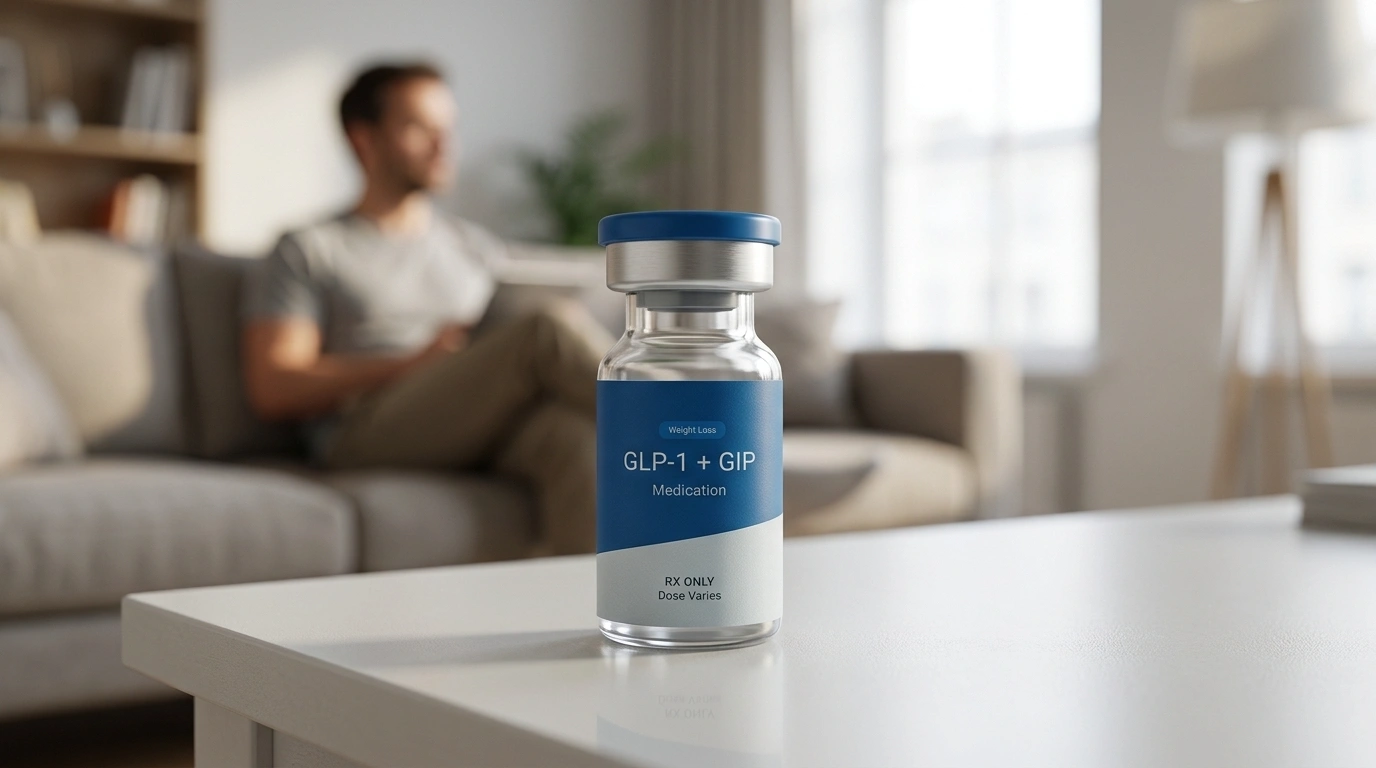
To understand the feeling of being on this medication, you first have to understand how it interacts with your biology. Mounjaro® is the brand name for tirzepatide, a medication known as a dual agonist. It mimics two different hormones in your body: glucagon-like peptide-1 (GLP-1) and glucose-dependent insulinotropic polypeptide (GIP). For a deeper breakdown of the hormone pathways involved, see Understanding How Tirzepatide Works: A Comprehensive Guide.
A receptor agonist is a substance that binds to a receptor in the body and triggers a specific response. By activating both GLP-1 and GIP receptors, the medication works on two fronts. It helps your pancreas release the right amount of insulin and tells your brain that you are satisfied. If you want a plain-English explanation of the hormone itself, What Does GLP-1 Do? A 2026 Look at This Game-Changing Hormone is a useful companion read.
The Brain-Gut Connection
The most immediate change is often a shift in how you perceive hunger. GLP-1 slows down gastric emptying, which is the process of food leaving your stomach. When food stays in your stomach longer, you feel physically full for an extended period. Meanwhile, the GIP component works with the brain’s reward centers. This combination can change your emotional relationship with food, making it easier to make healthy choices without feeling deprived.
Key Takeaway: Because tirzepatide targets two different hormone pathways, it provides a comprehensive “fullness” sensation that affects both the physical stomach and the mental urge to eat.
The “Food Noise” Phenomenon
One of the most common descriptions from people starting this journey is the disappearance of “food noise.” If you have ever felt like your brain is constantly scanning for snacks or planning your next meal even while you are eating one, you have experienced food noise. You can read more in How GLP-1 Medications Can Help Stop Food Noise.
When the medication begins to work, that background hum often goes silent. You might find yourself mid-afternoon realizing you haven’t thought about the vending machine once. This mental clarity is often cited as the most significant “feeling” of the medication. It isn’t just about eating less; it is about the freedom from the constant preoccupation with food.
A Week-by-Week Timeline of Feelings
Everyone’s body reacts differently to medication, but there is a common pattern that many individuals follow during their first month.
Week 1: The Initial Shift
During the first week, you may feel a sense of “instant” satiety. Within 8 to 72 hours of your first dose, the medication reaches its peak level in your system. You might notice that you cannot finish a meal that you usually would have finished with ease.
Some people also experience mild “first-dose” side effects. These can include a slight headache or a bit of queasiness. This is your body’s way of adjusting to the new hormonal signals. Most people find that staying hydrated and eating small, protein-rich meals helps manage these early sensations.
Weeks 2 and 3: Finding a New Normal
By the second and third weeks, the physical sensation of fullness usually becomes more consistent. You may find that your cravings for high-fat or high-sugar foods begin to diminish. This is because the dual-action mechanism of tirzepatide can change how your brain perceives the “reward” of these foods.
You might also feel a bit more tired than usual. This “fatigue” is often a result of your body taking in fewer calories than it is used to. At TrimRx, we encourage our members to focus on nutrient density during this time to ensure their energy levels remain stable as their body adapts.
Week 4 and Beyond: The Cumulative Effect
By the end of the first month, your body has usually reached a steady state with the starting dosage. You may have lost some weight, but more importantly, you have likely established a new rhythm of eating. If you have tolerated the medication well, a licensed provider might discuss increasing your dose. Each increase can bring a temporary return of mild side effects, but the overarching feeling is typically one of steady, sustainable control.
Managing the Physical Side Effects
It is important to be honest about the fact that GLP-1 and GIP medications can cause side effects. Most of these are gastrointestinal in nature because the medication is directly affecting your digestive tract. For a practical side-effect guide, Nausea and GLP-1 Medications: Solutions That Work goes deeper.
Common Side Effects include:
- Nausea: This is the most frequently reported sensation. It often feels like a mild “sea-sickness” and usually happens right after a dose or if you overeat.
- Constipation or Diarrhea: Because the speed of your digestion is changing, your bowel habits may shift.
- Heartburn or Indigestion: Slower gastric emptying means food sits in the stomach longer, which can sometimes lead to acid reflux.
Note: If you experience severe abdominal pain, persistent vomiting, or signs of an allergic reaction like hives or swelling, you should contact a healthcare professional immediately.
Why Side Effects Happen
The side effects are often a direct result of the medication doing exactly what it is designed to do. For example, nausea often occurs because your stomach is full, but your brain hasn’t fully registered the “stop” signal yet. If you continue to eat past the point of satiety, your body reacts. Learning to listen to the new, subtle cues of your body is a key part of the process.
The Difference Between Branded and Compounded Options
When exploring this treatment, you will encounter different versions of the medication. Branded medications like Mounjaro® and Zepbound® are FDA-approved for specific conditions like type 2 diabetes or chronic weight management.
Our platform connects patients with licensed providers who can prescribe these branded medications to be filled at your local pharmacy. We also provide access to Compounded Tirzepatide.
Important: Compounded medications are not FDA-approved. However, they are prepared and shipped by FDA-registered and inspected compounding pharmacies. These pharmacies follow strict quality standards to ensure you receive a high-quality product that contains the same active ingredient as the branded versions.
The “feeling” of the medication should be consistent whether you are using a branded or compounded version, as the active ingredient—tirzepatide—is the same. Our personalized programs at TrimRx ensure that regardless of which version you use, you are under the care of a specialist who can help you manage your dosage and side effects.
Maximizing the Experience
To feel your best while on a tirzepatide program, lifestyle choices play a massive role. The medication is a powerful tool, but it works most effectively when supported by healthy habits.
Step 1: Prioritize Protein
Because you are eating less, every bite counts. The Best Foods for Weight Loss: What Our Experts Say is a helpful companion if you want a fuller nutrition roadmap.
Step 2: Hydrate Constantly
Many people mistake thirst for hunger. Furthermore, staying hydrated is essential for avoiding common side effects like headaches and constipation. Try to carry a water bottle with you throughout the day.
Step 3: Eat Smaller, Frequent Meals
Since your stomach empties more slowly, a large meal can feel very heavy and cause discomfort. Many individuals find that eating four or five small snacks or mini-meals is more comfortable than three large sittings.
Step 4: Incorporate Supplements if Needed
Some people find that additional support helps manage the transition. Products like GLP-1 Daily Support supplement can help provide the vitamins and nutrients your body needs when your caloric intake is lower.
If you feel like your metabolism needs an extra nudge, a Weight Loss Boost supplement may be helpful.
The Mental and Emotional Shift
Beyond the physical sensations, there is an emotional component to how Mounjaro® feels. For many, the feeling is one of relief. There is a profound psychological weight that is lifted when you are no longer constantly fighting your own biology.
However, it is also a period of adjustment. You may have to find new ways to cope with stress or celebrate milestones that don’t involve food. This is why a comprehensive program is so beneficial. Having 24/7 access to specialists and a dedicated team helps you navigate these mental shifts just as much as the physical ones.
Bottom line: Taking tirzepatide feels like gaining a “volume knob” for your appetite, allowing you to turn down the hunger and focus on a healthier lifestyle.
Long-Term Expectations
As you continue with the program, the “newness” of the feeling may fade into a background sense of stability. Can You Take Tirzepatide Forever? Navigating Your Long-Term Weight Management Journey offers more context on what maintenance can look like over time.
The goal isn’t to feel “medicated” forever. The goal is to use the medication as a bridge to reach a healthier weight and a more balanced relationship with nutrition. Most patients report that as the months go on, the side effects diminish significantly, leaving only the beneficial feeling of controlled appetite and improved metabolic health.
Is This Feeling Right for You?
Not everyone is a candidate for GLP-1 or GIP medications. Eligibility typically depends on your Body Mass Index (BMI) and any underlying health conditions. To find out if this approach aligns with your health profile, the first step is always a clinical assessment.
At TrimRx, we make this process simple and online. You start with a free assessment quiz that reviews your medical history and goals. From there, you are connected with a licensed provider who can determine if a personalized program—including medications like compounded tirzepatide—is the right path for you.
The TrimRx Approach
We believe that weight loss should be a personalized journey, not a one-size-fits-all prescription. Our mission is to provide you with the tools, technology, and clinical expertise needed to make sustainable changes. We remove the barriers of traditional healthcare by offering everything online, from the initial doctor consultation to the shipping of your medication. With no hidden fees and unlimited support, we are here to ensure your experience feels supportive and transparent every step of the way.
Summary: What to Remember
Taking a medication like tirzepatide is a significant step toward reclaiming your health. While the physical feelings of satiety and the mental quiet of reduced food noise are the most prominent effects, the journey is also about learning to listen to your body in a new way.
- Expect an adjustment period of 2–4 weeks.
- Focus on hydration and protein to manage energy and side effects.
- Understand the difference between branded and compounded options.
- Lean on a support team to help you navigate dosage changes and lifestyle shifts.
If you’re ready to see whether tirzepatide is the right fit, take the free assessment quiz.
FAQ
How quickly will I feel the medication start to work?
Most people begin to feel a reduction in appetite within 24 to 72 hours after their first injection. While the physical weight loss takes time to show on the scale, the “fullness” sensation often happens very quickly as the medication begins to slow down your digestion.
If you want to check eligibility before making any decisions, complete the free eligibility assessment.
Will I feel nauseous the entire time I am on the program?
No, for the majority of people, nausea is a temporary side effect that occurs mostly during the first few weeks or after a dosage increase. As your body becomes accustomed to the medication and you learn to eat smaller portions, the nausea typically subsides or disappears entirely.
What does “food noise” actually feel like when it stops?
Many people describe it as a “quiet brain.” Instead of thinking about food all day or feeling intense cravings, you simply think about food when you are physically hungry. It feels like having the mental space to focus on other things without the constant distraction of appetite.
Is the feeling of Mounjaro different from Ozempic?
While both medications cause a sense of fullness and reduced hunger, tirzepatide (Mounjaro®) targets two hormone receptors instead of one. Some users report a more potent suppression of appetite and fewer cravings compared to semaglutide (Ozempic®), though individual experiences always vary. If you’re deciding between the two, Semaglutide vs Tirzepatide: Which GLP-1 is Right for You? breaks down the differences.
Disclaimer: This content is for informational purposes only and does not constitute medical advice. It is not intended to diagnose, treat, cure, or prevent any disease or condition. Individual results may vary. Always consult a qualified healthcare professional before starting any weight loss program or medication.

Transforming Lives, One Step at a Time
Keep reading

Mounjaro Alternatives: What Else to Consider
If Mounjaro isn’t the right fit, the closest alternatives are other GLP-1 medications, chiefly semaglutide (Ozempic for diabetes, Wegovy for weight), along with a…

Mounjaro vs Zepbound: Same Drug, Two Brands
Like their semaglutide counterparts, Mounjaro and Zepbound are the same medication (tirzepatide) sold under two names for two purposes: Mounjaro is approved for type…

Retatrutide vs Mounjaro: Triple Agonist vs Dual Agonist
The core difference between retatrutide and Mounjaro comes down to how many hormone targets each hits: retatrutide activates three receptors, while Mounjaro (tirzepatide) activates…


