What Does a Wegovy Pen Look Like After Injection?
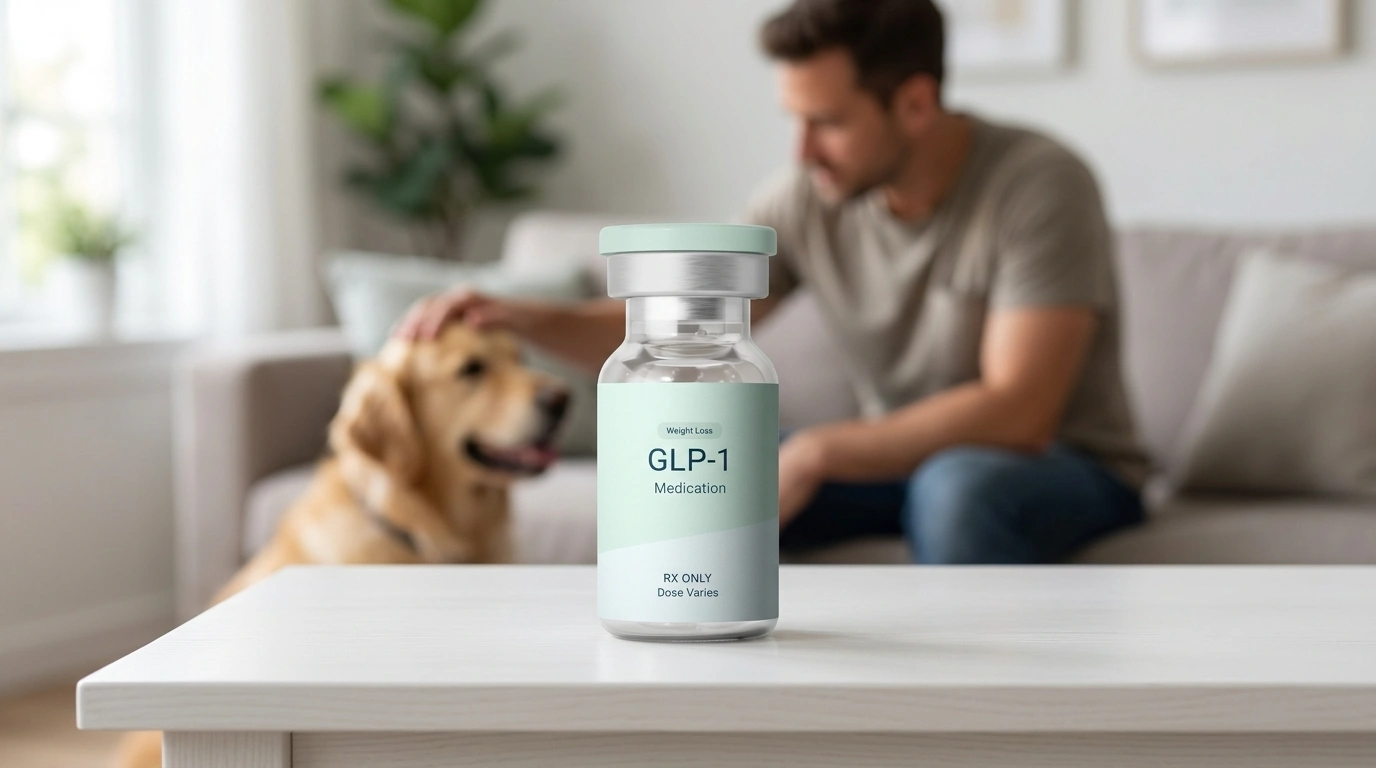
Introduction
Standing in your bathroom, holding a used medical device, it is entirely natural to feel a moment of uncertainty. For many individuals beginning their weight loss journey with GLP-1 medications, the primary concern is often: “Did I actually receive the medication?” Because the needle in a Wegovy® pen is hidden from view, you cannot visually confirm the injection the same way you might with a traditional syringe. Understanding the visual and auditory cues of the device is essential for your peace of mind and treatment consistency.
At TrimRx, we believe that clarity is the foundation of a successful health transformation. Whether you are using branded medications or exploring options like compounded semaglutide through our platform, knowing exactly how your delivery system should function is vital. This article will explain the visual indicators of a used pen, what to expect during the process, and how to troubleshoot common concerns to ensure you stay on track with your health goals. If you are considering a medically supervised prescription program, you can complete a free eligibility assessment.
Quick Answer: A successfully used Wegovy® pen will show a steady yellow bar that completely fills the clear inspection window. You should also hear two distinct clicks during the process—one when the injection starts and a second when it is nearly complete.
The Anatomy of a Wegovy Pen
Before examining what the pen looks like after use, it is helpful to understand the components of the Wegovy® autoinjector. Unlike some other GLP-1 medications that require you to attach a needle or dial a dose, this specific device is a single-use, pre-filled autoinjector. For a visual overview of the device, review this guide to what a Wegovy pen looks like.
The Inspection Window
The clear plastic window on the side of the pen is your primary source of information. Before use, this window should show a clear, colorless liquid. If the liquid looks cloudy, contains large particles, or has changed color, you should not use it. After a successful injection, this clear window will be obscured by a solid yellow indicator.
The Hidden Needle
One of the reasons many people prefer this delivery system is that the needle is never visible. It is housed inside a plastic needle shield. When you press the pen firmly against your skin, the shield retracts, and the needle is deployed automatically. Once you lift the pen away from your skin after the injection, the shield locks back into place to prevent accidental needle sticks.
The Cap
The pen comes with a large, gray cap. This cap protects the needle shield and keeps the device sterile. It is important to only remove the cap when you are ready to perform the injection immediately. If you remove the cap and wait too long, the medication could lose its sterility or the pen could be accidentally triggered.
Visual Indicators of a Successful Injection
The most important thing to look for after you have finished your dose is the yellow bar. This is the definitive visual signal that the mechanical process of the autoinjector has completed. You can also compare your pen with this explanation of what an empty Wegovy pen looks like.
The Movement of the Yellow Bar
When you press the pen against your skin (typically the thigh, abdomen, or upper arm), the internal spring is released. This pushes the medication through the needle. As the medication leaves the pen, a yellow indicator moves across the inspection window.
Bolded Lead Sentence: You must keep the pen pressed against your skin until the yellow bar has stopped moving entirely. If you pull the pen away too early, you may see the yellow bar partially filling the window, which suggests an incomplete dose. A successful injection means the window is entirely yellow.
The Two-Click System
While not a visual cue, the auditory signals are designed to work in tandem with the yellow bar.
- The First Click: This happens the moment you press the pen firmly against the skin. It signals that the injection has started.
- The Second Click: This occurs several seconds later. It signals that the medication is finishing its delivery.
Key Takeaway: Visual confirmation is the gold standard. Even after you hear the second click, wait an additional 5 to 10 seconds while watching the yellow bar to ensure every drop of the medication has been delivered.
What Is Normal to See After Injection?
Once the pen is removed from the skin, you might notice a few things that cause temporary worry. In most cases, these are perfectly normal parts of the subcutaneous injection process.
A Small Drop of Liquid
It is very common to see a tiny, clear drop of liquid either on the tip of the pen needle shield or on your skin at the injection site. This does not mean the injection failed. The autoinjector is calibrated to deliver the precise dose, and a residual micro-drop is expected.
A Small Drop of Blood or a Bruise
Since the medication is injected into the subcutaneous fat layer, the needle may occasionally nick a tiny capillary. A small drop of blood is normal and can be blotted away with a cotton ball or gauze. Similarly, minor bruising can happen, especially if you happen to hit a sensitive area or if you are taking blood-thinning supplements.
A Small Bump
Sometimes, the medication creates a small, temporary “wheal” or bump under the skin. This typically dissipates within an hour as the body begins to absorb the semaglutide.
| Feature | Before Injection | After Injection |
|---|---|---|
| Inspection Window | Clear, colorless liquid visible | Solid yellow bar filling the window |
| Needle Shield | Extends past the pen tip | Locked or retracted (depending on model) |
| Cap | Securely attached | Removed and discarded |
| Liquid Level | Full | Empty/Not visible |
Step-by-Step: Ensuring the Correct “After” Look
To ensure your pen looks exactly as it should when you finish, follow these steps during the administration process. For additional positioning and timing guidance, review this step-by-step Wegovy injection guide.
Step 1: Check the liquid. Ensure the medication is clear and colorless through the window before you begin.
Step 2: Choose and clean the site. Select a fleshy area on the stomach (two inches from the navel), the front of the thigh, or the back of the upper arm. Clean it with an alcohol swab.
Step 3: Press and hold. Push the pen firmly against the skin. You will hear the first click. Do not flinch or pull away.
Step 4: Watch the bar. Keep the pressure constant. Listen for the second click and watch the yellow bar fill the window.
Step 5: The final count. Count to ten slowly after the second click while maintaining pressure.
Step 6: Confirm and dispose. Lift the pen, verify the window is yellow, and place the pen in a sharps container.
Troubleshooting: What if the Pen Looks Different?
If your pen does not show a full yellow bar, or if liquid ran down your leg during the process, something may have gone wrong with the administration. For more troubleshooting guidance, see what to do if your Wegovy pen is not working.
The Yellow Bar Never Appeared
If you pressed the pen down but the yellow bar did not move, you may not have applied enough pressure. The autoinjector requires a firm, steady push to trigger the mechanism. If the pen has not been triggered, you can usually try again on a different spot of skin. However, if the needle was deployed and the bar didn’t move, the device may be faulty.
Medication Leaked Out
If you see a significant amount of liquid on your skin (more than a tiny drop), you likely pulled the pen away too soon. This is often called a “wet injection.”
Important: Do not attempt to inject a second pen immediately if you think you missed part of the dose. It is difficult to know exactly how much medication was absorbed. Instead, contact your healthcare provider or the team at our platform for guidance on when to take your next dose.
The Window Is Still Clear
If the window is still clear after you thought you finished, the injection did not happen. Ensure you have removed the gray cap. You cannot inject through the cap. If the cap was off and the window is still clear, the device’s internal spring may not have fired.
Myth: If I don’t feel the needle, the injection didn’t work. Fact: The needles used for GLP-1 medications are extremely thin. Many people feel absolutely nothing during the process. The yellow bar is your proof, not the sensation.
How TrimRx Supports Your Treatment
Navigating the world of GLP-1 medications can feel overwhelming, especially when dealing with supply shortages or insurance hurdles. We provide a streamlined, telehealth-first approach to weight management. Our goal is to ensure you never feel alone in this process, whether you are wondering about an injection or managing side effects. To understand the broader process, read how online GLP-1 prescriptions work from consultation to delivery.
Personalized Treatment Programs
Every individual has a unique health profile. We offer personalized programs that begin with a comprehensive health assessment. A licensed provider reviews your medical history and goals to determine the most appropriate treatment path. This might include branded medications like Wegovy® or Ozempic®, or it may involve compounded semaglutide. If you want to explore whether a program may be appropriate for you, you can take the free assessment quiz.
Access to Compounded Medications
Due to the high demand for branded GLP-1s, many patients face significant delays. To help maintain treatment continuity, we connect patients with licensed providers who may prescribe compounded semaglutide or compounded tirzepatide. These medications are prepared by FDA-registered, inspected compounding pharmacies.
Note: Compounded medications are not FDA-approved. However, they contain the same active ingredients as the branded versions and are a common alternative when branded supplies are limited. These medications are often provided in vials with traditional syringes, which some patients prefer because they can visually see the medication being drawn and injected.
Continuous Support
Our platform provides 24/7 access to specialists who can answer questions about your program. If you are ever unsure about how your medication looks or if you are administering it correctly, our team is there to guide you. We include everything from the initial consultation to the shipping of your medication in one consistent program.
The Importance of Subcutaneous Injection
Understanding why the pen is designed this way helps demystify the “after” look. Wegovy® is a subcutaneous injection, meaning it must go into the fatty tissue just below the skin, rather than into a muscle or a vein.
Bolded Lead Sentence: The subcutaneous layer has fewer pain receptors and a rich supply of small blood vessels that allow for the slow, steady absorption of the medication. This is why the needle is so short (usually around 4mm to 8mm). The autoinjector is engineered to depth-limit the needle so it reaches exactly the right spot every time.
If you are worried that the injection was too shallow because of how the pen looked, remember that as long as the needle entered the skin and the yellow bar moved, the medication reached the subcutaneous space. The body is very efficient at absorbing the medication from this area, even if the injection site wasn’t “perfect.”
Managing Side Effects and Optimization
Knowing how to use the pen is just the first step. As the medication begins to work on your GLP-1 (glucagon-like peptide-1) receptors, you may experience changes in how your body processes food. GLP-1 is a hormone that tells your brain you are full and slows down gastric emptying (the speed at which food leaves your stomach).
Common Side Effects
While the injection site usually heals quickly, you may notice systemic side effects such as:
- Nausea or upset stomach
- Diarrhea or constipation
- Fatigue
- Heartburn
Most of these side effects are mild and tend to decrease as your body adjusts to the medication. However, if you experience severe abdominal pain or persistent vomiting, you should contact a healthcare professional immediately.
Enhancing Your Results
To get the most out of your treatment, we recommend focusing on nutrient density and hydration. Because you will likely be eating less, the quality of your food becomes more important. Some patients find that specific supplements, like our GLP-1 Daily Support or Weight Loss Boost supplement, help manage minor side effects and support metabolic health during their journey.
Psychological Comfort with Injections
For many, the “after injection” check is a source of anxiety because of a underlying fear of needles or a fear of “doing it wrong.” It is helpful to remember that these devices are designed for use by non-medical professionals at home. They are built with significant safety margins.
Bolded Lead Sentence: Developing a routine can help reduce the stress associated with your weekly dose.
- Same time, same place: Try to take your injection on the same day each week.
- Temperature matters: While the medication should be stored in the refrigerator, taking it out about 30 minutes before your injection to let it reach room temperature can make the process more comfortable. Cold medication can sometimes cause a slight stinging sensation.
- Self-Compassion: If you have a “messy” injection where a little medication leaks, don’t be hard on yourself. It is a learning curve, and one slightly imperfect dose will not derail your long-term progress.
Storage and Safety After Use
Once you have confirmed that the pen has the “used” look (the yellow bar is visible), your job isn’t quite done. Proper disposal and storage of your remaining supply are critical. For more guidance, review this Wegovy storage and injection-safety guide.
Sharps Disposal
Never throw a used Wegovy® pen into the regular household trash. Even though the needle is shielded, it is still a medical sharp. Use an FDA-cleared sharps disposal container. If you do not have one, a heavy-duty plastic container with a tight-fitting lid—like a laundry detergent bottle—can work in a pinch, provided it is labeled correctly and disposed of according to local regulations.
Refrigeration
Unused pens should be kept in the refrigerator between 36°F and 46°F. Keep them in their original carton to protect them from light. If necessary, a Wegovy® pen can be kept at room temperature (up to 86°F) for up to 28 days. After that, it must be discarded.
Checking Expiration Dates
Always look at the expiration date before you use a pen. If a pen has expired, the medication may have lost its potency, and the mechanical components of the autoinjector might not function as intended.
Bottom line: A used Wegovy® pen is identified by a solid yellow bar in the inspection window. This visual cue, combined with two audible clicks, confirms that your dose has been successfully administered.
The TrimRx Approach to Sustainable Health
At TrimRx, we understand that weight loss is more than just a number on a scale; it is about reclaiming your health and vitality. Our mission is to bridge the gap between clinical science and everyday life through a supportive, telehealth-driven platform. We provide the tools, the medical expertise, and the personalized care necessary for you to navigate the complexities of GLP-1 therapy with confidence.
By choosing a personalized program, you are not just getting a prescription; you are getting a dedicated team of specialists who understand the nuances of these medications. We are committed to transparency and empathy, ensuring that every step of your journey—from the first assessment to your final goal—is handled with the highest standard of care. When you are ready to explore your options, complete a free eligibility assessment.
FAQ
What should I do if the yellow bar is only halfway across the window?
If the yellow bar is stuck or only partially visible, you likely pulled the pen away from your skin before the injection was finished. This results in a partial dose. You should not take another dose immediately; instead, consult your healthcare provider or the specialists at our platform to determine the best course of action for your schedule.
Is it okay if the injection site is red or itchy after I use the pen?
A small amount of redness or mild itching at the injection site is a common localized reaction and usually fades within a day. However, if the redness spreads, becomes very painful, or is accompanied by a rash or difficulty breathing, seek medical attention immediately, as this could indicate an allergic reaction.
I didn’t hear a second click; did the injection still work?
The second click can sometimes be faint or muffled by clothing or background noise. The most reliable indicator is the visual yellow bar. If the window is completely filled with yellow and the pen was held against the skin for the full count, the injection was almost certainly successful regardless of whether you heard the click. For additional troubleshooting, review this guide to Wegovy pen problems.
Can I reuse the Wegovy pen if there is still liquid visible?
No, the Wegovy® pen is a single-use device. The internal spring mechanism is designed to fire once and then lock. Even if you believe there is residual medication inside, the needle and the mechanical trigger cannot be used a second time. Attempting to do so could lead to infection or injury.
Disclaimer: This content is for informational purposes only and does not constitute medical advice. It is not intended to diagnose, treat, cure, or prevent any disease or condition. Individual results may vary. Always consult a qualified healthcare professional before starting any weight loss program or medication.

Transforming Lives, One Step at a Time
Keep reading
Wegovy Prior Authorization Approved, Then Reversed: What Happens Now
Getting an approval and then losing it is worse than never being approved, and not only because of the medication. You made a plan…
Can the Wegovy Pill Hold the Weight You Lost on Semaglutide Injections?
Most likely yes, once you reach the maintenance dose. The risk is not the destination but the trip: switching means restarting titration on the…

Wegovy Alternatives: What Else Works for Weight Loss
If Wegovy isn’t working out, the strongest alternative is tirzepatide (Zepbound), which tends to produce more weight loss, followed by other GLP-1 options and…


