What Dose Does Tirzepatide Start Working?
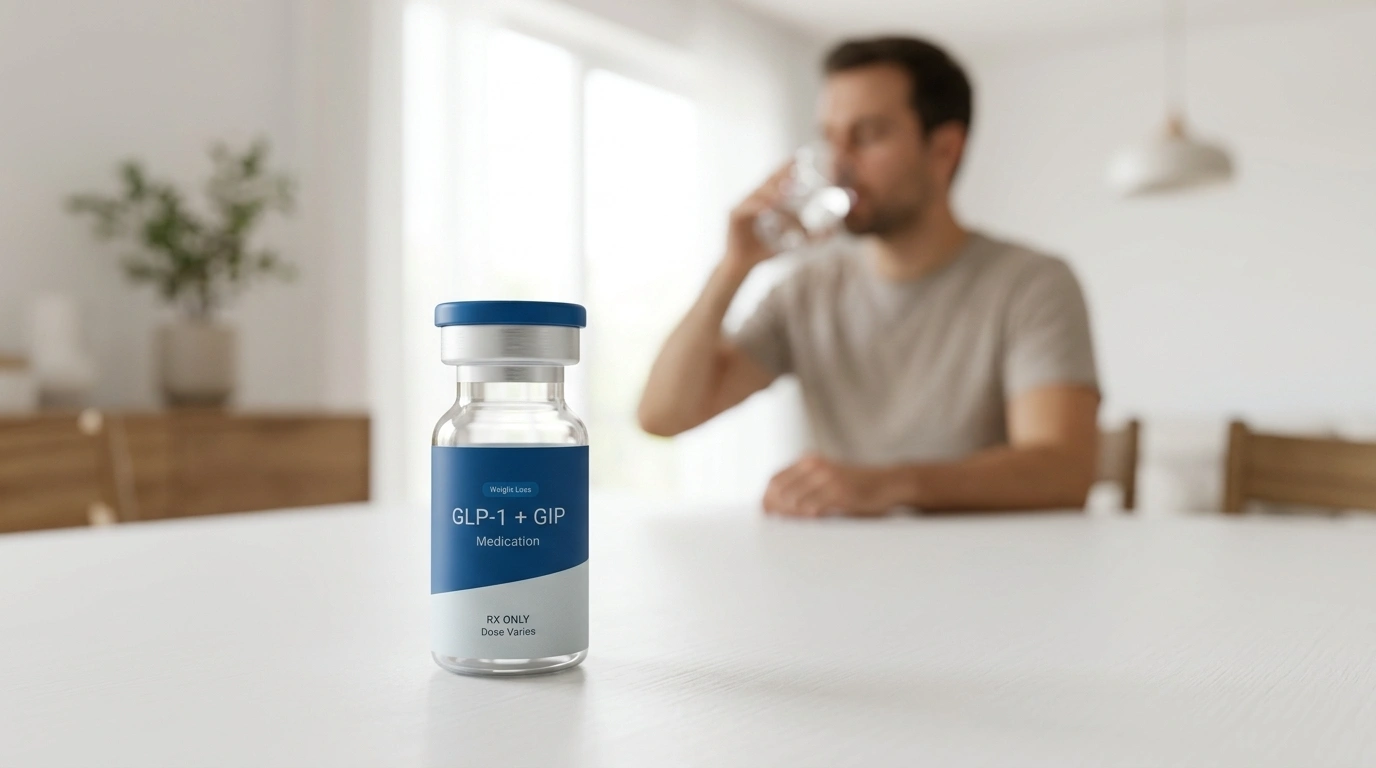
Table of Contents
- Introduction
- The Science of Tirzepatide Dosing
- The 2.5 mg Dose: The Initiation Phase
- The 5 mg Dose: The Therapeutic Threshold
- Higher Doses: 7.5 mg to 15 mg
- Why Does Response Time Vary?
- Managing Side Effects During Dose Increases
- The Role of Personalized Programs
- Understanding the Compounded vs. Branded Distinction
- What to Do While You Wait for the “Working” Dose
- Realistic Timelines for Weight Loss
- Conclusion
- FAQ
Introduction
Standing on a scale and seeing the same number week after week is one of the most discouraging parts of any weight loss journey. When you begin a medication like tirzepatide, it is natural to want immediate results. You might wonder if the initial dose is actually doing anything or if you need to wait until you reach the highest levels to see a change. If you’re ready to see whether a personalized prescription program is a fit, you can take the free assessment quiz to get started. At TrimRx, we understand that patience is difficult when you are ready to reclaim your health. This article explores the titration schedule of tirzepatide, explaining how the medication interacts with your body and at what point most individuals begin to see meaningful progress. Our goal is to provide a clear roadmap so you can manage your expectations and stay committed to your long-term success. While every person responds differently, understanding the biological “why” behind the dosing can help ease the anxiety of the early weeks.
The Science of Tirzepatide Dosing
Tirzepatide is a unique medication known as a dual GLP-1 (glucagon-like peptide-1) and GIP (glucose-dependent insulinotropic polypeptide) receptor agonist. If you want a broader explanation of how this hormone pathway supports appetite control, our guide on how GLP-1 actually works for weight loss is a helpful companion read. An agonist is a substance that initiates a physiological response when it binds to a specific receptor in the body. While many common weight loss medications only target the GLP-1 receptor, tirzepatide targets two. This dual action helps regulate blood sugar, slow digestion, and signal to the brain that you are full.
However, the body needs time to adjust to these hormonal shifts. Because these receptors are located in the gut and the brain, introducing a high dose too quickly can overwhelm the system. This is why healthcare providers follow a titration schedule, which is a method of gradually increasing the amount of medication over several months.
Quick Answer: Most individuals begin to feel the appetite-suppressing effects of tirzepatide at the starting dose of 2.5 mg, but significant weight loss typically begins at the 5 mg dose or higher. The initial 2.5 mg dose is primarily intended to help your body acclimate to the medication rather than to drive maximum weight loss.
The 2.5 mg Dose: The Initiation Phase
The journey usually begins with 2.5 mg. In the medical community, this is often referred to as a “loading dose” or an “initiation dose.” It is important to understand that 2.5 mg is not considered a therapeutic dose for significant weight loss in most clinical settings.
Why start so low?
The primary purpose of the 2.5 mg dose is to introduce the medication to your system while minimizing side effects. By starting low, your gastrointestinal tract has the opportunity to adjust to the slowed gastric emptying—the process by which food leaves your stomach. If you were to start at a higher dose, the risk of nausea, vomiting, or indigestion would be significantly higher.
What to expect at 2.5 mg:
- Subtle changes: Some people notice a slight decrease in “food noise”—the constant intrusive thoughts about eating.
- Biological adjustment: Your body is learning how to process the dual-hormone signaling.
- Minimal scale movement: While some lose weight immediately due to a reduction in inflammation or early calorie deficit, many do not see the scale move significantly during these first four weeks.
The 5 mg Dose: The Therapeutic Threshold
After four weeks on the 2.5 mg dose, most programs transition the individual to 5 mg. For many, this is the dose where tirzepatide truly “starts working” in terms of visible weight loss and consistent appetite suppression.
At 5 mg, the concentration of the medication in your bloodstream reaches a level that more effectively engages the GIP and GLP-1 receptors. This is where the dual-action mechanism becomes more apparent. The GIP component is thought to improve how the body breaks down fats and sugars, while the GLP-1 component continues to signal fullness to the brain.
Key signs the 5 mg dose is working:
- Increased satiety: You may find that you can only finish half of a meal you previously would have finished entirely.
- Longer-lasting effects: The appetite suppression may stay consistent throughout the entire week, whereas at 2.5 mg, it might have worn off a day or two before the next injection.
- Visible progress: This is often when clothes begin to fit differently and the scale starts a downward trend.
Higher Doses: 7.5 mg to 15 mg
The titration process does not always stop at 5 mg. Depending on how your body responds and the guidance of a healthcare provider, the dose may increase every four weeks in 2.5 mg increments, up to a maximum of 15 mg.
The Mid-Range Doses (7.5 mg and 10 mg)
As you move into the 7.5 mg and 10 mg phases, the medication is working at a high capacity. For a deeper look at why progress can stall before it speeds up again, our article on why you may not be losing weight with tirzepatide covers common patterns and practical adjustments. Clinical studies, such as the SURMOUNT trials, have shown that individuals on these higher doses often experience more profound weight loss compared to those on lower doses. However, more is not always better for everyone. Some people find their “sweet spot” at 7.5 mg, where they lose weight consistently without significant side effects.
The High-End Doses (12.5 mg and 15 mg)
These doses are typically reserved for those who have tolerated the medication well but have seen their weight loss plateau at lower levels. At 15 mg, the dual-agonist effect is at its peak. While this dose offers the highest potential for weight reduction, it also requires the most careful monitoring by a healthcare professional to ensure the body is getting adequate nutrition despite the high level of appetite suppression.
Key Takeaway: Tirzepatide is designed as a gradual climb, not a sprint. The “working” dose is the one that allows you to maintain a steady caloric deficit while feeling comfortable and energized, which varies from person to person.
Why Does Response Time Vary?
If you are a few weeks in and haven’t seen the results you expected, it can be frustrating—especially if you hear about others losing weight instantly. Several factors influence how quickly tirzepatide starts working for you:
1. Metabolic Starting Point
An individual with significant insulin resistance or type 2 diabetes may find that the medication takes longer to trigger weight loss. In these cases, the body often prioritizes stabilizing blood sugar levels before it begins to efficiently burn stored fat.
2. Previous Medication History
If you have previously taken other GLP-1 medications, such as Wegovy® or Ozempic®, your body may have a higher tolerance. This doesn’t mean tirzepatide won’t work; it simply means you might need to reach a higher dose before you feel the same level of effectiveness you experienced in the past.
3. Genetic Factors
Biology is not a one-size-fits-all science. Your specific receptor sensitivity can dictate how strongly you feel the effects of the medication. Some “super-responders” feel the 2.5 mg dose intensely, while others require 10 mg to achieve the same metabolic shift.
4. Lifestyle Integration
While the medication does the heavy lifting of hormonal regulation, it is a tool rather than a “fix.” We provide support to help you integrate healthy habits. Those who combine the medication with a high-protein diet and regular movement often see the medication “start working” more effectively than those who rely on the medication alone.
Managing Side Effects During Dose Increases
One reason the medication might feel like it isn’t “working” is if side effects make it difficult to maintain your daily routine. As you move from 2.5 mg to 5 mg and beyond, you may encounter:
- Nausea: Usually most prominent 24–48 hours after the injection.
- Fatigue: As your body adapts to a lower calorie intake.
- Digestive changes: Such as constipation or mild diarrhea.
To help support your nutrition during treatment, the GLP-1 Daily Support supplement is designed for moments when appetite reduction makes it harder to keep up with essentials. Staying hydrated and prioritizing lean protein can also make the transition between doses much smoother.
Note: If side effects become severe or persistent, it is vital to consult your healthcare provider. They may recommend staying at a lower dose for an extra month to give your body more time to adapt.
The Role of Personalized Programs
One of the benefits of using a platform like ours is that your journey isn’t dictated by a generic chart. Through TrimRx, you are connected with licensed providers who evaluate your progress and adjust your program based on your specific needs.
We offer access to Compounded Tirzepatide, which is prepared by FDA-registered, inspected compounding pharmacies. Because we operate through a telehealth-first model, you can report how a specific dose is making you feel and get adjustments or support without the need for a physical waiting room. If you want to explore whether this kind of personalized care is appropriate for you, you can complete the free assessment quiz.
Bottom line: The dose at which tirzepatide starts working is highly individualized, but the structured titration of a personalized program ensures you move toward your goals safely and effectively.
Understanding the Compounded vs. Branded Distinction
When researching “what dose does tirzepatide start working,” you will likely see mentions of branded medications like Mounjaro® and Zepbound®. These are medications that contain tirzepatide as the active ingredient.
At TrimRx, the providers on our platform may prescribe Compounded Tirzepatide. It is important to understand that compounded medications themselves are not FDA-approved. However, they are made using the same active ingredients and are prepared in specialized pharmacies that follow strict safety standards and inspections. This option is often used to ensure patients have consistent access to their medication, especially during periods of high demand or when specific dosage flexibility is required.
What to Do While You Wait for the “Working” Dose
If you are currently on the 2.5 mg initiation dose and feeling impatient, there are several steps you can take to prepare your body for the higher doses:
Step 1: Prioritize Protein Intake. / Aim for 25–30 grams of protein per meal. This helps preserve lean muscle mass as you begin to lose weight.
Step 2: Track Your Non-Scale Victories. / Notice if your energy is more stable, if you are sleeping better, or if your cravings for sugar have decreased. These are signs the medication is beginning to alter your metabolic chemistry.
Step 3: Hydrate Consistently. / The medication works best when your body is well-hydrated. Proper hydration can also reduce the likelihood of common side effects like headaches or constipation.
Step 4: Prepare Your Support System. / Use this time to establish a routine with your medical team. Having 24/7 access to specialists through our platform ensures you never have to guess about your next steps.
For readers focused on staying energized while adjusting to a lower intake, the Weight Loss Boost supplement may be a relevant option to review alongside your routine.
Realistic Timelines for Weight Loss
In clinical trials, the most significant weight loss was measured over a 72-week period. This is a reminder that while the medication might “start working” in your first or second month, the most profound results come from long-term consistency.
For a more detailed look at how results can unfold across the first several months, our post on tirzepatide 6 month weight loss and real results walks through the timeline in practical terms. Most people should expect a weight loss of 1 to 2 pounds per week once they reach their effective dose. Losing weight at this steady pace is often more sustainable and helps the skin and body adjust to the changes. If you lose weight too rapidly at a high dose, you may experience more muscle loss than intended.
Conclusion
The question of what dose tirzepatide starts working doesn’t have a single answer, but it does have a clear patterns. While 2.5 mg is the starting line, 5 mg is often where the real progress begins, and doses like 10 mg or 15 mg provide the maximum metabolic support. At TrimRx, we are committed to being your partner throughout this entire process. We believe that sustainable weight loss is a combination of the right science, personalized care, and a supportive environment.
By focusing on a program that adapts to your body’s unique signals, you can move past the frustration of failed diets and toward a healthier, more vibrant version of yourself. If you are ready to see which dose is right for your health profile, the first step is simple.
Take the free assessment quiz today to see if a personalized tirzepatide program is the right fit for your weight loss journey.
FAQ
Will I lose any weight on the 2.5 mg starting dose?
While some individuals do lose weight on the 2.5 mg dose, it is primarily intended to help your body adjust to the medication. Many people see only minimal changes on the scale during this first month, as the dose is not yet at a full therapeutic level. If you want to see whether prescription treatment is appropriate for you, start with the free assessment quiz.
What should I do if I’m not losing weight at 5 mg?
If you find that your weight loss has stalled at the 5 mg dose, your healthcare provider may recommend increasing your dose to 7.5 mg. It is also important to evaluate your protein intake and activity levels, as these factors work in tandem with the medication. For more context on progress plateaus, the article on why tirzepatide may not be producing the results you expected is a useful reference.
Can I stay on a lower dose if it’s working for me?
Yes, many people choose to stay on a lower dose, such as 5 mg or 7.5 mg, if they are losing weight consistently and feel comfortable. There is no requirement to reach the 15 mg maximum dose if your goals are being met at a lower level. If you would like help deciding whether a treatment plan is a fit, you can complete the free assessment quiz.
How do I know if the dose is too high?
A dose may be too high if you experience persistent, severe nausea, an inability to eat enough calories to sustain your energy, or extreme fatigue. In these cases, your provider may suggest lowering your dose to a level that you can better tolerate while still seeing results. If appetite reduction is making nutrition harder to maintain, the GLP-1 Daily Support supplement is one place to look for additional support.
Disclaimer: This content is for informational purposes only and does not constitute medical advice. It is not intended to diagnose, treat, cure, or prevent any disease or condition. Individual results may vary. Always consult a qualified healthcare professional before starting any weight loss program or medication.

Transforming Lives, One Step at a Time
Keep reading

How to Get Tirzepatide Hollywood — Prescribed Online Today
Get tirzepatide Hollywood through licensed telehealth — California residents receive FDA-registered compounded prescriptions shipped in 48 hours without

Tirzepatide Online Hollywood — Prescription Access &
Tirzepatide online Hollywood connects residents to licensed telehealth providers who prescribe and ship compounded GLP-1 medications directly to your door

Telehealth Tirzepatide Hollywood — Licensed RX Delivered
Telehealth tirzepatide Hollywood connects you with licensed providers remotely — compounded medication ships within 48 hours. No office visits required.


