What Drinks Should I Avoid While Taking Ozempic?
Introduction
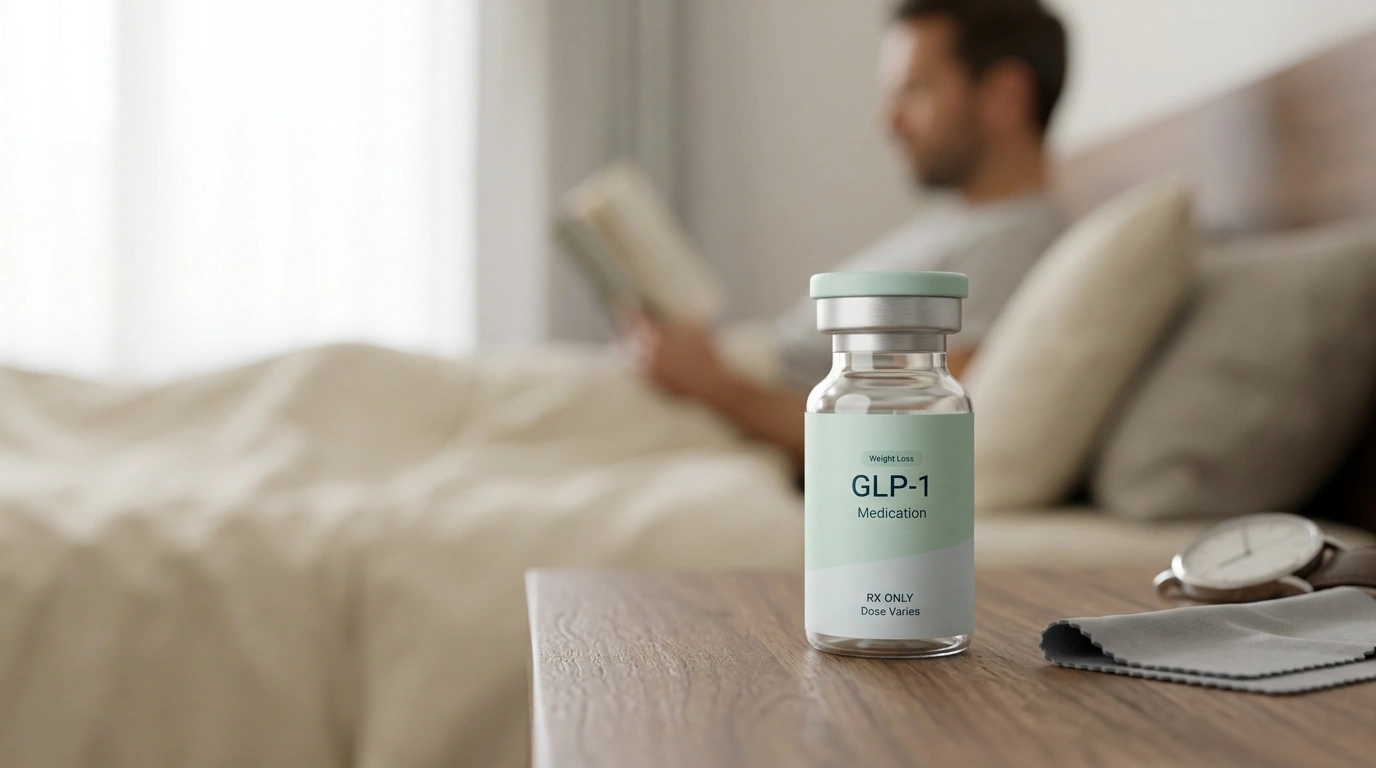
Starting a weight loss journey with medical support often brings a sense of renewed hope, but it also comes with a learning curve regarding how your body reacts to what you consume. If you have recently started a GLP-1 medication like Ozempic®, you may have noticed that your favorite morning latte or evening glass of wine doesn’t sit quite the same way it used to. These medications significantly change your metabolic environment, specifically how quickly your stomach empties and how your brain perceives reward.
At TrimRx, we understand that navigating these dietary shifts can feel overwhelming, especially when you are trying to balance your nutritional needs with the common side effects of treatment. This post will detail which beverages might hinder your progress or trigger discomfort, explaining the “why” behind these reactions. Our goal is to help you optimize your results through a personalized approach that prioritizes both your health and your comfort. By making informed choices about what you drink, you can better support your body’s natural GLP-1 pathways and maintain a more sustainable path toward your goals. If you are exploring whether prescription support may fit your health profile, you can take the free assessment quiz.
The Science of Slowed Digestion
Understanding how semaglutide affects your digestive system is the first step in choosing the right beverages. Semaglutide is a GLP-1 (glucagon-like peptide-1) receptor agonist, a class of medication that mimics a natural hormone in your body. This hormone performs several roles, but two are particularly relevant to what you drink: it signals the brain that you are full and it slows down “gastric emptying.” Gastric emptying is the clinical term for the speed at which food and liquids leave your stomach and enter your small intestine.
When this process slows down, anything you consume stays in your stomach for a much longer duration. While this is helpful for feeling satisfied with smaller portions, it can create a “bottleneck” effect. If you consume drinks that are acidic, carbonated, or high in sugar, they linger in the stomach, increasing the likelihood of irritation, gas, and reflux. For additional context about how Ozempic affects digestion, review this guide to foods to avoid while taking Ozempic.
Key Takeaway: Because semaglutide slows the movement of food and liquid through your system, drinks that were once tolerable may now sit in your stomach long enough to cause significant digestive distress.
Sugary Beverages and Blood Sugar Spikes
High-sugar drinks are among the most important items to limit while on a weight loss program. This category includes traditional sodas, sweetened fruit juices, energy drinks, and “fancy” coffee shop beverages loaded with syrups. The primary purpose of medications like Ozempic® is to help regulate blood sugar and improve insulin sensitivity. Consuming large amounts of liquid sugar works directly against these clinical goals.
The Impact on Insulin
When you drink a sugary beverage, your blood glucose levels rise rapidly. Even though the medication is working to manage these spikes, flooding the system with simple sugars can lead to a “rebound” effect. You might experience a sharp energy crash later, which can trigger cravings for more sugar or refined carbohydrates. This creates a cycle that makes weight management much more difficult.
Empty Calories and Satiety
Liquid calories do not provide the same “fullness” signals as solid food. Because semaglutide already reduces your appetite, it is vital to prioritize nutrient-dense options. Filling your limited “appetite budget” with sugary drinks means you may miss out on the protein, fiber, and vitamins your body needs to maintain muscle mass and energy levels during weight loss. For a broader look at related dietary choices, read this Ozempic food guide.
Bottom line: Sugary drinks cause rapid blood sugar fluctuations that counteract the metabolic benefits of your treatment and offer no nutritional value to support your journey.
Alcohol and the Risk of Hypoglycemia
Alcohol requires extra caution for anyone taking semaglutide, particularly those with underlying metabolic concerns. While there is no direct “drug interaction” that makes alcohol toxic when combined with the medication, the way both substances affect your liver and blood sugar can be problematic.
Blood Sugar Instability
Alcohol can inhibit the liver’s ability to release stored glucose into the bloodstream. Since Ozempic® is also working to lower blood sugar, the combination can occasionally lead to hypoglycemia (low blood sugar). Symptoms of hypoglycemia include dizziness, confusion, shakiness, and heart palpitations. If you choose to drink, it is essential to do so in moderation and never on an empty stomach.
Compounding Side Effects
The most common side effects of GLP-1 medications are nausea and vomiting. Alcohol is a known stomach irritant that can exacerbate these issues. Many individuals report that their “tolerance” for alcohol changes significantly after starting treatment, feeling the effects much faster or experiencing much worse “hangovers” the next day due to dehydration and slowed processing. You can also review this Ozempic nutrition guide for more related considerations.
Note: If you have a history of pancreatitis or significant kidney issues, you must consult your healthcare provider before consuming alcohol while on this medication.
Carbonated Drinks and Gastrointestinal Pressure
Carbonated beverages, including diet sodas and sparkling waters, can lead to intense bloating and gas. For a person with a standard digestive speed, the bubbles (carbon dioxide) in a soda are usually belched out or passed through the system relatively quickly. However, when gastric emptying is delayed, that gas becomes trapped in the stomach.
The “Overfull” Sensation
The trapped gas from carbonation can create a painful sensation of pressure and distension. This often mimics the feeling of having eaten a massive meal, even if you have only had a few sips. For many, this leads to increased burping, which can sometimes be accompanied by “sulfur burps,” a common but unpleasant side effect where the breath smells like rotten eggs due to food sitting longer in the stomach.
Diet Soda Considerations
While diet sodas do not have the sugar of regular versions, they often contain artificial sweeteners like aspartame or sucralose. Some research suggests these sweeteners can still trigger an insulin response in some people or disrupt the gut microbiome. While not strictly forbidden, they are best consumed in small quantities to see how your specific digestive system responds.
Myth: Carbonated water is the best way to stay hydrated on Ozempic.
Fact: While better than sugary soda, the gas in sparkling water often causes painful bloating due to slowed digestion; plain, still water is a much safer choice for comfort.
Caffeine and Acid Reflux
Caffeine can be a double-edged sword for those on a weight loss journey. On one hand, it can provide a small boost to metabolic rate and help with the fatigue some people feel when they start a new medication. On the other hand, caffeine is a major trigger for acid reflux and heartburn.
Relaxing the Esophageal Valve
Caffeine can relax the lower esophageal sphincter, which is the muscle that acts as a lid for your stomach. When this muscle relaxes, and food is already sitting in your stomach longer due to the medication, stomach acid is much more likely to splash back up into the esophagus. This results in the burning sensation known as heartburn.
Stomach Acid Secretion
Caffeine also stimulates the production of more stomach acid. If you are already experiencing nausea or an “upset” stomach, the extra acid can make these symptoms feel significantly worse. If you cannot give up your morning coffee, try switching to a low-acid roast or cold brew, and always try to have a small amount of protein with it to buffer the acid.
High-Fat Liquid Calories
Beverages that are high in fat can stay in the stomach for an exceptionally long time. This includes milkshakes, “bulletproof” coffee with added butter or oils, and heavy cream-based drinks. Fat naturally takes longer to break down than carbohydrates or protein. When you combine high-fat liquids with a medication that already slows the stomach, you are essentially creating a digestive “logjam.”
This often leads to:
- Persistent, heavy nausea that lasts for hours
- Unintended vomiting
- A feeling of “bricks” in the stomach
- Oily or loose stools (diarrhea) as the fat finally moves into the intestines
Key Takeaway: High-fat drinks are one of the most common culprits for severe nausea; opting for low-fat dairy or plant-based alternatives can significantly improve your daily comfort.
Best Practices for Hydration
Staying hydrated is the most effective way to minimize side effects and support your metabolic health. Dehydration can actually mimic the feeling of nausea and can lead to constipation, which is a frequent challenge for those on GLP-1 treatments. For more practical guidance, explore this hydration blueprint for weight loss.
Choosing the Right Liquids
The best beverages to focus on include:
- Plain Water: The gold standard for hydration.
- Electrolyte-Enhanced Water: Especially helpful if you are experiencing any vomiting or diarrhea, as it replaces lost salts.
- Herbal Teas: Ginger or peppermint teas can actually help soothe the stomach and reduce nausea.
- Bone Broth: Provides hydration along with a small amount of protein and minerals.
A Step-by-Step Approach to Drinking
- Sip, don’t chug. Drinking large amounts of water at once can make you feel uncomfortably full. Keep a water bottle with you and take small sips throughout the day.
- Drink between meals. Avoid drinking large amounts of liquid during your meals, as this can take up valuable space in your stomach and make you feel “stuffed” faster.
- Monitor your urine color. Aim for a pale yellow color. If it is dark, you need to increase your fluid intake.
- Prioritize electrolytes in the morning. Starting your day with balanced electrolytes can help prevent the “brain fog” often associated with weight loss. If you are also looking for energy support during weight loss, consider the Weight Loss Boost supplement.
The Role of Personalized Support
Every individual’s body reacts differently to GLP-1 medications. Some people may find they can still enjoy a small cup of coffee or the occasional diet soda without issue, while others may find even a few sips of carbonation lead to significant discomfort. This variability is why a one-size-fits-all approach to weight loss often fails.
We provide access to personalized programs that take your unique health profile into account. Whether you are prescribed Compounded Semaglutide or Compounded Tirzepatide, our platform connects you with licensed providers who can help you navigate these dietary adjustments. These compounded medications are prepared in FDA-registered and inspected compounding pharmacies, ensuring high standards of quality while providing a more accessible path to treatment.
Our specialists are available to help you understand how to balance your nutrition and hydration, ensuring that the medication is working for you, not against you. This comprehensive support is vital for achieving sustainable, long-term results without the frustration of unmanaged side effects. For additional nutritional support during treatment, explore the GLP-1 Daily Support supplement.
Navigating Social Situations and Cravings
One of the most surprising effects of GLP-1 medications is the reduction in “food noise” and cravings. This often extends to beverages as well. Many patients report that they simply no longer “want” the soda or alcohol they used to crave. This is because the medication affects the reward centers of the brain, making high-sugar or high-fat items less appealing.
If you find yourself in a social situation where everyone is drinking, don’t feel pressured to consume something that will make you feel ill later. A simple mocktail made with flat water, a splash of cranberry juice, and a lime wedge can be a refreshing, stomach-friendly alternative. By listening to your body’s new signals, you can navigate these events with confidence and stay on track with your goals.
Summary of Actionable Steps
What to do next:
- Swap carbonated water for flat water with fruit infusions if you are experiencing bloating.
- Reduce alcohol intake to one drink or less per occasion to avoid blood sugar drops.
- Switch to low-fat milk or dairy alternatives in your coffee to prevent heavy nausea.
- Carry an electrolyte powder to stay hydrated and keep energy levels stable throughout the afternoon.
- Take the TrimRx assessment quiz to see if a personalized medication program is right for your health profile.
By making these small adjustments to your daily habits, you can significantly improve your experience on weight loss medication. The journey to better health is about more than just the number on the scale; it is about feeling your best as you move toward your goals. If you are ready to explore personalized support, complete a free eligibility assessment.
Conclusion
Success on a weight loss journey is rarely about perfection; it is about making better choices more often. While managing what you drink might seem like a small detail, it has a profound impact on how you feel while taking Ozempic® or similar medications. By avoiding high-sugar, high-fat, and highly carbonated drinks, you give your body the best chance to process nutrients efficiently and keep side effects at bay.
At TrimRx, our mission is to support you through every stage of this process with empathy and science-backed guidance. We believe that sustainable weight loss is achieved when you are equipped with the right tools, the right medication, and the right information. Whether you are just starting or looking to optimize your current program, we are here to help you navigate the complexities of metabolic health.
Ready to see how a personalized program can support your goals? Find out if GLP-1 medications are right for you to begin your journey toward a healthier, more confident you.
FAQ
Can I drink coffee while taking Ozempic®?
Yes, you can still drink coffee, but it is wise to monitor how it affects your stomach. Because caffeine increases stomach acid and the medication slows digestion, some people experience increased heartburn or nausea after their morning cup. If nausea is a concern, review this guide to managing nausea with GLP-1 medications.
Is it okay to drink diet soda instead of regular soda?
While diet soda is better for blood sugar management because it lacks sugar, the carbonation can still cause significant bloating and gas. If you enjoy diet soda, try to limit your intake and pay attention to any abdominal discomfort.
Why does alcohol make me feel so sick now?
Alcohol is a stomach irritant and causes dehydration, both of which amplify the common side effects of semaglutide. Additionally, because your stomach empties slower, the alcohol may stay in your system longer, leading to more intense nausea or worse hangovers.
How much water should I be drinking each day?
While individual needs vary, a general goal is to aim for at least 80 to 100 ounces of fluid daily. Proper hydration is essential for preventing constipation and managing the nausea that can occur when your body is processing weight loss medications. For more hydration guidance, read this weight loss hydration guide.
Disclaimer: This content is for informational purposes only and does not constitute medical advice. It is not intended to diagnose, treat, cure, or prevent any disease or condition. Individual results may vary. Always consult a qualified healthcare professional before starting any weight loss program or medication.

Transforming Lives, One Step at a Time
Keep reading

Why Does My Tongue Feel Coated on Ozempic?
Usually because there is less saliva washing your tongue clean, and less food passing over it to do the same job mechanically. Your tongue…
Starting a New Job With No Insurance While on Ozempic
The problem is usually a waiting period rather than a permanent loss, and waiting periods are plannable in a way that job loss is…
Does Collagen Help With Loose Skin on Ozempic?
Probably not for the thing you are hoping it will fix, and it is unlikely to do harm. Collagen supplements have been studied mainly…


