What Food to Avoid While Taking Ozempic
Introduction
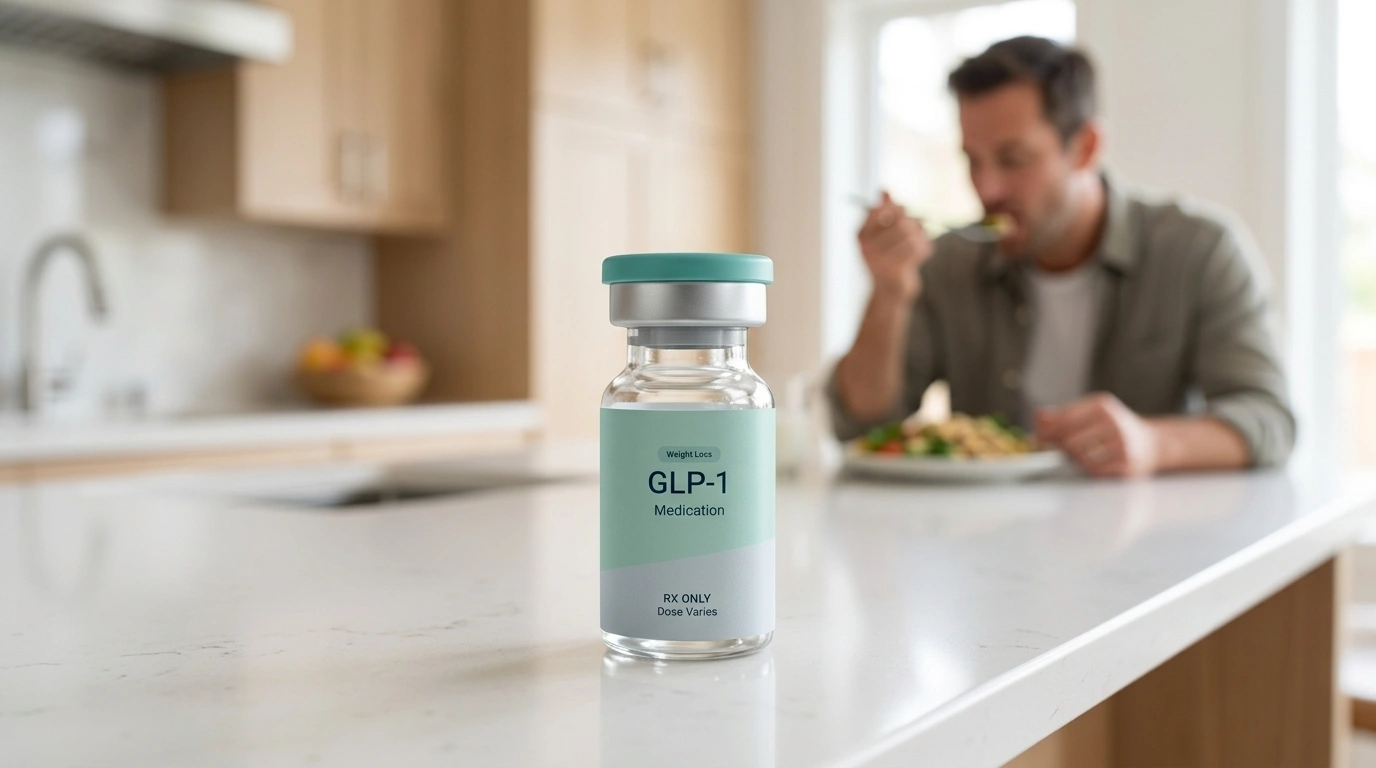
Starting a journey with a GLP-1 (glucagon-like peptide-1) medication like Ozempic® can feel like a major turning point in your health. You may already be noticing that your appetite has shifted or that you feel full much sooner than you used to. While the medication does a significant amount of the “heavy lifting” by regulating blood sugar and appetite, what you put on your plate still matters immensely. At TrimRx, we believe that understanding the relationship between your medication and your nutrition is the key to minimizing side effects and maximizing your long-term success.
Many people find that foods they once enjoyed now cause unexpected discomfort, such as nausea or bloating. This happens because the medication changes how your body processes food. By identifying which foods to avoid and which to embrace, you can navigate your treatment with more confidence and less physical stress. If you want a deeper breakdown, our What Not to Eat While on Ozempic guide covers the same food categories from another angle.
How Ozempic Influences Your Relationship with Food
To understand why certain foods become problematic, it is helpful to look at how the medication functions within your body. If you want a simple explanation of the medication itself, our Understanding What Is a Semaglutide Injection post is a helpful companion. Ozempic® contains the active ingredient semaglutide. This is a GLP-1 receptor agonist, which means it mimics a natural hormone your body produces to signal fullness and manage insulin.
One of the primary ways this medication works is by slowing down gastric emptying. This is a clinical term for the speed at which food leaves your stomach and enters your small intestine. When this process slows down, you stay full for a longer period. However, this also means that whatever you eat sits in your stomach much longer than usual. If you consume foods that are inherently difficult to digest, they can linger and cause a “backup” effect, leading to the common gastrointestinal side effects many people report.
Quick Answer: While there is no restricted list of forbidden foods, it is best to avoid high-fat, fried, and sugary foods while taking Ozempic®. These items often worsen nausea and bloating because the medication slows your digestion, causing heavy foods to sit in the stomach longer.
High-Fat and Fried Foods
Fried and greasy foods are perhaps the most common triggers for discomfort while on a GLP-1 program. Normally, fats are already the slowest macronutrient to digest. When you combine high-fat intake with a medication that further delays gastric emptying, you create a “double-slowing” effect.
Fried chicken, french fries, pizza, and heavy burgers can lead to significant distress. When these high-fat items sit in the stomach for several hours, they can trigger:
- Persistent Nausea: The sensation of “heaviness” often translates into waves of nausea.
- Acid Reflux: Fat relaxes the valve between the esophagus and the stomach, making it easier for acid to travel upward, especially when the stomach is full for longer.
- Vomiting: In some cases, the body may reject heavy, greasy meals because the digestive system simply cannot move them along fast enough.
Instead of deep-fried options, we recommend focusing on preparation methods like air-frying, baking, grilling, or steaming. These methods provide the texture and flavor you enjoy without the excess oils that cause digestive gridlock.
For a broader look at common digestive reactions, see our Semaglutide Side Effects: Complete Guide and Management Tips.
Refined Carbohydrates and Sugary Foods
Refined carbohydrates—such as white bread, pasta, pastries, and white rice—as well as foods high in added sugar, can undermine the benefits of your medication. One of the goals of using semaglutide is to stabilize blood sugar levels and improve insulin sensitivity.
Refined grains have had their fiber and nutrients stripped away, meaning the body converts them into glucose very quickly. This can lead to rapid spikes in blood sugar, followed by a “crash.” While the medication helps manage these spikes, consuming high-sugar foods can lead to:
- Dampened Weight Loss Progress: High-sugar foods are calorie-dense but nutrient-poor, making it harder to reach your health goals.
- Increased Fatigue: The blood sugar roller coaster often leaves people feeling drained and sluggish.
- Worsened GI Upset: For many, high-sugar intake leads to increased bloating and gas as the sugar interacts with gut bacteria.
If you want a broader look at how GLP-1 affects appetite and blood sugar, our What Is GLP-1 and How It Can Transform Weight Loss overview is a helpful companion.
Key Takeaway: Focus on “complex” carbohydrates like quinoa, oats, and sweet potatoes. These digest more slowly and provide steady energy, which complements the way GLP-1 medications regulate your metabolism.
Spicy and Highly Acidic Foods
If you are someone who loves hot sauce or spicy peppers, you may need to proceed with caution. Spicy foods are known irritants to the digestive lining. Because Ozempic® keeps food in the stomach longer, the capsaicin in spicy dishes has more time to irritate the stomach wall and the lower esophageal sphincter.
Similarly, highly acidic foods like citrus fruits and heavy tomato sauces can contribute to heartburn. If you find yourself experiencing a burning sensation in your chest or frequent burping (often called “sulfur burps”), your intake of spice and acid might be the culprit.
Note: If you experience severe or persistent heartburn, it is important to consult a healthcare provider. They can help determine if an over-the-counter antacid or a prescription-strength option is appropriate for your situation.
Ultra-Processed Foods and “Empty” Calories
Ultra-processed foods—think packaged snack cakes, certain frozen dinners, and sugary cereals—are designed to be hyper-palatable but offer very little in the way of satiety or nutrition. When you are on a GLP-1 medication, your total caloric intake naturally decreases because you feel full faster.
Because you are eating less, the quality of every calorie becomes more important. If your limited appetite is filled with ultra-processed snacks, you may miss out on essential vitamins, minerals, and protein. This can lead to muscle loss and nutrient deficiencies over time. We encourage our members to view their meals as fuel, prioritizing whole foods that support the body’s natural healing and metabolic processes.
Beverages to Be Mindful Of
What you drink can be just as impactful as what you eat. Certain beverages can exacerbate side effects or interfere with the effectiveness of your treatment.
Alcohol Consumption
There is no direct “danger” in having a single drink while on Ozempic®, but alcohol presents several challenges. First, alcohol is a known stomach irritant and can significantly increase nausea. Second, it can lower blood sugar, which may increase the risk of hypoglycemia (low blood sugar) when combined with GLP-1 medications.
Many people also report that their “tolerance” for alcohol changes while on the medication. Because the stomach empties more slowly, the way alcohol is absorbed can feel different, sometimes leading to more intense hangovers or headaches.
Sugary and Carbonated Drinks
Soda, sweetened teas, and energy drinks provide a large amount of sugar in a liquid form, which can spike blood glucose. Furthermore, carbonated beverages introduce gas into the digestive tract. If your digestion is already slowed, that gas has nowhere to go, leading to painful bloating and increased burping.
Staying hydrated with water is essential. Many of the side effects of weight loss medications, such as headaches and constipation, can be mitigated by increasing your daily water intake.
The Importance of Protein and Fiber
While knowing what to avoid is crucial, knowing what to prioritize is equally important for a successful outcome.
Prioritizing Lean Protein
When you lose weight rapidly, your body can lose muscle mass alongside fat. To protect your muscles and keep your metabolism strong, you must consume enough protein. Chicken breast, turkey, fish, tofu, eggs, and legumes are excellent sources.
At TrimRx, our personalized programs often emphasize protein intake to ensure that the weight you lose is primarily fat. Protein also has a high “thermic effect,” meaning your body burns more energy digesting it compared to fats or carbs.
Managing Fiber Intake
Constipation is a common side effect of GLP-1 medications due to the slowed movement of the digestive tract. Fiber is the solution, but it must be handled carefully. Adding too much fiber too quickly can cause even more bloating.
If constipation is becoming a recurring concern, our Does Semaglutide Cause Constipation? guide explains why it happens and what may help.
- Soluble Fiber: Found in oats, beans, and apples. It helps soften the stool.
- Insoluble Fiber: Found in whole grains and vegetables. It adds bulk and helps move things along.
We suggest increasing your fiber intake gradually and always pairing it with plenty of water. If you find it difficult to get enough fiber from food alone, a supplement like GLP-1 Daily Support can help fill the gaps and keep your digestion regular.
Strategic Eating Habits
Sometimes, it isn’t just what you eat, but how you eat. Adjusting your habits can significantly reduce the “heavy” feeling that often leads to nausea.
Eat Smaller, More Frequent Meals
Instead of three large meals, try eating five or six small snacks throughout the day. This prevents the stomach from becoming over-distended. When the stomach is too full, the pressure can lead to acid reflux and a general feeling of malaise.
Listen to Your Fullness Cues
The medication is designed to tell you when you’ve had enough. Many of us are used to “cleaning our plates” regardless of how we feel. While taking Ozempic®, it is vital to stop eating the moment you feel satisfied—even if there is food left. Overeating by even a few bites can lead to hours of discomfort later.
Avoid Eating Before Bed
Because food stays in your stomach longer, lying down shortly after a meal can cause acid to back up into the esophagus. Try to finish your last meal or snack at least two to three hours before you plan to sleep.
Myth: You have to follow a specific, strict “Ozempic diet” to see results. Fact: There is no one-size-fits-all diet. While certain foods are best avoided to prevent side effects, the best plan is a balanced, personalized approach that focuses on whole foods and lean proteins.
Navigating Side Effects with Personalization
Every individual responds to GLP-1 medications differently. Some people can tolerate a slice of pizza occasionally, while others may feel sick at the mere thought of it. This is why a one-size-fits-all approach rarely works for sustainable weight loss.
Our platform connects you with licensed providers who can help tailor your program to your specific needs. If your side effects are persistent despite changing your diet, you can take the free assessment quiz to see whether a personalized program is the right fit for you. This telehealth-first approach ensures you have professional guidance without the need for in-person waiting rooms or inconvenient appointments.
Step-by-Step: Transitioning Your Diet
If you are just starting your program or are about to increase your dosage, follow these steps to prepare your digestive system:
- Step 1: Audit your pantry. Remove high-sugar snacks and ultra-processed foods that might be tempting when you’re tired.
- Step 2: Focus on hydration. Aim for at least 80–100 ounces of water daily. Consider adding electrolytes if you feel lightheaded.
- Step 3: Introduce “bland” foods initially. If you feel nauseous, stick to simple items like crackers, toast, or bananas until the feeling passes.
- Step 4: Gradually increase fiber. Add one serving of vegetables or legumes every few days to avoid sudden bloating.
- Step 5: Track your triggers. Keep a simple log of what you eat and how you feel. You might notice that certain items, like dairy or onions, are your specific triggers.
Support Beyond the Prescription
Medication is a powerful tool, but it is most effective when supported by a healthy lifestyle. At TrimRx, we aim to provide a comprehensive experience that includes not just the medication, but the knowledge you need to thrive. Whether you are using compounded semaglutide or a branded option like Wegovy®, the nutritional principles remain the same.
We also offer Weight Loss Boost to support energy and overall weight-management routines while you adjust to your new eating habits.
Conclusion
Success on a GLP-1 medication is a partnership between the science of the drug and the choices you make every day. By avoiding high-fat, sugary, and ultra-processed foods, you can significantly reduce the likelihood of uncomfortable side effects like nausea and bloating. Remember to prioritize lean proteins, stay hydrated, and listen closely to your body’s new signals of fullness.
Our mission is to help you navigate this journey with empathy and expert guidance. Weight loss is a marathon, not a sprint, and having the right nutritional strategy is what makes the finish line reachable.
If you are ready to take the next step toward a healthier, more vibrant version of yourself, we invite you to take our free assessment quiz to see which personalized program is right for you.
FAQ
Can I ever eat fried food while on Ozempic?
While no food is strictly forbidden, most people find that fried foods cause significant nausea and indigestion. If you do choose to eat fried food, keep the portion very small and monitor how your body reacts.
Why does alcohol make me feel worse now?
Alcohol is a stomach irritant and can cause blood sugar fluctuations. Because your digestion is slower on this medication, the alcohol stays in your system longer, often intensifying side effects like nausea and headaches.
Are there any fruits I should avoid?
Most fruits are excellent choices, but some people find that highly acidic fruits like lemons, limes, and grapefruits can trigger heartburn. If you experience reflux, try sticking to lower-acid fruits like berries, melons, and bananas.
How can I stop the “sulfur burps” associated with the medication?
These burps are often caused by food sitting in the stomach for too long and beginning to break down. To reduce them, avoid heavy, high-fat meals and try eating smaller portions more frequently throughout the day.
Disclaimer: This content is for informational purposes only and does not constitute medical advice. It is not intended to diagnose, treat, cure, or prevent any disease or condition. Individual results may vary. Always consult a qualified healthcare professional before starting any weight loss program or medication.

Transforming Lives, One Step at a Time
Keep reading

Lunar New Year on Ozempic: Reunion Dinner and Family Visits
For many families, Lunar New Year is the biggest celebration of the year. It begins with a reunion dinner on New Year’s Eve, often…
Passover on Ozempic: The Seder, Matzah and Constipation
Passover brings two challenges for people on Ozempic or another GLP-1. The first is the seder: a long evening meal, often starting late, with…

Getting a Tattoo on Ozempic
Tattoo artists know the signs well: a client who came in without eating, sits for a few hours, goes pale, and starts to feel…


