What Foods Are Good for Weight Loss? Our Unflinching Take
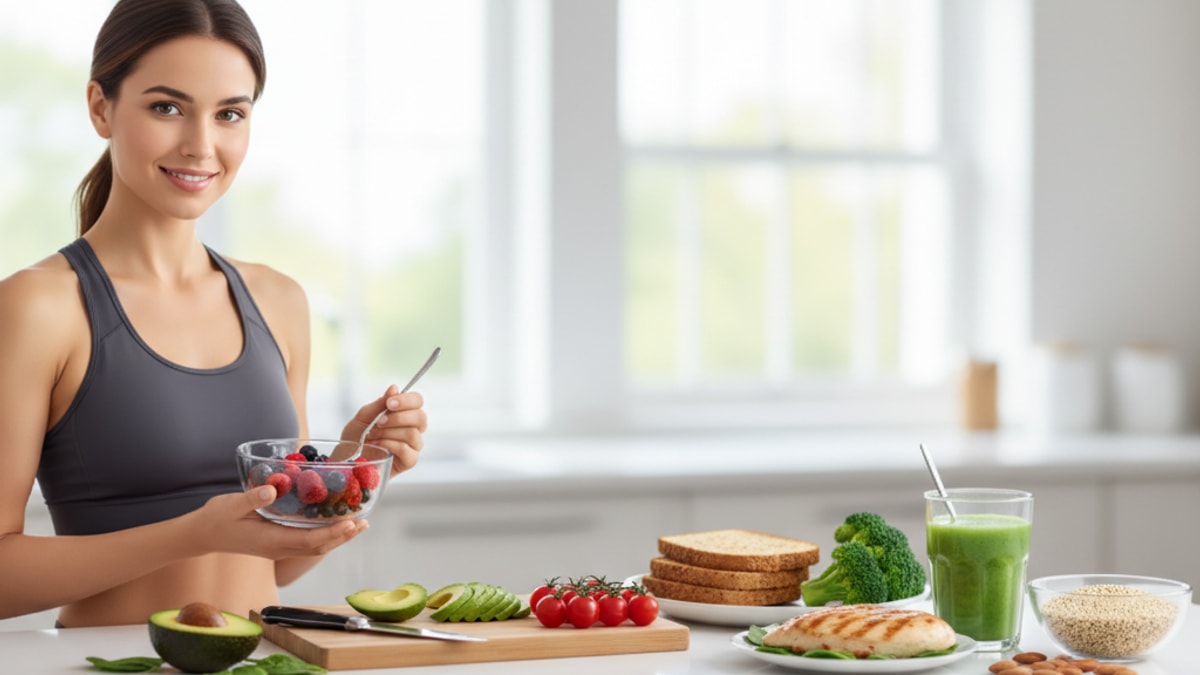
Let’s be honest. The question “what foods are good for weight loss?” feels like it should have a simple answer. A neat, tidy list you can print and stick on your fridge. But the reality is a sprawling, often contradictory mess of advice, fad diets, and well-meaning but outdated information. One minute, fats are the enemy; the next, they’re the cornerstone of a healthy diet. Carbs are either essential fuel or the direct cause of every unwanted pound. It’s exhausting.
Here at TrimrX, our team works at the intersection of biotechnology and human metabolism every single day. We don’t just look at calories; we look at the complex hormonal and physiological responses that food triggers. We’ve seen firsthand that sustainable weight loss isn’t about deprivation or a relentless battle of willpower. It’s about understanding the science and working with your body, not against it. It’s about choosing foods that create a profound sense of satiety, stabilize your energy, and support your metabolic health. This is where the real magic happens, especially when you pair smart nutrition with modern medical advancements.
Beyond Calories: The Real Science of Satiety
We need to get something straight right away. The old mantra of “calories in, calories out” is a dangerously oversimplified piece of the puzzle. Yes, a calorie deficit is required for weight loss. That’s basic physics. But the type of calories you consume dictates everything—your hunger levels, your cravings, your energy, and your body’s willingness to let go of stored fat. A 200-calorie snack of almonds and a 200-calorie sugary soda create wildly different realities inside your body. The soda spikes your blood sugar, triggers a massive insulin release (your body’s primary fat-storage hormone), and leaves you hungry again in an hour. The almonds? They provide protein, fiber, and healthy fats, promoting a slow, steady release of energy and sending powerful satiety signals to your brain that say, “We’re good here. No need to panic-eat.”
This feeling of fullness and satisfaction is called satiety. We can’t stress this enough: satiety is the holy grail of sustainable weight management. When you’re genuinely satisfied, you’re not fighting constant, nagging hunger. You’re not white-knuckling your way to your next meal. You have the mental and physical energy to make better choices. Our experience shows that people who prioritize satiety over simple calorie restriction see a significant, sometimes dramatic shift in their relationship with food. It becomes fuel and nourishment, not a source of conflict. The goal is to eat in a way that makes you forget you’re even trying to lose weight. It’s a complete game-changer.
The Pillars of a Pro-Weight Loss Plate
So, how do you build a plate that champions satiety and supports your metabolism? It comes down to focusing on three foundational components. We’ve found that when our clients build their meals around these pillars, everything else starts to fall into place.
First up, protein powerhouses. Protein is, without a doubt, the most critical macronutrient for fat loss. It’s a non-negotiable element. Why? For a few key reasons. It has a high thermic effect of food (TEF), meaning your body actually burns a significant number of calories just digesting it—way more than it does for fats or carbs. Second, it’s incredibly satiating. It triggers the release of hormones like PYY and GLP-1 that tell your brain you’re full. And finally, adequate protein intake is crucial for preserving lean muscle mass while you’re in a calorie deficit. You want to lose fat, not muscle. Retaining muscle keeps your metabolism humming along. Think lean chicken breast, wild-caught salmon, eggs, Greek yogurt, lentils, and high-quality protein powders.
Next are the fiber-rich champions. Fiber is the unsung hero of the nutritional world. It’s a type of carbohydrate that your body can’t digest, and it plays two formidable roles. Soluble fiber (found in oats, apples, and beans) dissolves in water to form a gel-like substance in your gut, dramatically slowing down digestion. This keeps you feeling full for hours and helps stabilize blood sugar levels. Insoluble fiber (found in leafy greens and cruciferous veggies) adds bulk, which aids digestion and also contributes to that feeling of fullness. We recommend aiming for a wide variety of plant-based foods to get both types. Think sprawling salads, roasted broccoli, berries, and chia seeds.
And finally, we have healthy fats—the profoundly misunderstood ally. For decades, we were told to fear fat. Low-fat everything lined the grocery store shelves. We now know that was a catastrophic misstep. Healthy fats from sources like avocados, nuts, seeds, and extra virgin olive oil are essential. They play a vital role in hormone production, reduce inflammation, and are incredibly dense in energy, which contributes to long-lasting satiety. The key, of course, is portion size, as they are calorie-dense. But a meal without fat is a meal that will leave you hungry and unsatisfied shortly after. It’s that simple.
Our Team's Go-To Foods for Sustainable Fat Loss
Theory is great, but practical application is what delivers results. So, what specific foods do we consistently recommend to people on a weight loss journey? Here’s a look at some of the most effective, science-backed options that our team relies on.
Leafy Greens (Kale, Spinach, Arugula): This is the foundation. You can eat an enormous volume of these greens for very few calories. They are packed with micronutrients and fiber, physically filling your stomach and signaling to your brain that you’ve eaten a substantial meal. A huge salad as the base of your lunch or dinner is one of the most effective strategies we’ve ever seen.
Cruciferous Vegetables (Broccoli, Cauliflower, Brussels Sprouts): These are fiber powerhouses. They’re dense, they’re filling, and they are incredibly versatile. Roasted, steamed, or even riced (in the case of cauliflower), they add satisfying bulk and nutrients to any dish. They also contain compounds that support your body’s natural detoxification processes.
Salmon and other Fatty Fish: Salmon is a perfect food. It’s loaded with high-quality protein and is one of the best sources of omega-3 fatty acids on the planet. These fats are incredible for reducing inflammation, which is often a hidden barrier to weight loss. The protein-fat combination makes it unbelievably satiating.
Chicken and Turkey Breast: When it comes to lean protein, these are the gold standard. They are low in fat, high in protein, and incredibly versatile. Having pre-cooked chicken breast on hand makes it easy to build a healthy meal in minutes. This is especially important for individuals using GLP-1 treatments, as hitting protein goals is paramount for preserving muscle.
Eggs: Don’t fear the yolk! Whole eggs are a nutritional powerhouse, providing high-quality protein and healthy fats, along with crucial nutrients like choline. They are inexpensive, easy to prepare, and consistently rank as one of the most satiating breakfast options in clinical studies.
A single sentence paragraph can be a powerful tool for emphasis.
Legumes (Beans, Lentils, Chickpeas): This is the ultimate protein-and-fiber combination. They are digested very slowly, leading to a very stable blood sugar response and prolonged feelings of fullness. Adding a scoop of lentils to a soup or black beans to a salad is a simple, low-cost way to dramatically increase the satiety factor of a meal.
Berries (Blueberries, Raspberries, Strawberries): When you’re craving something sweet, berries are your best friend. They are relatively low in sugar compared to other fruits and packed with fiber and antioxidants. They satisfy a sweet tooth without sending your blood sugar on a roller coaster.
Avocado: A true superfood. The monounsaturated fats in avocados are fantastic for heart health and satiety. Adding a quarter or half of an avocado to your meal can keep you feeling full and energized for hours longer than you would otherwise.
Nuts and Seeds (Almonds, Walnuts, Chia Seeds): These are nutrient-dense snacks, but they are also calorie-dense. This is where mindful eating is key. A small handful of almonds or a tablespoon of chia seeds in your yogurt can provide a powerful dose of healthy fats, fiber, and protein. We’ve found that pre-portioning them is a critical strategy for success.
Greek Yogurt and Cottage Cheese: These are exceptional sources of casein protein, which is a slow-digesting protein. This makes them perfect for a filling breakfast or a snack that will tide you over for a long time. Just be sure to choose plain varieties to avoid the massive amounts of added sugar found in flavored versions.
The Foods That Can Sabotage Your Efforts (And What to Do Instead)
It’s just as important to understand what to limit as it is to know what to eat. Some foods are practically engineered to work against your weight loss goals.
First on the list: ultra-processed foods. This includes most things that come in a crinkly bag or a brightly colored box—chips, cookies, frozen pizzas, and sugary cereals. These foods are designed by food scientists to be hyper-palatable. They hit the perfect combination of salt, sugar, and fat to override your body’s natural satiety signals, making it incredibly easy to overeat them. They offer little to no nutritional value and often leave you feeling sluggish and craving more.
Sugary drinks are another major culprit. Sodas, sweetened teas, sports drinks, and fancy coffee creations are loaded with liquid calories that your brain doesn’t register in the same way it does calories from solid food. You can drink hundreds of calories and still feel hungry. This is a simple but devastatingly effective way to derail your progress. Our advice is unflinching: cut them out. Stick to water, sparkling water, unsweetened tea, and black coffee.
Finally, be mindful of refined carbohydrates. We’re talking about white bread, pastries, white pasta, and most baked goods. These foods have been stripped of their fiber and nutrients, so they are digested very quickly. This leads to a rapid spike in blood sugar and insulin, followed by an inevitable crash that leaves you tired, irritable, and hungry for more carbs. It’s a vicious cycle. Instead of complete avoidance, focus on upgrading. Swap white bread for whole-grain sourdough or Ezekiel bread. Choose brown rice or quinoa over white rice. The difference in how you feel will be immediate.
A Quick Comparison of Smart Food Swaps
Sometimes, a small change can make a huge difference. Here’s a simple table our team put together to illustrate how easy it can be to upgrade your choices without feeling deprived.
| Instead of This… | Try This Nutrient-Dense Swap… | Why It's Better |
|---|---|---|
| Sugary Breakfast Cereal | Plain Greek Yogurt with Berries & Nuts | High in protein & fiber, stable energy, no sugar crash. |
| Potato Chips | Air-Popped Popcorn or Kale Chips | High volume, high fiber, lower in calories and fat. |
| Creamy Salad Dressing | Olive Oil & Vinegar or a Yogurt-Based Dressing | Healthy fats, no added sugars or processed oils. |
| Soda or Sweetened Iced Tea | Sparkling Water with Lemon or Unsweetened Herbal Tea | Zero calories, zero sugar, excellent for hydration. |
| White Pasta | Zucchini Noodles or Lentil/Chickpea Pasta | Lower in carbs, higher in fiber and/or protein. |
| Candy Bar | A Small Square of Dark Chocolate (70%+) & a Handful of Almonds | Antioxidants, healthy fats, and protein for satiety. |
| Flavored Latte | Black Coffee or Americano with a Splash of Milk | Avoids hundreds of calories from sugar and syrups. |
How Nutrition Complements Medically-Supervised Weight Loss
This is where everything we’ve talked about comes together with the work we do at TrimrX. Modern medical treatments, like the GLP-1 medications we specialize in (such as Semaglutide and Tirzepatide), are not a replacement for healthy nutrition. They are a powerful tool that makes sticking to a healthy diet infinitely easier.
How? These medications work on a biological level. They target the same hormonal pathways we discussed earlier, significantly enhancing feelings of satiety and reducing the “food noise” or constant cravings that so many people struggle with. Suddenly, you’re not fighting a relentless battle against your own biology. The medication provides a calm, controlled state where you can make rational, intentional food choices. You can eat a smaller portion and feel genuinely satisfied. You can walk past the breakroom donuts without a second thought.
Our team views this as a golden window of opportunity. The medication creates the ideal physiological environment to build new, sustainable habits. It gives you the breathing room to learn how to nourish your body properly. When you combine the biological support of a GLP-1 with a diet rich in protein, fiber, and healthy fats, the results are synergistic. You’re not just losing weight; you’re improving your metabolic health, preserving lean muscle, and fundamentally changing your relationship with food for the long term. This approach—which we've refined over years—delivers real, lasting results.
This is where a comprehensive approach becomes so powerful. If you're ready to see how this synergy can work for you, you can Start Your Treatment Now. It’s not about finding a magic pill; it’s about using a scientifically-proven tool to help you finally succeed on your journey. Curious if you're a candidate for this modern approach to weight management? Our quick quiz can help you find out in just a few minutes.
Ultimately, food is not the enemy. It's a powerful tool you can use to reshape your health and your life. It’s not about perfection; it’s about making the next right choice, over and over again. By focusing on foods that nourish and satisfy, you move away from a mindset of restriction and toward one of empowerment and well-being. That's the real path to a healthier, more vibrant you.
Frequently Asked Questions
Can I still eat fruit and lose weight?
▼
Absolutely. Our team encourages eating whole fruits, especially berries, apples, and pears, which are high in fiber and water. They provide essential nutrients and can satisfy a sweet tooth without the negative impact of processed sugars. Just be mindful of portion sizes.
Are all carbohydrates ‘bad’ for weight loss?
▼
Not at all. This is a common misconception. We differentiate between refined carbs (like white bread) and complex carbs (like quinoa, oats, and sweet potatoes). Complex carbs are rich in fiber, digest slowly, and provide sustained energy, making them a valuable part of a weight loss diet.
How important is hydration for weight loss?
▼
It’s critically important. Water is essential for metabolism, helps your body process nutrients, and can significantly increase feelings of fullness. We’ve found that sometimes feelings of hunger are actually signs of dehydration.
What’s the best breakfast for weight loss?
▼
Our experience shows that a breakfast high in protein and fiber is the most effective. Options like scrambled eggs with spinach, Greek yogurt with berries, or a protein smoothie set you up for stable blood sugar and reduced cravings throughout the day.
Do I have to give up snacking to lose weight?
▼
No, you don’t. The key is to snack strategically on nutrient-dense foods. Instead of chips or cookies, we recommend options like a handful of almonds, an apple with peanut butter, or cottage cheese. A smart snack can prevent overeating at your next meal.
Is it better to eat many small meals or three large ones?
▼
The science on this is mixed, and it often comes down to personal preference. The most important factor is your total daily intake and the quality of your food. We advise clients to find a pattern that helps them best manage hunger and energy levels.
How much protein do I really need for weight loss?
▼
While individual needs vary, a good starting point for weight loss is aiming for 0.7-1.0 grams of protein per pound of your target body weight. This is especially crucial when using GLP-1 medications to ensure you preserve lean muscle mass.
Can I have a ‘cheat meal’ and still see results?
▼
Yes, and for some people, it can be psychologically beneficial. We prefer the term ‘planned indulgence.’ The key is to plan for it, enjoy it mindfully, and get right back to your healthy eating pattern at the next meal. It’s about consistency, not perfection.
Are frozen vegetables as healthy as fresh ones?
▼
They absolutely can be. Frozen vegetables are typically flash-frozen at peak ripeness, which preserves their nutrient content very effectively. They are a convenient and affordable way to ensure you’re always getting enough veggies in your diet.
Why am I not losing weight even though I’m eating healthy?
▼
This can be frustrating and is often due to a few factors. It could be hidden calories in sauces or dressings, portion sizes that are too large, or a lack of sufficient protein and fiber. It could also involve hormonal factors, which is where a comprehensive medical approach can be beneficial.
Do I need to count calories meticulously?
▼
For some, it’s a helpful tool initially, but our long-term goal for clients is to move beyond it. By focusing on eating satiating, whole foods like protein and fiber, you naturally start to regulate your intake without the need for constant tracking. The food choices themselves do most of the work.
What about healthy fats like olive oil? Can I have too much?
▼
Yes, you can. While healthy fats are essential, they are calorie-dense. A tablespoon of olive oil has about 120 calories. We recommend using them strategically to add flavor and satiety—like in a salad dressing or for roasting vegetables—rather than using them without measure.

Transforming Lives, One Step at a Time
Keep reading

Do You Need a Prescription for GLP-1s? The 2026 Answer
Wondering ‘do you need a prescription for glp 1’ in 2026? Yes. We explain why a doctor’s oversight is critical for safe, effective results.

How to Get GLP-1 Covered By Insurance: Our 2026 Playbook
Struggling with how to get glp-1 covered by insurance? Our 2026 guide breaks down prior authorizations, appeals, and documentation.

Traveling with GLP-1s in 2026: Your Essential Trip-Proof Plan
Don’t let travel disrupt your GLP-1 treatment. Learn how to travel with glp 1 medications safely and stress-free in our 2026 expert guide.


