What Foods to Avoid While Taking Mounjaro for Best Results
Introduction
Starting a journey with Mounjaro® (tirzepatide) often feels like a significant turning point for those who have struggled with weight management for years. You might notice that “food noise”—those constant, intrusive thoughts about your next meal—suddenly goes quiet. However, while the medication is a powerful tool, what you choose to put on your plate still matters immensely. At TrimRx, we believe that the best results come from a partnership between clinical treatment and thoughtful lifestyle adjustments. If you’re ready to see whether a personalized prescription program fits your goals, take the free assessment quiz.
Choosing the wrong foods can lead to uncomfortable digestive issues or slow down your progress toward your health goals. This post covers exactly which foods to limit, why they interfere with your treatment, and how you can optimize your diet to feel your best. By understanding the relationship between your body and this medication, you can create a sustainable path to lasting wellness.
How Mounjaro Affects Your Digestion
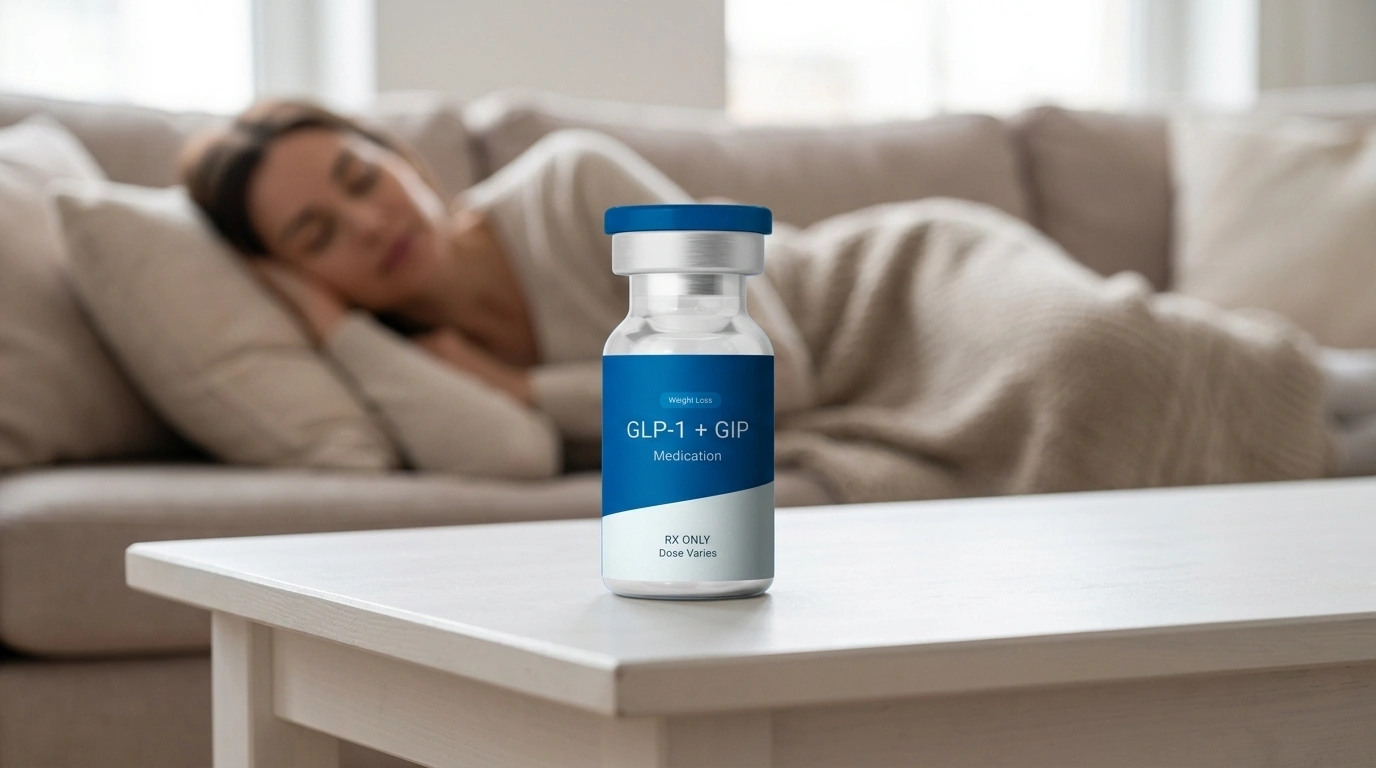
Mounjaro® is a dual agonist that mimics two natural hormones: glucagon-like peptide-1 (GLP-1) and glucose-dependent insulinotropic polypeptide (GIP). Together, these hormones regulate blood sugar and slow down the rate at which food leaves your stomach, a process known as delayed gastric emptying.
Because food stays in your stomach longer, you feel full with much smaller portions. However, this slowed digestion also means that if you eat foods that are difficult to process, they sit in your digestive tract for an extended period. This is often the root cause of common side effects like nausea, bloating, and indigestion. Understanding this mechanism is the first step in realizing why certain dietary choices are more “Mounjaro-friendly” than others. For a deeper look at the biology, our guide on how GLP-1 actually works for weight loss explains the hormonal side of the story.
Key Takeaway: Mounjaro® slows down your digestion significantly, meaning your stomach takes much longer to empty. Choosing light, easily digestible foods helps prevent the medication’s common gastrointestinal side effects.
High-Fat and Fried Foods
Fried and greasy foods are among the most difficult items for your body to digest while on a GLP-1 or GIP medication. When you consume items like fried chicken, French fries, or heavy burgers, the high fat content requires significant effort from your gallbladder and pancreas to break down.
Because Mounjaro® has already slowed your digestive system, these heavy fats sit in the stomach for hours. This often leads to intense nausea, “sulfur burps,” and upper abdominal discomfort. Furthermore, these foods are incredibly calorie-dense, which can counteract the weight loss benefits you are working so hard to achieve. If you want a fuller breakdown, our post on what not to eat on tirzepatide goes into more detail.
Why Grease Causes Problems
When fat sits in the stomach too long, it can begin to ferment or cause acid reflux. Many patients report that even a small serving of something fried can lead to a full day of digestive upset. If you are participating in one of our programs at TrimRx, we often suggest prioritizing cooking methods that use minimal oil.
Better Alternatives
- Air-frying: Get the crunch without the submerged oil.
- Grilling or Broiling: Allows excess fat to drip away from the meat.
- Steaming: Keeps nutrients intact and digestion light.
Sugary Foods and Added Sugars
Consuming high amounts of sugar can cause rapid spikes in blood glucose, which directly opposes the blood-sugar-regulating goals of Mounjaro®. While the medication helps your body manage insulin more effectively, overwhelming the system with refined sugar makes it harder for the drug to do its job.
Sugary snacks like candies, pastries, and soda are often “empty calories.” They provide no fiber or protein to help you feel full, making it easier to overeat. Additionally, many people on tirzepatide find that their taste buds change, and extremely sweet foods may suddenly taste cloying or cause immediate nausea. Our GLP-1 diet plan: foods to avoid and include offers a broader framework for building balanced meals.
Hidden Sugars to Watch For
Sugar isn’t always obvious. It hides in many processed items that might seem “healthy” at first glance.
- Condiments: Ketchup, barbecue sauce, and some salad dressings are loaded with sugar.
- Yogurts: Flavored yogurts often have as much sugar as a candy bar.
- Granola Bars: Many are held together by corn syrup or honey.
Bottom line: Minimizing added sugars helps stabilize your energy levels and allows Mounjaro® to focus on improving your metabolic health rather than constantly fighting glucose spikes.
Refined Carbohydrates
Refined carbohydrates, such as white bread, white rice, and pasta, have been stripped of their natural fiber. This means they break down into sugar almost immediately after you eat them. Fiber is essential when taking GLP-1 medications because it helps keep things moving through your digestive tract, reducing the risk of constipation.
Refined grains provide a quick burst of energy followed by a crash, which can leave you feeling fatigued. Since some patients experience mild fatigue when starting medication, adding a “sugar crash” on top of it can make your day much harder. If you’re looking for extra energy support during weight loss, the Weight Loss Boost supplement is a simple next step to consider.
Making the Switch to Complex Carbs
Instead of refined options, focus on complex carbohydrates that release energy slowly.
- Quinoa and Farro: These are high in protein and fiber.
- Sweet Potatoes: These provide vitamins and a slower glucose release than white potatoes.
- Oats: A great way to start the day with stable energy.
High-Glycemic Index Fruits and Vegetables
While all fruits and vegetables offer vitamins, some have a high glycemic index (GI), meaning they raise blood sugar quickly. If you are using Mounjaro® to manage Type 2 diabetes or significant weight loss, being mindful of the GI scale can help you maximize your results.
Note: You do not need to eliminate these entirely, but you should be mindful of portion sizes and avoid eating them on an empty stomach.
| Food Category | High GI (Limit These) | Low GI (Choose These) |
|---|---|---|
| Fruits | Watermelon, Pineapple, Mango | Berries, Green Apples, Cherries |
| Vegetables | White Potatoes, Corn, Parsnips | Spinach, Broccoli, Cauliflower |
| Grains | White Rice, Bagels, Cornflakes | Steel-cut Oats, Barley, Quinoa |
Carbonated Beverages and Sugary Drinks
Fizzy drinks like soda, seltzer, and sparkling water can introduce excess gas into a digestive system that is already moving slowly. This often results in painful bloating and increased pressure in the abdomen. When your stomach is already “tight” from the medication’s effects, the extra volume from carbonation can be quite uncomfortable.
Sugary beverages, including fruit juices and sweetened coffee drinks, are also problematic. They deliver a high dose of calories and sugar without providing any feeling of fullness. Many people find that switching to flat, filtered water or herbal teas significantly reduces their daily bloating.
Alcohol Consumption
Drinking alcohol while taking Mounjaro® requires caution because alcohol can lower your blood sugar and irritate your stomach. The liver is responsible for processing alcohol, but it also plays a key role in glucose production. If you drink on an empty stomach while taking medication, you may experience a risky drop in blood sugar (hypoglycemia).
Additionally, many people report that their tolerance for alcohol changes while on tirzepatide. Hangovers may feel more severe, and the desire to drink often decreases. Alcohol is also a source of “hidden calories” that can stall weight loss progress.
Quick Answer: While alcohol isn’t strictly forbidden, it is best to limit intake to occasional, small amounts consumed with food to prevent blood sugar drops and stomach irritation.
What You Should Eat: The Positive Pivot
Focusing on what you can eat is just as important as knowing what to avoid. To support your body while on Mounjaro®, you should prioritize nutrient density. Since you will likely be eating less food overall, every bite needs to count toward your daily nutritional needs. If you want additional nutritional support during GLP-1 treatment, the GLP-1 Daily Support supplement can fit into that routine.
Prioritize Lean Protein
Protein is the most important macronutrient during weight loss. It helps you maintain muscle mass while your body burns fat. Aim to include a source of lean protein at every meal.
- Chicken and Turkey: Skinless cuts are best for digestion.
- Fish: Provides healthy omega-3 fatty acids.
- Plant-based proteins: Tofu, lentils, and chickpeas are excellent fiber-rich options.
Emphasize Non-Starchy Fiber
Fiber is your best defense against constipation, a common side effect of GLP-1 therapies. Aim for a variety of colorful vegetables.
- Leafy Greens: Spinach, kale, and arugula are nutrient powerhouses.
- Cruciferous Vegetables: Broccoli and cauliflower help with satiety.
- Berries: Raspberries and blackberries are among the highest-fiber fruits.
Healthy Fats in Moderation
Your body needs fat for hormone production and vitamin absorption, but keep portions small to avoid digestive upset.
- Avocados: A great source of potassium and healthy fats.
- Nuts and Seeds: A small handful of almonds or walnuts provides a satisfying crunch.
- Olive Oil: Use sparingly for dressing or light sautéing.
How to Manage Side Effects with Your Diet
If you do experience nausea or indigestion, small changes to how you eat can be just as effective as changing what you eat. Most side effects are temporary and occur when you first start the medication or increase your dose. Our personalized programs at TrimRx are designed to help you navigate these transitions with expert support. For a practical overview of symptom management, see our guide on GLP-1 nausea: a 2026 breakdown on how long it really lasts.
Eat Smaller, More Frequent Meals
Rather than three large meals, try eating four or five very small portions throughout the day. This prevents your stomach from becoming over-distended, which is a major trigger for nausea.
Eat Slowly and Mindfully
It takes time for your brain to receive the “I’m full” signal from your stomach. Because Mounjaro® slows down the process, you might feel fine one minute and uncomfortably stuffed the next. Eating slowly allows you to stop exactly when you are satisfied.
Stay Hydrated
Dehydration can mimic the feeling of hunger and worsen nausea. Aim for at least 64 to 80 ounces of water daily. If you struggle with plain water, try adding a squeeze of lemon or a few cucumber slices.
Key Takeaway: Proper hydration and mindful eating are the “secret weapons” of a successful weight loss journey. They minimize discomfort and ensure your body is functioning at its metabolic peak.
Step-by-Step: Transitioning Your Diet
Making a total dietary overhaul overnight is rarely sustainable. Instead, follow these steps to gradually align your eating habits with your Mounjaro® treatment.
Step 1: Focus on hydration. Before changing your food, ensure you are drinking enough water. Proper hydration makes the transition much easier on your digestive system.
Step 2: Increase your protein intake. Start by ensuring every breakfast and lunch has at least 20–30 grams of protein. This will help stabilize your energy and protect your muscles.
Step 3: Swap one refined carb per day. Replace your morning white toast with oatmeal, or swap your white rice at dinner for quinoa. These small changes add up over a week.
Step 4: Identify your “trigger foods.” Keep a simple log of what you eat and how you feel. If you notice that spicy food or heavy cream always leads to heartburn, you’ll know exactly what to avoid in the future.
Step 5: Reduce liquid calories. Gradually phase out sodas, sweet teas, and excessive alcohol. Replace them with water, herbal tea, or black coffee.
The Importance of Professional Guidance
Every person’s body reacts differently to GLP-1 and GIP medications. While these general guidelines apply to most people, your specific medical history, activity level, and health goals may require a more tailored approach.
If you have underlying conditions like kidney issues, pancreatitis, or severe gastrointestinal disorders, it is essential to work closely with a healthcare professional. They can help you determine the right dosage and dietary plan for your unique needs. We provide access to licensed providers who can monitor your progress and make adjustments as needed. If you’re considering prescription treatment, complete the free assessment quiz to see whether you’re a candidate.
Important: If you experience severe abdominal pain, persistent vomiting, or signs of an allergic reaction, contact a healthcare provider immediately.
Conclusion
Achieving sustainable weight loss is about more than just a weekly injection; it is about creating a lifestyle that supports your long-term health. By avoiding fried foods, excess sugar, and refined carbohydrates, you allow Mounjaro® to work more effectively while keeping side effects at bay. Focus on lean proteins, high-fiber vegetables, and consistent hydration to feel your best.
At TrimRx, our mission is to help you embrace a healthier lifestyle through science, empathy, and personalized care. We believe that weight loss should be a transparent and supportive journey. By combining modern telehealth technology with clinical expertise, we empower you to take control of your metabolic health from the comfort of your home.
When you’re ready to get started, see if a personalized prescription program is right for you.
FAQ
Can I eat spicy foods while taking Mounjaro?
While spicy foods are not strictly prohibited, many people find they cause increased heartburn or stomach upset while on the medication. Because Mounjaro® slows down your digestion, the spice stays in contact with your stomach lining longer, which can be irritating. If you enjoy spicy food, try small amounts first to see how your body reacts. For a broader overview of trigger foods, our guide on what foods should you avoid while taking GLP-1? may help.
Is it okay to skip meals if I’m not hungry?
It is generally better to eat small, nutrient-dense snacks rather than skipping meals entirely. Skipping meals can lead to low blood sugar and fatigue, and it may make it harder to get enough protein and vitamins for the day. If your appetite is very low, focus on small bites of lean protein or a small portion of Greek yogurt.
Why do I need to eat so much protein?
Protein is essential because it helps preserve your lean muscle mass during weight loss. When you lose weight rapidly, your body may try to burn muscle for energy; eating enough protein tells your body to prioritize burning fat instead. Additionally, protein is highly satiating and helps keep your energy levels stable throughout the day.
Do I have to give up coffee?
You do not have to give up coffee, but you should be mindful of what you add to it. Large amounts of cream and sugar can lead to nausea and unnecessary calories. Also, be aware that caffeine can sometimes worsen the feeling of jitzeriness or nausea in some people, so listen to your body and stay hydrated with plenty of water alongside your coffee.
Disclaimer: This content is for informational purposes only and does not constitute medical advice. It is not intended to diagnose, treat, cure, or prevent any disease or condition. Individual results may vary. Always consult a qualified healthcare professional before starting any weight loss program or medication.

Transforming Lives, One Step at a Time
Keep reading

Mounjaro Alternatives: What Else to Consider
If Mounjaro isn’t the right fit, the closest alternatives are other GLP-1 medications, chiefly semaglutide (Ozempic for diabetes, Wegovy for weight), along with a…

Mounjaro vs Zepbound: Same Drug, Two Brands
Like their semaglutide counterparts, Mounjaro and Zepbound are the same medication (tirzepatide) sold under two names for two purposes: Mounjaro is approved for type…

Retatrutide vs Mounjaro: Triple Agonist vs Dual Agonist
The core difference between retatrutide and Mounjaro comes down to how many hormone targets each hits: retatrutide activates three receptors, while Mounjaro (tirzepatide) activates…


