What Fruit is Best for Weight Loss? Our Team’s Top Picks
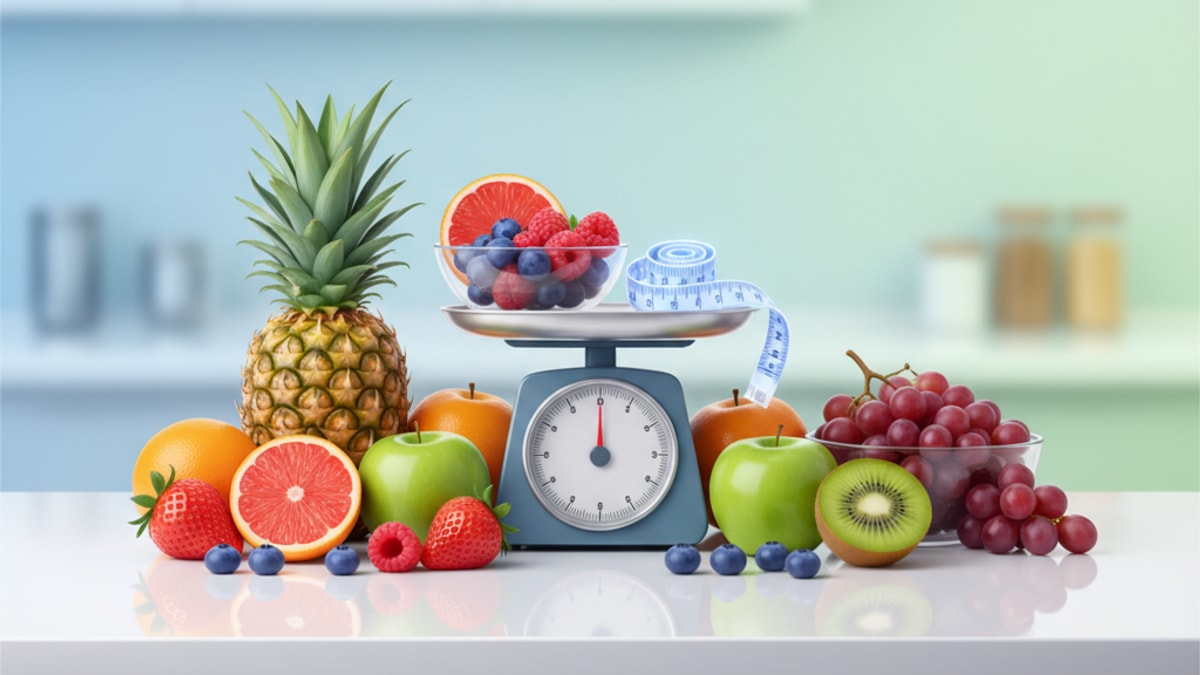
Let’s start with a simple truth: the advice to “eat more fruit” for weight loss is everywhere. It’s well-intentioned. It's also incredibly vague. We’ve seen countless clients come to us confused, worried about sugar, and unsure if their daily apple is helping or hindering their progress. The question isn't just if you should eat fruit, but which fruit, and how it fits into a truly effective, modern weight management strategy. It’s a nuanced conversation, and frankly, it deserves a more sophisticated answer than you'll find on most health blogs.
Here at TrimrX, our entire focus is on the science of weight loss. We work with cutting-edge tools like GLP-1 medications, but we know—from extensive clinical experience—that these powerful treatments work best when supported by intelligent, sustainable lifestyle choices. Nutrition isn't just a sidebar; it's a critical, non-negotiable element of long-term success. So when we talk about fruit, we're not just guessing. We're looking at the data, the metabolic impact, and the practical application for people on a serious weight loss journey. This is our deep dive into the fruits that genuinely move the needle.
Why Fruit Isn't the Enemy of Weight Loss
First, we have to dismantle the biggest myth out there: the fear of fruit sugar. Yes, fruit contains fructose. But the fructose you get from a whole pear is worlds away from the high-fructose corn syrup in a can of soda. It's a completely different metabolic proposition. Why? Because in whole fruit, that sugar comes packaged with a team of powerful allies: fiber, water, vitamins, and phytonutrients.
Think of it this way. The fiber in an apple acts like a biological braking system. It slows down the absorption of sugar into your bloodstream, preventing the sharp insulin spike that can lead to fat storage and a subsequent energy crash. That's a dramatic shift from the immediate, catastrophic rush you get from processed sugars. The water content contributes to volume, helping you feel full and satisfied on fewer calories. And the micronutrients? They support everything from your metabolism to your cellular health.
Our team has found that people who strategically incorporate the right kinds of fruit into their diet report better satiety, fewer cravings for processed sweets, and more consistent energy levels. It’s not about avoiding sugar entirely. It’s about choosing the right source. Simple, right?
The Non-Negotiables: What Makes a Fruit Great for Weight Loss?
So, what separates a weight-loss superstar from a less-than-ideal choice? We've refined our criteria over years of guiding patients. It really comes down to a few key factors that work together to support your body's natural weight regulation systems.
Here’s what we look for:
- A High Fiber-to-Sugar Ratio: This is probably the most important metric. We want fruits where the fiber content is substantial enough to buffer the natural sugar. Fiber is a powerhouse. It feeds your gut microbiome—the trillions of bacteria that play a formidable role in regulating your appetite and metabolism—and it physically slows down digestion. This means you stay fuller, longer.
- High Water Content: Fruits that are mostly water, like berries and melons, provide significant volume for very few calories. This is a concept called energy density. Low-energy-density foods allow you to eat a satisfying portion without overloading on calories. It's a simple trick for managing hunger that we recommend constantly.
- Low Glycemic Load (GL): The Glycemic Index (GI) tells you how quickly a food raises blood sugar, but the Glycemic Load is even more useful. It takes portion size into account. A fruit with a low GL will have a much gentler impact on your blood sugar and insulin levels, which is absolutely critical for managing fat storage and cravings. Let's be honest, this is crucial.
- Nutrient and Antioxidant Density: Weight loss can be a stressful process for the body. Fruits rich in vitamins, minerals, and potent antioxidants like polyphenols and flavonoids help combat inflammation and oxidative stress. They support your overall health, ensuring your body is functioning optimally as you lose weight. It’s about more than just the scale.
When a fruit checks all these boxes, it becomes more than just a sweet treat. It becomes a functional food that actively supports your goals.
Our Top 10 Fruits for Supporting a Healthy Weight
After analyzing the data and observing real-world patient results, our team has compiled a list of fruits that consistently deliver. These aren't just random picks; they are chosen for their unique properties that align perfectly with a successful weight loss plan.
1. Berries (All Kinds)
Strawberries, blueberries, raspberries, blackberries—they are the undisputed champions. They have one of the highest fiber-to-sugar ratios you can find. A full cup of raspberries packs an incredible 8 grams of fiber for only about 65 calories. They are also loaded with antioxidants called anthocyanins, which have been linked to improved insulin sensitivity. We often suggest them as a go-to for curbing a sweet tooth. They are versatile, delicious, and metabolically friendly. A true win-win.
2. Grapefruit
This isn't just an old-school diet cliché; there's real science here. Grapefruit is high in water and fiber, but its secret weapon might be a flavonoid called naringenin. Some studies suggest this compound can improve insulin sensitivity and help the liver burn fat. While it's not a magic bullet (nothing is), its low calorie count and ability to promote fullness make it a fantastic choice, especially before a meal.
3. Apples
An apple a day… well, it might just help keep the pounds away. The key is their high concentration of pectin, a type of soluble fiber that slows digestion and promotes a feeling of fullness. The simple act of chewing a crisp apple is also more satisfying than consuming a liquid or soft food with the same calories. Our experience shows that clients who swap a processed granola bar for an apple as their afternoon snack see a significant, sometimes dramatic shift in their evening eating habits.
4. Avocados
Wait, isn't avocado a high-fat, high-calorie food? Yes. And that's exactly why it's on this list. Avocados are packed with monounsaturated fats, the same healthy kind found in olive oil. These fats are incredibly satiating. They shut down hunger signals in the brain in a way that carbohydrates simply can't. A quarter or half an avocado paired with a meal can keep you full for hours, preventing mindless snacking. It’s a perfect example of how focusing only on calories can be misleading.
5. Pears
Often overlooked, pears are a fiber giant. A single medium pear contains about 6 grams of fiber, much of it in the form of pectin. Like apples, they have a low glycemic load and a high water content. Their slightly gritty texture comes from lignans, which also contribute to the fiber count. They are a fantastic option for digestive health and blood sugar stability.
6. Kiwi
Don't let the small size fool you. Two small kiwis provide more than 100% of your daily vitamin C and a solid 4-5 grams of fiber for under 100 calories. They also contain a unique enzyme called actinidin, which aids in protein digestion. This can be particularly helpful for preventing the bloating and discomfort some people experience on a higher-protein diet, which is common during weight loss.
7. Oranges
We're talking about the whole fruit, not the juice. An orange is incredibly hydrating and, for its sweetness, remarkably low in calories. The white pith and membranes surrounding the segments are rich in fiber, which is completely stripped away in juice. Eating a whole orange provides a satisfying burst of sweetness and a solid dose of fiber and vitamin C that supports both satiety and immune function.
8. Watermelon
Watermelon has a higher glycemic index, which scares some people off. But this is where understanding Glycemic Load is key. Because watermelon is over 90% water, a typical serving size has very few carbohydrates, resulting in a very low GL. It’s incredibly hydrating and contains an amino acid called citrulline, which can improve blood flow. It’s the perfect summer fruit for satisfying hydration and sweetness needs without derailing your progress.
9. Stone Fruits (Peaches, Plums, Nectarines)
During their peak season, stone fruits are an excellent choice. They are relatively low in calories and provide a good amount of fiber, along with vitamins A and C. Their natural sweetness is often enough to satisfy a dessert craving, making them a brilliant substitute for cakes, cookies, or ice cream. We've found that having a bowl of fresh peaches on hand is one of the best strategies for navigating summer barbecues and parties.
10. Pomegranate Seeds
While a bit more work to eat, pomegranate arils are nutritional grenades. They are packed with fiber and some of the most powerful antioxidants in the plant kingdom, called punicalagins. These compounds are intensely anti-inflammatory. Chronic, low-grade inflammation is a known barrier to weight loss, and foods that combat it are always a welcome addition to any plan.
A Quick Comparison: Weight Loss Fruit Power Rankings
To make it even clearer, our team put together a simple chart comparing some of our top picks. Keep in mind these are approximations, as values can vary based on size and ripeness. The goal here is to see the patterns.
| Fruit (1 Cup Serving) | Primary Benefit | Fiber (Approx. g) | Glycemic Load (Approx.) |
|---|---|---|---|
| Raspberries | Highest Fiber | 8.0g | 3 |
| Blackberries | High Fiber | 7.6g | 4 |
| Avocado (cubed) | Healthy Fats | 10.0g | <1 |
| Pear (1 medium) | Pectin Fiber | 6.0g | 7 |
| Apple (1 medium) | Satiety/Pectin | 4.5g | 6 |
| Strawberries | Low Calorie | 3.0g | 3 |
| Orange (1 medium) | Hydration/Fiber | 3.0g | 5 |
| Kiwi (sliced) | Digestion | 5.0g | 7 |
| Grapefruit (1/2 med) | Fullness | 2.0g | 3 |
| Watermelon (cubed) | Hydration | 0.6g | 4 |
This table really highlights the fiber differences. You can see why berries and avocados are such standouts for satiety.
Beyond the Fruit Bowl: How to Maximize the Benefits
Eating the right fruit is step one. Step two is eating it in the right way. This is where a little strategy can amplify the benefits significantly.
We can't stress this enough: always pair fruit with a source of protein or healthy fat if you're eating it as a standalone snack. An apple is good. An apple with a tablespoon of almond butter is a metabolic masterpiece. The protein and fat further slow down sugar absorption, leading to rock-solid blood sugar control and prolonged satiety. Think berries with Greek yogurt, a pear with a handful of walnuts, or an orange with a small piece of cheese.
Portion control still matters. While these fruits are excellent choices, they aren't 'free' foods. We generally recommend 2-3 servings of fruit per day for most people on a weight loss plan. A serving is typically a medium-sized piece of fruit or about a cup of berries or melon. This provides all the benefits without contributing excessive calories or sugar to your daily intake.
Fruit's Role in a Modern Weight Loss Journey
Now, this is where it gets interesting. How does all this fit into a medically supervised program like the ones we facilitate at TrimrX? It's a synergistic relationship. GLP-1 medications like Semaglutide and Tirzepatide are revolutionary. They work by mimicking natural hormones that tell your brain you're full and by slowing down how quickly your stomach empties. The result is a powerful reduction in appetite and cravings.
This is where high-fiber fruits become even more valuable. Because digestion is already slowed by the medication, adding fiber-rich foods enhances that effect, leading to incredible, long-lasting satiety. A small, well-balanced meal containing protein, healthy fat, and a high-fiber fruit can keep you feeling comfortably full for many hours. This makes sticking to a calorie deficit feel almost effortless, which is the key to consistency. The medication creates the opportunity, and smart nutrition helps you capitalize on it.
Furthermore, as you lose weight, your body's nutritional needs become even more critical. You need to fuel it with the vitamins, minerals, and antioxidants it needs to function well. The nutrient-dense fruits on our list are perfect for this role. They ensure you're not just losing weight, but also nourishing your body and building a foundation for long-term health. This holistic approach is fundamental to what we do. If you're curious about how a medical program can integrate with these nutritional strategies, you can Take Quiz to see if you're a candidate.
What About Dried Fruit, Juices, and Smoothies?
This is a common pitfall we see. People think they're making a healthy choice, but they're accidentally consuming a massive amount of sugar.
Dried Fruit: When you remove the water from fruit, you're left with a highly concentrated source of sugar and calories. A small box of raisins can have the same amount of sugar as a can of soda. We generally recommend avoiding dried fruit or using it very sparingly (think one or two chopped dates in a salad, not a handful as a snack).
Fruit Juice: We're unflinching on this one: avoid it. Juicing strips away all the beneficial fiber, leaving you with what is essentially sugar water. It causes a rapid spike in blood sugar and offers none of the satiety benefits of whole fruit. You can drink hundreds of calories from juice in seconds and still feel hungry.
Smoothies: These can go either way. A smoothie can be a fantastic, nutrient-dense meal replacement or a disastrous sugar bomb. The difference is in the ingredients. A great smoothie follows our pairing rule: a base of fruit (like a cup of berries), a strong source of protein (Greek yogurt, protein powder), a healthy fat (avocado, chia seeds, nut butter), and a non-starchy vegetable (a handful of spinach is tasteless but adds nutrients). This creates a balanced, fiber-rich, and satiating meal. A bad smoothie is just fruit, juice, and maybe some sweetened yogurt—a recipe for a blood sugar rollercoaster. When you're ready to combine powerful science with smart nutrition, you can Start Your Treatment with our medical team.
Ultimately, fruit is a powerful tool in your weight loss arsenal when you know how to use it. It's not about restriction or fear; it's about making strategic, informed choices. By focusing on high-fiber, high-water, nutrient-dense options and pairing them intelligently, you can satisfy your sweet tooth, stay full and energized, and provide your body with the critical nutrients it needs. It's an approach that complements and enhances any weight loss journey, from simple dietary changes to advanced medical treatments.
Frequently Asked Questions
Can I eat too much fruit and gain weight?
▼
Yes, it’s possible. While fruit is healthy, it still contains calories and sugar. We recommend sticking to 2-3 controlled portions per day, focusing on high-fiber options to ensure you get the benefits without overdoing your calorie intake.
Which fruit has the lowest amount of sugar?
▼
Berries, like raspberries and blackberries, are exceptionally low in sugar for the amount of fiber and nutrients they provide. Lemons and limes are technically the lowest, but berries are the best low-sugar option for a satisfying snack.
Is it better to eat fruit in the morning or at night?
▼
There’s no magic time to eat fruit. However, our team often suggests incorporating it earlier in the day or as a pre-workout snack for energy. Eating a large amount of any carbohydrate right before bed is generally not ideal for most people’s metabolic health.
Are frozen fruits as good as fresh for weight loss?
▼
Absolutely. Frozen fruit is picked and frozen at peak ripeness, which often preserves its vitamin and antioxidant content even better than fresh fruit that has traveled a long way. They are a fantastic, convenient, and cost-effective option.
How does fruit fit in with a GLP-1 medication plan?
▼
Fruit is an excellent partner for GLP-1 medications like Semaglutide. The high fiber content works with the medication’s effect of slowing digestion, leading to enhanced and prolonged feelings of fullness. This makes it much easier to maintain a healthy, low-calorie diet.
Does grapefruit really ‘burn’ fat?
▼
Grapefruit doesn’t magically burn fat on its own. However, its high water and fiber content promote fullness, and some compounds may improve insulin sensitivity. It’s a great tool for weight management, but not a miracle worker.
Should I avoid bananas if I’m trying to lose weight?
▼
Not necessarily. While bananas are higher in sugar and starch than berries, they are also a great source of potassium and prebiotic fiber. A small banana, especially one that’s slightly green, can be a fine choice in moderation, particularly before a workout.
What’s more important: a fruit’s fiber content or its calorie count?
▼
For weight loss, the fiber content is arguably more important. A high-fiber fruit will keep you fuller for longer, which naturally helps you control your overall calorie intake throughout the day. Focusing on satiety is often more effective than just counting calories.
Is fruit a good post-workout snack?
▼
Yes, it can be, especially when paired with protein. The carbohydrates in fruit help replenish your muscle glycogen stores after exercise, while a protein source (like Greek yogurt or a protein shake) helps with muscle repair. This combination is ideal for recovery.
Are organic fruits better for weight loss?
▼
From a weight loss perspective, the nutritional content (fiber, sugar, calories) is the same between organic and conventional fruit. The primary benefit of organic is reduced exposure to pesticides. If it’s accessible to you, it’s a great choice, but don’t let it be a barrier to eating fruit.
What about fruit smoothies from a store?
▼
We strongly advise caution with store-bought smoothies. They are often very large and made with fruit juice, frozen yogurt, or sherbet, making them incredibly high in sugar and calories. It’s always better to make your own so you can control the ingredients.
Can the sugar in fruit stall a low-carb diet like keto?
▼
Yes, most fruits contain too many carbohydrates to be compatible with a strict ketogenic diet. On a general low-carb diet, small portions of low-sugar berries might be acceptable, but it requires careful tracking of your total carb intake.

Transforming Lives, One Step at a Time
Keep reading

Do You Need a Prescription for GLP-1s? The 2026 Answer
Wondering ‘do you need a prescription for glp 1’ in 2026? Yes. We explain why a doctor’s oversight is critical for safe, effective results.

How to Get GLP-1 Covered By Insurance: Our 2026 Playbook
Struggling with how to get glp-1 covered by insurance? Our 2026 guide breaks down prior authorizations, appeals, and documentation.

Traveling with GLP-1s in 2026: Your Essential Trip-Proof Plan
Don’t let travel disrupt your GLP-1 treatment. Learn how to travel with glp 1 medications safely and stress-free in our 2026 expert guide.


