What Fruits to Eat on Mounjaro for Optimal Weight Loss
Introduction
Starting a weight loss journey with Mounjaro® can feel like a significant turning point in your health. You may notice that the constant “food noise” in your mind has finally quieted, allowing you to make more intentional choices about what you eat. However, when your appetite is naturally lower, every bite you take needs to provide maximum nutritional value. Fruit is often a topic of debate; while some people worry about natural sugars, others recognize that fruits are essential for fiber, vitamins, and hydration. At TrimRx, we believe that understanding how to nourish your body is just as vital as the medication itself. This guide will help you navigate what fruits to eat on Mounjaro to support your metabolic health, manage side effects, and sustain your energy. By selecting the right produce, you can support your body’s transformation and build a foundation for long-term success.
Quick Answer: The best fruits to eat while taking Mounjaro® are those with a low glycemic index and high fiber content, such as berries, apples, and pears. These options help maintain steady blood sugar levels and support digestion, which is particularly important as GLP-1 medications slow down the digestive process.
Why Fruit Selection Matters on Mounjaro®
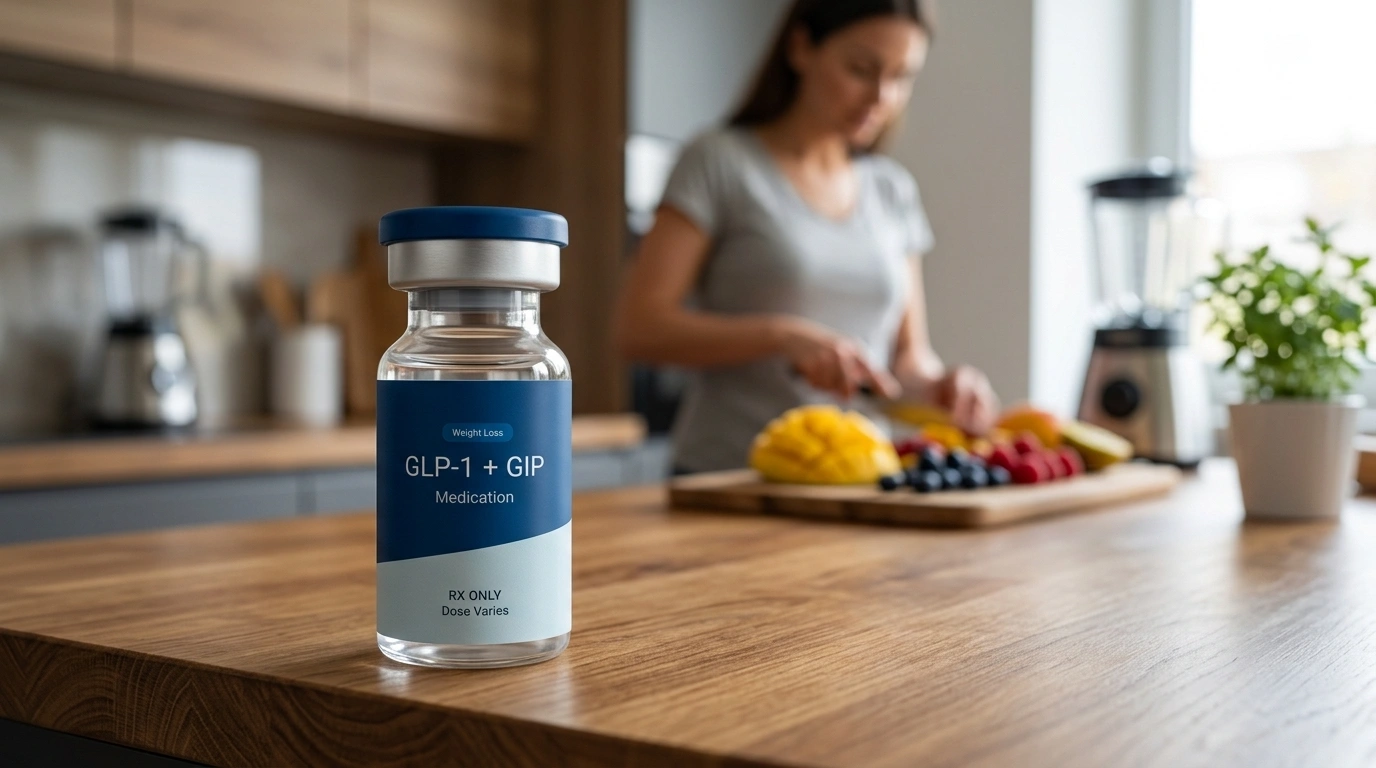
Mounjaro® contains the active ingredient tirzepatide, which is a dual-acting medication. It mimics two hormones in the body: glucagon-like peptide-1 (GLP-1) and glucose-dependent insulinotropic polypeptide (GIP). These hormones work together to regulate blood sugar levels and slow down “gastric emptying,” which is the rate at which food leaves your stomach. Because food stays in your system longer, you feel full for a more extended period.
When your digestion is slower, the quality of the carbohydrates you eat becomes critical. If you consume fruits that are very high in sugar and low in fiber, you might experience blood sugar spikes or increased gastrointestinal discomfort. Conversely, choosing fruits packed with fiber and water can help mitigate some of the most common side effects of the medication, such as constipation or mild nausea. For more detail on this effect, see our guide to GLP-1 medications and bowel changes.
Nutrient density is the primary goal when your caloric intake decreases. Since you are likely eating smaller portions, you must ensure those portions are rich in micronutrients like Vitamin C, potassium, and antioxidants. Fruit is an excellent vehicle for these nutrients, provided you choose varieties that align with your metabolic goals.
Top 5 Fruits to Eat on Mounjaro®
1. Berries (Strawberries, Blueberries, Raspberries, and Blackberries)
Berries are widely considered the “gold standard” of fruit for anyone on a GLP-1 or GIP medication. They are exceptionally high in fiber relative to their sugar content. For example, raspberries and blackberries contain about 8 grams of fiber per cup. This fiber is essential because it helps keep the digestive tract moving, even when the medication is slowing things down.
Berries are also rich in polyphenols, which are plant compounds that support metabolic health. These antioxidants help reduce oxidative stress in the body, which can be beneficial as your metabolism adjusts to weight loss. Because they have a low glycemic index, they are unlikely to cause a sharp rise in blood glucose, making them an ideal snack or meal addition. If constipation is a concern, our article on common GLP-1 side effects covers practical ways to support digestion.
2. Apples and Pears
Apples and pears are excellent choices because they contain a specific type of soluble fiber called pectin. Pectin is known for its ability to support gut health and promote a feeling of fullness. When you are on a personalized program through the TrimRx platform, maintaining satiety between smaller meals is a key strategy for success.
To get the most benefit, always eat the skin of the fruit. The skin contains the majority of the fiber and many of the essential vitamins. These fruits are also highly portable, making them a convenient option for a busy lifestyle. Since they require significant chewing, they can also help you practice mindful eating, which is a helpful habit to develop while your appetite is suppressed.
3. Avocado
While often categorized as a vegetable in culinary contexts, the avocado is biologically a fruit and a powerhouse for weight loss. Unlike most fruits that are high in carbohydrates, avocados are rich in monounsaturated fats—the “healthy fats” that support heart health and hormonal balance.
The combination of healthy fats and high fiber makes avocados incredibly satiating. This can be particularly helpful if you find yourself struggling with “empty” feelings in the stomach between meals. Adding a few slices of avocado to a salad or a piece of whole-grain toast provides the sustained energy your body needs to maintain muscle mass and metabolic function during weight loss.
4. Citrus Fruits (Oranges, Grapefruits, Lemons, and Limes)
Citrus fruits are famous for their Vitamin C content, which is vital for immune function and skin health. However, for those taking Mounjaro®, citrus offers another significant benefit: hydration. These fruits have a very high water content, which helps you stay hydrated even if you aren’t drinking as much plain water as you should.
Grapefruit, in particular, has been studied for its potential role in insulin sensitivity. However, if you are taking other medications alongside your weight loss program, always consult your healthcare provider before adding grapefruit to your diet, as it can interact with certain prescriptions. For a deeper look at digestive effects, read our post on Does Mounjaro Cause Heartburn?.
5. Kiwi
Kiwi is a small fruit that packs a massive nutritional punch. It is one of the best fruits for supporting regular bowel movements, which is a common concern for those on GLP-1 medications. Kiwi contains an enzyme called actinidin, which helps the body break down proteins and improves overall digestion.
Eating two small kiwis can provide more Vitamin C than an orange and a significant amount of potassium. Potassium is an electrolyte that supports heart and muscle function, which is essential as your body undergoes physical changes during weight loss.
Key Takeaway: Prioritize high-fiber, low-sugar fruits like berries and apples to support digestive health and maintain stable energy levels while taking Mounjaro®.
Fruits to Eat in Moderation
While no fruit is strictly “off-limits,” some varieties may be less helpful for your goals while on a GLP-1 medication. These fruits are often higher in sugar and lower in fiber, which can lead to unwanted blood sugar fluctuations or digestive heaviness.
Tropical Fruits
Fruits like pineapple, mango, and papaya are delicious but contain higher concentrations of natural sugars. While they offer great vitamins, eating them in large quantities may interfere with the steady blood sugar levels you are trying to achieve. If you enjoy tropical fruits, try to pair them with a source of protein—like Greek yogurt or cottage cheese—to slow down the absorption of sugar.
Melons
Watermelon and cantaloupe are excellent for hydration, but they have a high glycemic index. This means the sugar in these fruits enters the bloodstream quickly. For someone managing type 2 diabetes or looking for maximum weight loss efficiency, it is better to consume these in smaller portions and ensure they are part of a balanced meal.
Dried Fruits
Dried fruits like raisins, dates, and dried cranberries are highly concentrated sources of sugar and calories. Because the water has been removed, it is very easy to eat a large amount without feeling full. Furthermore, many commercially available dried fruits have added sugars. If you are looking for a snack, fresh fruit is almost always a better choice for satiety and caloric control.
Fruit Juices
Even 100% fruit juice lacks the essential fiber found in whole fruit. Without fiber, the sugar in the juice hits your system rapidly, which can cause an insulin spike. Furthermore, drinking your calories is generally less satisfying than eating them. It is always better to “eat your fruit, don’t drink it” to ensure you are getting the full digestive benefits.
Using Fruit to Manage GLP-1 Side Effects
One of the challenges of medications like Mounjaro® or compounded tirzepatide is managing the transition as your body adjusts to the hormones. Fruit can be a natural tool to help mitigate some of these common issues. For broader strategies, our GLP-1 side effects guide can help you understand what’s normal.
- For Nausea: If you feel slightly nauseous, especially in the morning or after an injection, tart fruits like green apples or citrus can help. The acidity can sometimes settle the stomach. Small, frequent bites of cold fruit may be more tolerable than a full meal.
- For Constipation: High-fiber fruits are your best defense. Raspberries, pears, and kiwis are particularly effective. Pairing these with adequate water intake ensures the fiber can do its job in the digestive tract.
- For Low Energy: If you feel a mid-afternoon energy slump, the natural sugars in an apple paired with a few almonds can provide a steady release of energy without the “crash” associated with processed snacks. If you want extra support during this stage, consider GLP-1 Daily Support.
Note: If you experience severe or persistent gastrointestinal side effects, it is important to contact your licensed healthcare provider through the TrimRx platform to discuss dosage adjustments or symptom management.
The Importance of Protein Pairing
While fruit is healthy, it should rarely be eaten alone when you are on a medical weight loss program. Pairing fruit with a protein source is a fundamental strategy for metabolic health. Protein further slows the digestion of the fruit’s natural sugars, leading to even more stable blood glucose levels and prolonged fullness.
Practical pairing ideas include:
- A cup of raspberries mixed into non-fat Greek yogurt.
- Apple slices with a tablespoon of natural almond butter.
- Half an avocado with a hard-boiled egg.
- Fresh strawberries with a small serving of cottage cheese.
Our team at TrimRx emphasizes that weight loss is about more than just a number on a scale; it’s about preserving lean muscle mass. By ensuring you have adequate protein alongside your fiber-rich fruits, you support your body’s ability to burn fat while keeping your muscles strong.
How to Integrate Fruit into Your TrimRx Program
The journey to a healthier weight is highly individual. What works for one person’s digestion may not work for another’s. This is why we focus on personalized programs that adapt to your specific health profile and goals. When you use the TrimRx platform, you have access to clinical support that helps you refine your nutrition as you progress.
If you are just starting, we recommend the following steps:
- Take the free assessment quiz: This helps determine the right medication path for your needs, whether that is a branded option or a compounded medication from an FDA-registered pharmacy. You can complete the free assessment quiz when you are ready to get started.
- Start slow with fiber: If you haven’t been eating much fruit, introduce it gradually to allow your digestive system to adjust to the increased fiber.
- Monitor your response: Keep a simple log of how different fruits make you feel. Do berries give you consistent energy? Does pineapple make you feel bloated? Use this data to refine your choices.
- Use targeted supplements: For those who struggle to get enough nutrients through food alone, our GLP-1 Daily Support supplement can help bridge the gap while you focus on whole-food nutrition.
Key Takeaway: Use whole fruits as a strategic tool to manage hunger and side effects, but always aim for a balance of fiber, water content, and protein pairing.
The Science of Satiety and GLP-1s
To understand why fruit works so well with Mounjaro®, we have to look at the “Satiety Index.” This is a measure of how effective a food is at making you feel full and satisfied. Whole fruits, particularly those high in water and fiber, rank very high on this index.
When you take a GLP-1 receptor agonist, your body is already signaling to your brain that it is full. By eating foods that reinforce this signal—like a crisp apple or a bowl of watery melon—you are working with the medication rather than against it. This makes it much easier to maintain a calorie deficit without the feelings of deprivation that often lead to “yo-yo” dieting. For a related explainer, see our post on Ozempic food noise.
Furthermore, the vitamins found in fruit play a role in metabolic pathways. For example, magnesium found in some fruits and seeds is essential for glucose metabolism. B vitamins are necessary for converting the food you eat into cellular energy. By choosing a variety of colorful fruits, you are essentially providing your body with the “spark plugs” it needs to keep your metabolic engine running efficiently.
Practical Tips for Buying and Preparing Fruit
Maintaining a healthy diet is easier when you have a plan. To ensure you always have the right fruits on hand, consider these tips:
- Buy Frozen: Frozen berries are often just as nutritious as fresh ones and last much longer. They are perfect for adding to protein shakes or stirring into warm oatmeal.
- Wash and Prep Immediately: When you get home from the store, wash and cut your fruit right away. You are much more likely to grab a bowl of pre-cut strawberries than you are to wash and hull them when you’re already hungry.
- Watch for Ripeness: As fruit ripens, its starch converts to sugar. For those on Mounjaro®, slightly less ripe fruit (like a greenish-yellow banana) may have more “resistant starch,” which is better for blood sugar control than a very ripe, spotted banana.
- Keep it Visible: Place a bowl of apples or oranges on your counter. Visual cues are powerful; if you see the healthy option first, you’re more likely to choose it.
Bottom line: Success on a GLP-1 program is a combination of the right medication and the right fuel. Choosing high-fiber, nutrient-dense fruits is one of the simplest and most effective ways to support your body during this transition.
Conclusion
Choosing the right fruits while taking Mounjaro® is a small but powerful way to enhance your weight loss results. By focusing on high-fiber, low-glycemic options like berries, apples, and avocados, you can manage your appetite, support your digestion, and keep your energy levels high. Remember that fruit should be a part of a balanced, protein-rich diet tailored to your unique needs.
At TrimRx, our mission is to help individuals embrace healthier lifestyles through science, empathy, and transparency. We believe that with the right tools—including medically supervised programs and personalized guidance—sustainable weight loss is within reach for everyone.
Next Steps:
- Take our free assessment quiz to see which program is right for you.
- Focus on adding one serving of berries or a crisp apple to your daily routine.
- Pair your fruit with a lean protein to maximize satiety.
“Your weight loss journey is a marathon, not a sprint. The nutritional habits you build today are the foundation for the healthy life you will lead tomorrow.”
FAQ
Can I eat as much fruit as I want on Mounjaro?
While fruit is healthy, it still contains calories and natural sugars. Because Mounjaro® slows your digestion, eating excessive amounts of any food—including fruit—can lead to discomfort or bloating. It is best to stick to 2–3 servings of whole fruit per day, focused on high-fiber varieties.
Does fruit cause “dumping syndrome” on GLP-1 medications?
Dumping syndrome is more common after gastric bypass surgery, but some GLP-1 users experience discomfort if they eat very high-sugar foods on an empty stomach. To avoid this, choose low-sugar fruits like berries and always pair them with a protein or healthy fat to slow down digestion. If side effects are becoming difficult to manage, review the main GLP-1 side effects and consider whether you’re ready for the assessment quiz.
Is it better to eat fruit in the morning or evening?
There is no “perfect” time, but many people find that eating fruit in the morning or as a mid-afternoon snack provides a helpful energy boost. If you are prone to nighttime hunger, a small serving of fruit with Greek yogurt can be a satisfying way to end the day without a heavy meal. For extra day-to-day support, Weight Loss Boost is designed for moments like this.
Should I avoid bananas because of the sugar?
You don’t need to avoid bananas, but be mindful of their ripeness and size. A medium, slightly under-ripe banana provides excellent potassium and resistant starch. However, because they are higher in starch and sugar than berries, they should be eaten in moderation and paired with protein.
Disclaimer: This content is for informational purposes only and does not constitute medical advice. It is not intended to diagnose, treat, cure, or prevent any disease or condition. Individual results may vary. Always consult a qualified healthcare professional before starting any weight loss program or medication.

Transforming Lives, One Step at a Time
Keep reading

Mounjaro Alternatives: What Else to Consider
If Mounjaro isn’t the right fit, the closest alternatives are other GLP-1 medications, chiefly semaglutide (Ozempic for diabetes, Wegovy for weight), along with a…

Mounjaro vs Zepbound: Same Drug, Two Brands
Like their semaglutide counterparts, Mounjaro and Zepbound are the same medication (tirzepatide) sold under two names for two purposes: Mounjaro is approved for type…

Retatrutide vs Mounjaro: Triple Agonist vs Dual Agonist
The core difference between retatrutide and Mounjaro comes down to how many hormone targets each hits: retatrutide activates three receptors, while Mounjaro (tirzepatide) activates…


