What Happened When You Stop Taking Ozempic
Introduction
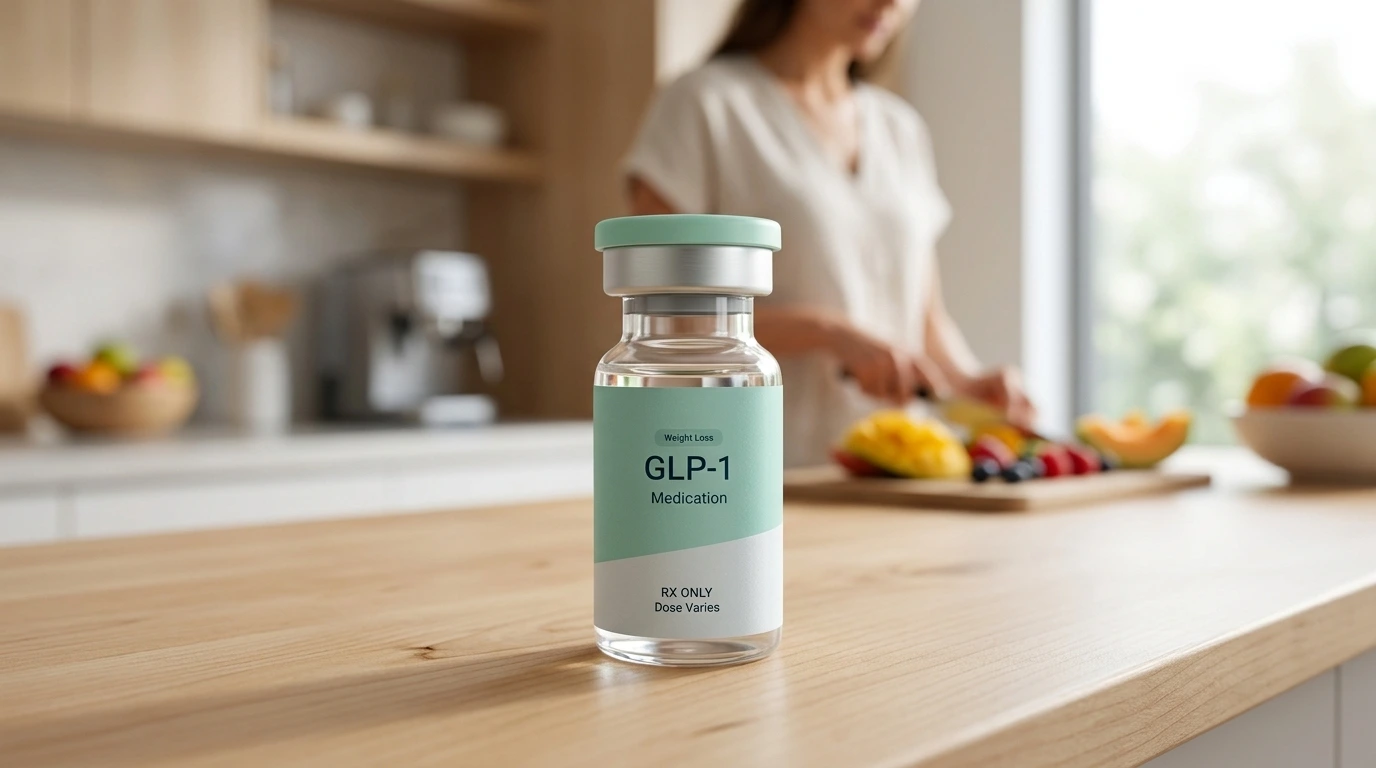
Reaching your target weight is a moment of celebration, but for many using GLP-1 medications, it also brings a new set of questions. You might wonder if you need to stay on the medication indefinitely or what actually happens to your body if you decide to move on. At TrimRx, we understand that the transition away from a prescription weight loss program can feel just as daunting as the first day you started. Whether you are considering stopping due to reaching your goals, managing side effects, or navigating insurance changes, knowing what to expect is the first step in protecting your progress. If you want a personalized next step, take the free assessment quiz to see whether a prescription program fits your situation. This article covers the physiological shifts, the return of appetite, and the metabolic changes that occur when the medication leaves your system. Our goal is to provide a clear roadmap so you can maintain your health gains with confidence and personalized support.
The Science of Stopping a GLP-1 Medication
Ozempic® (semaglutide) works by mimicking a natural hormone in your body called glucagon-like peptide-1. This hormone, often referred to as GLP-1, is responsible for several key functions: it tells your brain you are full, slows down how quickly your stomach empties, and helps your pancreas release the right amount of insulin. When you are taking the medication, these signals are amplified, making it much easier to maintain a calorie deficit without the constant distraction of hunger.
When you stop taking the medication, these signals begin to fade as the drug leaves your system. Because semaglutide has a long half-life, it doesn’t vanish overnight. It typically takes several weeks for the medication to be fully cleared from your body. For a closer look at the timing, how long Ozempic takes to work helps explain why the transition happens gradually. During this window, the physiological “volume” on your hunger signals starts to turn back up to its original setting.
Quick Answer: When you stop taking Ozempic®, your appetite and “food noise” typically return within a few weeks, and your blood sugar levels may rise. Because the medication no longer regulates your satiety signals, many people experience weight regain if they do not have a robust lifestyle and maintenance plan in place.
The Return of Appetite and Food Noise
One of the most immediate changes people report is the return of “food noise.” This term refers to the constant, intrusive thoughts about food, cravings, and the mental energy spent planning the next meal. While on the medication, many people feel a sense of liberation from these thoughts. As the medication levels drop, the brain’s reward centers reactivate, and those familiar cravings often return with their original intensity.
The speed of gastric emptying also returns to its baseline rate. This means food moves through your stomach faster than it did during treatment. You may notice that you no longer feel full after just a few bites and that the sensation of fullness doesn’t last nearly as long between meals. This shift can be jarring if you have become accustomed to the “forced” portion control that GLP-1 medications provide.
- Increased Hunger Cues: Your body resumes its natural production of ghrelin, the “hunger hormone.”
- Reduced Satiety: The “fullness” signals sent to the brain are no longer chemically enhanced.
- Cravings Return: The biological suppression of cravings for high-calorie or sugary foods diminishes.
Why Weight Regain Often Occurs
Clinical studies have shown that weight regain is a common outcome after discontinuing GLP-1 therapy. In many trials, participants who stopped the medication regained a significant portion of their lost weight within the first year. This is often referred to as the “rebound effect,” but it is important to understand that this is a biological response rather than a lack of willpower.
Obesity is increasingly recognized by the medical community as a chronic metabolic condition. Just as blood pressure returns to high levels if someone stops taking hypertension medication, weight often returns when the treatment for the underlying metabolic dysfunction is removed. Your body has a “set point”—a weight it strives to maintain—and after rapid weight loss, your biology may work overtime to pull you back toward that higher weight by increasing hunger and slowing your metabolic rate.
Key Takeaway: Weight regain after stopping a GLP-1 is a physiological response to the loss of hormonal regulation, not a personal failure. Maintaining weight loss requires a transition to a high-protein diet and consistent resistance training to protect metabolic health.
Changes in Blood Sugar and Insulin Sensitivity
For individuals using the medication to manage Type 2 diabetes or insulin resistance, stopping can have immediate metabolic consequences. Ozempic® is highly effective at lowering A1c levels by improving how the body handles glucose. Without the medication, the pancreas loses that extra support for insulin secretion, and the liver may begin to release more glucose into the bloodstream again.
It is common to see an uptick in blood sugar readings within weeks of the last dose. If you have a history of blood sugar issues, it is vital to work closely with a healthcare provider to monitor these levels. For readers with kidney concerns, Ozempic and kidney safety considerations can help frame a provider conversation. In some cases, a provider may recommend transitioning to a different medication or a more aggressive nutritional strategy to prevent a spike in glucose levels that could lead to fatigue, increased thirst, or blurred vision.
Comparison of Branded vs. Compounded Options
When considering your long-term plan, you may encounter different versions of these medications. It is important to understand the distinctions.
| Feature | Branded GLP-1s (e.g., Ozempic®, Wegovy®) | Compounded Semaglutide |
|---|---|---|
| FDA Status | FDA-approved for specific uses | Not FDA-approved |
| Source | Manufactured by branded pharmaceutical companies | Prepared by FDA-registered, inspected compounding pharmacies |
| Availability | Often subject to national supply shortages | Generally more accessible during shortages |
| Customization | Standardized, fixed dosages | Allows for personalized dosage adjustments by a provider |
| Supervision | Requires a prescription from a licensed provider | Requires a prescription and medical supervision |
Managing the “Ozempic Face” and Skin Changes
Rapid weight loss can lead to changes in facial volume, sometimes called “Ozempic face.” When you lose a significant amount of fat quickly, the skin may not have enough time to snap back, leading to a gaunt or aged appearance. If you stop the medication and experience weight regain, this effect often reverses as fat stores in the face are replenished. If facial changes are your main concern, this Ozempic face before-and-after guide is a useful companion read.
Skin elasticity can also be affected by the rate of weight loss. While regaining weight might fill out the skin, most people prefer to maintain their weight loss while improving their skin’s appearance. Focus on hydration and adequate protein intake, which provides the amino acids necessary for collagen production. If you choose to stop, doing so gradually under medical guidance may help your body—and your skin—adjust more naturally.
Why People Choose to Discontinue Treatment
There are several valid reasons why an individual might decide to stop their medication. Understanding these can help you identify if you are making the right choice for your lifestyle.
- Reaching a Goal Weight: Many people view the medication as a “jumpstart” and feel ready to manage their weight through lifestyle alone once they reach their target.
- Side Effect Management: While many side effects are manageable, some individuals experience persistent nausea, constipation, or fatigue that impacts their quality of life.
- Financial or Insurance Hurdles: Changes in insurance coverage or other affordability issues can make long-term use difficult. If that is part of your decision, Ozempic cost considerations without insurance can help you think through the tradeoffs.
- Supply Chain Issues: Frequent shortages of branded medications like Wegovy® or Mounjaro® can lead to forced gaps in treatment.
Note: If you are experiencing severe side effects, do not stop your medication abruptly without consulting your healthcare provider, as they may suggest a dosage adjustment instead.
How to Prepare for Stopping Your Program
If you and your provider decide that it is time to stop, a “cold turkey” approach is rarely the best path. A structured transition can help mitigate the return of hunger and protect your metabolic rate.
Step 1: Focus on Protein and Fiber.
Before you take your last dose, increase your daily protein intake. Protein is the most satiating macronutrient and helps preserve lean muscle mass. Fiber-rich vegetables also help keep the stomach full, mimicking some of the effects of the medication.
Step 2: Prioritize Resistance Training.
Muscle is metabolically active tissue. When you lose weight, you often lose muscle along with fat. By lifting weights or performing bodyweight exercises, you signal to your body to keep its muscle, which helps keep your metabolism from plummeting after you stop the medication.
Step 3: Gradually Taper the Dosage.
Some providers suggest slowly lowering the dose over several weeks rather than stopping all at once. This allows your brain and gut to slowly readjust to the return of natural hormonal signaling.
Step 4: Establish a Support System.
The return of “food noise” can be emotionally taxing. Having a team of specialists or a community to turn to can provide the accountability needed during the first few months off the medication.
Maintaining Your Results with TrimRx
At TrimRx, we believe that medication is a powerful tool, but it works best as part of a personalized, comprehensive program. Our mission is to help you navigate every stage of your journey, whether you are just starting or looking for a way to maintain your success. We provide access to licensed providers who can help you determine the right path, including the use of compounded medications when appropriate.
Our platform offers a telehealth-first approach, meaning you have 24/7 access to specialists without the need for in-person visits. This is particularly helpful when you are transitioning off a medication. We can help you adjust your program, monitor your progress, and provide the necessary support to ensure your metabolism stays on track. By merging clinical expertise with modern technology, we aim to make sustainable weight loss achievable for everyone.
The Importance of Continued Support
Success isn’t just about reaching a number on the scale; it’s about maintaining that health for years to come. Many people find that even after stopping a prescription program, they benefit from high-quality supplements to support their natural GLP-1 pathways.
For those looking for ongoing support without a prescription, we offer quick-access options:
- GLP-1 Daily Support supplement: Designed to help support natural satiety and metabolic health.
- Weight Loss Boost supplement: A formula created to help maintain energy levels and support a healthy metabolism.
Bottom line: Stopping a GLP-1 medication requires a shift in strategy from “active loss” to “active maintenance.” By focusing on muscle preservation and nutritional density, you can successfully navigate the transition.
Conclusion
Stopping Ozempic® is a significant transition that involves more than just ending a weekly injection. It is a biological shift where your body returns to its natural hunger signaling and metabolic baseline. While the risk of weight regain and the return of “food noise” are real, they are not inevitable if you have a clear plan in place. By focusing on high-protein nutrition, consistent strength training, and a gradual tapering process, you can protect the hard-earned progress you have made. At TrimRx, we are dedicated to being your partner in this journey, offering the clinical guidance and personalized programs needed to bridge the gap between medication and long-term lifestyle success. Whether you are looking to continue your program or need help with a maintenance strategy, we are here to support your mission for a healthier life.
Next Step: If you are ready to take control of your weight loss journey with a program tailored to your unique health profile, see if you qualify for a personalized program today. This helps our partner providers determine the best course of action for your specific goals.
FAQ
Will I gain all the weight back immediately after stopping Ozempic?
Weight regain does not happen overnight, but most people begin to see a gradual increase in weight within a few months of stopping if lifestyle changes aren’t strictly maintained. Clinical data suggests that many individuals regain a portion of their weight because the medication’s appetite suppression and metabolic benefits are no longer present.
Can I stop taking the medication “cold turkey”?
While it is possible to stop abruptly, many healthcare providers recommend a gradual taper to allow your body to adjust to the return of natural hunger hormones. Suddenly stopping can lead to a rapid return of cravings and “food noise,” which can be difficult to manage without a transition plan.
What can I do to stop the hunger from returning?
You cannot completely stop your natural hunger hormones from returning, but you can manage their impact by eating a high-protein diet and increasing your fiber intake. These nutritional strategies help promote satiety naturally, while regular exercise helps regulate your appetite and protect your metabolic rate.
Is it possible to maintain my weight loss without medication?
Yes, it is possible, but it requires a dedicated focus on lifestyle habits that were established while on the medication. Success usually involves a combination of permanent dietary changes, consistent resistance training to maintain muscle mass, and ongoing monitoring of metabolic health with the help of a healthcare team. If you want help deciding what next step fits your situation, take the free assessment quiz.
Disclaimer: This content is for informational purposes only and does not constitute medical advice. It is not intended to diagnose, treat, cure, or prevent any disease or condition. Individual results may vary. Always consult a qualified healthcare professional before starting any weight loss program or medication.

Transforming Lives, One Step at a Time
Keep reading

I Took My Ozempic Two Days in a Row by Accident
Call for guidance now rather than waiting to see how you feel. In the United States, Poison Control is available free and around the…

Why Does My Ozempic Injection Sting More Some Weeks Than Others?
Because more variables change between injections than most people realize. Temperature of the medication, which site you used, how deep the needle went, how…
How to Store Your Ozempic Pen During a Power Outage
Keep the refrigerator door closed. An unopened refrigerator holds a safe temperature for roughly four hours, and a full freezer holds for considerably longer….


