What Happens If I Take Too Much Semaglutide

Introduction
Finding the right path toward weight loss can feel like a series of overwhelming decisions, especially when starting a new medication. If you have ever stared at a syringe or a dosing schedule and felt a wave of anxiety about whether you are doing it correctly, you are not alone. The rise of GLP-1 medications has brought hope to many, but it has also introduced new questions about safety and precision. Taking the wrong dose is a common concern for people navigating their journey to better metabolic health. (fda.gov)
At TrimRx, we believe that education is the first step toward confidence and safety in any weight loss program. Knowing what happens if you take too much semaglutide is essential for anyone using these medications to manage their weight or blood sugar. This post will cover the symptoms of an overdose, why dosing errors occur, and the immediate steps you should take if you suspect you have administered more than your prescribed amount. If you want help figuring out whether a prescription program is the right next step, take the free assessment quiz. (fda.gov)
Plain English: How Semaglutide Works in the Body
To understand the impact of taking too much medication, it helps to understand what the medication is designed to do at the correct dose. Semaglutide is a GLP-1 receptor agonist. This means it mimics a natural hormone in your body called glucagon-like peptide-1. This hormone targets areas of the brain that regulate appetite and food intake. (trimrx.com)
When semaglutide is functioning as intended, it performs three primary roles. First, it tells your brain that you are full, which helps reduce cravings. Second, it slows down “gastric emptying,” which is the rate at which food leaves your stomach. This keeps you feeling satisfied for a longer duration after eating. Third, it helps your pancreas release the right amount of insulin when your blood sugar is high. (medlineplus.gov)
When an individual takes the correct dose, these effects work together to support sustainable weight management. However, when the dose is too high, these natural processes are exaggerated. The stomach can slow down too much, and the appetite suppression can become so intense that it leads to physical distress. (fda.gov)
Quick Answer: Taking too much semaglutide can cause severe gastrointestinal distress, including extreme nausea, vomiting, and intense abdominal pain. Because the medication has a long half-life, these symptoms can last for several days and may lead to dehydration or dangerously low blood sugar. (fda.gov)
Why Dosing Errors Happen
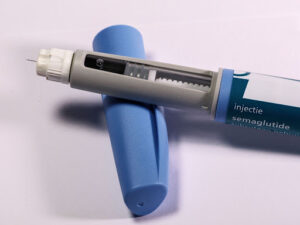
Most instances of taking too much semaglutide are accidental. This is particularly true when people transition from branded medications to compounded versions. Branded medications like Wegovy® or Ozempic® often come in pre-filled pens that are designed to deliver a specific, set dose with one click. If you want a clearer breakdown of this issue, see our semaglutide dosing and units guide. (trimrx.com)
However, many people today access their medication through telehealth platforms that partner with compounding pharmacies. These pharmacies provide medication in vials. This requires the individual to draw the medication into a syringe themselves. This is where confusion often begins. (fda.gov)
Confusion Over Units vs. Milligrams
The most common cause of overdose is the confusion between different units of measurement. A prescription might be written for 0.25 milligrams (mg) of semaglutide. However, the syringe used to administer the dose is often marked in “units” or milliliters (ml). If the concentration of the medication in the vial is not clearly understood, an individual might accidentally draw up 10 or 20 times the intended amount. A good starting point is our starting semaglutide dose guide. (trimrx.com)
Misreading the Syringe
Many syringes provided for weight loss injections are U-100 insulin syringes. These are marked with numbers like 10, 20, 30, up to 100. If a patient is told to take “5 units,” but they mistakenly fill the syringe to the “50” mark, they have taken ten times their dose. For a step-by-step overview, our first semaglutide dose guide walks through the early dosing process. (trimrx.com)
“Doubling Up” on Missed Doses
Sometimes, an individual might forget their weekly injection and attempt to “catch up” by taking two doses close together. Because semaglutide stays in your system for a long time, this can lead to an accumulation of the drug that exceeds what the body can comfortably process. (fda.gov)
Immediate Symptoms of Taking Too Much Semaglutide
If you have taken a dose higher than what was prescribed by your healthcare provider, symptoms typically begin within a few hours, though they can sometimes take up to a day to fully manifest. The severity of the symptoms is usually directly related to how much extra medication was administered. For a broader breakdown of common reactions, see our semaglutide side effects management guide. (fda.gov)
Severe Gastrointestinal Distress
The most immediate and common sign of an overdose is extreme nausea and vomiting. While mild nausea is a frequent side effect of GLP-1 medications, an overdose makes this feeling much more intense. The vomiting can become persistent, making it impossible to keep down water or food. This is often accompanied by severe abdominal cramping and diarrhea. (fda.gov)
Hypoglycemia (Low Blood Sugar)
Even in individuals who do not have type 2 diabetes, semaglutide can cause blood sugar levels to drop too low if the dose is excessive. This is known as hypoglycemia. Symptoms of low blood sugar include: (fda.gov)
- Feeling shaky or jittery
- Excessive sweating and chills
- Dizziness or lightheadedness
- Confusion and irritability
- Blurred vision
- Extreme weakness or fatigue
Dehydration
Because an overdose often leads to prolonged vomiting and diarrhea, the risk of dehydration is very high. Dehydration can happen quickly and, if left untreated, can lead to more serious complications like kidney stress. Signs of dehydration include extreme thirst, dark-colored urine, and feeling faint when standing up. (fda.gov)
Key Takeaway: An overdose of semaglutide is primarily characterized by “hyper-responsiveness” of the drug’s intended effects—meaning the slowed digestion and appetite suppression become physically overwhelming. (fda.gov)
Serious Complications and Long-Term Risks
While most people recover from a semaglutide overdose with proper care, there are serious risks associated with taking a massive dose. Because this medication has a long half-life, it stays in your system for a long time. This means that if you take too much, you cannot simply “sleep it off” in a few hours. The symptoms can persist for a week or longer. If you want a deeper look at longer-term risks, our semaglutide side effects long term guide covers additional safety considerations. (fda.gov)
Pancreatitis
In rare cases, taking too much semaglutide may increase the risk of pancreatitis, which is inflammation of the pancreas. This is a serious condition that requires immediate medical attention. The hallmark symptom is severe abdominal pain that may feel like it is radiating through to your back. (fda.gov)
Acute Kidney Injury
Severe dehydration caused by an overdose can put significant strain on the kidneys. If the body loses too much fluid through vomiting and cannot replace it, the kidneys may temporarily lose their ability to filter waste from the blood. This is why staying hydrated is the most critical part of managing an accidental overdose. (accessdata.fda.gov)
Gallbladder Issues
Rapid changes in digestion and extreme dosing can sometimes trigger gallbladder problems, including gallstones. If you experience intense pain in the upper right side of your abdomen or yellowing of the skin (jaundice), you should seek medical evaluation immediately. (fda.gov)
What to Do If You Suspect an Overdose
If you realize you have taken too much semaglutide, the most important thing is to stay calm and take action immediately. You do not need to wait for symptoms to start before seeking guidance. (fda.gov)
Step 1: Contact Your Healthcare Provider
Call the doctor or clinical team that prescribed your medication. They need to know exactly how much you took and when. They can provide specific instructions based on your health history. If you are a member of a program like ours, you can reach out to the dedicated support team for guidance. (fda.gov)
Step 2: Call Poison Control
In the United States, you can reach Poison Control at 1-800-222-1222. They have specialists who are trained to handle medication errors and can tell you if your specific dose requires an emergency room visit. (fda.gov)
Step 3: Monitor Your Symptoms
Keep a close eye on how you feel. If you are able to keep liquids down, sip on water or an electrolyte drink. However, if you begin to experience persistent vomiting, fainting, or severe pain, you should go to the nearest emergency room. (fda.gov)
Step 4: Check Your Blood Sugar
If you have access to a glucose monitor, check your blood sugar levels. If they are low, and you are conscious and able to swallow, consuming a small amount of fast-acting sugar (like orange juice or glucose tablets) may help. If blood sugar remains low or you feel confused, seek emergency care. (fda.gov)
Note: Never attempt to “flush out” the medication by taking other drugs or supplements. Because semaglutide is an injection that enters your bloodstream and fat tissues, there is no way to manually remove it from your system. You must manage the symptoms while the body naturally breaks the medication down. (fda.gov)
How TrimRx Supports Safe Dosing
We believe that the best way to handle an overdose is to prevent it from happening in the first place. This is why the structure of a weight loss program matters. At TrimRx, we do not just provide access to medication; we provide a clinical framework designed to keep you safe. If you want a provider-reviewed next step, see if you qualify with the free assessment quiz. (trimrx.com)
Our approach centers on personalization. We connect you with licensed providers who determine the appropriate starting dose for your specific body and goals. This “start low and go slow” approach—often called titration—allows your body to adjust to the GLP-1 hormone gradually. This significantly reduces the risk of both standard side effects and accidental dosing errors. (trimrx.com)
By using our telehealth platform, you have ongoing access to specialists who can answer questions about your syringe markings, your vial concentration, or your dosing schedule. We aim to remove the guesswork that often leads to mistakes. Every program includes clear instructions and ongoing support so that you feel empowered, not confused. (trimrx.com)
How to Prevent Future Dosing Mistakes
If you have had a “close call” or are just starting out, there are several practical steps you can take to ensure you always take the correct amount of medication.
- Use a “Second Set of Eyes”: If you are unsure about the markings on your syringe, have a friend or family member double-check the measurement before you inject.
- Keep a Dosing Log: Write down the date, time, and the number of “units” or milligrams you took. This prevents you from accidentally taking a second dose because you forgot you already took the first one.
- Ask for a Demonstration: If you are using compounded semaglutide from an FDA-registered pharmacy, ask your provider for a video or a clear diagram showing exactly where to fill the syringe.
- Do Not Change Your Dose Alone: Never increase your dose because you feel like your weight loss has “stalled.” Only change your dosage under the direct supervision of a healthcare professional.
- Check the Label Every Time: Concentrations can change if you switch pharmacies or if your provider moves you to a different strength. Always read the vial label before every injection. (trimrx.com)
Managing the Aftermath of an Overdose
If you have experienced an overdose and the symptoms have begun to subside, your body will still need time to recover. Because of the long half-life of semaglutide, you may feel “off” or extra sensitive to food for several days. During this time, focus on “gentle” nutrition. Think of it like recovering from a stomach virus. Focus on the “BRAT” diet (bananas, rice, applesauce, toast) and prioritize hydration. This is also a time where targeted nutrient support can be beneficial. Many people find that supplements like the GLP-1 Daily Support supplement can help provide the essential nutrients the body needs when appetite is severely suppressed or digestion is disrupted. (trimrx.com)
Once you are feeling better, do not resume your medication without talking to your provider. They may suggest skipping a week or returning to a lower “maintenance” dose to allow your system to reset. (trimrx.com)
The Importance of Professional Supervision
The trend of “DIY” weight loss or buying medications from unverified online sources is dangerous because it lacks the safety net of professional oversight. A weight loss journey is a medical process, not just a lifestyle change. For people looking for additional support while they build a routine, the Weight Loss Boost supplement is another TrimRx option. (trimrx.com)
Bottom line: While semaglutide is a powerful and generally safe tool for weight loss, it must be treated with the respect any prescription medication deserves. Proper dosing is the difference between a successful journey and a medical emergency. (fda.gov)
Conclusion
Taking too much semaglutide can be a frightening experience, but it is manageable when you know what to look for and how to respond. The severe nausea, vomiting, and potential for low blood sugar are the body’s way of reacting to an overwhelming hormonal signal. If you suspect an error, reaching out to medical professionals and poison control is the most responsible next step. (fda.gov)
At TrimRx, our mission is to ensure that no one has to navigate these complexities alone. We merge clinical expertise with a supportive, telehealth-first approach to make sure your personalized program is both effective and safe. Sustainable weight loss is a marathon, not a sprint, and having a dedicated team to guide your dosing and monitor your progress makes all the difference. If you are ready to start a science-backed, supervised weight loss journey, your first step is starting your free eligibility assessment. (trimrx.com)
FAQ
What is the very first sign that I took too much semaglutide?
The most common early sign of an overdose is intense, persistent nausea that feels much stronger than the typical “queasiness” associated with the medication. This is often followed quickly by repeated vomiting or severe stomach cramping as the medication rapidly slows down your digestive system. (fda.gov)
How long do overdose symptoms last?
Symptoms can last anywhere from a few days to over a week. This is because semaglutide has a long half-life of about seven days, meaning it takes a significant amount of time for the body to metabolize and clear the excess medication from your system. (fda.gov)
Can I die from taking too much semaglutide?
While severe complications are the main concern, a massive overdose can lead to life-threatening problems such as severe dehydration, kidney failure, or extreme hypoglycemia (low blood sugar). This is why it is critical to seek medical attention or contact Poison Control immediately if a large error occurs. (fda.gov)
Should I skip my next dose if I took too much this week?
You should never adjust your dosing schedule on your own after a mistake. Contact your healthcare provider immediately; they will likely advise you to wait until your symptoms have completely cleared and the excess medication has left your system before resuming a much smaller, safer dose. (trimrx.com)
Disclaimer: This content is for informational purposes only and does not constitute medical advice. It is not intended to diagnose, treat, cure, or prevent any disease or condition. Individual results may vary. Always consult a qualified healthcare professional before starting any weight loss program or medication.

Transforming Lives, One Step at a Time
Keep reading
Semaglutide vs Tirzepatide: Comparing Weight Loss, Blood Sugar, and Side Effects
Semaglutide and Tirzepatide are one of the most common comparisons in medical weight loss. The two medications share a clear family resemblance. Both are…

How Much Weight Can You Lose on Semaglutide?
How much weight can you lose on semaglutide? The answer varies depending on your starting weight, dosage, treatment duration, and individual response to the…

Hair Shedding Months Into Semaglutide
It shows up in the shower drain first, then on the pillow, then in the brush. By the time most people search this, they…


