What Happens If Mounjaro Is Not Refrigerated
Introduction
It is a common moment of panic for many individuals on a weight loss journey: you return home or wake up only to realize your medication pen has been sitting on the kitchen counter instead of in the refrigerator. When managing a routine that includes Mounjaro®, maintaining the “cold chain”—the continuous refrigerated supply chain—is a vital part of ensuring the medication remains effective. At TrimRx, we understand that life happens, and a forgotten pen or a power outage shouldn’t derail your progress or cause unnecessary anxiety.
This article explores the specific guidelines for storing tirzepatide, the science behind why temperature matters, and exactly what to do if your medication spends time outside the fridge. Understanding these storage requirements helps you protect your investment in your health and ensures that every dose you take is working exactly as intended. We will cover the manufacturer’s safety windows, visual signs of spoilage, and how a dedicated support team can help you navigate these hurdles. For a broader overview, review this guide to tirzepatide storage, travel, and handling.
The Standard Storage Requirements for Tirzepatide
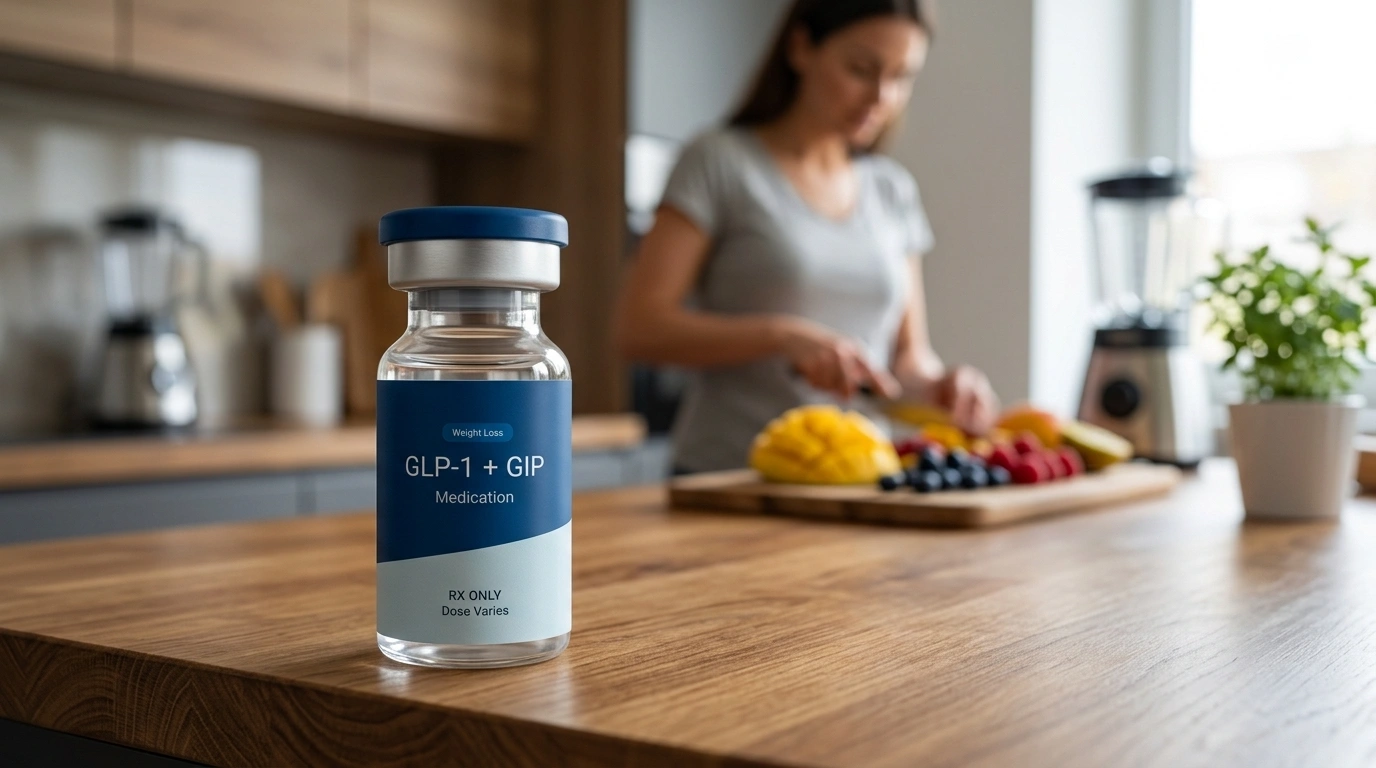
Mounjaro® is a temperature-sensitive peptide medication that requires specific environmental conditions to maintain its molecular integrity. Under ideal circumstances, the medication should be stored in a refrigerator between 36°F and 46°F (2°C to 8°C). These cold temperatures slow down the natural degradation of the proteins within the formula, ensuring the drug remains potent until the expiration date printed on the carton.
However, the medication was designed with some flexibility for daily life. The manufacturer states that Mounjaro® can be stored at room temperature—up to 86°F (30°C)—for a cumulative total of up to 21 days. This window is intended to accommodate travel, pharmacy pick-ups, or the occasional lapse in memory. Once a pen has reached room temperature, it does not necessarily need to go back into the refrigerator, but the 21-day countdown begins immediately.
For a detailed explanation of how long tirzepatide can be stored safely, review the relevant storage timelines before making a decision about a pen that has been left out.
Quick Answer: If Mounjaro® is left out of the refrigerator, it remains safe and effective for up to 21 days, provided the temperature does not exceed 86°F (30°C). If it has been out longer than 21 days or exposed to extreme heat, it should be discarded.
The Science of Peptide Stability
To understand why refrigeration is necessary, it helps to understand what the medication actually is. Tirzepatide, the active ingredient in Mounjaro®, is a “dual agonist.” This means it is a synthetic chain of amino acids designed to mimic two natural hormones in the body: glucagon-like peptide-1 (GLP-1) and glucose-dependent insulinotropic polypeptide (GIP). These hormones help regulate blood sugar and signal fullness to the brain.
Peptides are essentially small proteins, and proteins are highly sensitive to their environment. When a protein is exposed to excessive heat or light, it can undergo a process called denaturation. During denaturation, the complex 3D shape of the molecule begins to “unfold” or break apart.
- Structure Equals Function: The specific shape of the tirzepatide molecule is what allows it to “lock” into the receptors in your body. If the shape changes due to heat, it can no longer bind to those receptors effectively.
- Potency Loss: A denatured peptide is not necessarily “poisonous,” but it becomes biologically inactive. This means you might be injecting the fluid, but your body isn’t receiving the metabolic signal required for weight loss or blood sugar regulation.
- Preservative Breakdown: Refrigeration also helps maintain the stability of the liquid medium the peptide sits in, preventing any premature breakdown of the solution itself.
If you are considering prescription treatment, you can complete a free eligibility assessment to learn whether a personalized program may be appropriate for you.
What Happens After 21 Days?
If a pen has been kept at room temperature for longer than the 21-day safety window, the primary risk is a loss of clinical efficacy. While the medication is unlikely to become toxic immediately after day 21, the manufacturer can no longer guarantee that the dose is accurate or that the peptide is still fully intact.
Using “expired” or improperly stored medication can lead to inconsistent results. You might notice that your appetite suppression is weaker than usual or that your blood sugar levels are not as stable as they were with a fresh, cold pen. Because these medications are a significant part of a medical treatment plan, using a compromised dose can make it difficult for your healthcare provider to assess how well the treatment is actually working for you. You can also review this guide on when tirzepatide expires.
Key Takeaway: The 21-day room temperature rule is a hard limit. Even if the medication looks clear, the microscopic structure of the peptide may have degraded, leading to reduced effectiveness and stalled progress in your weight loss journey.
Visual Signs of Spoiled Medication
Before administering any dose, especially one that has been left out, you must perform a visual inspection of the liquid through the pen’s glass chamber. Tirzepatide should always be clear and colorless. If the appearance of the liquid has changed, it is a definitive sign that the medication is no longer safe to use.
Watch for these specific warning signs:
- Cloudiness: The liquid should look like plain water. If it appears milky, hazy, or “foggy,” the proteins may have clumped together or denatured.
- Particles: If you see tiny flakes, “strings,” or solid specks floating in the liquid, the medication has likely broken down or become contaminated.
- Color Changes: Any tint of yellow, brown, or pink is a red flag. The solution should remain completely colorless.
- Frozen Residue: If the pen was accidentally placed too close to the cooling element in a fridge and froze, you might see ice crystals or a slushy consistency. Never use a pen that has been frozen, even if it thaws back into a clear liquid. Freezing permanently destroys the peptide structure.
For additional information about compounded tirzepatide storage and shelf life, remember that compounded products may have different instructions from branded pens.
Handling Extreme Heat and Sunlight
The 21-day rule only applies if the temperature remains at or below 86°F (30°C). If your medication is exposed to temperatures higher than this—such as being left in a hot car during the summer or sitting on a windowsill in direct sunlight—the 21-day window is no longer valid.
Extreme heat accelerates the breakdown of peptides almost instantly. A car interior can reach 120°F in minutes, which is well beyond the safety threshold for Mounjaro®. Similarly, UV light from direct sunlight can trigger chemical reactions in the solution that degrade the active ingredient. If you know the medication has been exposed to high heat or direct sun, the safest course of action is to dispose of it and contact your provider for a replacement.
Step-by-Step Action Plan: If You Left Your Pen Out
If you discover your medication has been left out of the refrigerator, do not panic. Follow these steps to determine if the medication is still viable:
- Check the Temperature: Estimate how warm the room was. If the area remained under 86°F, proceed to the next step.
- Calculate the Time: Determine exactly how long the pen has been out. If it has been less than 21 days, the pen is generally considered safe to use.
- Inspect the Liquid: Look for cloudiness, color changes, or particles. If it is clear and colorless, it is likely fine.
- Label the Pen: Use a permanent marker or a piece of tape to write the “discard date” (21 days from when it was first left out) on the pen or carton.
- Consult Your Support Team: When in doubt, reach out to your clinical team. At TrimRx, we provide 24/7 access to specialists who can help you decide if a pen is still usable based on your specific situation.
If you are exploring whether prescription treatment is suitable for your health profile, take the free assessment quiz.
Note: If you have a power outage, keep your refrigerator door closed as much as possible. A sealed fridge can maintain a safe temperature for about 4 hours. If the power is out longer, you should treat the pens as having started their 21-day room temperature countdown.
Traveling with Tirzepatide
Travel is the most common reason the “cold chain” is broken. Whether you are flying or taking a long road trip, you need a plan to keep your medication within the required temperature range. While the 21-day rule gives you some leeway, many people prefer to keep their pens cold to ensure the longest possible shelf life. For more practical advice, see this guide to keeping tirzepatide cold during air travel.
Best practices for traveling with medication:
- Use an Insulated Travel Case: Many companies sell small, insulated pouches specifically for insulin or GLP-1 pens. These often include small gel packs to maintain a cool environment.
- Avoid the Cargo Hold: If you are flying, always keep your medication in your carry-on bag. The cargo hold of an airplane can experience extreme temperature fluctuations (both freezing and high heat) and pressure changes that could damage the pen.
- Beware of Hotel Fridges: Hotel mini-fridges can be notoriously unreliable. They often have “hot spots” or areas that are prone to freezing. If you use a hotel fridge, keep the medication away from the cooling element and check the temperature setting if possible.
- Keep it Out of the Car: Never leave your medication in a parked car, even for a short period. If you are on a road trip, keep the medication in the climate-controlled cabin of the vehicle, ideally in an insulated bag.
Comparing Storage: Branded vs. Compounded Tirzepatide
While this guide focuses on the branded medication Mounjaro®, it is important to note that storage requirements can differ for compounded versions. Many individuals choose to use telehealth platforms to access compounded tirzepatide, which is prepared by specialized pharmacies.
Compounded medications are different from branded ones in several ways:
- Preservatives: Compounded tirzepatide may use different preservatives or different concentrations of the active ingredient, which can affect its stability.
- Vials vs. Pens: Compounded versions usually come in multi-dose vials rather than single-use pens. Every time a needle enters a vial, there is a small risk of introducing contaminants, making strict refrigeration even more important.
- Pharmacy Instructions: Always follow the specific storage instructions provided by the compounding pharmacy. Most compounded tirzepatide must remain refrigerated at all times and may have a shorter overall shelf life than the branded version.
We at TrimRx connect patients with FDA-registered, inspected compounding pharmacies that provide detailed storage instructions for every shipment. This ensures that you are never left guessing about the safety or potency of your personalized program. See if you qualify for a personalized program before getting started.
The Role of Personalized Support in Weight Management
Managing a medication like tirzepatide is about more than just the injection itself; it’s about navigating the logistics of a clinical treatment program. This is where the value of a telehealth platform becomes clear. When you are part of a structured program, you aren’t just receiving a prescription; you are receiving a support system.
A comprehensive program provides:
- Expert Guidance: If you have questions about storage, side effects, or dosing, you can get answers without waiting weeks for an in-person appointment.
- Consistent Supply: Personalized programs often include streamlined refills, reducing the stress of pharmacy shortages or “losing” a dose to spoilage.
- Supplement Integration: Many people find success by pairing their primary medication with targeted supplements. For instance, products like GLP-1 Daily Support can help manage common side effects, ensuring you stay on track even if a logistical hiccup occurs.
Summary of Storage Best Practices
To get the most out of your treatment, treat your medication with the same care you treat your health. While the 21-day room temperature window is a helpful safety net, the goal should always be to keep the medication refrigerated whenever possible.
Bottom line: Mounjaro® is stable at room temperature for 21 days. However, heat over 86°F, direct sunlight, or freezing temperatures will ruin the medication immediately. Always inspect the liquid for clarity before use.
Quick Checklist for Storage Success:
- Store in the refrigerator (36°F to 46°F) as the default.
- Keep pens in their original carton to protect them from light.
- Never freeze the medication.
- Label any pen that has been left out with a new 21-day expiration date.
- Dispose of any medication that is cloudy, discolored, or contains particles.
For broader guidance on supplements that may be considered alongside GLP-1 treatment, read about supplements to take and avoid on GLP-1 medications.
Conclusion
Understanding the nuances of medication storage is a small but critical part of a successful weight loss journey. While finding a pen left out of the fridge can be stressful, the 21-day safety window for Mounjaro® offers a significant buffer for most common mistakes. By staying informed about the science of peptide stability and knowing the visual signs of spoilage, you can move forward with confidence.
Our mission is to help you navigate these practical challenges with ease. We believe that sustainable weight loss requires a blend of advanced science, like GLP-1 and GIP agonists, and empathetic, personalized support. If you are ready to take the next step in your health journey with a team that guides you through every detail—from clinical dosing to storage logistics—we are here to help.
Ready to start your personalized journey? Take our free assessment quiz to see which program is right for your health profile and goals.
FAQ
Can I put Mounjaro back in the fridge after it has been at room temperature?
Yes, you can put the medication back in the refrigerator after it has reached room temperature, but this does not “reset” the clock. The 21-day limit for room temperature exposure is cumulative; once the pen has spent time out of the fridge, you should aim to use it within those three weeks regardless of whether you chill it again.
What should I do if my Mounjaro was delivered and the ice packs were melted?
Check the temperature of the medication and the visual appearance of the liquid. If the pens feel cool to the touch and the liquid is clear and colorless, they are generally safe to use. If the medication is warm or the ice packs have been melted for an extended period (beyond the 21-day safety window of shipping), contact the pharmacy or your provider for guidance. You can also complete a free eligibility assessment if you are considering a personalized prescription program.
Will Mounjaro still work if it gets warm?
If the medication stays below 86°F (30°C) and is used within 21 days, it will work as intended. If it is exposed to extreme heat or left out for more than 21 days, the peptides may denature, making the medication significantly less effective or entirely inactive.
Is it dangerous to inject Mounjaro that was not refrigerated?
Injecting medication that has been at room temperature for less than 21 days is considered safe. However, injecting medication that has spoiled due to extreme heat, freezing, or long-term room temperature exposure may lead to an ineffective dose and potentially an increased risk of injection site irritation, though the primary concern is the loss of weight loss benefits.
Disclaimer: This content is for informational purposes only and does not constitute medical advice. It is not intended to diagnose, treat, cure, or prevent any disease or condition. Individual results may vary. Always consult a qualified healthcare professional before starting any weight loss program or medication.

Transforming Lives, One Step at a Time
Keep reading
Mounjaro Alternatives: What Else to Consider
If Mounjaro isn’t the right fit, the closest alternatives are other GLP-1 medications, chiefly semaglutide (Ozempic for diabetes, Wegovy for weight), along with a…
Mounjaro vs Zepbound: Same Drug, Two Brands
Like their semaglutide counterparts, Mounjaro and Zepbound are the same medication (tirzepatide) sold under two names for two purposes: Mounjaro is approved for type…
Retatrutide vs Mounjaro: Triple Agonist vs Dual Agonist
The core difference between retatrutide and Mounjaro comes down to how many hormone targets each hits: retatrutide activates three receptors, while Mounjaro (tirzepatide) activates…


