What Happens If You Drink Alcohol While Taking Mounjaro
Introduction
You finally feel like you are gaining the upper hand in your weight loss journey, but a wedding invitation or a long-awaited dinner with friends lands in your inbox. Naturally, you wonder: what happens if you drink alcohol while taking Mounjaro®? It is a common question for many of our members at TrimRx. While the excitement of seeing progress on the scale is motivating, navigating social situations involving alcohol can feel like a minefield. Understanding how tirzepatide (the active ingredient in Mounjaro®) interacts with your body and how alcohol might change that experience is essential for staying safe and reaching your goals. This article explores the physiological effects, potential side effects, and practical safety tips for those considering a drink while on this medication. We believe that an informed journey is a successful one, and knowing the risks helps you make the best choices for your metabolic health.
Quick Answer: While there is no known direct “toxic” interaction between Mounjaro® and alcohol, drinking can significantly worsen gastrointestinal side effects like nausea and vomiting. It also increases the risk of low blood sugar and can stall weight loss progress due to added calories and reduced inhibitions.
How Mounjaro and Alcohol Interact in the Body
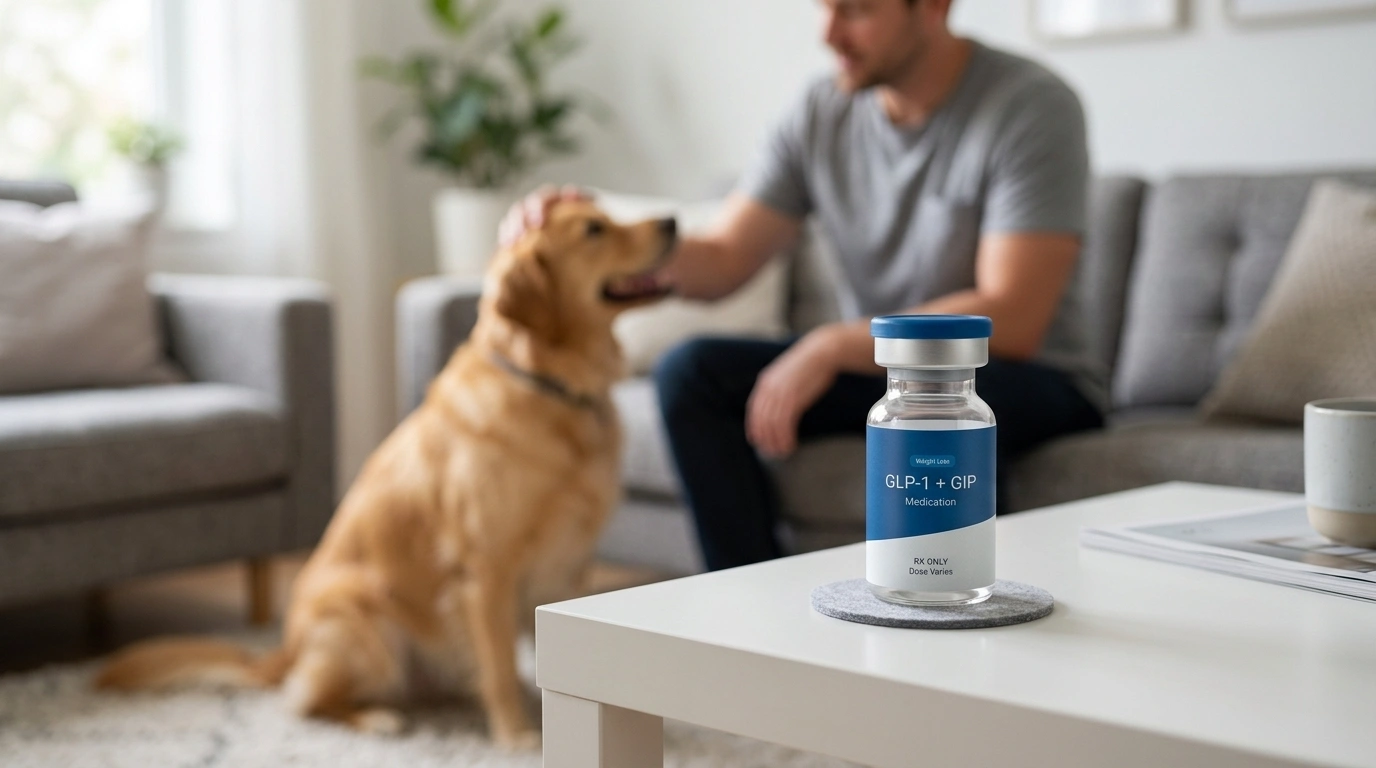
To understand why alcohol and Mounjaro® might not be the best pairing, we first need to look at how the medication works. Mounjaro® is a dual-action medication that mimics two naturally occurring hormones in the body: glucagon-like peptide-1 (GLP-1) and glucose-dependent insulinotropic polypeptide (GIP). For a broader explanation, read our guide to GLP-1 injections and how they work.
GLP-1 is a hormone that helps regulate your appetite and slows down the speed at which your stomach empties. GIP is a hormone that enhances insulin secretion and can help the body break down sugar and fat more effectively. Together, these two hormones work to make you feel full faster, stay full longer, and stabilize your blood sugar levels.
Alcohol, on the other hand, is a central nervous system depressant that the liver treats as a toxin. When you consume alcohol, your liver prioritizes breaking it down over almost every other metabolic process. This shift in priority can interfere with how your body manages glucose (sugar) and how it processes medications. When you combine a medication that influences your metabolic pathways with a substance that disrupts them, the results can be unpredictable.
The Impact on Gastric Emptying
One of the primary ways Mounjaro® helps with weight loss is by slowing down “gastric emptying”—the process of food moving from your stomach into your small intestine. This is why you feel full after eating just a few bites.
Alcohol is an irritant to the stomach lining. When it sits in the stomach longer than usual because the medication has slowed down digestion, it has more time to cause irritation. This can lead to increased acidity, heartburn, and a general feeling of heaviness or discomfort that lasts much longer than it would for someone not taking a GLP-1/GIP medication.
Liver Metabolism and Priorities
The liver is the body’s primary filtration system. When you take a medication like tirzepatide, your liver and kidneys are involved in eventually processing and clearing the drug’s metabolites. However, the liver is also responsible for “gluconeogenesis,” which is the process of creating new glucose to keep your blood sugar from dropping too low.
Alcohol temporarily halts this process of making new glucose. If the medication is already working to lower your blood sugar, and the alcohol prevents your liver from releasing more sugar into the bloodstream, you can experience a dangerous drop in blood glucose.
Key Takeaway: Mounjaro® slows down digestion, meaning alcohol stays in your stomach longer, increasing irritation. Meanwhile, alcohol prevents the liver from regulating blood sugar, which can lead to metabolic instability.
Worsening Gastrointestinal Side Effects
The most common complaints from individuals who drink while on Mounjaro® involve the digestive system. Many people already experience mild side effects when starting the medication, such as nausea or indigestion. Adding alcohol to the mix often acts like “fuel on the fire.” Our tirzepatide side effects management guide offers additional context on common digestive symptoms.
Nausea and Vomiting
Nausea is the most frequently reported side effect of tirzepatide. Alcohol also frequently causes nausea, particularly when consumed on an empty stomach or in excess. When you combine them, the nausea can become overwhelming. Because the medication slows down your digestive tract, if you do feel the need to vomit, it can be a more painful and prolonged experience. The stomach is trying to expel contents that are moving through the system much slower than usual.
Diarrhea and Dehydration
Both alcohol and GLP-1 medications can affect the bowels. Some people experience diarrhea as their body adjusts to the medication. Alcohol can also have a laxative effect on some individuals. The biggest risk here is dehydration.
Mounjaro® already requires you to increase your water intake to protect your kidneys and help the medication work efficiently. Alcohol is a diuretic, meaning it forces your body to flush out fluids. The combination of medication-induced GI issues and alcohol-induced fluid loss can lead to severe dehydration, which may cause dizziness, headaches, and even kidney strain.
Heartburn and Acid Reflux
As mentioned, the slowed gastric emptying means that acidic drinks or high-calorie cocktails sit in the stomach for an extended period. This frequently triggers gastroesophageal reflux (GERD) or severe heartburn. For many, the “hangover” on Mounjaro® feels less like a headache and more like a day-long struggle with an upset, acidic stomach. If nausea is already a concern, review these tirzepatide nausea management strategies.
The Risk of Hypoglycemia (Low Blood Sugar)
Even if you are taking Mounjaro® for weight loss rather than type 2 diabetes, you must be aware of hypoglycemia. Hypoglycemia occurs when your blood sugar levels drop below the healthy range.
Symptoms of low blood sugar include:
- Dizziness or lightheadedness
- Shakiness or tremors
- Excessive sweating and chills
- Confusion or irritability
- Rapid heartbeat
Alcohol significantly increases this risk because it impairs the liver’s ability to release glucose into the blood. If you haven’t eaten much—which is common on this medication because of appetite suppression—and then you drink, your blood sugar can plummet.
Note: If you are taking other medications for diabetes, such as insulin or sulfonylureas, the risk of hypoglycemia when drinking alcohol is much higher. You should consult a licensed healthcare provider before consuming any alcohol.
If you are considering a prescription weight loss program, complete a free eligibility assessment so a qualified provider can review your health history and goals.
Alcohol and Your Weight Loss Progress
Beyond the immediate physical discomfort, alcohol can act as a major roadblock to your long-term weight loss goals. We focus on sustainable lifestyle changes, and alcohol often works against those efforts in several ways. For additional guidance on building sustainable habits alongside treatment, explore how GLP-1 medications work for weight loss.
Empty Calories and Metabolic Stall
Alcohol provides “empty” calories, meaning they have no nutritional value. A single cocktail can contain as many calories as a small meal, but it won’t make you feel full. In fact, because your liver is busy processing the alcohol, it may temporarily stop burning fat for fuel. This “metabolic pause” can lead to a weight loss plateau if drinking becomes a regular habit.
Lowered Inhibitions and Food Choices
Mounjaro® is excellent at reducing “food noise”—those constant intrusive thoughts about eating. However, alcohol is notorious for lowering inhibitions. After a drink or two, you may find that the willpower you’ve been building begins to fade. This often leads to “late-night snacking” or choosing high-fat, high-sugar foods that you would normally avoid. Because your digestion is slowed, eating these heavy foods while drinking can result in extreme stomach pain the following morning.
Impact on Sleep and Recovery
Effective weight loss depends heavily on quality sleep and physical recovery. Alcohol disrupts the REM (Rapid Eye Movement) cycle, meaning even if you sleep for eight hours, you won’t wake up feeling rested. Poor sleep increases cortisol (the stress hormone), which can lead to increased fat storage, particularly in the abdominal area.
| Feature | Impact of Alcohol Alone | Impact of Mounjaro® + Alcohol |
|---|---|---|
| Digestion Speed | Normal/Variable | Significantly Slowed |
| Nausea Risk | Moderate (dose-dependent) | High |
| Blood Sugar | Can lower slightly | High risk of dropping too low |
| Hydration | Diuretic (Dehydrating) | Increased risk of severe dehydration |
| Caloric Intake | Increases “empty” calories | Increases calories + stalls fat burning |
The “Alcohol Aversion” Phenomenon
An interesting trend has emerged in clinical observations and patient reports: many people taking GLP-1 or GIP medications find they no longer enjoy alcohol. Research suggests that these medications may interact with the reward centers in the brain, the same areas responsible for the “buzz” you feel when drinking. You can also review this guide to drinking alcohol while on GLP-1 medications.
Reduced Cravings
Many individuals report that they simply don’t have the “urge” to drink anymore. The “food noise” that the medication silences often includes “alcohol noise.” You might find yourself ordering a drink out of habit, only to realize you have no desire to finish it.
Changes in Taste and Effect
Some patients report that alcohol tastes different—often more bitter or metallic—while on the medication. Others find that they feel the effects of alcohol much faster, while some feel almost no “positive” effects (the buzz) and only the “negative” effects (the headache or nausea). This natural reduction in alcohol intake is often viewed as a positive side effect, as it further supports metabolic health and calorie reduction.
How to Stay Safe if You Choose to Drink
If you decide to have an occasional drink while on your personalized program, we recommend a “slow and steady” approach. Your body is in a different metabolic state than it was before you started the medication, and you should treat it with extra care.
Step-by-Step Guide for Mindful Drinking
Step 1: Eat a balanced meal first. / Never drink on an empty stomach. Ensure you have consumed adequate protein and fiber to help stabilize your blood sugar before having an alcoholic beverage.
Step 2: Hydrate aggressively. / For every alcoholic drink, consume at least 16 ounces of water. This helps counteract the diuretic effects of the alcohol and protects your kidneys.
Step 3: Choose “cleaner” options. / Avoid sugary mixers, syrups, and heavy craft beers. Opt for dry wines, light spirits with soda water, or low-calorie options to minimize the “double hit” of sugar and alcohol.
Step 4: Monitor your feelings. / Stop at the first sign of nausea or dizziness. Do not feel pressured to finish a drink if your body is signaling that it has had enough.
Step 5: Check your blood sugar. / If you have access to a glucose monitor, keep an eye on your levels, especially in the hours following your drink and before you go to bed.
Bottom line: While you can technically drink alcohol on Mounjaro®, doing so increases the likelihood of severe GI upset and could hinder your progress. If you do drink, prioritize hydration and keep consumption minimal.
When to Consult Your Healthcare Provider
Every individual’s body reacts differently to medication and lifestyle choices. While our platform provides access to specialists, it is vital to have an open dialogue with your prescribing provider about your habits.
You should contact a healthcare professional if:
- You experience persistent vomiting after drinking.
- You feel signs of severe dehydration, such as extreme thirst or dark urine.
- You experience a fainting spell or extreme confusion (signs of hypoglycemia).
- You notice severe pain in your upper abdomen that radiates to your back (a potential sign of pancreatitis, which can be exacerbated by heavy alcohol use).
At TrimRx, our goal is to ensure you have the tools and support needed for a safe transformation. This includes understanding the nuances of how substances like alcohol affect your journey. We provide access to compounded tirzepatide through our partner pharmacies, and our clinical teams are available to help you navigate these lifestyle questions as they arise.
Myth: “I can just skip my dose of Mounjaro® on days I plan to drink.” Fact: Tirzepatide has a long half-life, meaning it stays in your system for several days. Skipping a dose won’t immediately “clear” the medication from your body, but it will disrupt your treatment consistency and could lead to more side effects when you restart.
If you are exploring whether medically supervised treatment fits your goals, take the free assessment quiz to begin the screening process.
Conclusion
Navigating the world of GLP-1 and GIP medications like Mounjaro® is a journey of rediscovering what your body needs. While alcohol is not strictly prohibited, it is clear that its effects are amplified and often made more unpleasant by the medication. By understanding the risks of dehydration, hypoglycemia, and intensified GI side effects, you can make an informed decision that aligns with your health goals.
We are committed to a science-backed, empathetic approach to weight loss. We know that life happens—there will be toasts, celebrations, and nights out. Our mission is to provide you with the medical supervision and personalized guidance to handle those moments without losing your momentum. If you are ready to take the next step in your health journey with a program designed specifically for your needs, we invite you to start with our free assessment.
Ready to see which personalized program is right for you? Take our free online assessment quiz today to begin your journey toward sustainable metabolic health.
FAQ
Does Mounjaro® make hangovers worse?
Many people report that hangovers are significantly more intense while on the medication. This is likely due to the combination of dehydration and the fact that alcohol stays in the stomach longer, leading to more prolonged nausea and gastric irritation the following day.
Can I drink alcohol if I am taking compounded tirzepatide?
The interaction between alcohol and tirzepatide is the same whether you are using the branded medication or compounded versions. Compounded tirzepatide, while not FDA-approved itself, is prepared in FDA-registered, inspected pharmacies and follows the same biological pathways in the body as the branded version.
Is there a specific type of alcohol that is “safer” to drink?
While no alcohol is completely risk-free, low-sugar options like vodka with soda water or a dry white wine are generally better tolerated than sugary cocktails or heavy beers. Lower sugar content helps reduce the risk of dramatic blood sugar spikes and subsequent crashes.
Will drinking alcohol stop my weight loss?
Drinking alcohol won’t permanently stop your weight loss, but it can cause a temporary stall. Between the extra calories and the way alcohol shifts your liver’s metabolic priorities away from fat burning, frequent drinking can make it much harder to reach your target weight.
If you still have questions about whether tirzepatide is appropriate for you, see if you qualify for a personalized program.
Disclaimer: This content is for informational purposes only and does not constitute medical advice. It is not intended to diagnose, treat, cure, or prevent any disease or condition. Individual results may vary. Always consult a qualified healthcare professional before starting any weight loss program or medication.

Transforming Lives, One Step at a Time
Keep reading

Mounjaro Alternatives: What Else to Consider
If Mounjaro isn’t the right fit, the closest alternatives are other GLP-1 medications, chiefly semaglutide (Ozempic for diabetes, Wegovy for weight), along with a…

Mounjaro vs Zepbound: Same Drug, Two Brands
Like their semaglutide counterparts, Mounjaro and Zepbound are the same medication (tirzepatide) sold under two names for two purposes: Mounjaro is approved for type…

Retatrutide vs Mounjaro: Triple Agonist vs Dual Agonist
The core difference between retatrutide and Mounjaro comes down to how many hormone targets each hits: retatrutide activates three receptors, while Mounjaro (tirzepatide) activates…


